


Total U.S. mail volume is projected to drop 29% by 2035. That's exactly what makes premium physical mail more valuable.
A subscription mail club hitting 1,000 members at $24/month throws off $27,500 MRR — with gross margins above 35% and a credible path past $100K as creator partnerships compound.
The entire MVP routes through existing fulfillment partners, no hardware required. If you've been hunting for a creator economy startup idea or a subscription business that blends AI tools with physical products, this is one of the more unusual ones we've come across — and the timing is narrow.
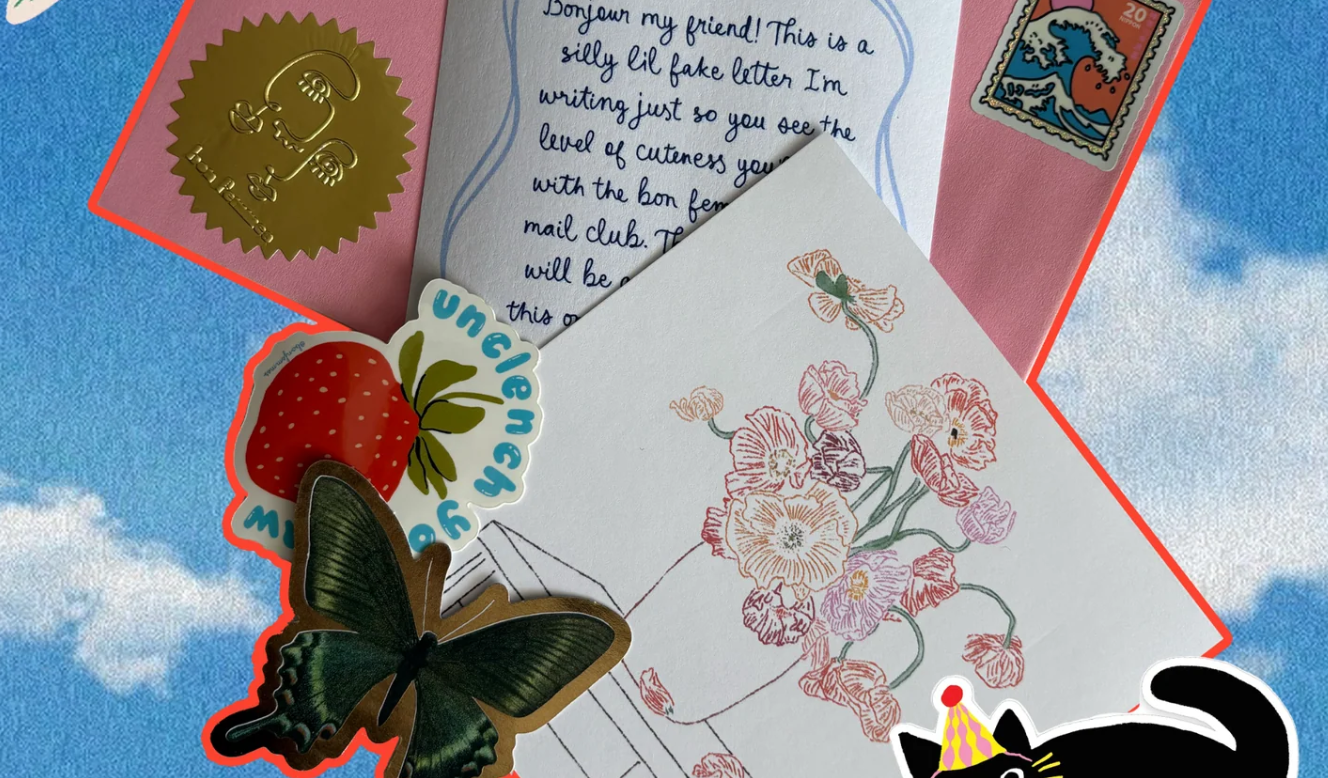
The play: build the consumer-facing brand layer that connects AI-powered writing assistance to robotic handwriting fulfillment, wrapped in a subscription ritual that turns one-off gifting into a recurring, community-driven business. Think Substack meets Etsy meets Handwrytten, with identity, romance, and ritual at its core.
The Signal
Two forces are pulling in opposite directions, and both favor you.
Structural mail decline is real. The USPS Office of Inspector General projects combined First-Class and Marketing Mail volumes will fall from 98.2 billion pieces in 2025 to roughly 70 billion by 2035. Worst case, volumes drop 41%. But analog subcultures are surging hard the other way. Surveys show nearly half of Gen Z consumers mail something monthly. The TikTok-driven snail mail revival — mail clubs, wax seals, junk journaling — is well-documented, with the core demographic being women in their mid-20s to 30s reconnecting with tactile creativity. Gen Z increasingly frames physical letters as rebellion against digital surveillance and commodified interaction.
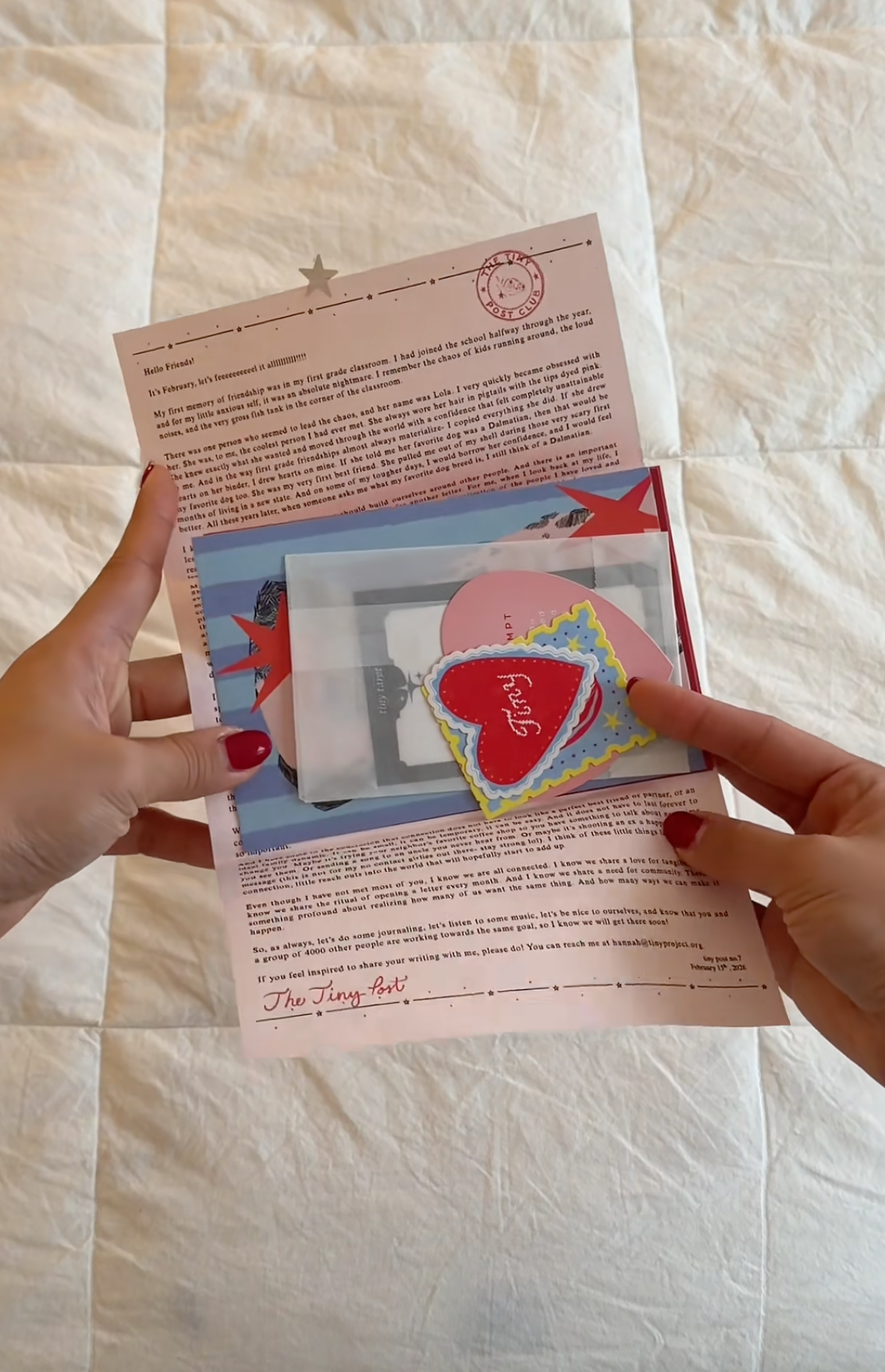
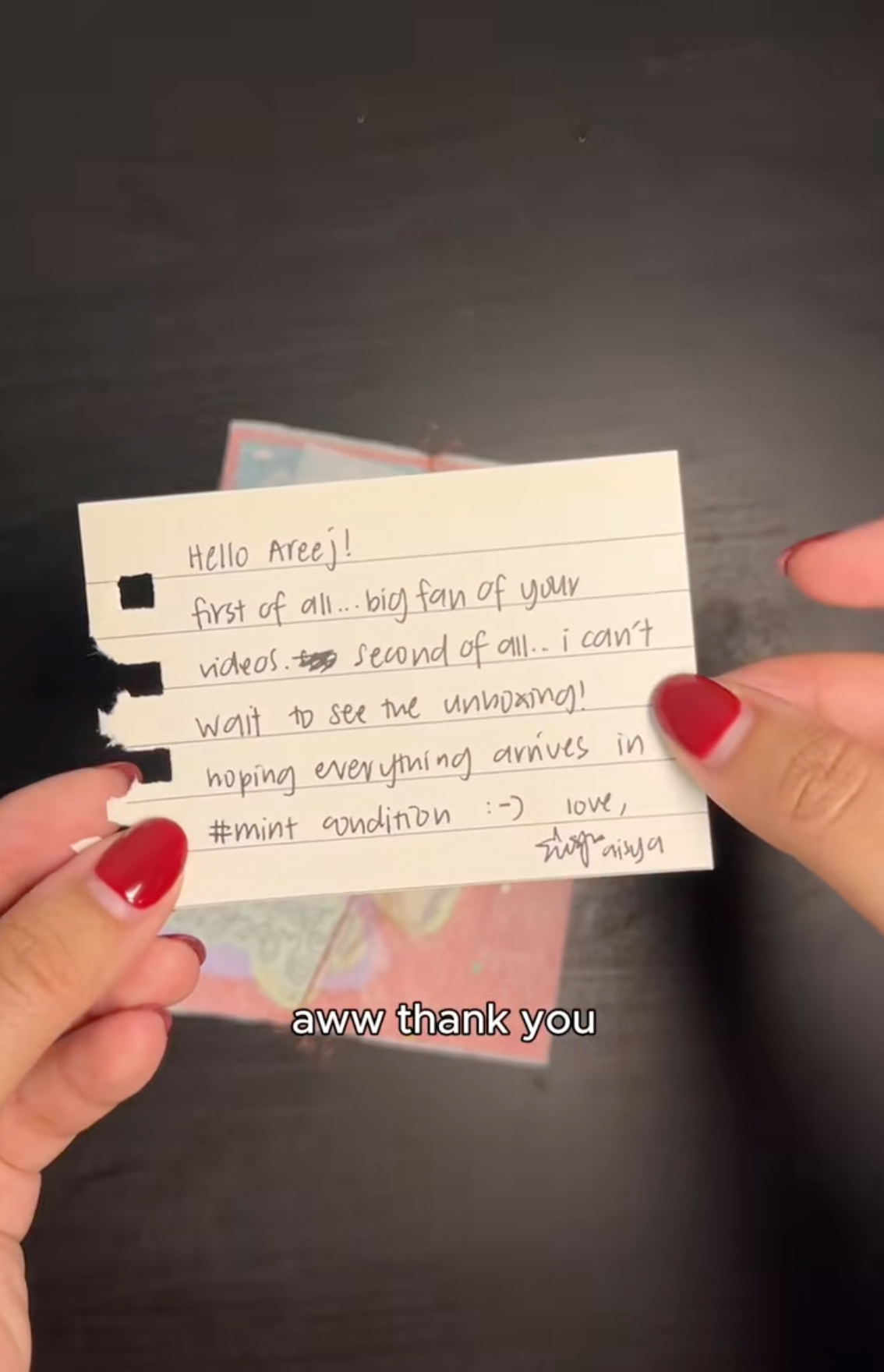
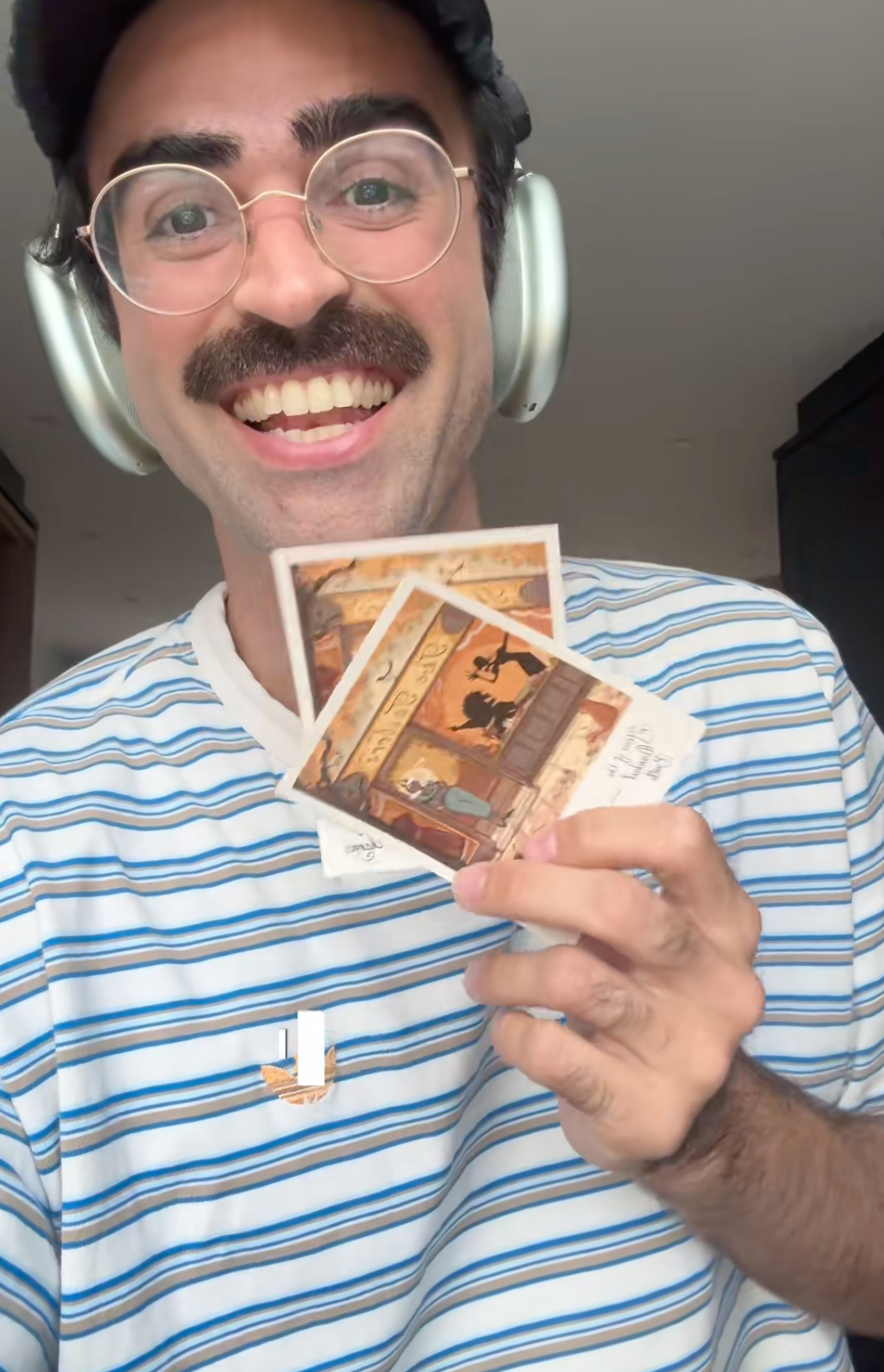
This resembles how vinyl rebounded when streaming made digital music feel disposable: a smaller market, but higher-margin and deeply emotional. The parallel isn't just aesthetic — the economics track, too. Vinyl buyers spend more per unit, buy more consistently, and identify with the format itself. Premium mail is developing the same dynamics.
The proof-of-concept is already live. Kiki Klassen launched a mail club called Lucky Duck in October 2024 — a monthly subscription delivering a piece of art, a quote, and a handwritten message. Within months, she had over 1,000 paying members. Fortune covered the broader trend in January 2026. An artist named Birdsong grew her snail mail club from 25 fans to 1,600 members after a single public announcement during the TikTok ban scare.
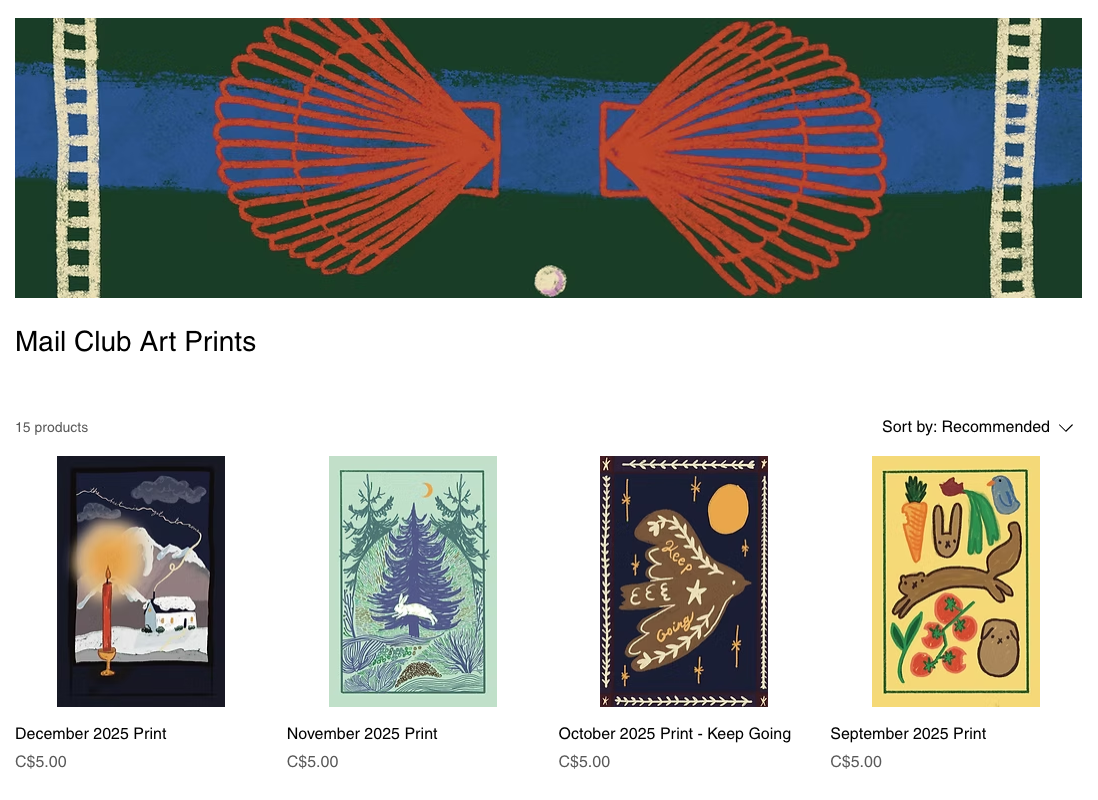
Macro decline plus micro-community growth tells you what the winning product looks like: premium, identity-driven, community-wrapped. Not another mass greeting card.
The Competitive Map
Robot-powered handwritten mail is a proven business. The fulfillment infrastructure exists. The aesthetic and cultural layer on top of it does not.
Handwrytten (founded 2014, Phoenix) is the dominant player: 170+ custom-built robots producing over 250,000 written pieces per month using real ballpoint pens. Revenue hit roughly $8 million in 2023. They hold two patents on robotic handwriting in production environments, serve 100,000+ customers including Netflix, and integrate with Salesforce, HubSpot, and Zapier. Positioning is squarely B2B — sales follow-up, customer retention, CRM workflows.
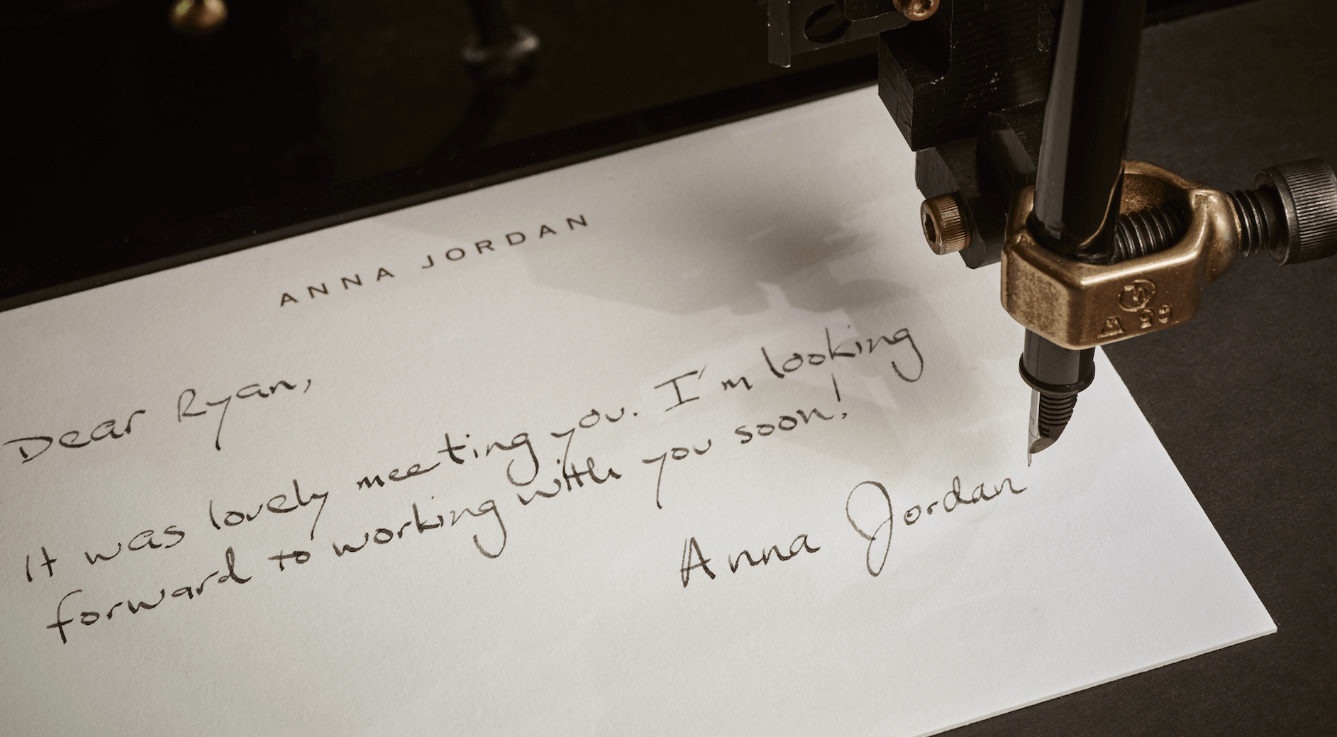
Audience (founded 2019, Miami) raised a $10 million Series A in 2022, bringing total funding to $12.8 million. Their model combines robot-penned notes with a targeting database and automated digital follow-up. Plans start at $495/month for 140 notes. Top verticals: real estate and insurance.
A half-dozen other players (Simply Noted, IgnitePost, Postalgia, RoboQuill, Scribe Handwritten) fish the same B2B pond, competing on response rates and CRM integration.
Every incumbent is ops-first and B2B-first. They optimize for marketing ROI and lead conversion. None serve the consumer who wants to send a beautiful, AI-assisted letter to a friend — and none have built the kind of cultural brand that makes a 26-year-old post their mail on Instagram. Building that brand requires artistic curation and trust-based storytelling, which is not something enterprise sales teams tend to prioritize.
The Play: Sell Membership, Identity, and Social Loops
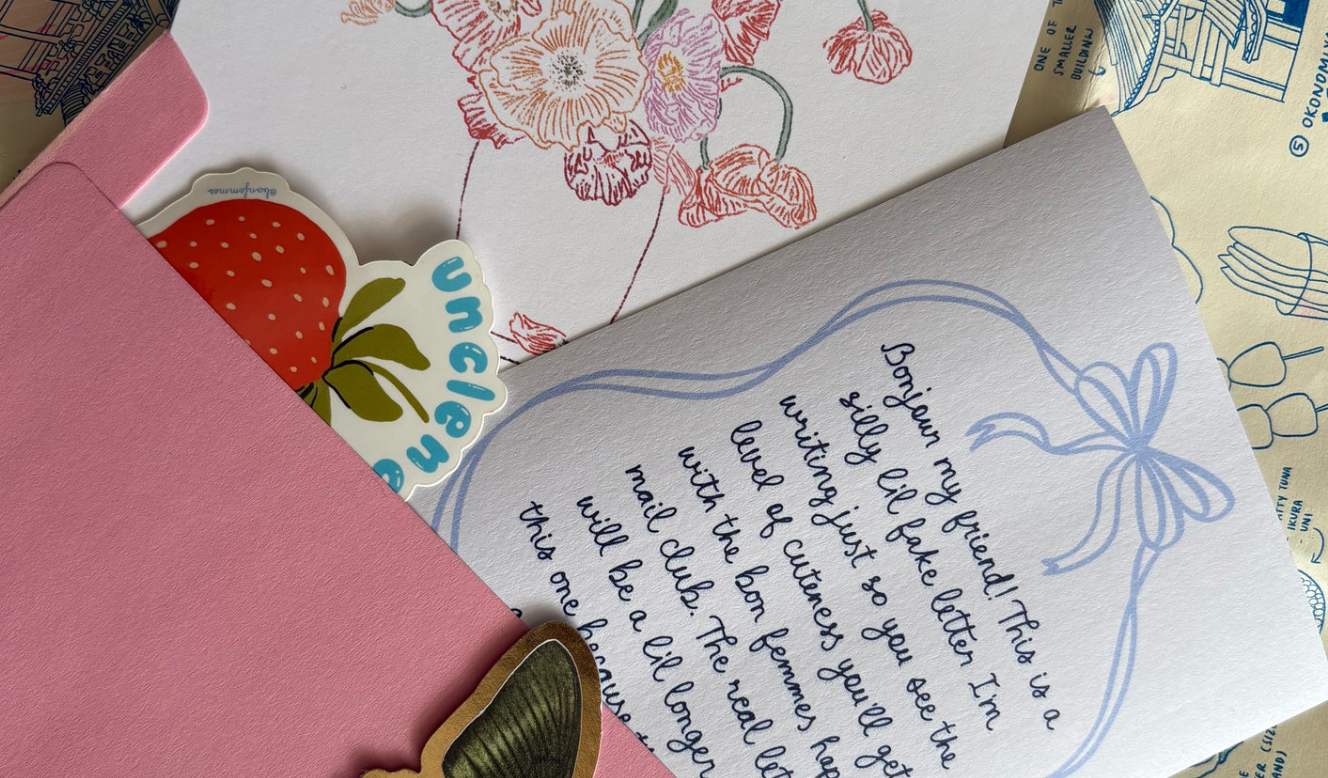
One-off gifting is CAC hell. You spend $15–$25 to acquire a customer who sends one letter and never comes back. The model that works is subscription + community + creator partnerships. Here's how it layers:
Unlock the Vault.
Join founders who spot opportunities ahead of the crowd. Actionable insights. Zero fluff.
“Intelligent, bold, minus the pretense.”
“Like discovering the cheat codes of the startup world.”
“SH is off-Broadway for founders — weird, sharp, and ahead of the curve.”


