


Weird Is Winning. Smaller Operators Are Getting Left Behind.
In January 2026, Nestlé USA released its annual trend forecast with a line that should make every food entrepreneur pay attention. "Weird is winning the grocery aisle," said Mike Van Houten, Nestlé's vice president of commercial excellence. "Weird combinations aren't novelties. They're a winning strategy."
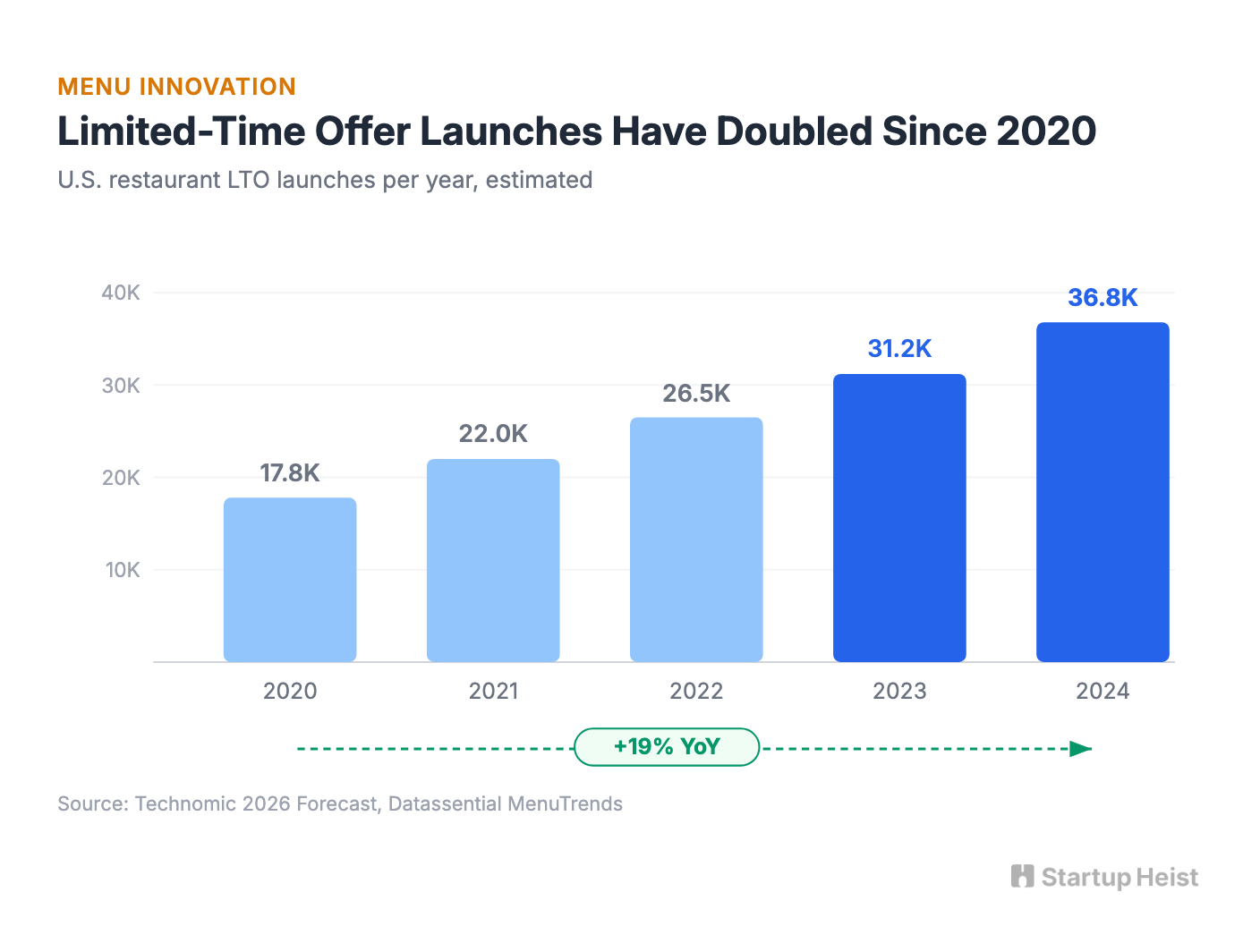
The data backs what anyone paying attention already feels. Ninety percent of Gen Z and millennials are actively seeking new and unusual flavors. Almost half of all consumers say an intriguing new flavor would make them try a product and pick a brand for the first time. Technomic's 2026 forecast names the exact shape of the next wave: sweet-savory mashups — dubbed "swavory" — with miso, tahini, and mole leading the charge, right behind the sweet-heat trend that dominated 2025. Limited-time offer launches jumped 19% year over year, with the market going from roughly 17,800 LTOs in 2020 to more than 36,800 by 2024. The 2025 pace is tracking even higher. Chains aren't slowing down.
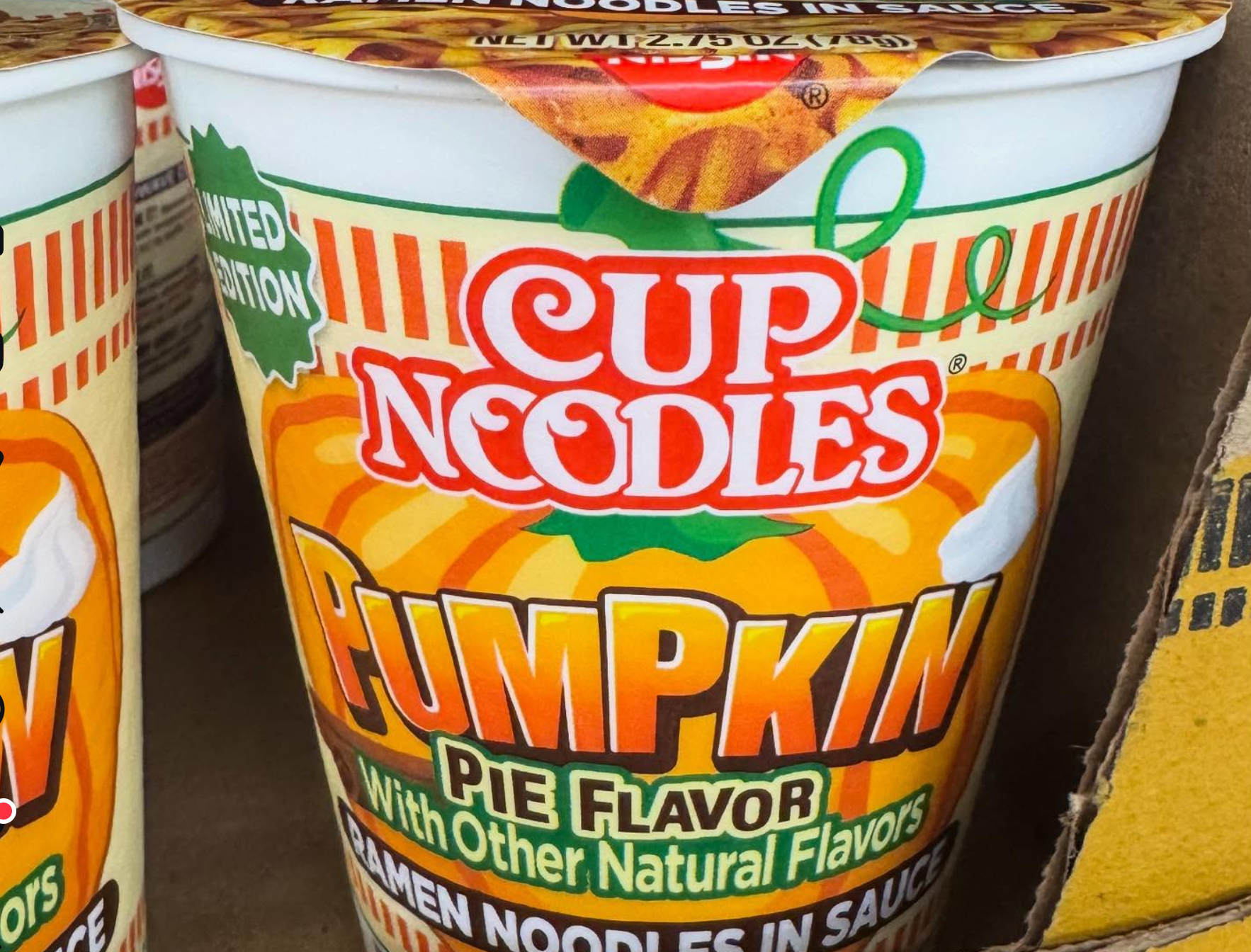
The operators who need flavor innovation consultancy the most are the ones least equipped to execute it. And that gap is a business.
The money: $3,500-$6,500 per flavor launch sprint, stacking to $100K-$300K/year with retainers. Low overhead, partially systematizable.
Inside:
• The co-packer sourcing advantage nobody has
• Three revenue layers from reports to retainers
• 30-day sprint playbook with exact week plan
• Why restaurant chains beat CPG as your wedge
The Gap Nobody Is Filling
The big players have internal trend desks, R&D teams, and ingredient supplier relationships that hand them quarterly flavor forecasts. A 3,000-location chain has a department for this. A 25-location chain doesn't.
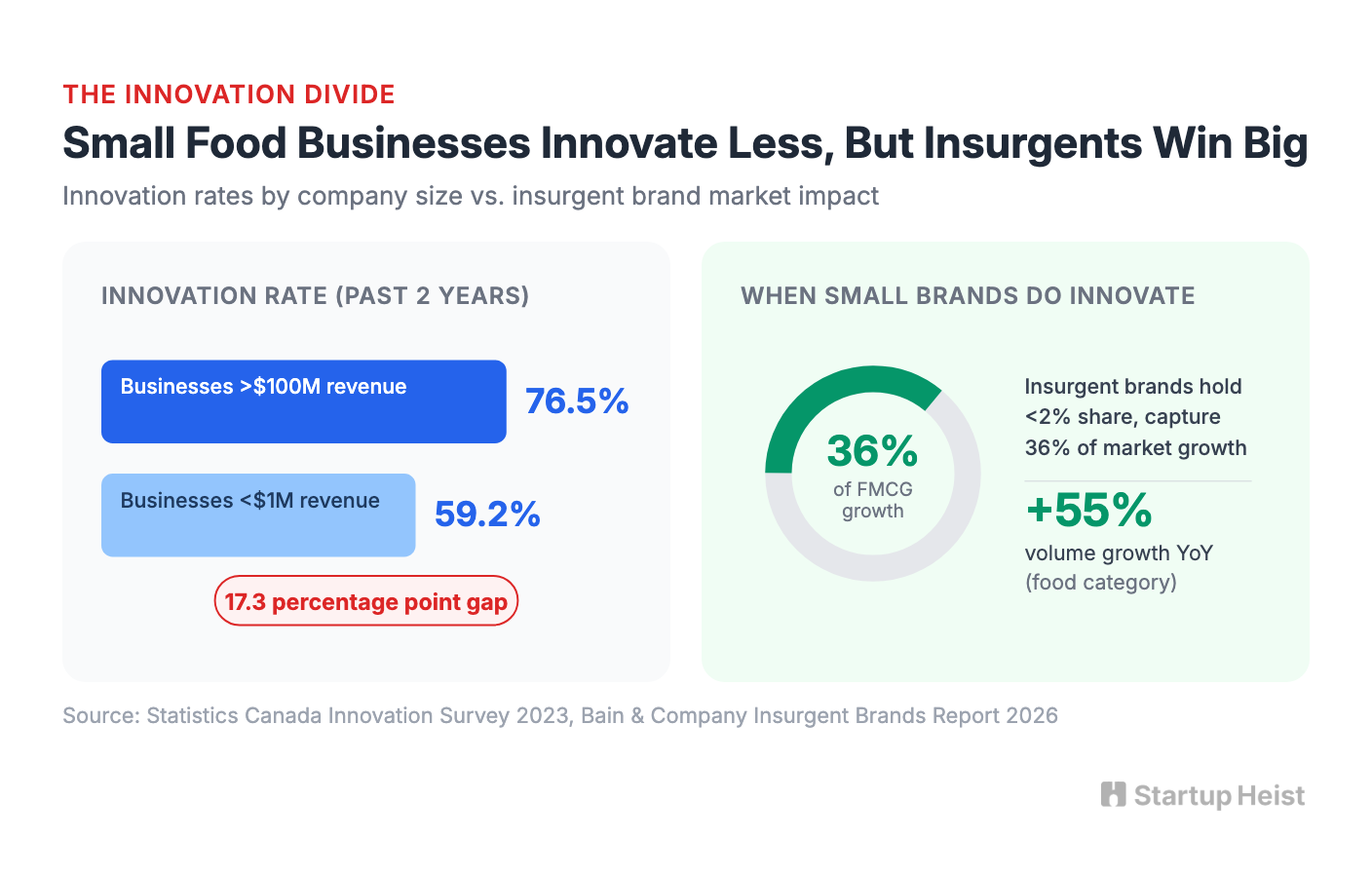
The scale divide is stark. Statistics Canada's 2023 innovation survey found that 76.5% of food businesses above $100 million in sales introduced at least one innovation in the prior two years, versus 59.2% of businesses under $1 million. And when smaller food brands do manage to innovate, the payoff is enormous. Bain & Company's 2026 insurgent brands report found that across all FMCG categories, insurgent brands captured roughly 36% of market growth despite holding less than 2% of share. In food specifically, insurgents drove 25% of category growth, with volumes up approximately 55% year over year in a market where overall volumes were flat. The demand for food trend consulting exists. The capability doesn't.
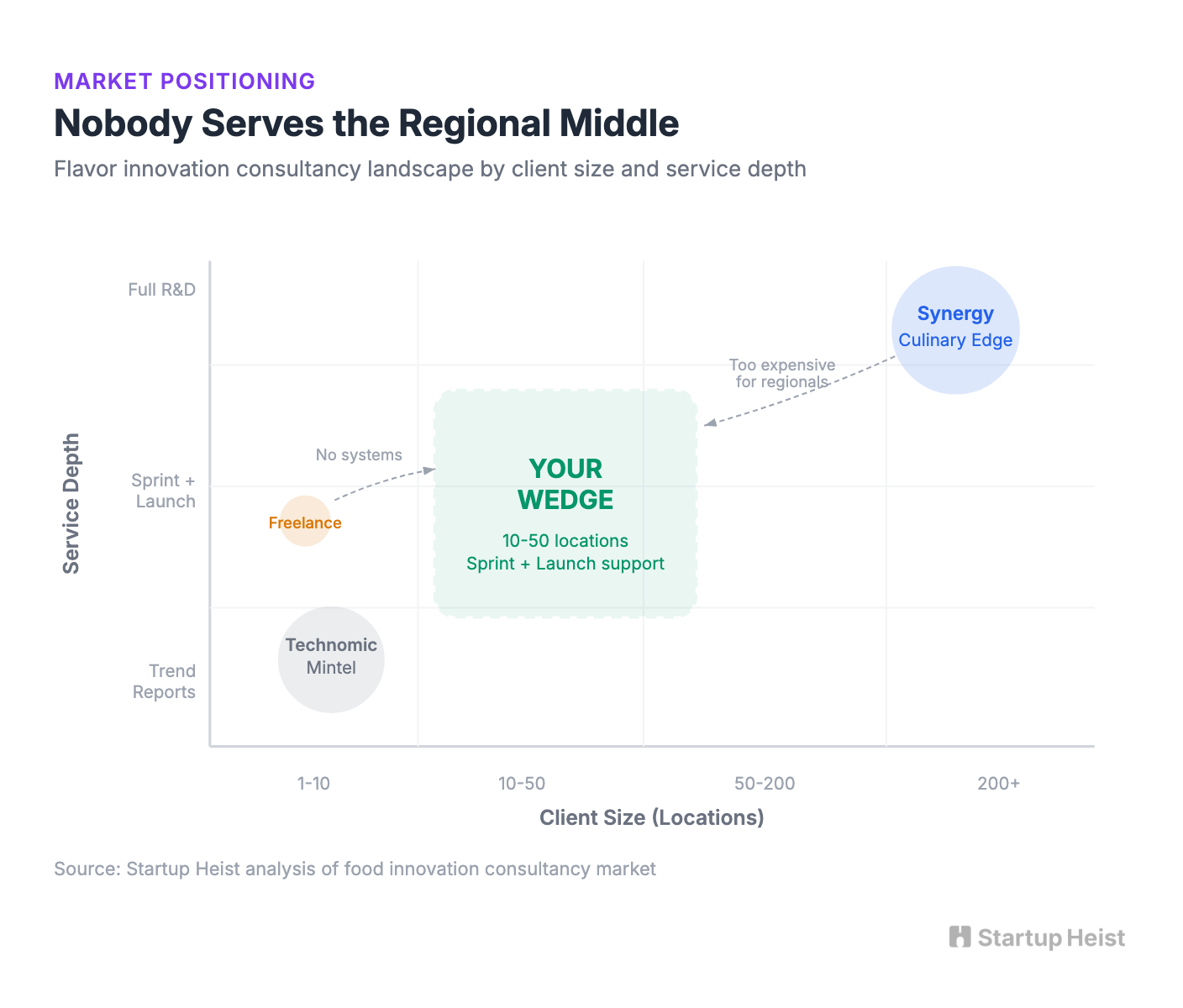
The existing consultancy landscape isn't built for the middle. Firms like Synergy Restaurant Consultants serve national chains with six-figure budgets and multi-hundred-location footprints. The Culinary Edge, one of the few boutique firms in this space, was acquired by CORE Foodservice in 2025. Its founder departed. The competitive field for trend-validated menu development at the regional level is thinner than ever.
Execution Over Trend Reports
Most founders will misread this space. They'll think the business is trend spotting: spot a weird flavor, design a concept, charge a consulting fee.
Trend spotting is getting cheaper every month. Anyone with TikTok, Reddit, and ChatGPT can pretend to be a flavor futurist. Knowing what's trending won't differentiate you.
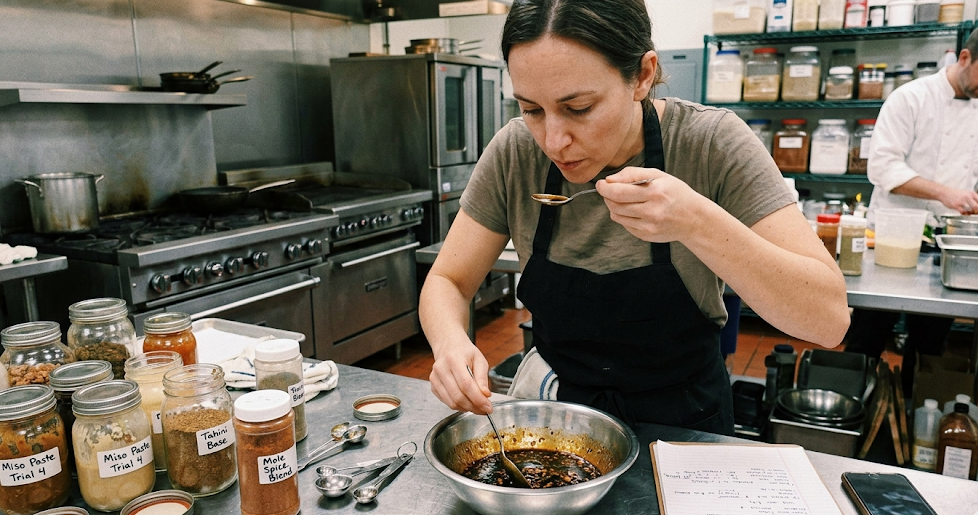
Your client doesn't need a PDF saying "miso caramel is hot." They need someone who can say: this flavor cluster is rising, this specific menu item fits your customer base, these are the ingredient and compliance constraints, these are the co-packers that can run it, and this is the lowest-risk way to test it before committing real money.
You're selling reduced regret. Placer.ai's 2026 restaurant outlook frames the market pressure clearly: the rising-tide era of post-pandemic growth is over. Chains need precision and cultural relevance. A productized consultancy that de-risks flavor innovation for smaller operators sits directly in that pressure zone.
Start With Restaurant Chains
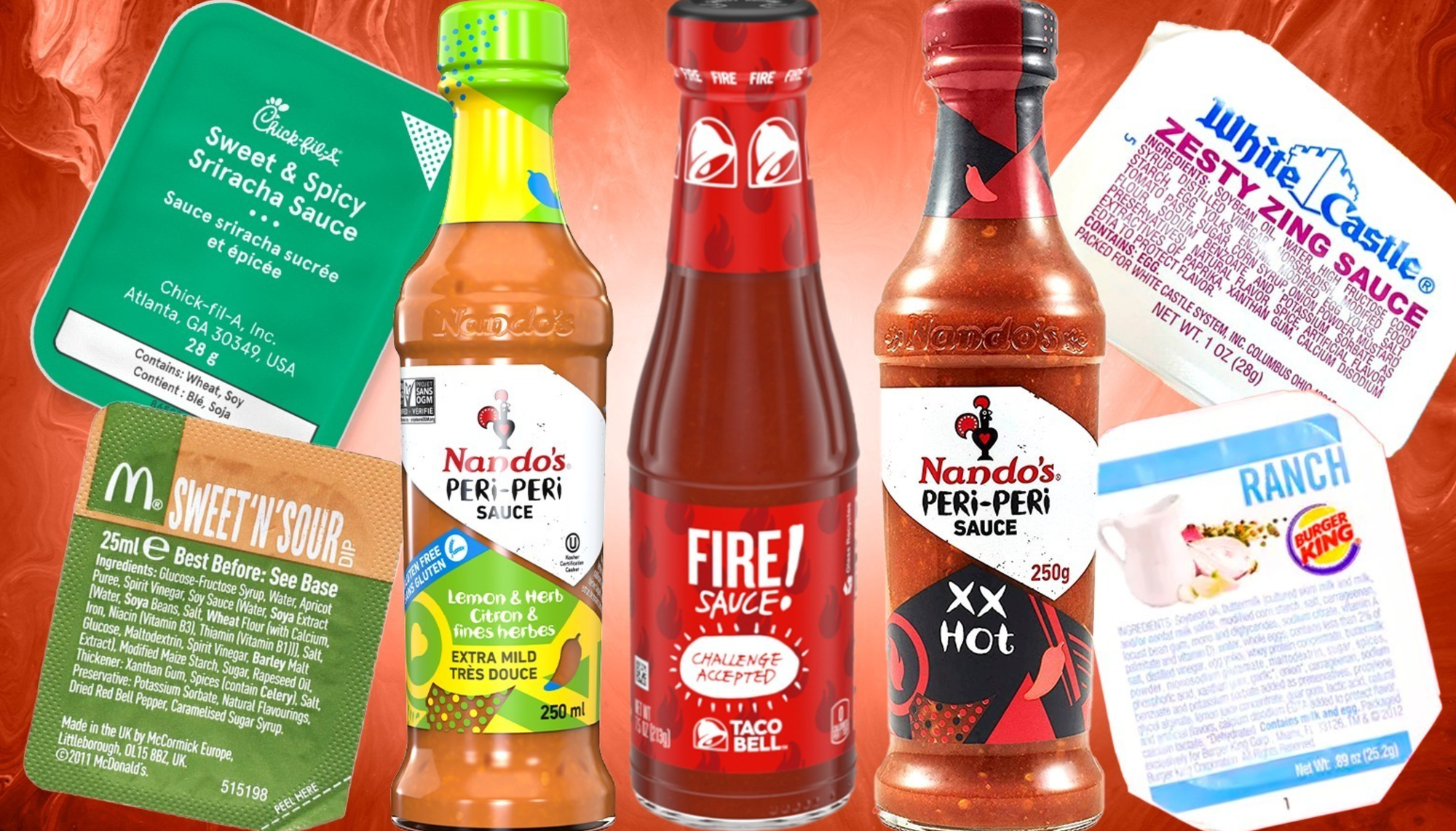
The strongest wedge is regional restaurant chains with roughly 10 to 50 locations. Restaurants have faster innovation cycles, clearer test environments, obvious success metrics, and a built-in distribution channel. If you help a 14-location chicken chain launch a black-garlic-honey dipping sauce, they can run it as an LTO, track unit movement, and decide within weeks whether it deserves a broader rollout.
Sauce brands can come as a second wedge, especially ethnic or regionally loved brands with existing local distribution. The manufacturing, packaging, and retail complexities are heavier. Get a few restaurant wins first.
Three Revenue Layers
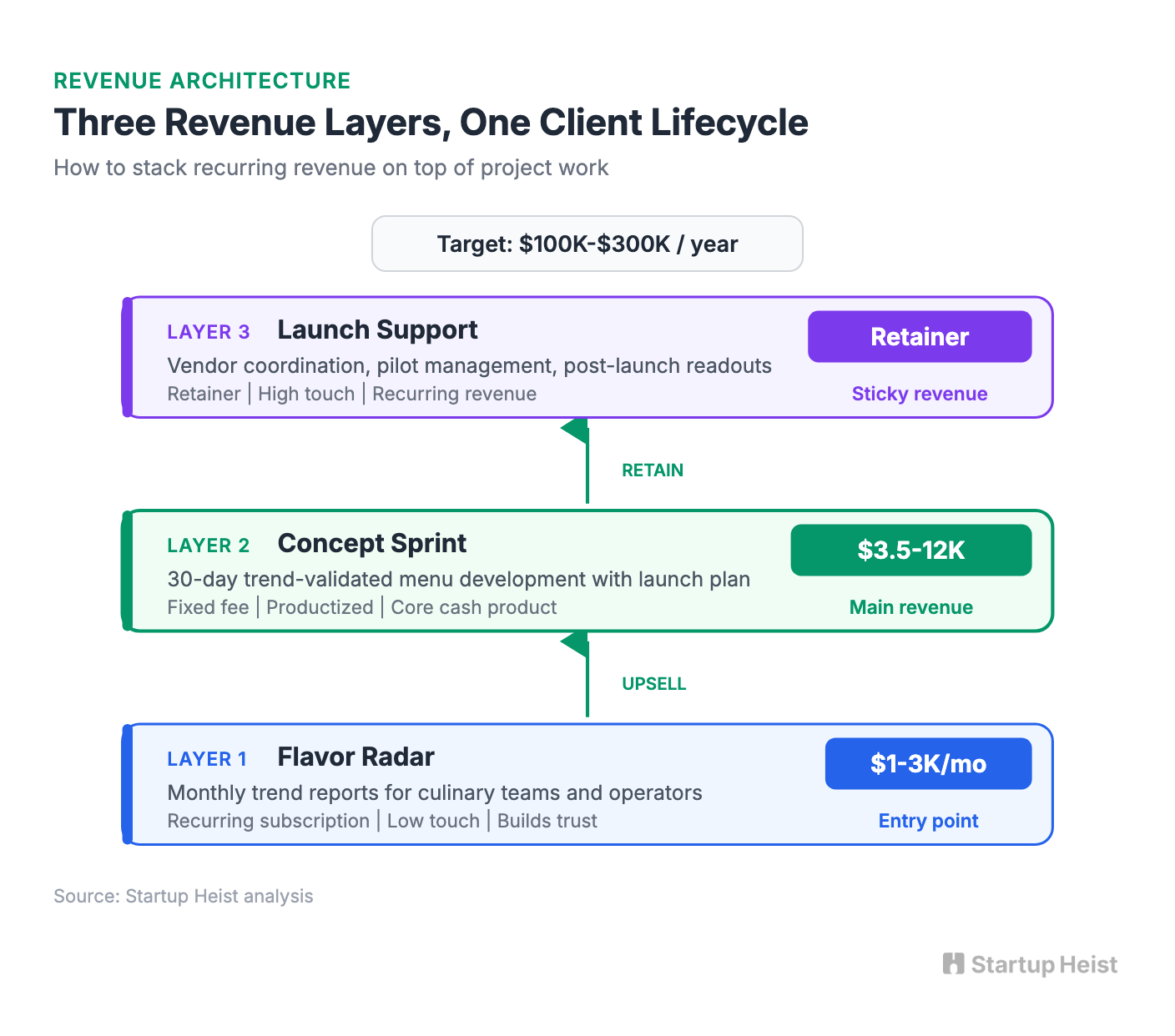
A smart version of this business stacks three distinct revenue streams.
Layer 1: Flavor Radar. A recurring subscription product. Monthly or biweekly reports on emerging flavor combinations, ingredient formats, menu movements, and collab patterns. Practical enough that a culinary director can act on it the same week. Sell to operators, marketers, culinary teams, and co-packers.
Layer 2: Concept Sprint. A fixed-fee productized service and the main cash product. Deliverables include a tailored trend brief, three concept directions, a recommended winner with naming and packaging direction, launch rationale, test plan, and a shortlist of feasible production or sourcing partners.
Layer 3: Launch Support. Retainer-based execution help. Vendor coordination, sample iteration, packaging feedback, pilot timeline, influencer seeding, menu or retail launch framing, and post-launch readouts. This layer turns the business from one-and-done project work into recurring revenue.
The MVP: Five Assets, No Software
Don't build software first. The MVP is a service with a database behind it:
Unlock the Vault.
Join founders who spot opportunities ahead of the crowd. Actionable insights. Zero fluff.
“Intelligent, bold, minus the pretense.”
“Like discovering the cheat codes of the startup world.”
“SH is off-Broadway for founders — weird, sharp, and ahead of the curve.”


