


For about a decade the most famous object in Washington was a hammer. The Pentagon paid $435 for it, the number drifted up to $600 in the retelling, and it became shorthand for everything wrong with defense spending.
The hammer cost $15.
The rest was an accounting choice. The contractor sold the military a bulk lot of spare parts and had to spread its engineering costs somewhere, so it spread them evenly. Every line item ate the same $420 of overhead, whether it was an engine or a hammer. The invoice printed $435 next to the word hammer, and Congress held hearings about it.

Nobody overcharged anybody. The total was correct. The allocation was the whole story, and nothing on that line let you see it. Which is the part worth stealing: the number at the bottom of a quote isn't a fact about the world, it's a byproduct of how somebody decided to build the document.
Three caterers do this to the same wedding without meaning to.
The first quotes $7,800, then stacks a 22% service charge on top, never mentions china or glassware, and charges $350 for delivery. The second says $8,450 and folds staffing, rentals and service into the number. The third wants $9,100 — for 125 guests, when you invited 100. Level all three to the same scope and the cheapest headline becomes the most expensive contract by about $800.

Corporate America fixed this decades ago. It's called bid leveling, general contractors buy dedicated software for it, and every version of it is sold B2B, to people with procurement departments. Nobody sells it to the couple. The average American wedding runs $34,000, and the person writing those checks gets Gmail and a spreadsheet.
Today's idea drags that procurement desk over to the couple's side and charges $59 for it. Solo build, six weeks, no funding. Upload the quotes, force them onto one scope, see the fees nobody listed. 5,000 customers is $295,000 a year. Twenty thousand clears $1.1 million, and there are 2 million American weddings a year to sell into.
Read the full playbook here:

Three wedding catering quotes, three different scopes, three sets of buried fees. Couples compare headline prices on a $34,000 purchase that nobody in the transaction was trained to read.
From the Vault:
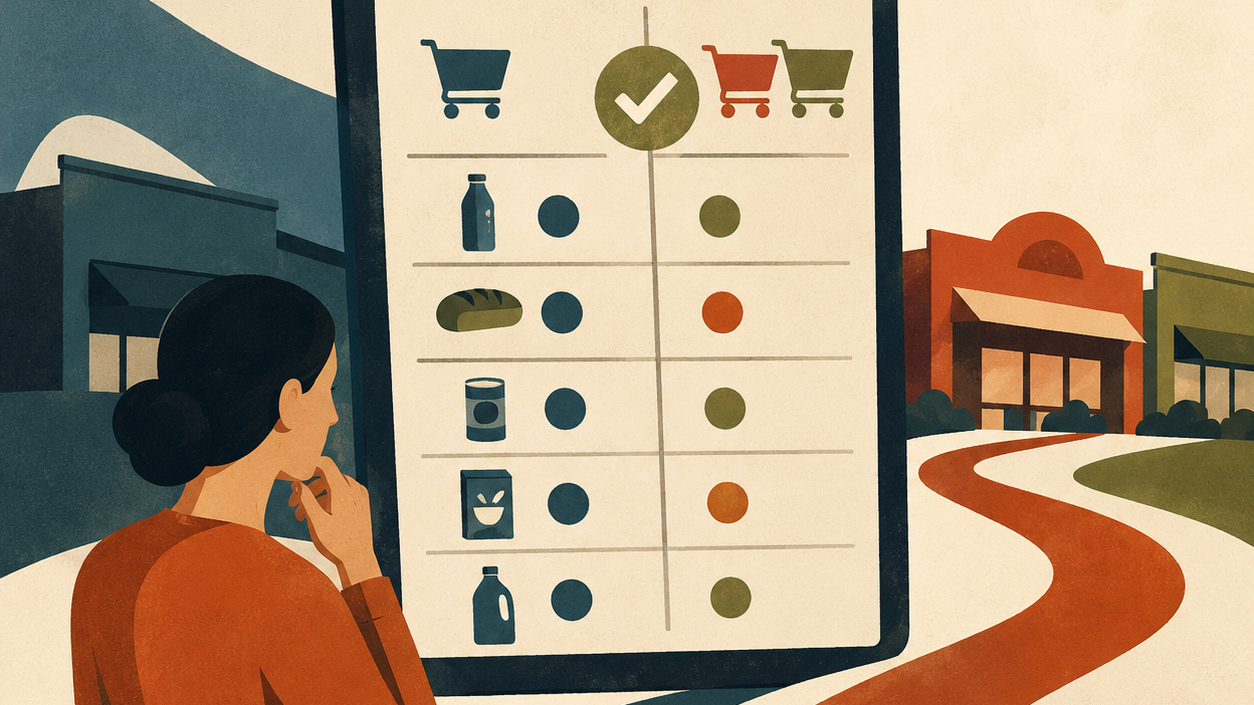
Grocery comparison apps went free and retained nobody. The unbuilt product prices a family's real weekly basket and decides whether a second store is worth the drive.

Every large U.S. broker must publish standardized execution-quality files before October. No central repository, no history, and no neutral layer between 85 reporters and the publishers who need them.


