


On December 1, 2008, reporters at the New York Daily News filed paperwork transferring the Empire State Building to a company called Nelots Properties.
Nelots is "stolen" backwards. That wasn't the only joke in the file. They listed Fay Wray as the witness, the actress King Kong carried up that building in 1933. The notary stamp was fake, cost thirty bucks, and carried the name of bank robber Willie Sutton.
The city register's office approved the transfer in under ninety minutes.
Nobody there was asleep. Clerks aren't required to check any of it. The office records what you hand them. The Brooklyn DA was prosecuting a pile of deed fraud cases built on exactly that.

The reporters gave the building back inside a day. A real thief wouldn't have. He'd have borrowed against a landmark he owned on paper for one afternoon and disappeared.
New York's system for proving who owns what didn't verify a thing. It just took dictation.
Rental listings have the same hole, aimed at people with a lot less cushion.
In August, the Jefferson County Sheriff's Office in Arkansas opened a case on a TikTok account renting a three-bedroom on East 41st Avenue in Pine Bluff for $900 a month. The house was real. The address, the photos, all real. The owner had never authorized any of it.
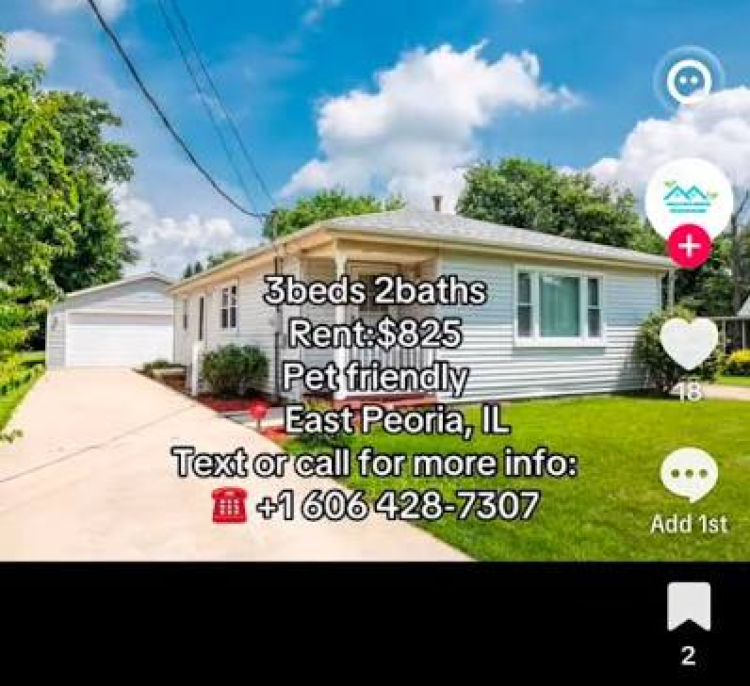
That's the whole modern rental scam. Lift a real listing, undercut the rent, swap in your own phone number, collect the application fees. Every fact a renter can check holds up. Nobody can check whether the person taking the money has any right to.
That same month, CNC Intelligence pulled 3,141 TikTok rental listings across 16 cities. The public record couldn't confirm something in 68% of them.
Today's idea is the check that runs before the wire goes out. Renters submit the listing and get back an evidence report on what does and doesn't reconcile. It never says the word scam. Universities, tenant nonprofits and relocation programs pay for it. Fifty of them at $399 a month is roughly $20K MRR.
Read the full playbook here:
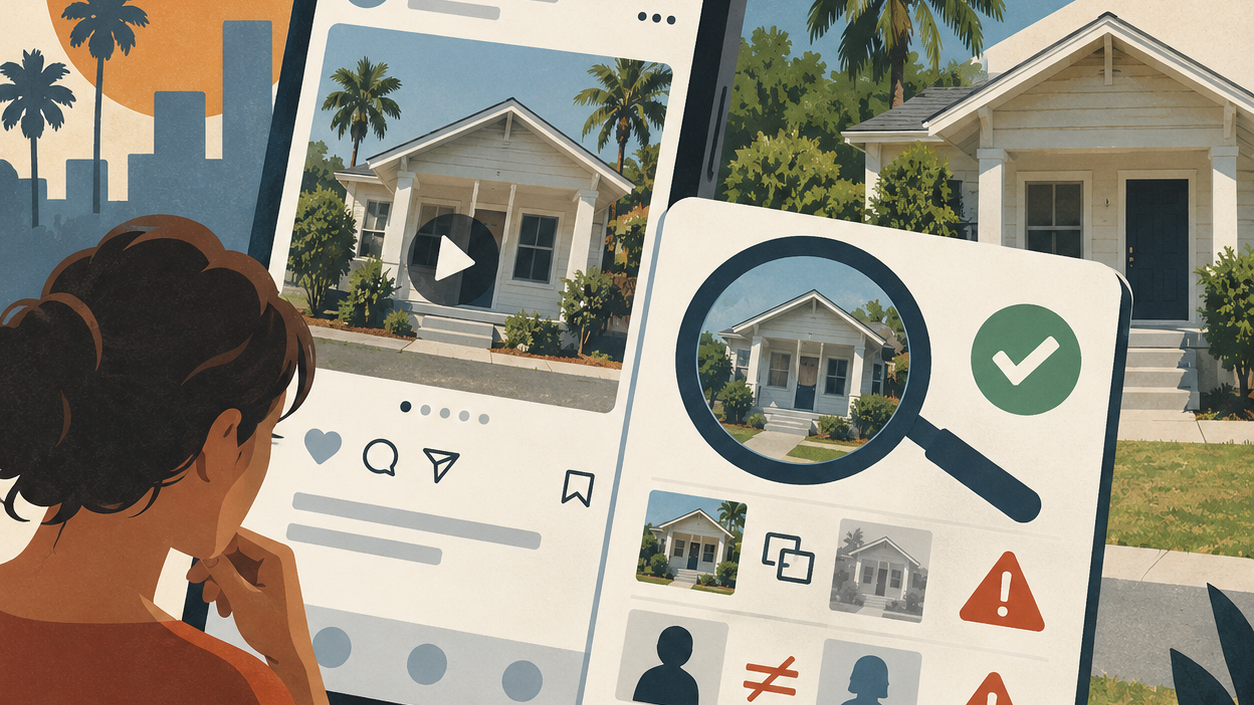
TikTok rental listings look real because the houses are. Sixty-eight percent fail a public-records check, and nobody sells rental scam verification to the renter about to wire the deposit.
From the Vault:

Day One and Apple already commoditized the private AI journal. The unclaimed layer sits underneath: a local, citation-backed reader for the Obsidian vaults and diary archives people already keep.
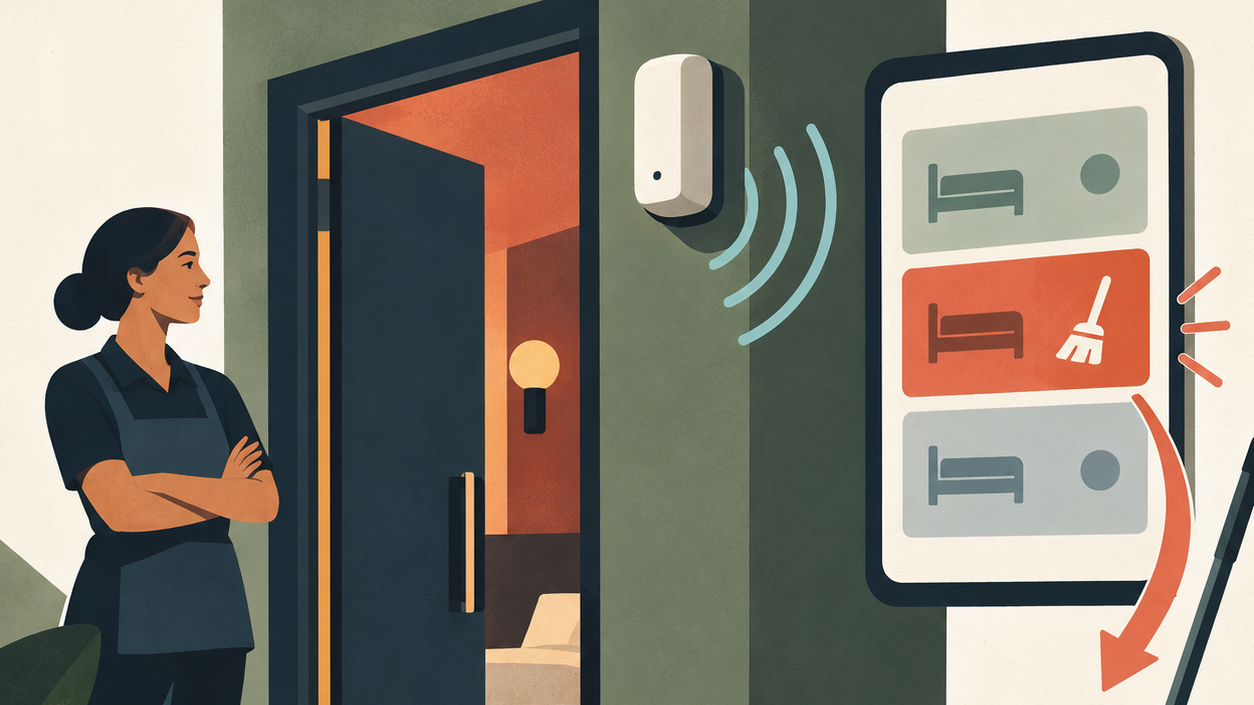
Wi-Fi and mmWave occupancy sensing is commoditizing fast. The business sits one layer up: turning a twelve-dollar sensor reading into the cleaning task a small venue will pay for.


