


William Wrigley Jr. showed up in Chicago in 1891, twenty-nine years old, to sell his father's soap. To get grocers to stock it he threw in free baking powder with every order.
The grocers wanted the baking powder. So he dropped soap and went into the baking powder business.
Then, to move the baking powder, he started giving away two packs of chewing gum with every purchase.
The gum outsold the thing it was attached to. In 1892 he launched two brands nobody remembers, Lotta Gum and Vassar, and gradually phased out the baking powder and the soap.
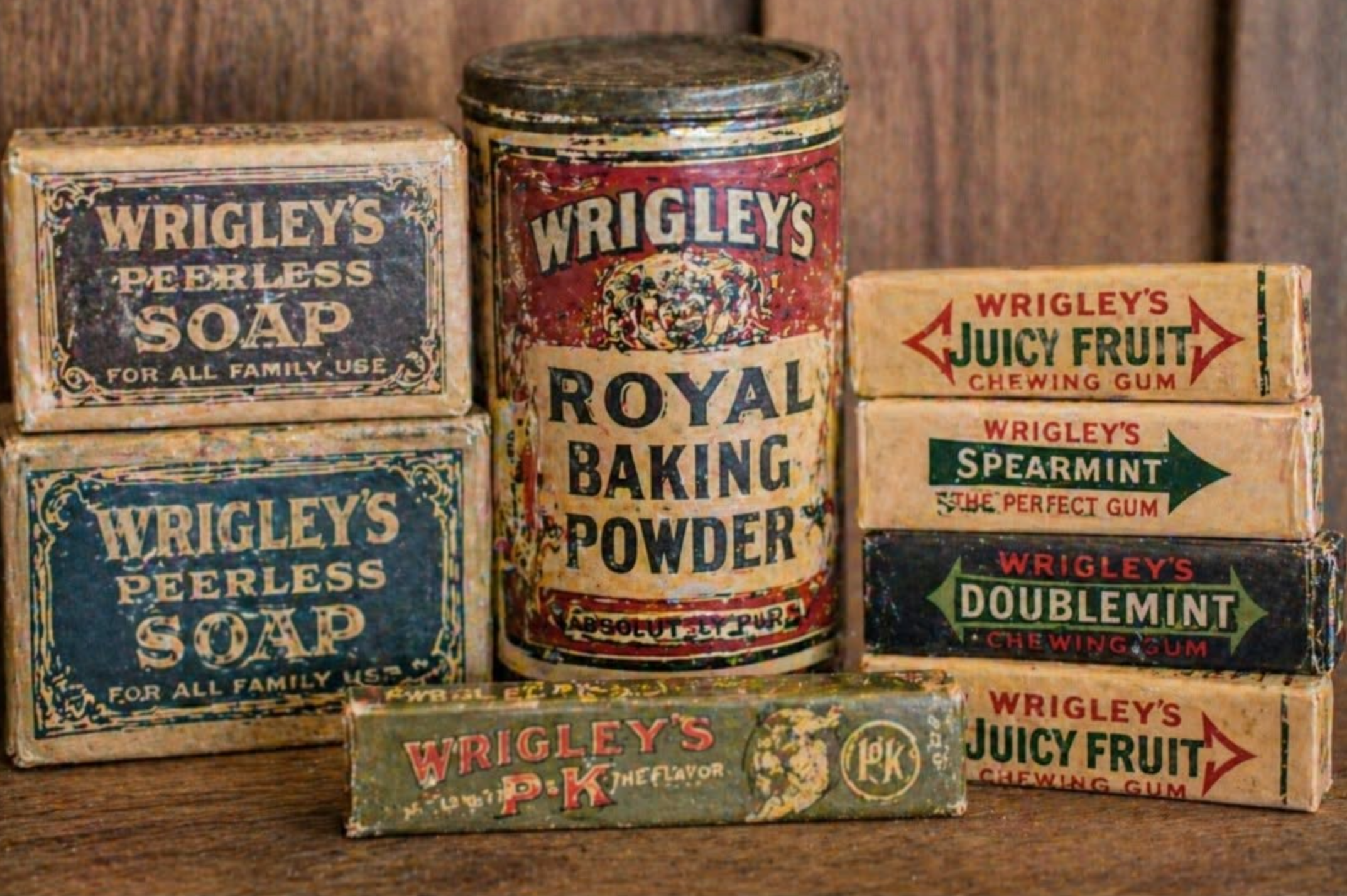
Twice the freebie turned out to be the business. Both times his customers figured it out before he did.
Orel Zilberman got the same lesson, delivered as a changelog entry. On April 8 Substack shipped native scheduling for Notes, and any indie tool whose pitch was "we schedule your Notes" watched its whole thesis evaporate. Zilberman had built WriteStack on exactly that hook, and he figured he was done. Customers who'd subscribed for the workaround started leaving.
He shipped an integration with the native scheduler inside seven days. Growth flattened anyway, two months of new signups barely outrunning churn.
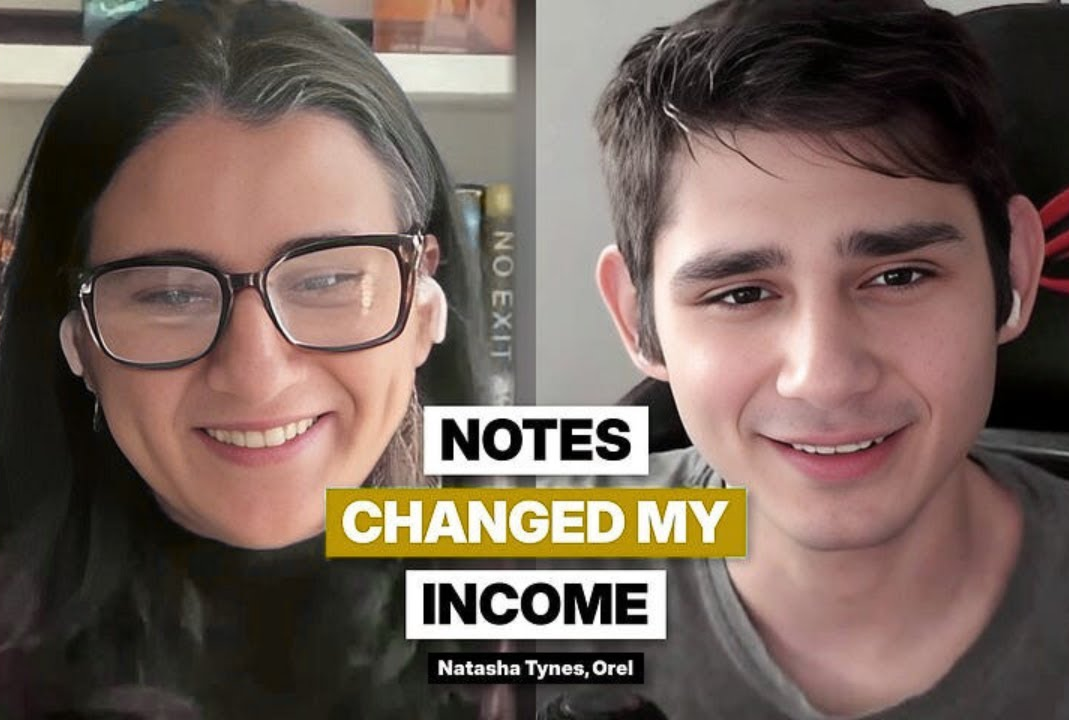
The customers who stayed had never really been there for scheduling. They wanted batch queues, link tracking, benchmarking, distribution across the other four platforms they publish on. By mid-August WriteStack was at $11,000 MRR, up from $1,000 in January.
So don't race the platform to the obvious feature. The loudest feature requests are sitting on its roadmap too, which means you're sprinting at a finish line a hundred engineers already drew. Let them ship it, then sell the operations layer underneath: campaigns, approvals, attribution. Five hundred operators at $29 a month is $14,500 MRR.
Read the full playbook here:

Substack shipped native Notes scheduling in April 2026 and WriteStack grew to $11,000 MRR anyway. The surviving business was never the scheduler. It was everything downstream of it.
From the Vault:

Whatnot is worth $20 billion and a16z-backed Palmstreet pays top plant sellers cashback not to go live elsewhere. Exclusivity clauses mark where a customer relationship is turning portable.

63 million Americans care for aging parents, 18 million around a shift schedule. Employers lose trained workers to a hospital discharge, and benefits brokers have nothing to sell.


