


For years a view on Netflix meant you'd watched 70% of the thing. Most of a movie, most of an episode. Actual commitment.
In January 2020 Netflix told shareholders it was moving to two minutes, which the company called long enough to indicate the choice was intentional.
Same letter, further down: the new number would run about 35% higher on average than the old one.
Nobody's viewing habits changed that January. Every show on the service just got 35% more popular.
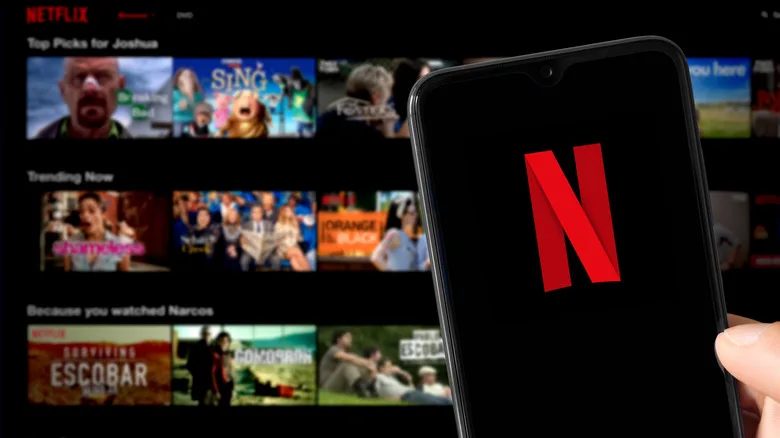
Then in June 2023 they did it again, switching to total hours watched divided by runtime. Three definitions of one word.
Netflix was never lying, either. All three numbers came off the same servers, and each answered a slightly different question. Netflix just got to pick which question the press release answered.
Every measurement is somebody's choice about what counts. Usually not ours.
On August 24 YouTube did the same thing to the creator economy, except with contracts attached. A public view now counts from the first frame, no watch-time minimum. The stricter old standard didn't disappear, it got renamed engaged views and parked in Analytics, which is still what YouTube pays creators on. Agentio ran more than 75,000 videos after the change and found public counts sitting roughly 67% above engaged counts.

So every rate card, CPM, view guarantee and performance bonus written around the word views now has two defensible answers, and the contracts were all signed back when there was only one. Somebody's going to eat that 67%, and both sides think it's the other guy.
Today's idea is the neutral party that settles it. Rate card resets at $199 a channel, campaign reconciliation reports, and the one-page contract addendum naming which metric wins. Twenty agencies at $600 a month is $12K MRR.
Read the full playbook here:

YouTube redefined the public view on August 24, and engaged views tell a different story. Creator sponsorship contracts, rate cards, and view guarantees now need a governing metric.
From the Vault:

Parcel data is commoditized. Nobody sells what homebuilders are actually buying this quarter, verified by phone and timestamped. A Charlotte-only network of builder buy-boxes runs $6K to $40K MRR.

Cactus Compute's Needle 2 runs a 45-million-parameter agent on a $45 Raspberry Pi. Camera-free elder care monitoring stops needing the cloud, and stops needing a $99 monthly subscription.


