


In 1982, a marketing professor named Ron Milliman walked into a Louisiana supermarket with a stopwatch and a hypothesis. He wanted to know if the music piped through the ceiling actually moved sales. So he ran a clean experiment: same store, same hours, same checkout staff. Only the music changed. Slow tempo one week, fast tempo the next.
The slow weeks averaged $16,740 per session. The fast weeks averaged $12,113. A 38.2% lift, locked into a peer-reviewed paper still cited four decades later.
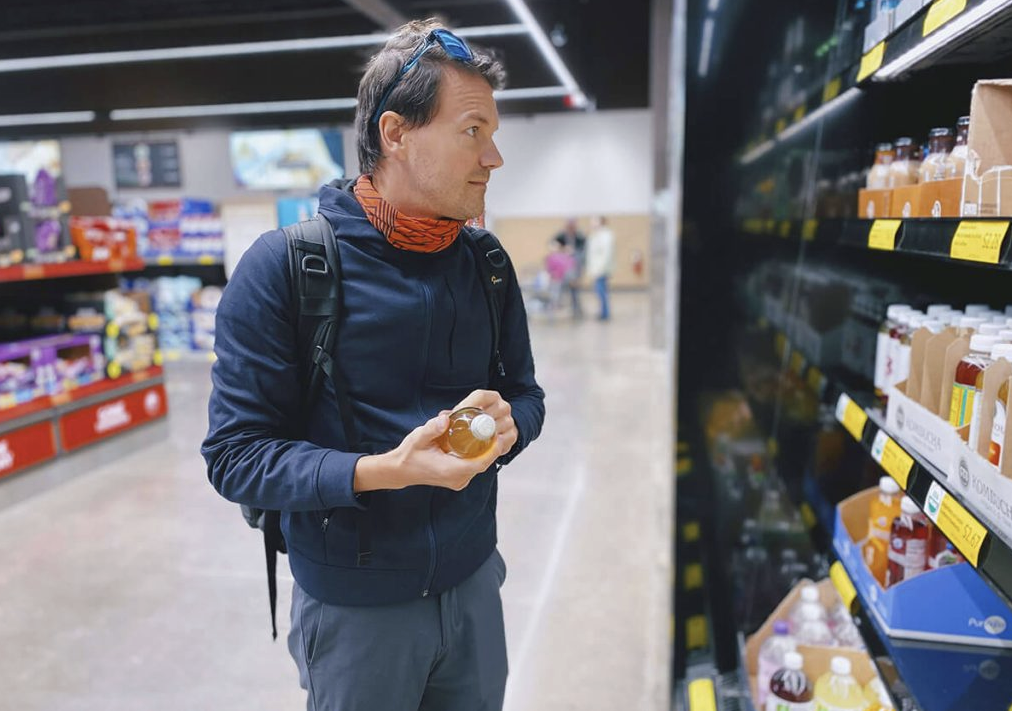
Slower music slowed shoppers down by nearly 20 seconds across the measured stretch. And slower shoppers, it turned out, bought more groceries. That ceiling speaker most managers forgot was even there? Quietly worth $4,600 per session.
So a marketing professor proved in 1982 that audio is a measurable revenue lever. Forty-four years later, 95,000 small retailers still don't run it.
That's the gap. Dollar General is rolling out AI-enabled, measurable in-store audio across 12,000 stores by Q2 2026 via QSIC. Vibenomics and Mood Media run the same play for Kroger, Albertsons, and Safeway. The enterprise tier is industrialized.
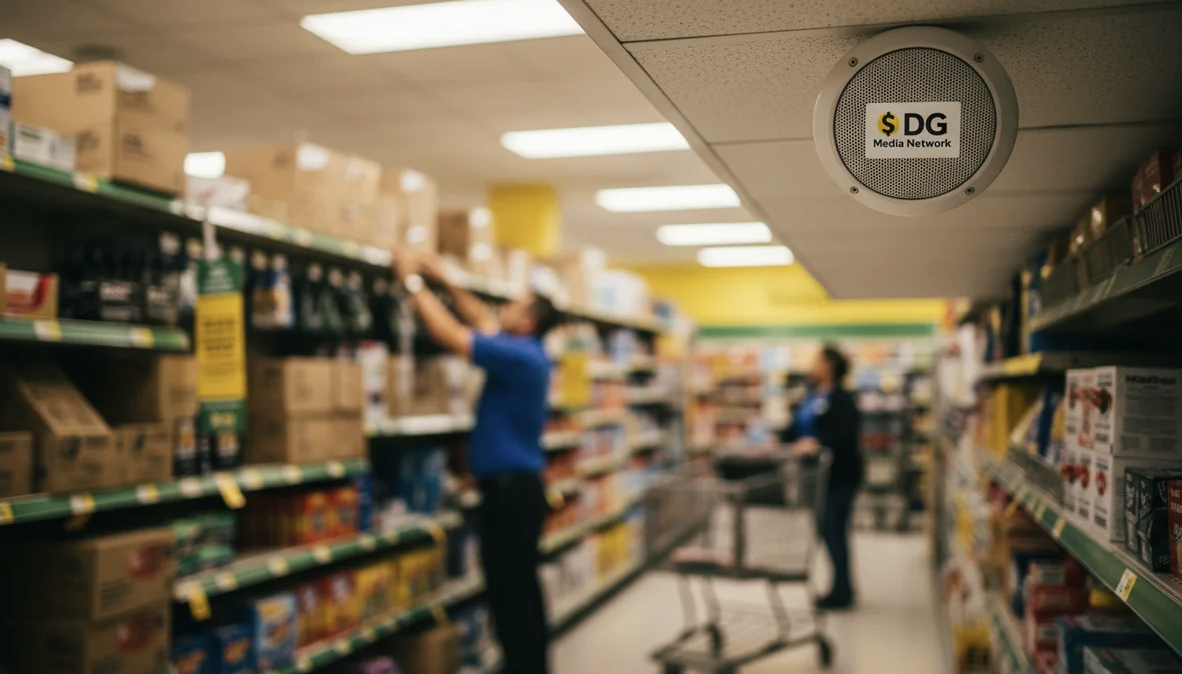
Below it sits the long tail nobody's serving:
- 95,000 convenience stores with 10 or fewer locations
- 55,000 car washes
- A pile of regional pharmacies and garden centers
These operators already own the speakers, the dwell time, and the vendor relationships. What they don't own is the software.
Today's idea: build the poor man's QSIC. Audio scheduling, AI voice generation, vendor-funded promos, basic sales-window measurement. Fifty stores at $199 a location is $10K MRR before the media layer kicks in. Layer in managed campaigns and co-op ad revenue, and a niche SaaS quietly turns into a regional retail media network.
Read the full playbook here:

Dollar General and QSIC industrialized in-store audio for enterprise chains. The 95,000 small convenience operators, car washes, and regional pharmacies below them have speakers and zero infrastructure to monetize them.
From the Vault:
Fifty thousand civic halls sit empty on weeknights while demand for community gathering space accelerates. No one in the U.S. is connecting the two.
TikTok's March 2026 Automotive Inventory Ads launch created a gap no enterprise vendor will fill: 53,000 independent used car dealers with dead channels and no operator to run them.


