


In 1977, a 23-year-old art-school grad named Cindy Sherman started photographing herself impersonating B-movie heroines. She set up the rooms. Did her own hair, her own wardrobe, sixty-nine black-and-white frames over three years. She wanted them to look "cheap and trashy, something you'd find in a novelty store and buy for a quarter." She priced them at $50 a piece.
The art world thought she was doing bad publicity stills. They were missing the whole point. Sherman wasn't shooting movies, she was shooting the artifact — the slightly off-kilter, found-on-a-card-table version of a glossy image. Fake amateur. On purpose.
In 1995, MoMA bought the full set of Untitled Film Stills for $1 million. Nineteen years later, Christie's sold 21 of them for $6.7 million. Over $320,000 a photo. Manufactured imperfection compounded into one of the most valuable photography careers of the era.
The polished version of an idea is rarely the one that travels. The believable one does.
That's the wedge under today's idea. Every brand creative on Earth is being asked to make work that looks "real" — awkward flash photos, mall-era textures, 2003 bedroom walls, disposable-camera lighting. And there's nowhere safe to buy any of it. Pinterest scraping gets you sued. Reddit hands you a viral mistake. Stock libraries still serve a smiling model under a "Y2K" filter that nobody believes. AI gives you a hallucinated approximation that legal will kill before launch. Reddit's 2026 KarmaLab report straight up tells brands to "embrace low-fi." Canva's 2026 trend report says searches for "lo-fi aesthetic" are up 527%. Everyone wants Sherman's trick. Nobody has her negatives.
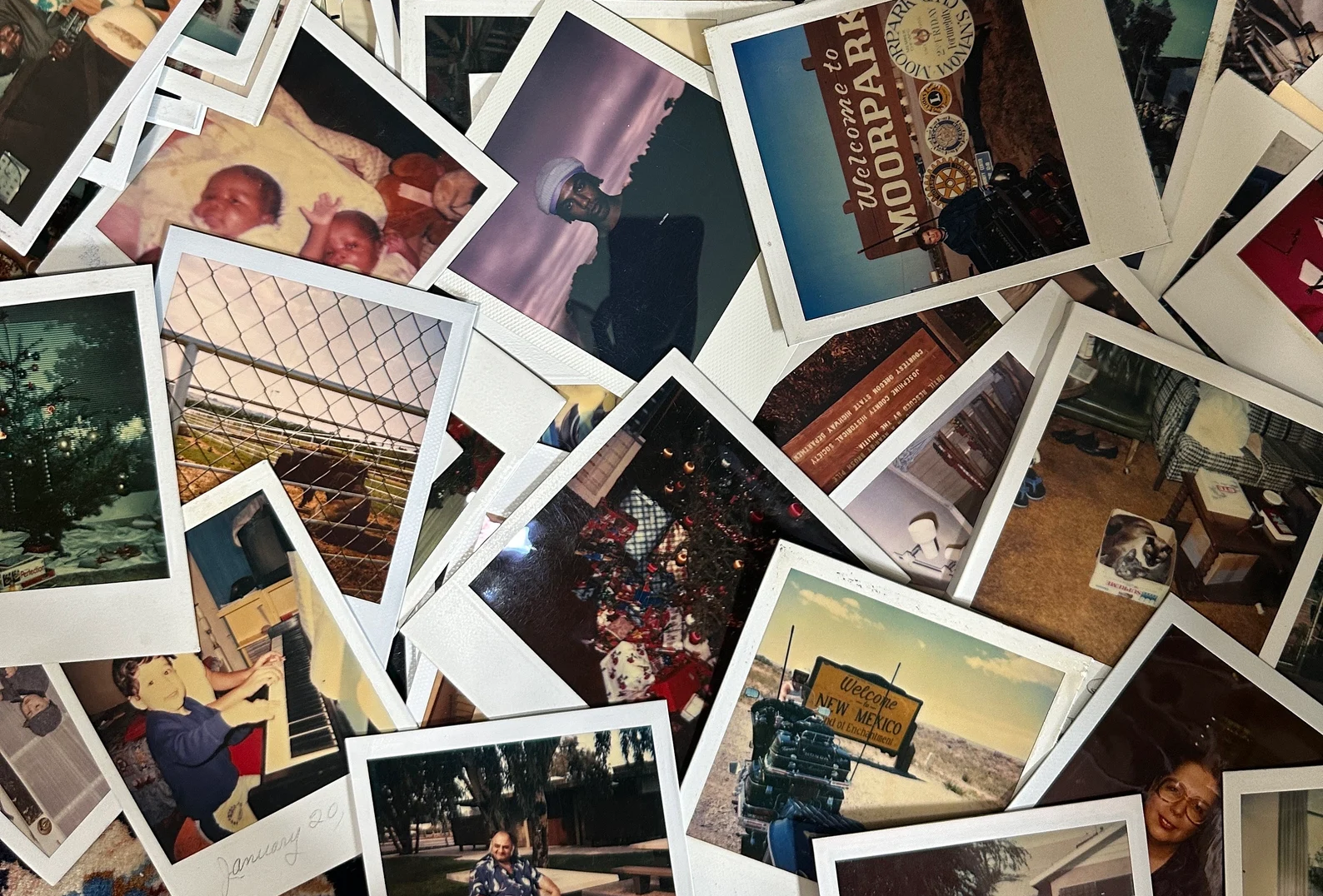
Today's idea is the rights-cleared archive of ugly nostalgia for creative teams. A $79/month searchable library of 1990s, 2000s, and early-2010s visuals: awkward flash, Y2K bedrooms, mall food courts, family-album textures, with structured rights metadata and trend research baked in. Stock photography is a $5.44B market. Two hundred studio customers nets ~$15.8K MRR before custom packs. The bigger play: rights-cleared visual texture for an AI-saturated creative market.
Read the full playbook here:
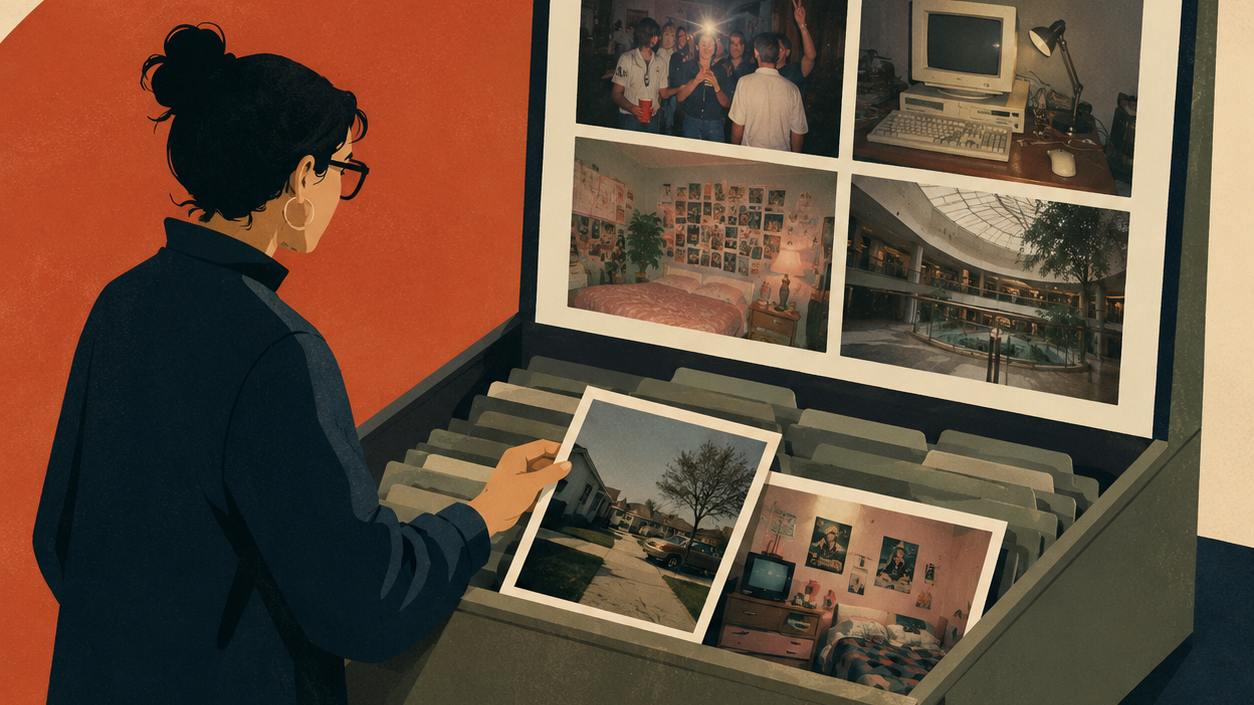
Brands want awkward flash photos, not polished retro — but real early-2000s visuals aren't commercially licensable. A rights-cleared ugly nostalgia library fills a gap Getty and Shutterstock won't.
From the Vault:
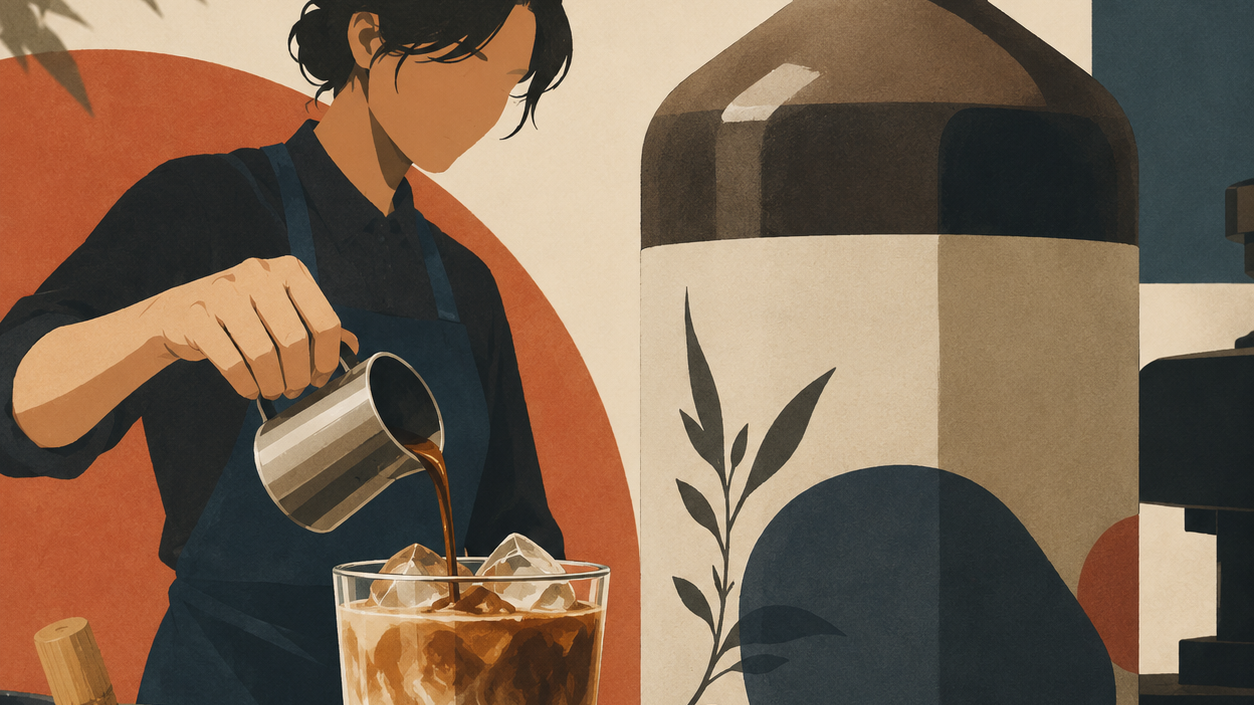
Matcha's 220% price spike left independent cafés exposed. Hojicha latte concentrate fills the menu gap — faster to prep, easier to source, $72K MRR at 300 accounts.
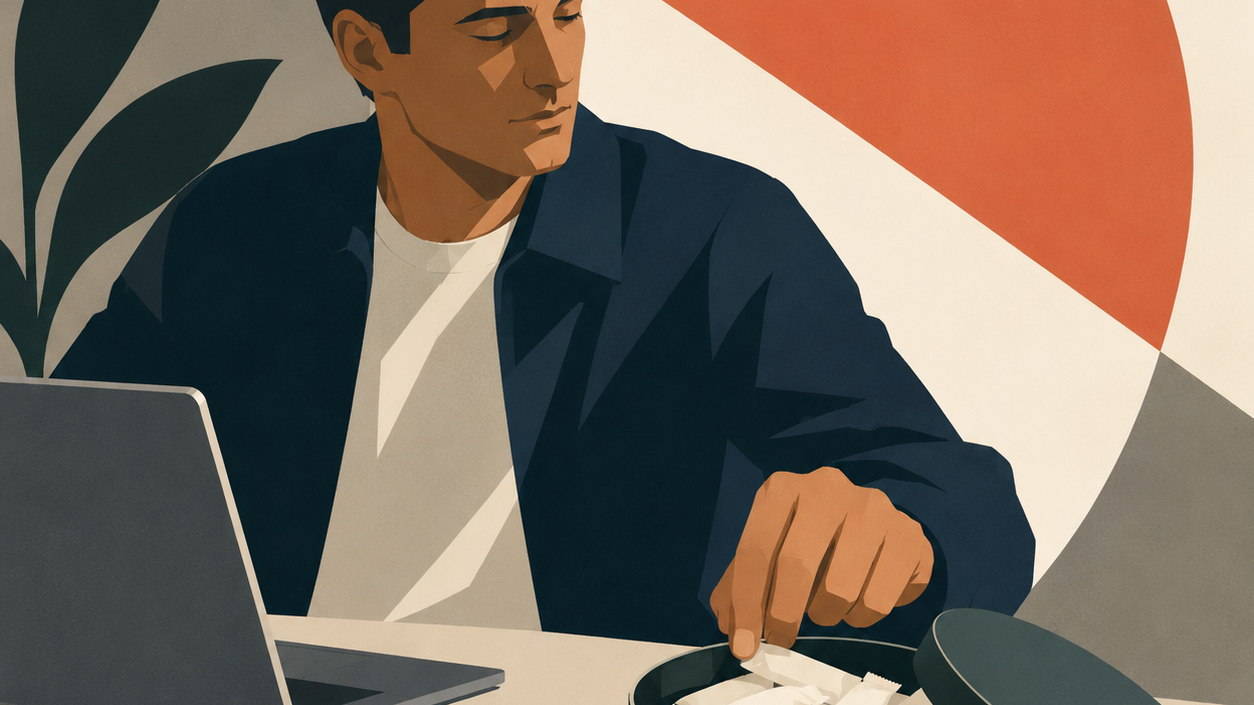
The nicotine pouch trend spread through tech offices and immediately created a liability problem. This is the B2B subscription built to fill that gap — caffeine and L-theanine, no tobacco, no HR memo.


