


A force plate is a slab of metal in the floor that measures how much weight a dog puts on each leg. It doesn't love the dog.
In 2012, Conzemius and Evans ran 58 arthritic dogs through a double-blinded, placebo-controlled trial and published it in JAVMA. Some dogs got treatment. Some got nothing dressed up as something.
Owners said their dog was moving better 39.7% of the time. On placebo.
Fine, owners are biased. They're watching their best friend limp. Except the vets did worse. Watching the same dogs walk, they called improvement 44.8% of the time. Pressing the joint for pain, 43.1%.
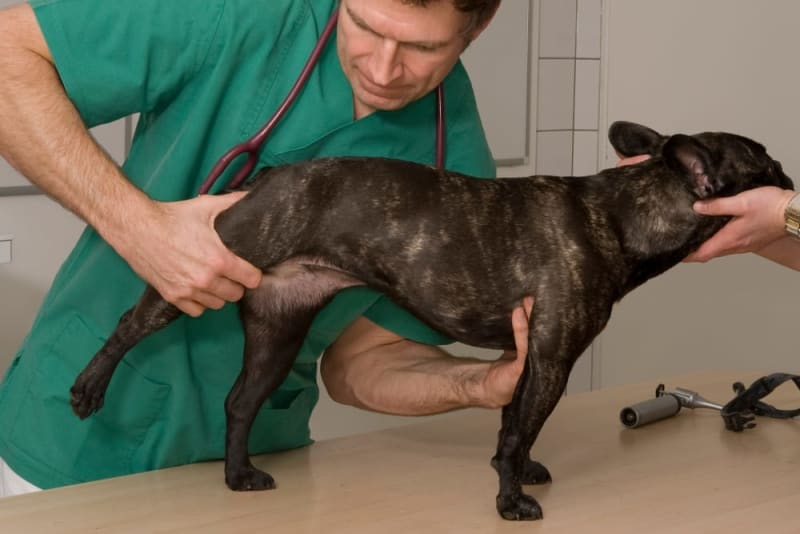
The plate disagreed with all of them. Of the 58 dogs, 46 hadn't changed at all.
The vets were trained for this and standing right in the room. Four times out of ten we still saw the improvement we wanted to see.
Take that out of the lab and into your kitchen. Bailey hesitates before jumping into the car, so you buy the joint chew. Two weeks later she seems better. Then the weather turns, she gains three pounds, the vet starts an NSAID, you switch her food, and someone in a golden retriever group swears by fish oil. Three months on, nobody can reconstruct the order any of it happened in.
Americans spent $158 billion on pets last year, $41 billion of it on vet care and products, across 71 million dog-owning households. The record for any one of those dogs lives in a worried person's memory and a camera roll of undated clips.

So don't sell dog longevity. Sell the clipboard. A senior dog health record with a veterinarian-reviewed evidence layer under every supplement and arthritis drug an owner logs. $39 for the visit kit, $69 a year after that, $199 a month for clinics. Five thousand households and 200 clinics runs past $800,000 a year, a real one-founder software business.
AAHA already tells practices to ask owners for video of the dog walking and a scored pain rating. The asking is happening. Nobody has built the place the answers go.
Read the full playbook here:
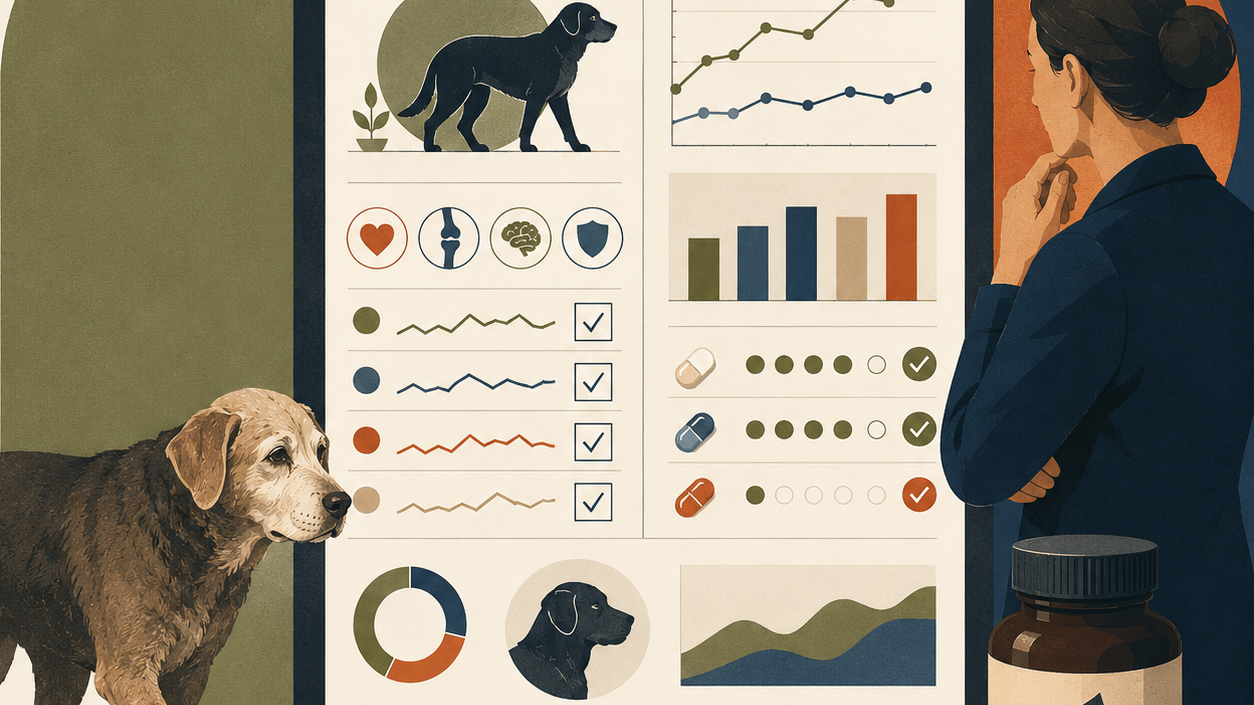
Pet owners now run rapamycin and peptides on aging dogs while the FDA logs thousands of Librela adverse reports. Senior dog care still lacks a record clinics can use.
From the Vault:

Card networks give cardholders 120 days to dispute a payment. The camera above the counter often overwrites the footage in 30. Square merchants selling watches, repairs, and resale sit in the gap.

Census data lags by years while storefronts turn over weekly. Open POI change files expose that gap, and multi-unit operators already budget for location intelligence upstream of site selection.


