


In the mid-1990s, McDonald's was trying to sell more milkshakes. They had done the things a company is supposed to do — pulled loyal milkshake buyers into focus groups, asked what to change, tweaked the recipe on the strength of the feedback — and sales hadn't moved.
So they hired Clayton Christensen, who sent his colleague Bob Moesta to watch. For several weeks Moesta stood at the back of one restaurant for eighteen hours a day, logging every milkshake sale: who bought it, what time, what else they ordered. Half of each day's business came in before the morning rush was over, from people who walked in alone, bought nothing else, and drove off slurping.
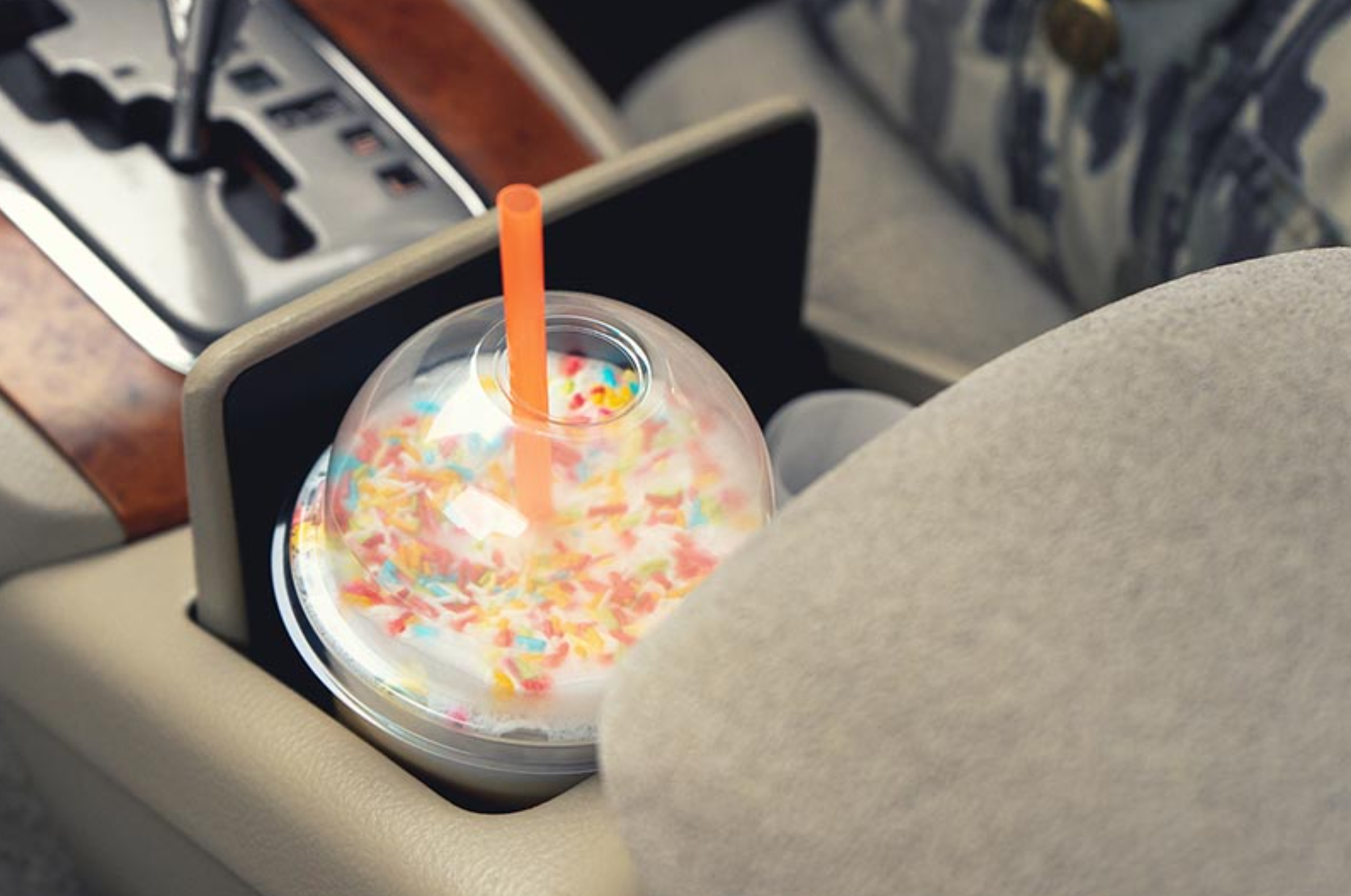
For months McDonald's had been benchmarking against other shakes. The real competitive set, Moesta realized, sat on an entirely different shelf: bagels, bananas, Snickers bars, anything a bored commuter could hold in one hand across a forty-minute drive. The milkshake won that contest because it was thick enough to last the whole commute, clean enough to spare the steering wheel, and substantial enough to feel like breakfast. The thickness did the work.
That lens kills most trend-spotting as a business. Trend reports describe what's selling; the useful question is what job a new menu item is actually doing for the operator launching it. When a regional chain greenlights miso-caramel anything, the decision is rarely about miso caramel. The LTO is hired to prove the brand still has energy, earn local press, and de-risk the next full menu rotation. None of that shows up on a flavor forecast.
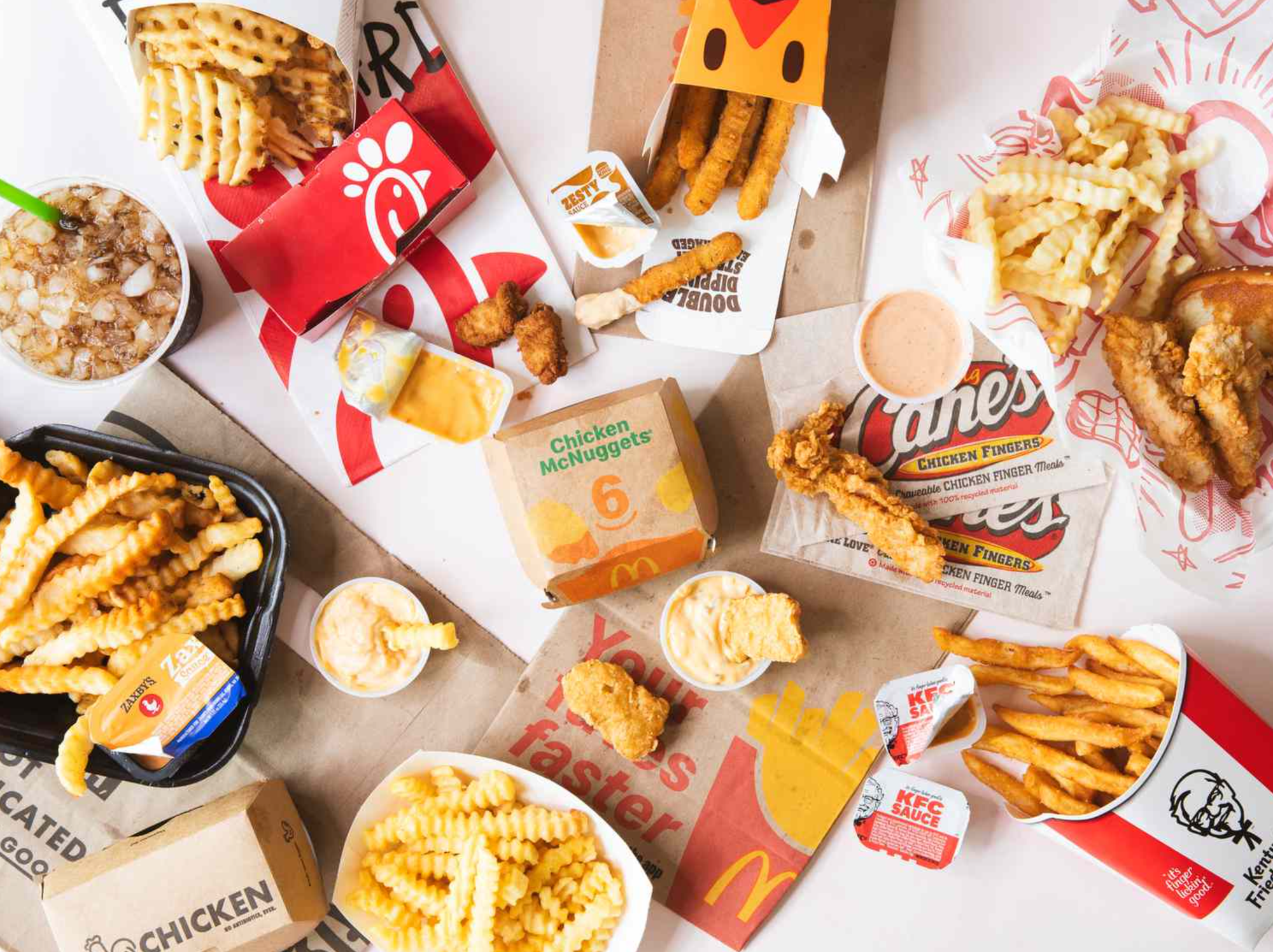
Today's playbook is an execution-aware consultancy built around exactly that thinking. A productized flavor sprint for regional chains of 10 to 50 locations: three concept directions, one recommended winner, a vetted co-packer shortlist, a 30-day launch memo. $3,500 to $12,000 a sprint, retainers stacking to $100K–$300K a year. The big consultancies abandoned the middle when Culinary Edge got absorbed in 2025, and the chains that need this most can't afford the ones that remain.
Read the full playbook here:

Regional restaurant chains need trend-validated menu innovation but can't afford big consultancies. A productized flavor sprint service fills that gap at $3,500-$12,000 per engagement.
From the Vault:

The U.S. secondhand market hit $61B in 2026, but resale software still can't tell you whether an item is worth your time — only what it might sell for. That gap is the opportunity.

Millions of solopreneurs hold real wealth in digital form — SaaS products, domains, affiliate income — with no probate infrastructure to handle it when they die. That gap is a service business.


