


In July 2024, Mango ran a campaign called Sunset Dream across ninety-five markets without paying a single model to shoot it. The teen-line garments were photographed alone on a table, and a generative model trained on those photos produced everything else: the editorial lighting, the styling, the bodies wearing the clothes. Nobody in the campaign actually existed.
The backlash hit on schedule. TikTok creators called it false advertising, the Model Alliance warned it would gut entry-level work, and within about a week the cycle moved on. A year later H&M was rolling out thirty digital twins of its real models, Vogue had run a Guess editorial built around two AI women named Vivienne and Anastasia, and New York had quietly passed a law regulating AI likeness rights in fashion. What read as a controversial stunt in 2024 was running as boring back-office plumbing twelve months later.

That's how these shifts in fashion usually settle. One brand crosses a visible line, the protest runs its short course, and the rest of the industry crosses behind them, one company at a time.
Which means the capability itself stopped being the moat. Turning a flat-lay photo into a clean on-model shot is now table stakes; Botika, Studioify, and a dozen others already sell that piece. The real money has moved up a layer, into the workflow built around the imagery.
Nowhere is that workflow more visibly broken than in the secondhand resale economy. A power reseller on Depop, Poshmark, or Vinted is burning eight or more hours a week on photo prep alone, and every platform expects its own crop ratio and its own aesthetic register. Most sellers shrug, shoot each garment once, and upload the same image to all four marketplaces.
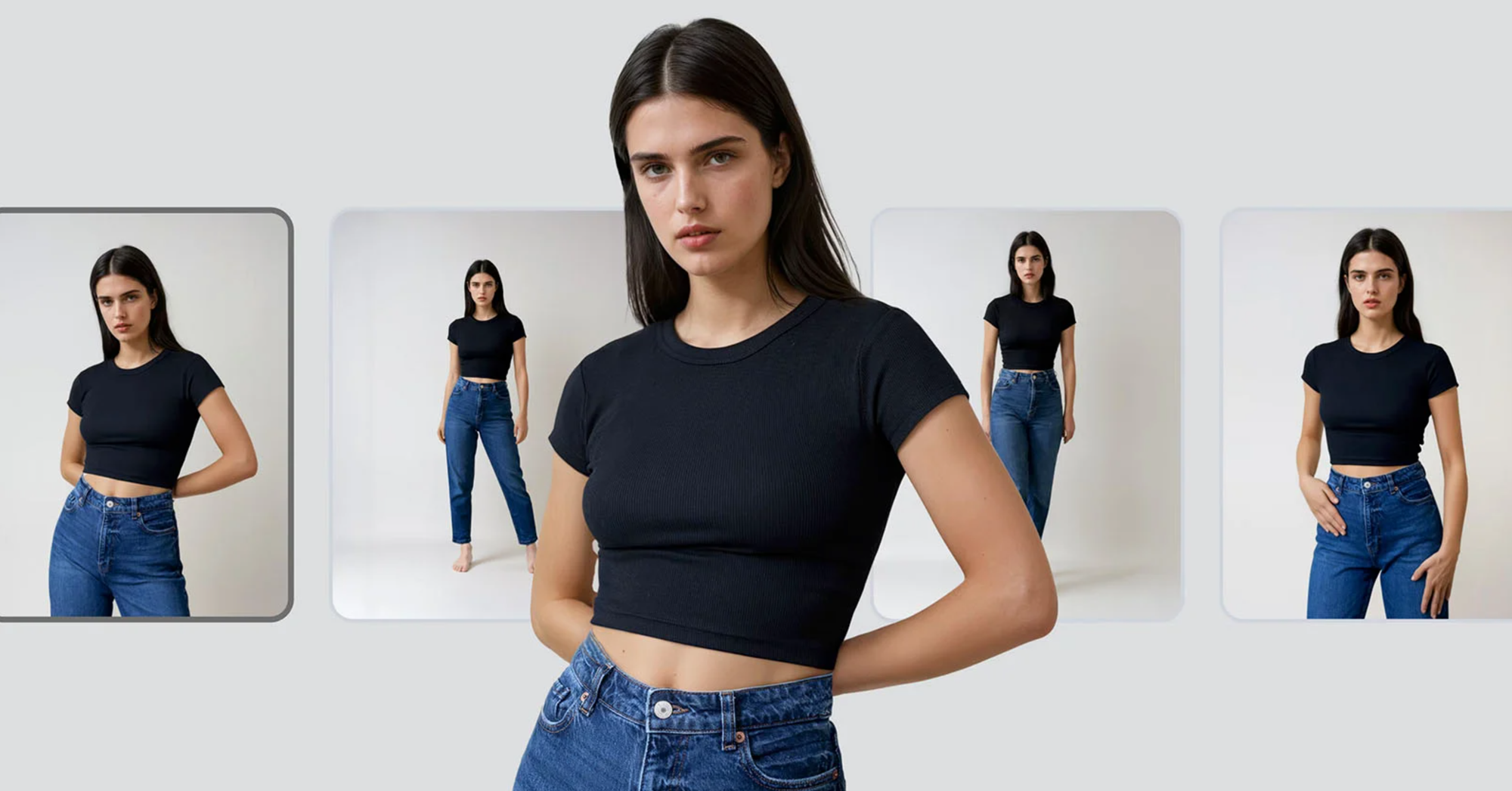
That's the opening. An AI ghost-modeling SaaS built around marketplace presets — Depop Editorial, Poshmark Clean, Vinted Casual — that takes ugly reseller source photos and outputs platform-native listing packs. Five hundred serious sellers at $29 a month is $14,500 in MRR, and the visual layer is finally cheap enough for a solo operator to wrap a real workflow around it.
Read the full playbook here:

The secondhand market hits $393B by 2030, but power resellers still burn 8+ hours a week on photo prep. No platform has solved the visual layer — yet.
From the Vault:

Parents in high-income suburbs can't find good weekend events — they're scattered across six websites and three Facebook groups. One Thursday text fixes that.

Serious account takeover risk has moved downstream to creators and small online businesses. Most cybersecurity content still targets professionals. The gap is real, underserved, and commercially viable.


