


TLDR
A "calm display" that becomes the household's single source of truth — without turning your hallway into an iPad casino.
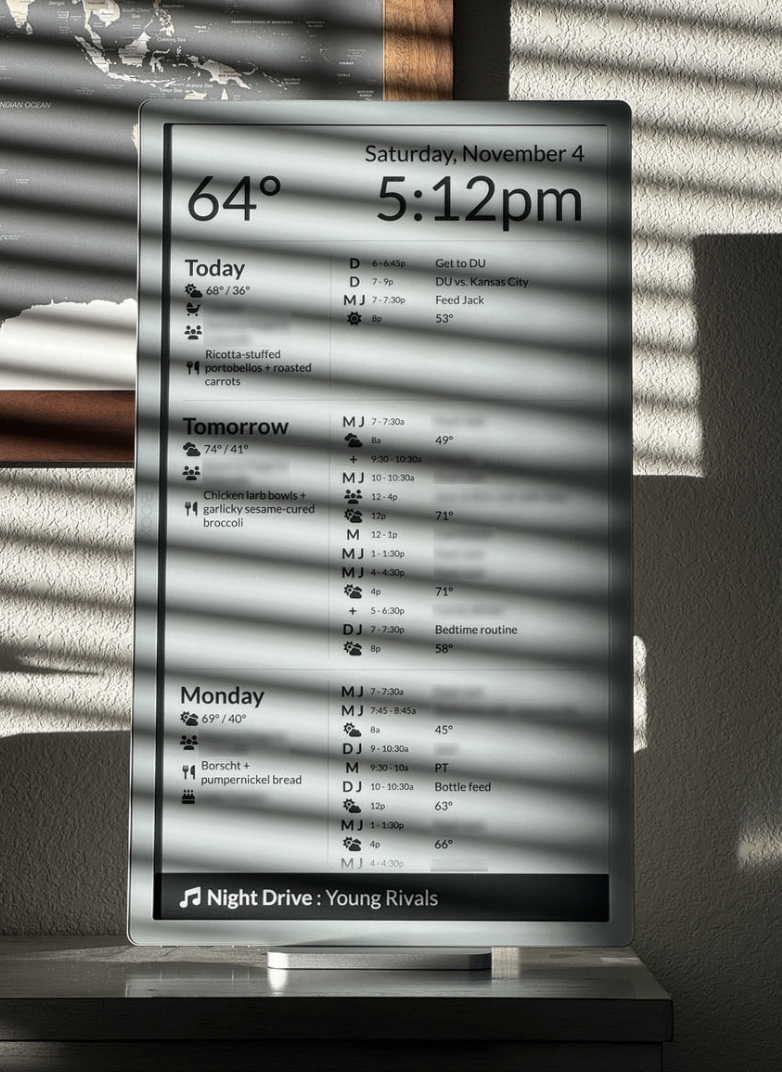
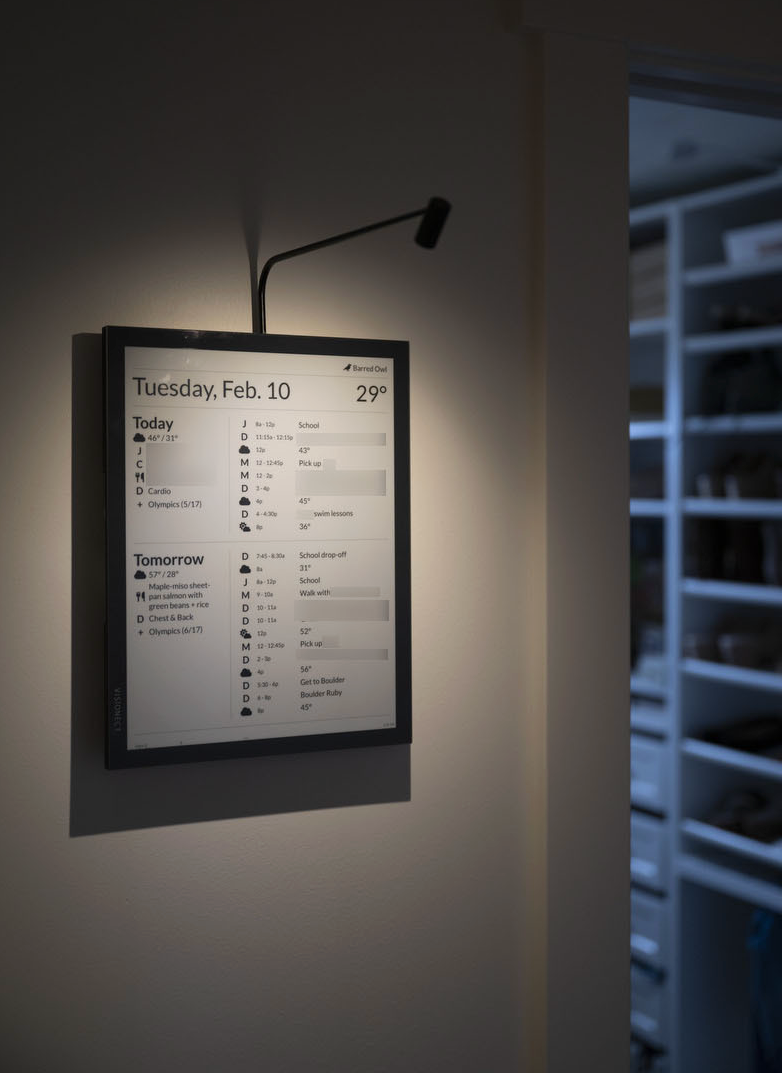
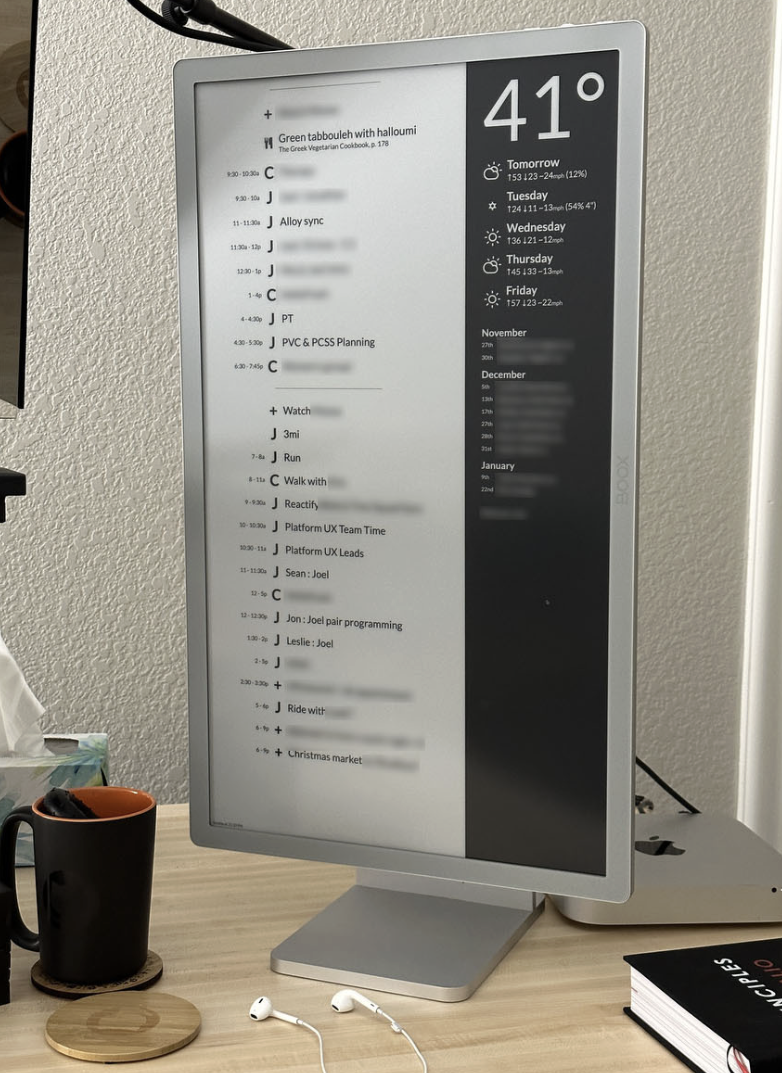
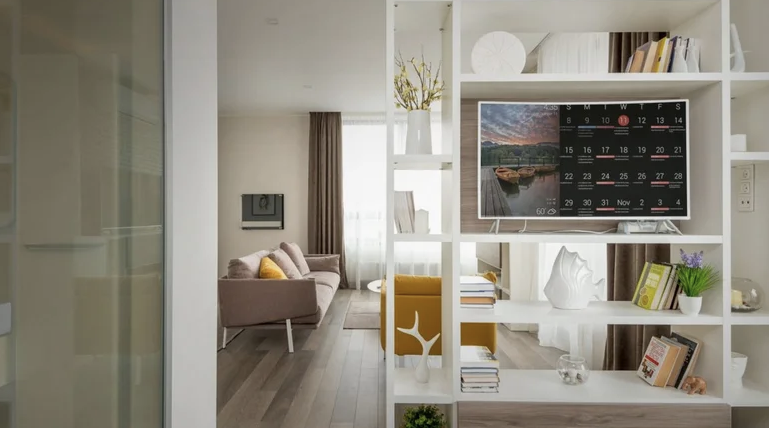
A decade-long hobby project called Timeframe just broke out of the nerd pocket and into something bigger. Joel Hawksley, a software engineer in Colorado, published a detailed write-up of his family's e-paper dashboard: a wall-mounted display combining calendar, weather, and smart home data into a single, glanceable surface. The project has survived a house fire and a full rebuild. When the post hit Hacker News, it pulled 850+ upvotes and 200+ comments full of "how can I buy one" energy.
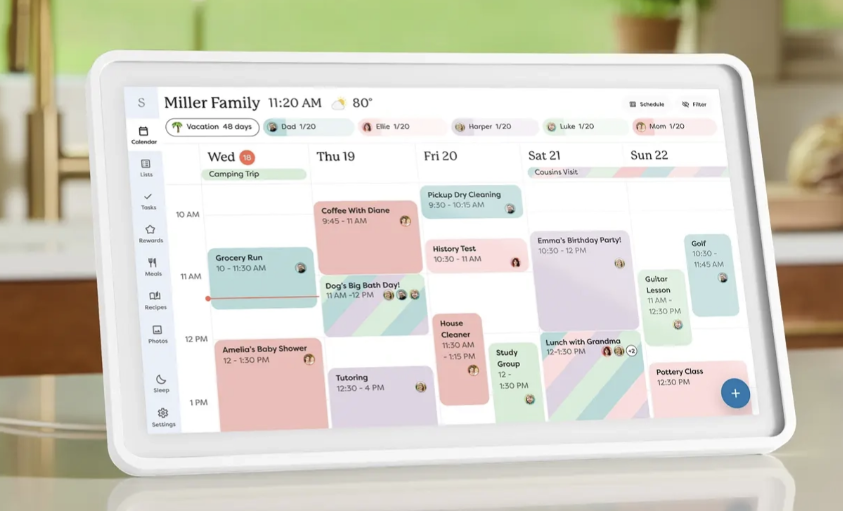
That kind of organic demand signal typically precedes a breakout consumer product. And the economics are already proven: Skylight, the closest comp, just posted 99% year-over-year revenue growth and secured a $50 million debt facility — bootstrapped and profitable.
Forget "an e-ink calendar." The real opportunity is owning the status layer of the home: a deliberately boring, always-on household OS that reduces coordination friction for non-technical families. School events, pickups, meals, trash day, visitors, family decisions — all visible at a glance without pulling out a phone. If you're hunting for a consumer SaaS idea with recurring revenue, proven demand, and a clear wedge against funded incumbents, this is one of the more compelling family tech startup concepts we've come across.
The market is already paying for this
Skylight has grown to over 9.3 million users, nearly 1.5 million units sold, and just secured a $50 million debt facility to scale inventory. Bootstrapped and profitable for nearly a decade. Hardware starts at $299. The Skylight Plus subscription ($79/year) unlocks the real value: "Magic Import" parses emailed event details, PDFs, and school announcements into calendar entries. The company is actively developing an AI family assistant and rewards system.
DAKboard sells wall-mounted smart displays at $500–$600 with tiered subscription plans starting at $4.99/month. Nearly 100 native integrations. Their audience skews prosumer, which is both a strength and a ceiling.
TRMNL sells a 7.5-inch e-ink dashboard at $139–$154 with no subscription, an open plugin ecosystem, and battery life measured in months. Distribution through SparkFun and Seeed Studio, with B2B partner sales already generating revenue. It also ships a BYOD DIY kit, proving enthusiasts will happily bring their own hardware when given a URL-based display.
The takeaway: consumers pay hardware prices ($150–$600) for dedicated home displays, they pay recurring for "family ops" features, and the market supports multiple price points and form factors.
Why now
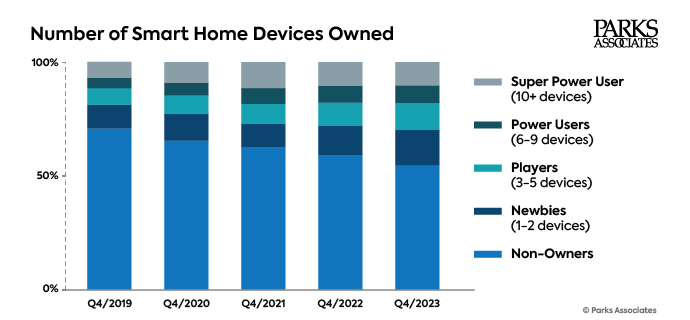
Smart home adoption crossed critical mass, but the interface layer is missing. Parks Associates reports that 45% of US internet households have at least one smart device, with mainstream, non-enthusiast households now dominating adoption. Horowitz Research puts the figure at 48%. Families with children make up over 60% of those households. All these connected devices still lack a unified, ambient "read layer." A wall-mounted dashboard becomes the simplest way to unify home context, especially for household members who aren't opening twelve apps to check if the garage door is closed.
The "mental load" problem has gone mainstream. Skylight's own research found that household mental load consumes over 30 hours per week. Apps like Maple, Cozi, and Nori compete for this on phones — but the phone is where distraction lives. A dedicated, ambient display that passively surfaces "what matters right now" solves the problem at a different layer entirely.
Calm technology is a defensible wedge. Skylight added photo frame mode, rewards, and AI assistants. DAKboard offers near-infinite configurability. Both keep stacking features, interaction, and screen time. Going the opposite direction — no scrolling, no apps, no touch by default — is a product philosophy that's hard to copy when your competitors' business models reward engagement. Timeframe's decade of iteration proves the most useful home screen is the one you barely think about.
From "display" to household status layer
Ship "a nice dashboard on e-ink" and you get cloned inside of six months. Ship Ambient Family OS and you own a category primitive:
Unlock the Vault.
Join founders who spot opportunities ahead of the crowd. Actionable insights. Zero fluff.
“Intelligent, bold, minus the pretense.”
“Like discovering the cheat codes of the startup world.”
“SH is off-Broadway for founders — weird, sharp, and ahead of the curve.”


