


In May 2018, Sundar Pichai stood on stage at Google I/O and played a phone call.
The Google Assistant was calling "a real hair salon" to book a women's haircut. It said "um." It paused like a person. When the receptionist asked it to hang on a moment, it answered "mm-hmm," and the crowd laughed.
The receptionist apparently never figured out the caller was software.
Pichai's pitch was simple: 60% of businesses didn't have online booking set up. No booking page? The robot would just call.
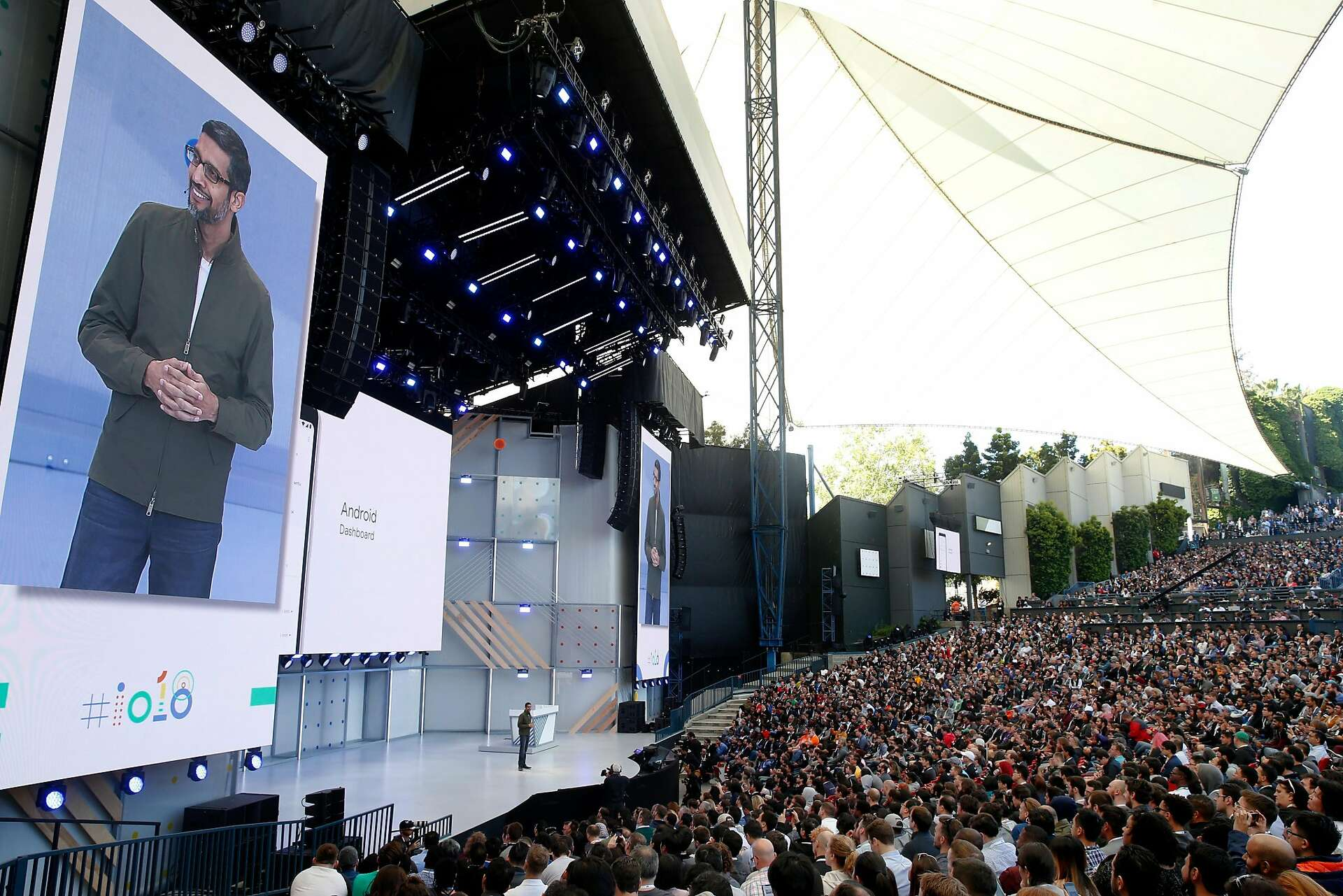
Not everyone clapped. Zeynep Tufekci called it "horrifying," and within days Google said the system would be "appropriately identified."
Eight years later, the robots are calling for real. In September, Meta's Muse expanded a beta of outbound calls to U.S. businesses. Instinct added phone calls too, and it gives every user's agent its own email address for booking.
And the salon on the other end? Same mess as always:
- The booking form rejects a foreign phone number.
- Color correction looks bookable until the description says it needs a consultation first.
- Someone asks a question, nobody answers in time, and a ready customer drifts off.
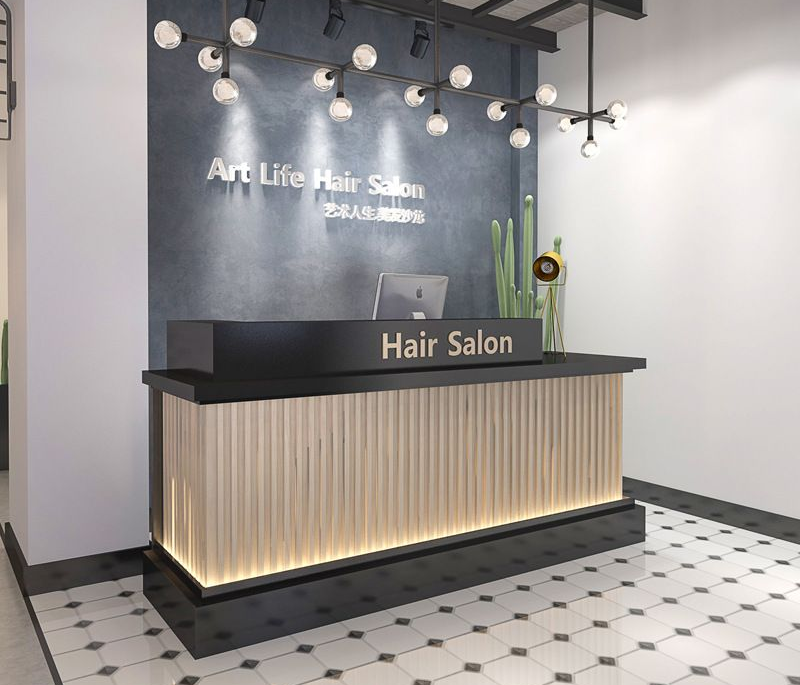
In a Zenoti survey, 71% of salon and spa regulars said they'd skipped booking because it was too hard to reach someone or use the online system.
Today's small business idea cleans up that path and leaves the salon's calendar exactly where it is. Start with a $199 booking friction audit: run the real booking journey on a phone, end to end, and hand back a ranked fix list. Then sell a $79-a-month recovery service that catches stranded requests, from people and AI agents alike, and turns them into confirmed appointments. For comparison, Fresha charges $99.95 a month per location for its own AI front desk. A hundred salons on your plan gets you $7,900 MRR.
Read the full playbook here:
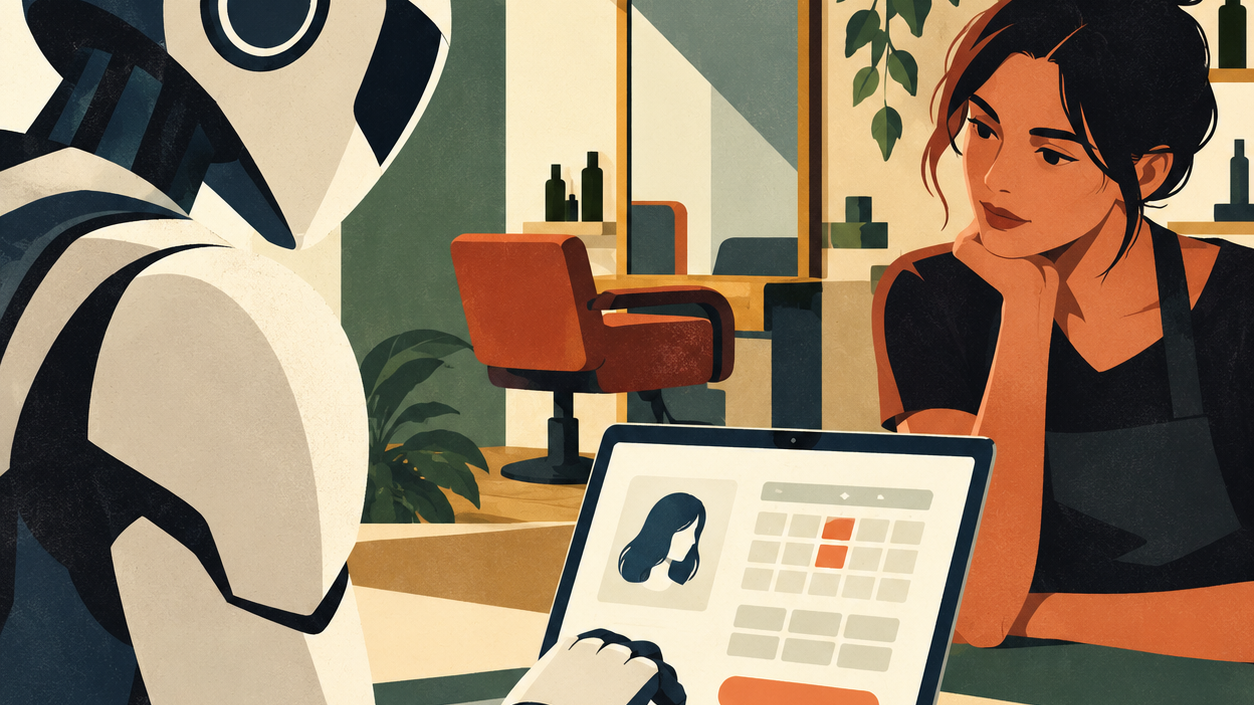
AI agents such as Meta's Muse and Instinct now email and phone businesses to book appointments. Salons on Booksy and Fresha already lose ready customers before the calendar.
From the Vault:
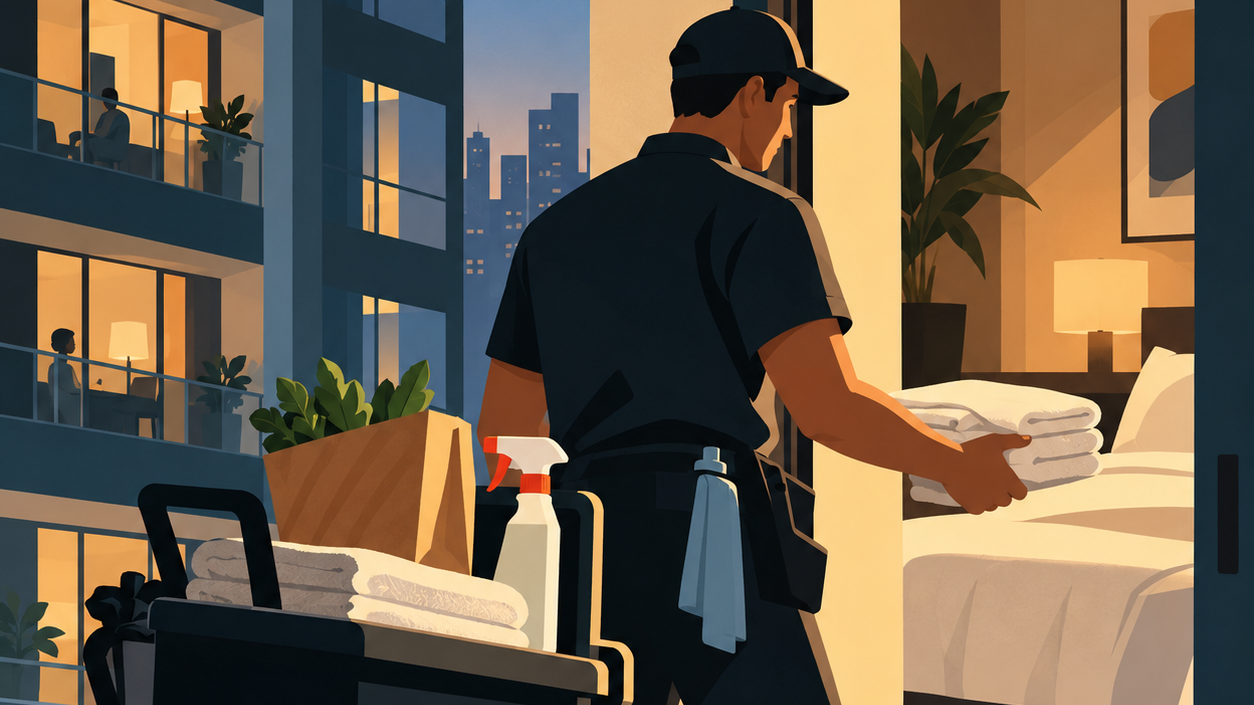
Snabbit hit a $350 million valuation selling instant chores in dense Indian neighborhoods. U.S. apartment towers pack the same density, and landlords are paying near-record concessions to fill units.

Pinterest searches and Etsy shopping data show mahjong and hosting surging. The gear is the bottleneck, and a weekend game night kit, picked up close to home, removes it.


