


Early on June 17, 1972, a 24-year-old security guard named Frank Wills was making his first round at the Watergate office building in Washington. He made $80 a week.
On the back door to the parking lot, he found duct tape stuck over the latch bolt, so the door would close without locking. He figured a maintenance crew had left it, peeled it off and kept walking.
Thirty minutes later he came back. Somebody had taped the door again.
Wills went to the lobby phone and called the police. Officers found five men inside the Democratic National Committee's offices, and two years later Richard Nixon resigned. Wills got a $2.50-a-week raise.

The scandal that took down a presidency started unraveling because one guy on rounds noticed the same strip of tape twice.
So who walks that round in your boardroom? On September 30, OpenAI's technical surveillance countermeasures team swept an executive conference room and found a thumb-sized $14 dev board with a microphone, plugged into a USB port behind the TV and wrapped in toilet paper (classy). They caught it because a trained person physically inspected the room, two days after it was allegedly planted. Plenty of firms that hold valuable conversations book a bug sweep once a year, if they sweep at all.
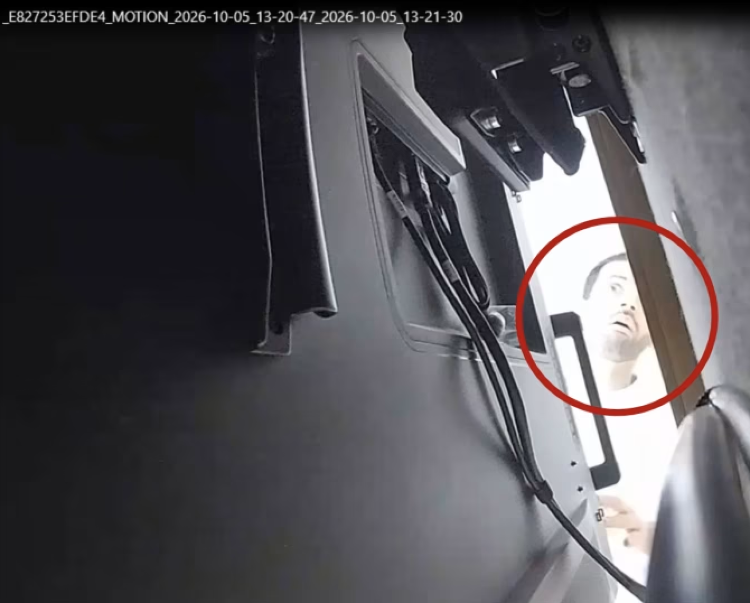
Today's small business idea walks the round between sweeps: a managed service that keeps confidential rooms in a known state. Inventory every device, block unused ports, apply serialized tamper-evident seals and watch the room's Wi-Fi and Bluetooth for changes, with a human reviewing the alerts. When something looks off, call in a vetted sweep team. The service never promises a clean room, only that someone checks the doors every month. Sell it to M&A boutiques, IP law firms and AI startups, the companies too small for enterprise players like Bastille. At $249 per room per month, 25 sites with two rooms each comes to $12,450 MRR before install fees.
Read the full playbook here:

OpenAI's TSCM team found a $14 dev board behind its boardroom TV. Plenty of firms book a bug sweep once a year, if ever. The months between are a business.
From the Vault:
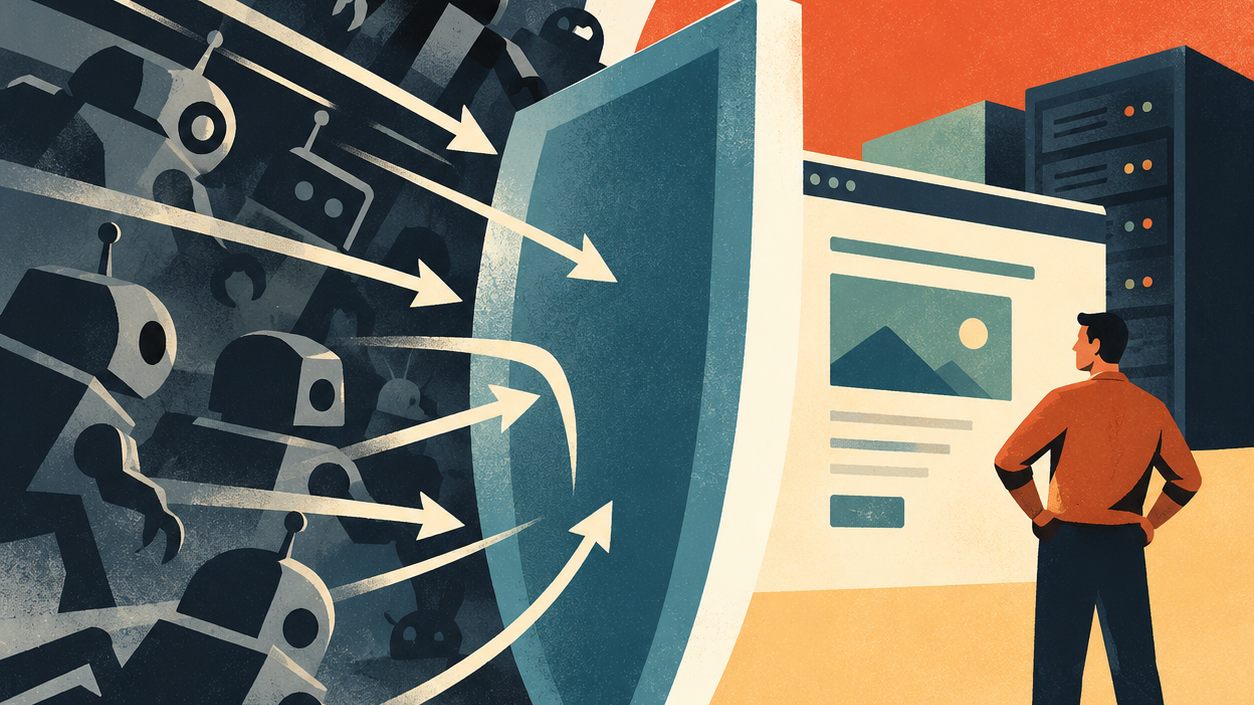
AI crawlers, change monitors, and scanners now swarm small Hacker News launches. A lightweight Cloudflare Worker can keep indie SaaS apps standing and prove how much origin work it avoided.
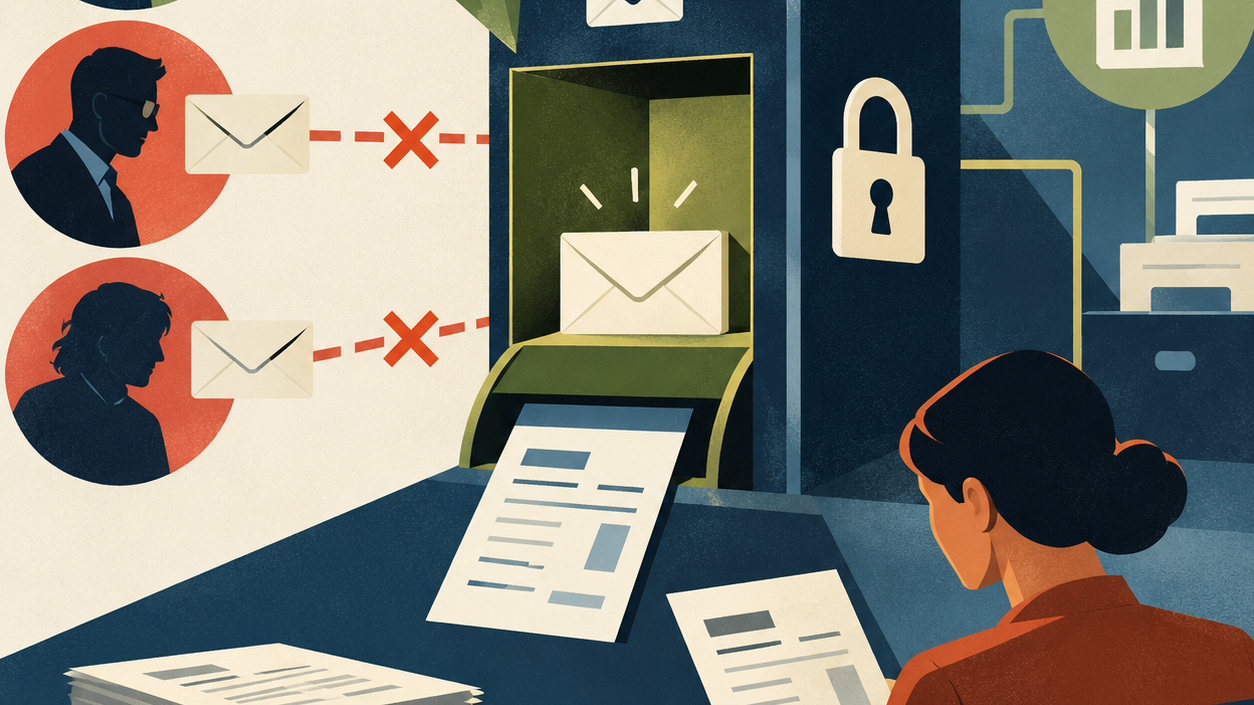
Hubdoc and Dext read vendor invoices cheaply. Bookkeeping firms juggling hundreds of supplier senders across QuickBooks and Xero clients still lack a clean answer to who may submit one.


