


Almon Strowger buried people for a living in Kansas City, and in the late 1880s his phone went quiet. He couldn't work out why.
Then somebody told him. The other undertaker in town was married to the woman working the telephone exchange, and when a grieving family picked up and asked the operator for an undertaker, she put them through to her husband.
Strowger didn't sue, and he didn't complain to the phone company. He went home and built a machine to replace her out of a collar box, hat pins, and electromagnets. He had the idea in 1888, patented the automatic telephone exchange in 1891, and put the first one in La Porte, Indiana, in 1892.
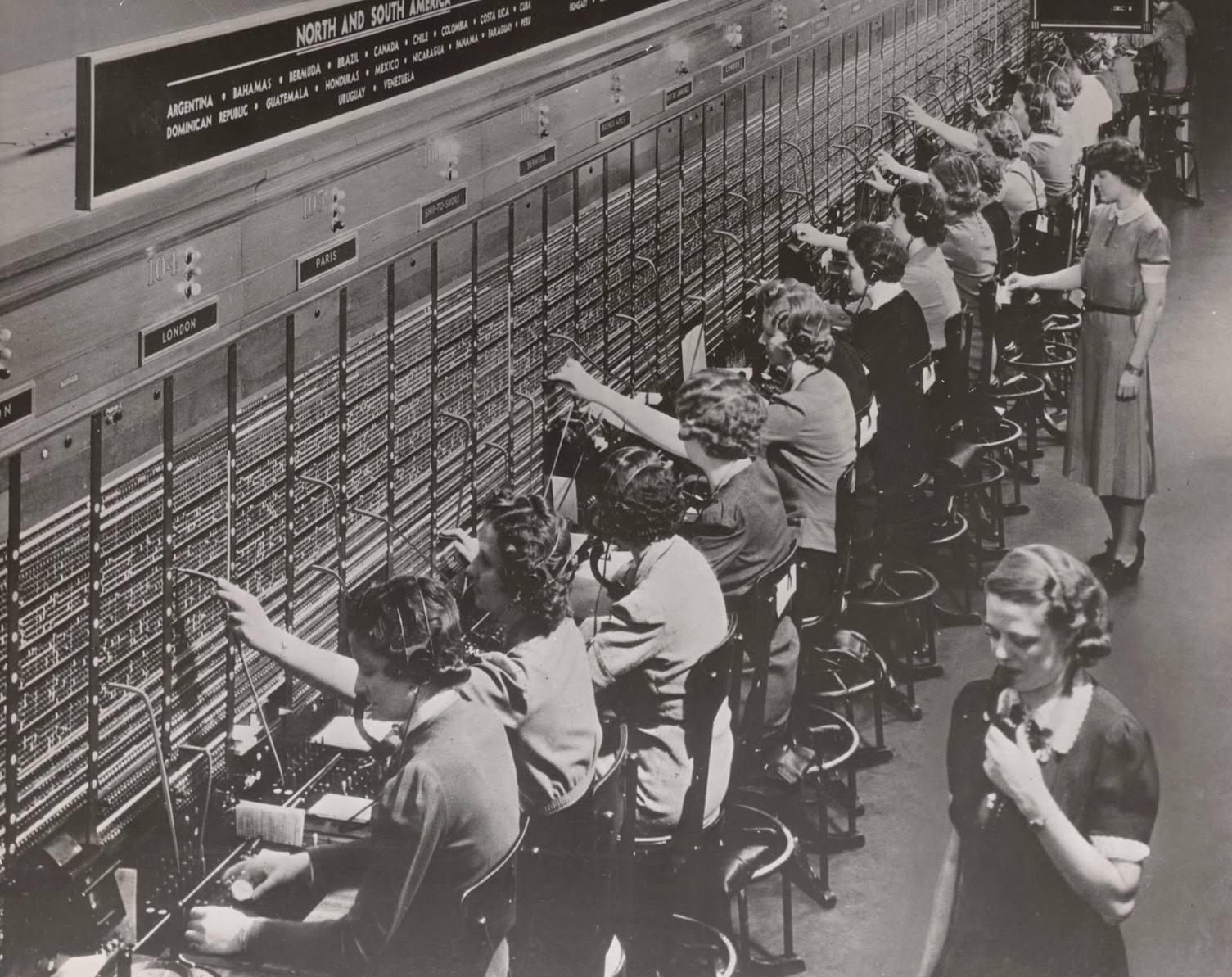
That's why you can dial a number yourself. One undertaker decided the human sitting between him and his customers had to go, and the industry spent the next century agreeing with him.
Twenty-eight states just put her back.
Bell-to-bell phone bans are law in 28 states plus D.C. as of August 2026, up from 19 in February. Maine's deadline already hit: as of August 1, every school board in the state has to have a policy. Take the phone out of the kid's pocket and the parent still needs to reach the kid, so districts are routing families back to the front office, the busiest desk in the building. Penn High School in Indiana asks parents to email or "contact the Main Office, and we will ensure messages are delivered when necessary." That sentence is sitting on thousands of district websites, and nobody hired anyone to make it true.
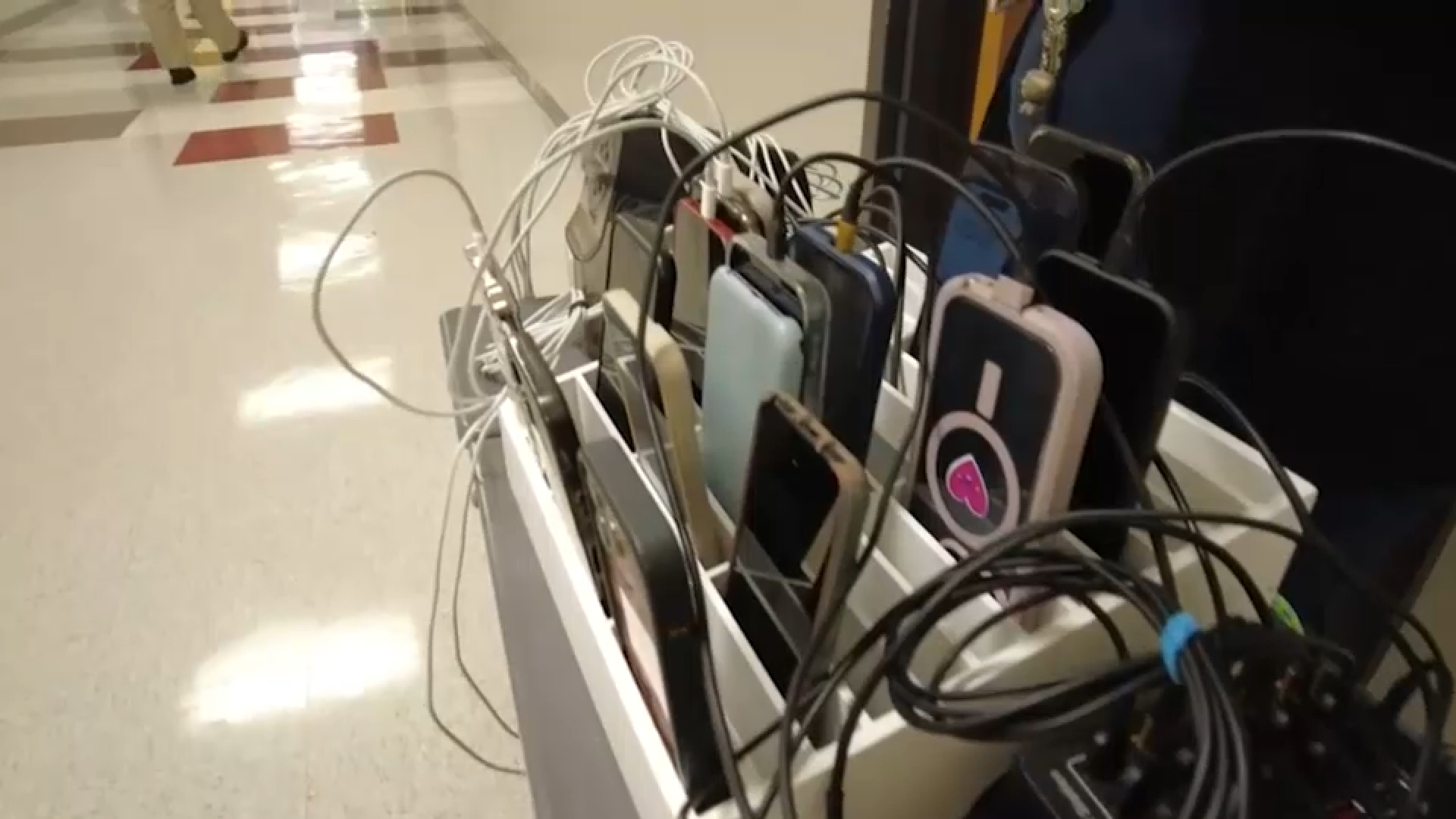
ParentSquare, which reaches 22 million students, launched a family messaging product in February built for districts restricting student devices. The incumbent sees the problem. It just isn't the one answering the phone.
Today's idea is the intake layer underneath: software that takes the parent's call, structures the request, and routes it to the staff member who already owns the decision. It never approves a pickup, changes a dismissal plan, or messages a student. Fifteen districts at $12,000 a year is $15K MRR for two people.
Nobody's calling that a breakthrough. Strowger's ran on hat pins.
Read the full playbook here:
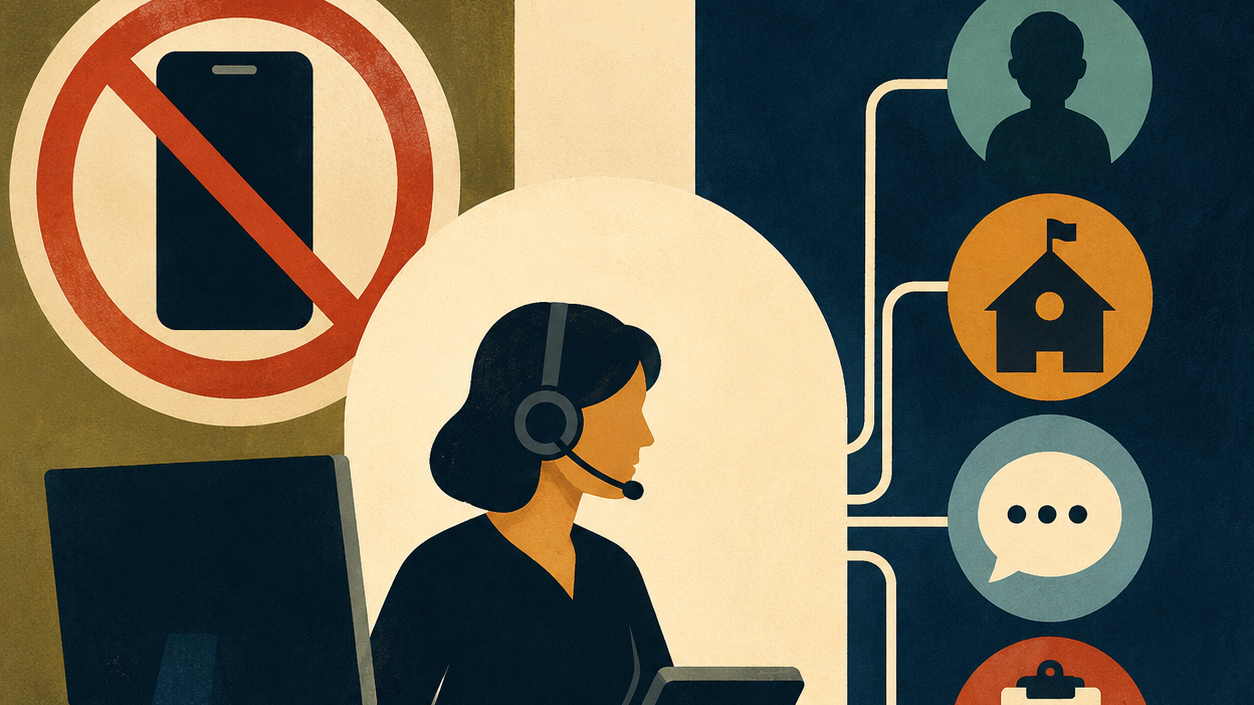
Twenty-eight states now ban phones bell-to-bell, and every parent message routes through the front desk. ParentSquare already shipped against the problem. The intake layer underneath is still open.
From the Vault:
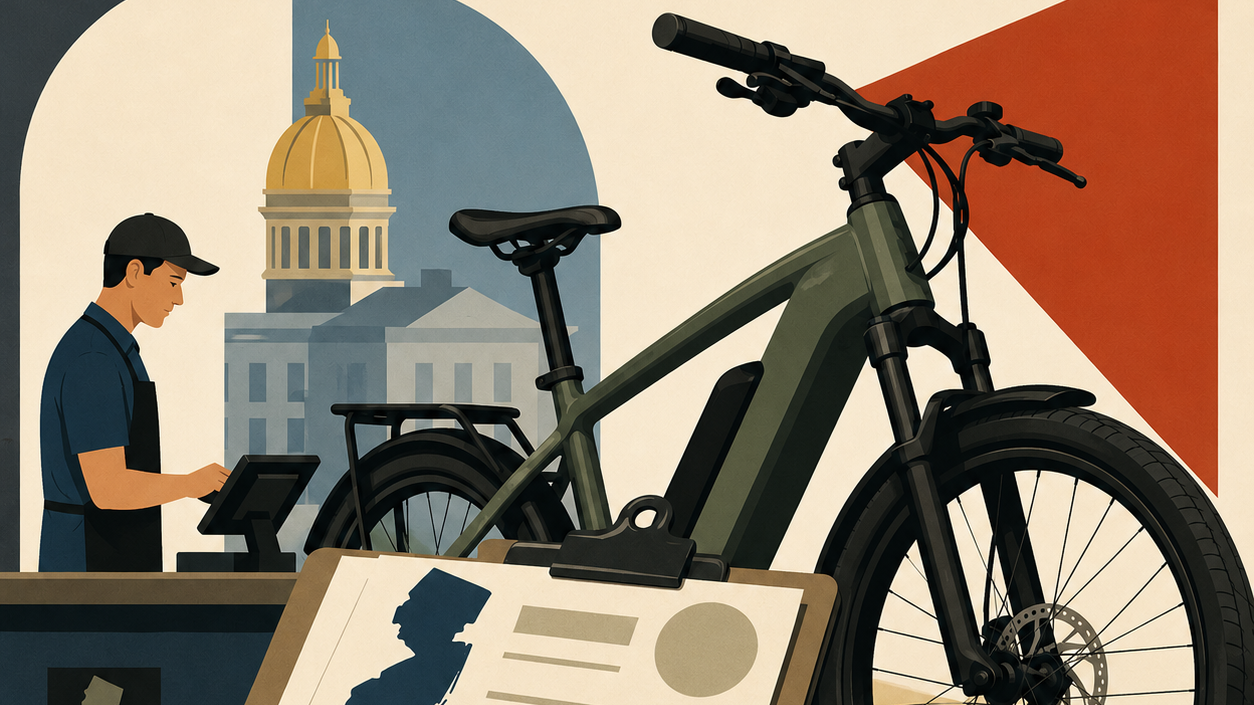
New Jersey pulled e-bikes under motor vehicle law, and every dealer now hands buyers a state form nobody's point-of-sale system was built to produce. The gap is a $39-a-month product.

Tourism New Zealand spent NZ$9.4 million on creators and couldn't isolate what it bought. Every regional destination board holds the same gap, and already pays for evidence.


