


The All England Club publishes a guide to standing in line. An actual PDF, updated every year, titled A Guide to Queueing. It has a Code of Conduct.
You show up at the park, usually the night before with a tent, and a steward hands you a card. Numbered, dated, yours until you've bought your ticket. Non-transferable. You can't hold a place for a friend who's still on the train, and if you wander off for more than thirty minutes you can lose the whole thing.

Read those rules back slowly. Numbered claims on limited inventory, one per person, no transfers, void if you walk away. Wimbledon built an allocation system and then wrote it down in a PDF, and nobody's angry about it. People plan their holidays around sleeping in that park. Waiting feels fair, and fair is the only reason anyone agrees to wait.
Now go stand outside Butterfield Market on the Upper East Side. About 1,280 dot cakes clear across two stores on restock days, $11 each, gone in minutes. The rationing runs on paper tickets, two cakes a ticket, because nobody ever built software for what that store is actually doing.
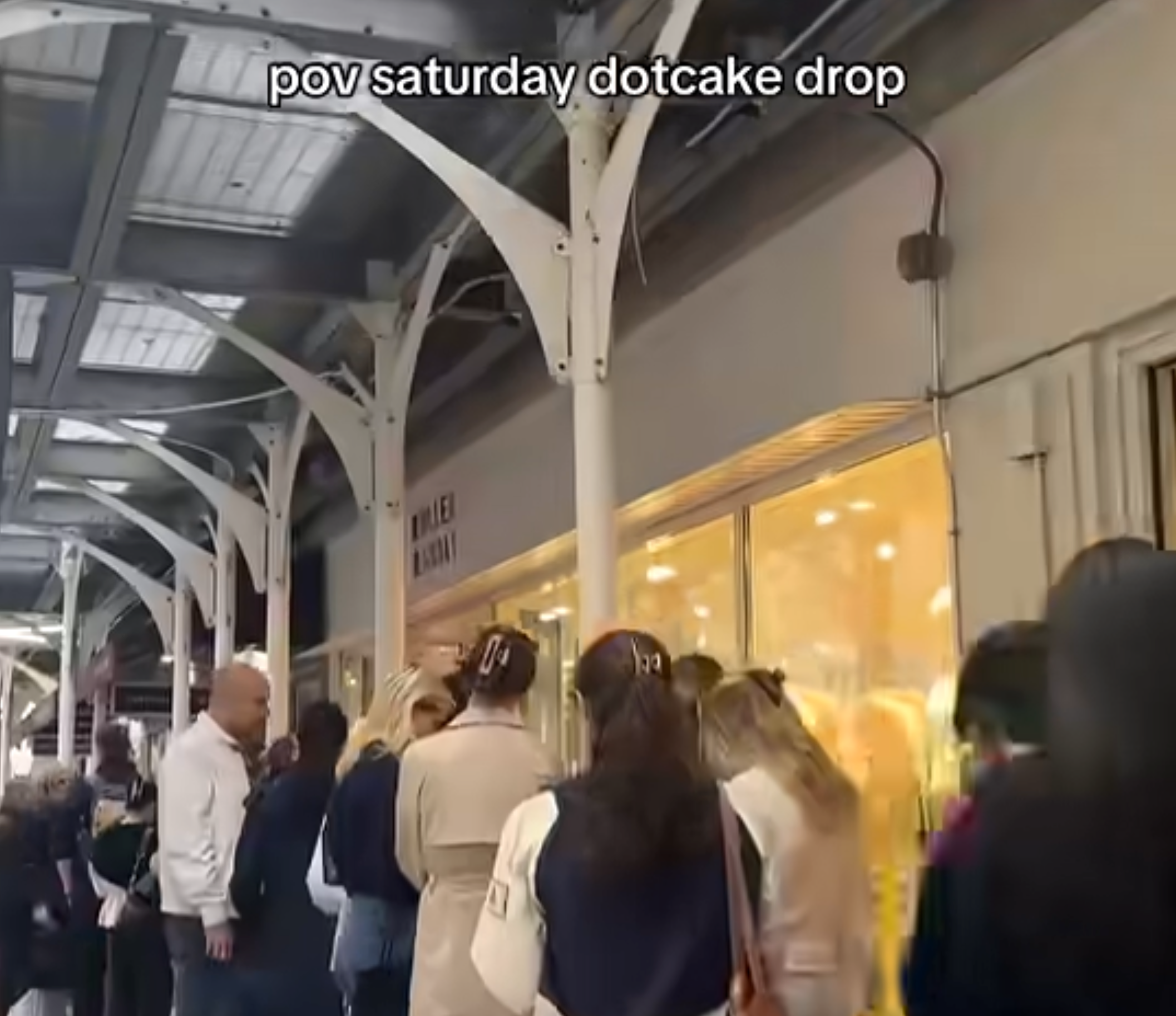
Paper doesn't hold. One woman wanted every flavor, so she hired five people to stand in line for her. Robert Samuel's Same Ole Line Dudes charges $50 for the first two hours and runs about 35 sitters across New York, which is a real business built entirely on the gap. A cap you enforce by counting bodies doesn't survive somebody renting five more.
Today's idea is the drop control layer these shops don't have: hybrid walk-in and reserved inventory, live availability, and per-customer limits that actually hold. $149 to $299 per location per month, so 100 shops is $20,000 MRR. The buyers are already paying $50 for certainty the merchant could sell them for $2. Wimbledon solved this with a PDF and a guy handing out cards.
Read the full playbook here:
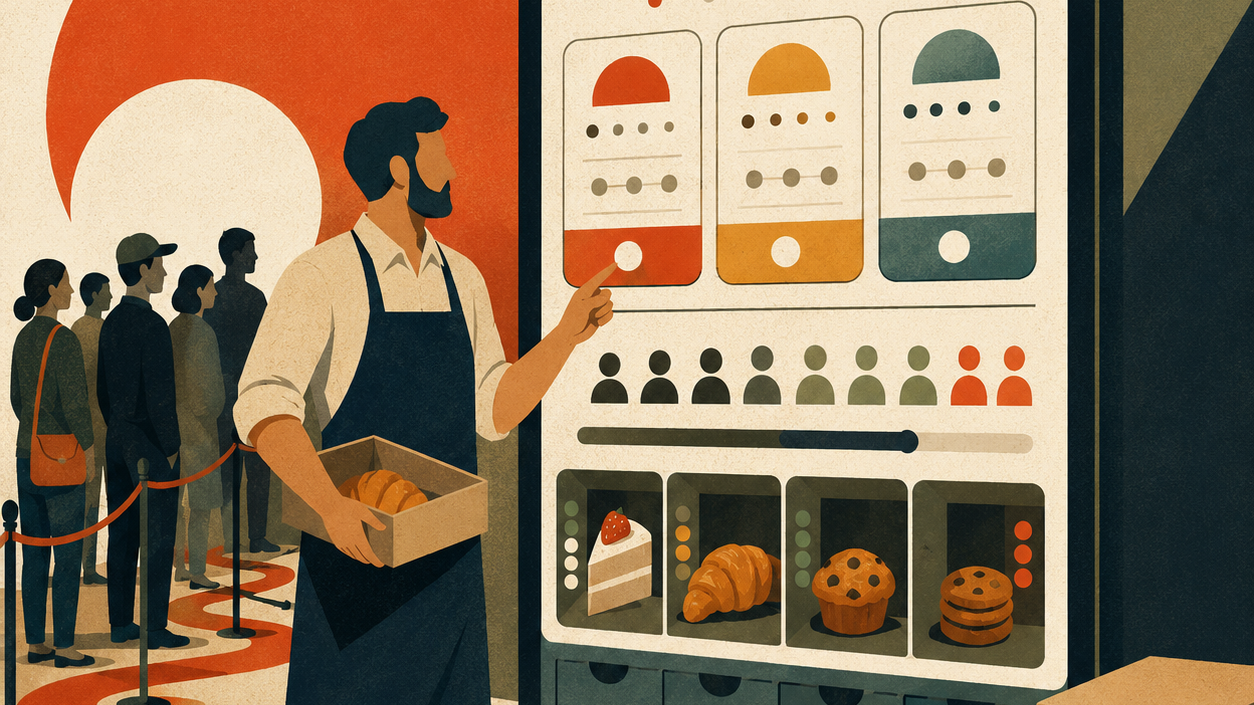
Line sitters charge $50 to stand outside Butterfield Market for an $11 dot cake. Viral bakeries ration sellouts with paper tickets, and no software owns the allocation.
From the Vault:
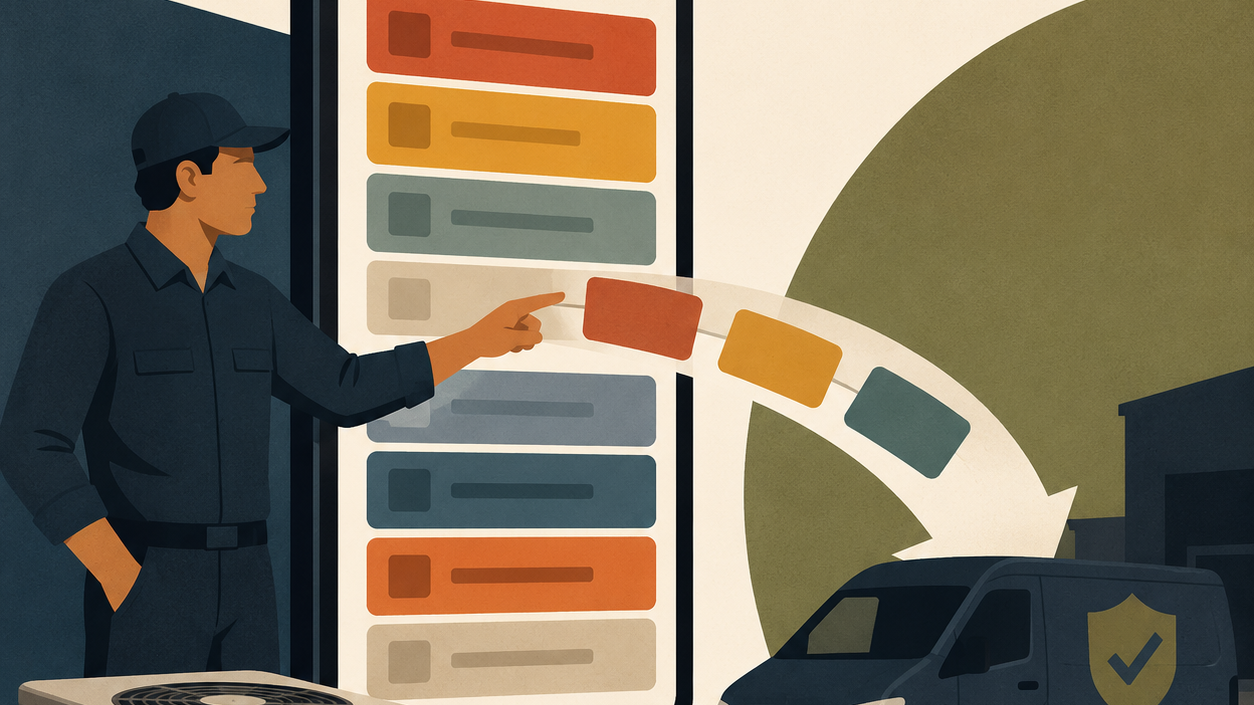
HVAC shops decline booked-intent calls all summer while competitors sit on open service windows. Contractor referrals already happen informally in every metro. The question is who formalizes them and collects.
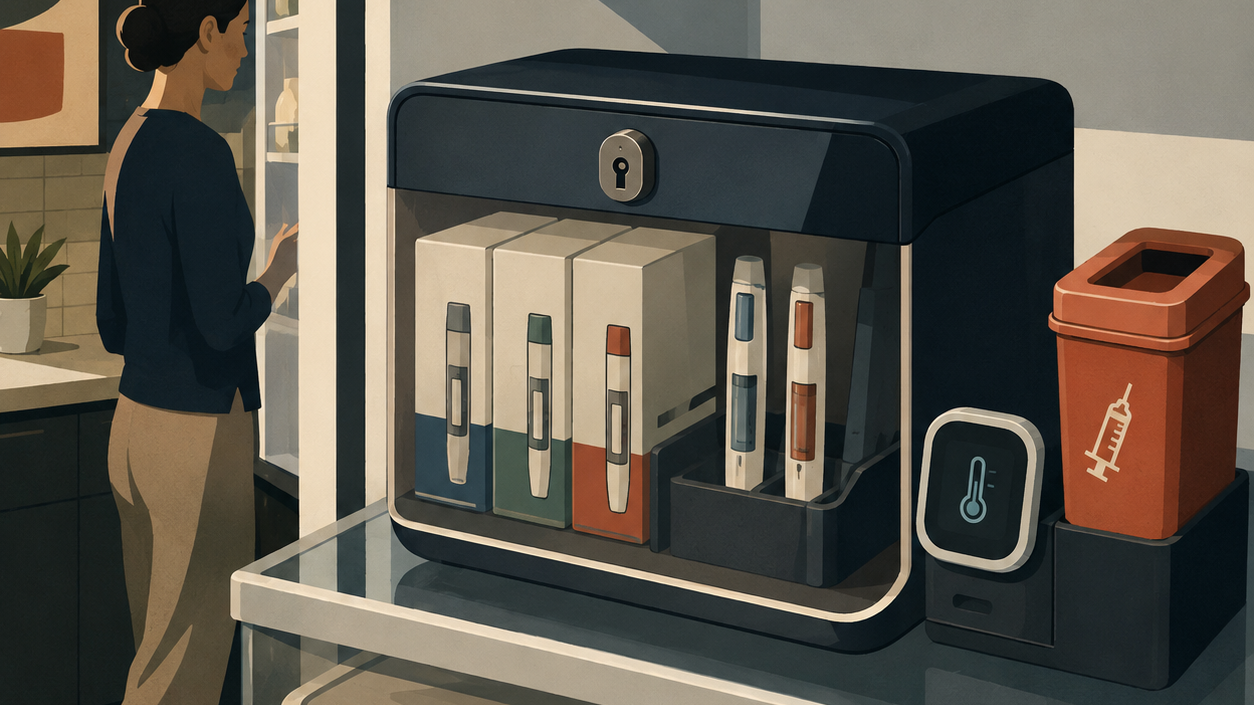
Ten million Americans store Ozempic and Zepbound pens next to the milk. Pharma made the drug, Whirlpool made the fridge, and nobody designed the six inches in between.


