


Hasbro shipped Mr. Potato Head in 1952 with about fifty plastic parts in the box. Eyes, noses, ears, mustaches, a couple of hats, and a fistful of sharp pins.
No potato. You supplied that. Kid opens the box, walks to the kitchen, digs a spud out of the bin, and starts stabbing it.
It was the first toy ever advertised on television, and it pulled in more than $4 million in the first few months. Hasbro had worked out that it could sell the decorations for a product every house in America already kept in the pantry.
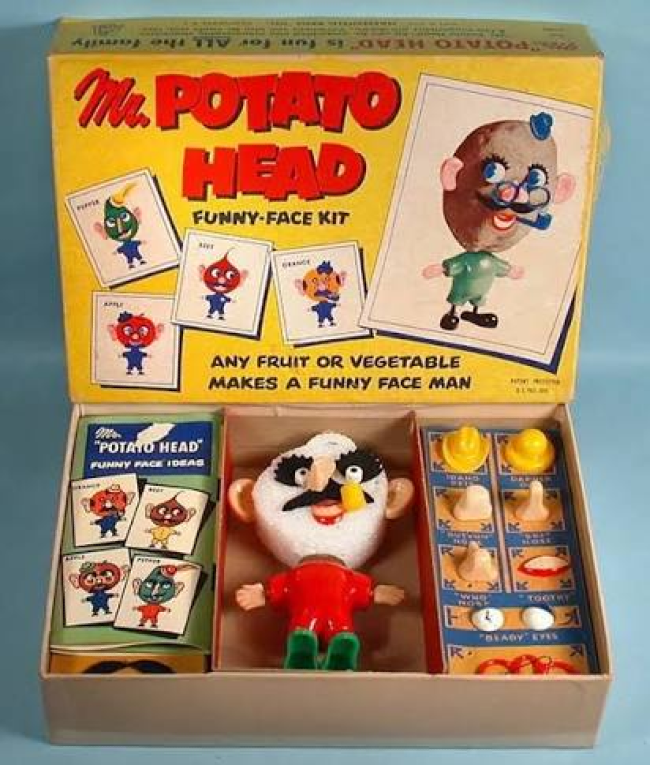
Then in 1964 they put a plastic body in the box, and not because kids asked for one. Parents kept finding week-old potatoes behind the couch, and new safety rules were coming for the pins. So Hasbro ate a manufacturing cost to solve a rot problem and gave up the best terms in the toy business: a base product that cost them nothing and got replaced by the customer every time it went soft.
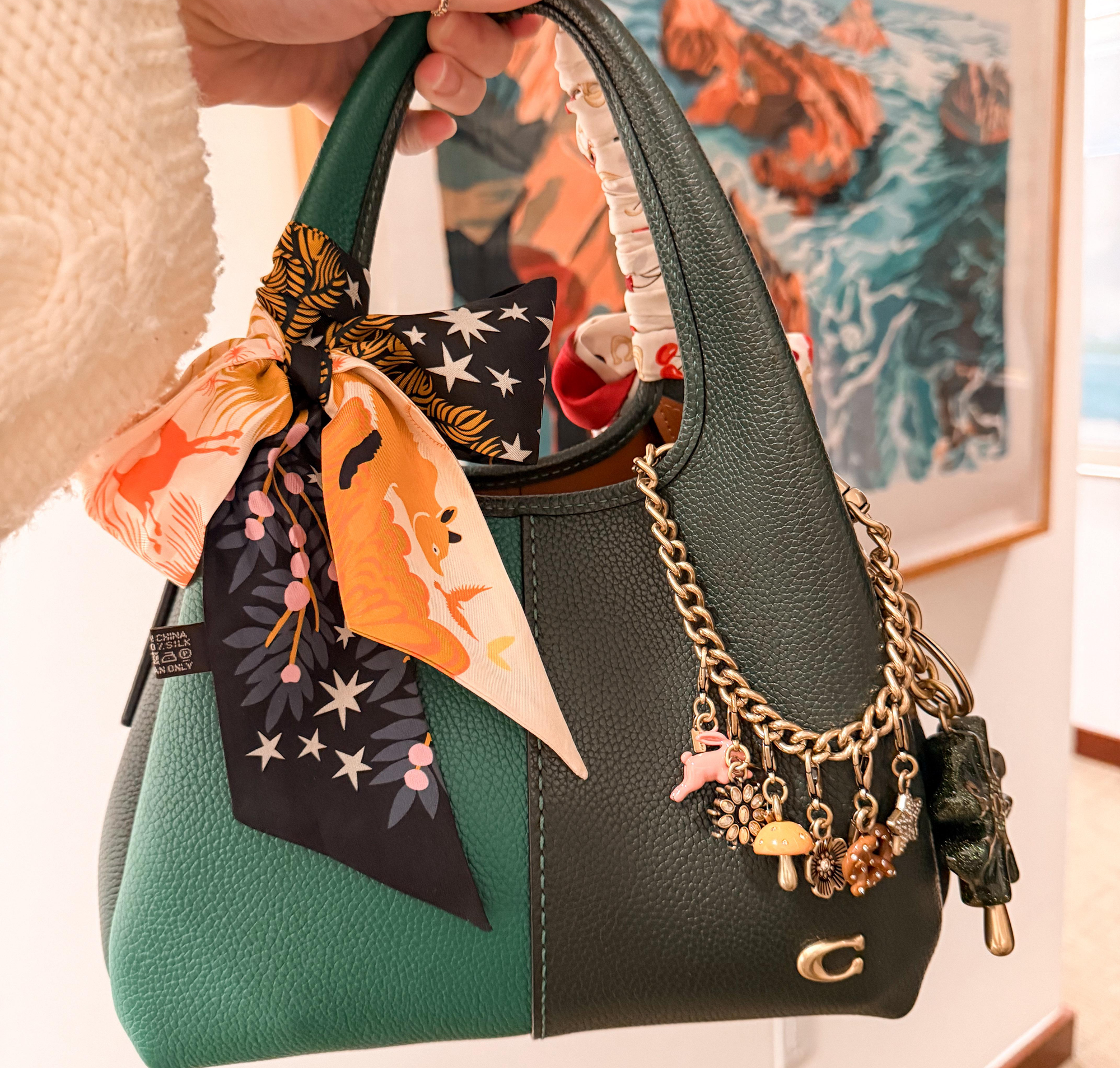
Which brings us to Shopify. A brand sells a $70 tote and twelve $8 charms, and the charms sit in a thumbnail grid below the fold that nobody scrolls to. The bag is the potato. Already bought, already in the room, and we're hiding the fun part behind a scroll.
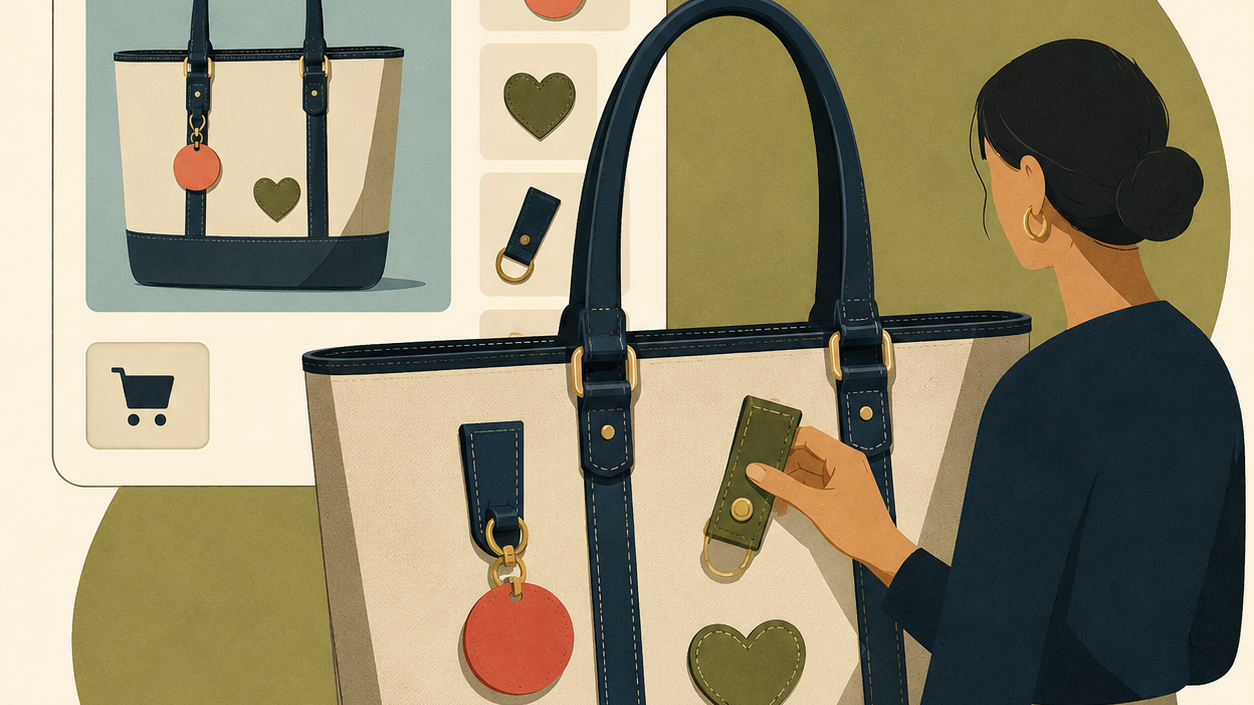
Today's featured idea is a Shopify app that lets a shopper place real accessory SKUs onto the actual product photo, drop a charm on the strap, watch the running price climb, then send every piece to the cart as its own line item against live inventory. What merchants actually pay for is the number underneath: accessory attach rate, measured against a holdout group, so nobody has to take the software's word for it. Flat pricing, $29/$59/$99, no cut of sales. 1,500 merchants at a blended $70 a month is $105,000 MRR. Crocs did roughly $260 million in Jibbitz sales in 2025.
Start with bag brands. Send 100 cold emails before you worry about an app store listing.
Read the full playbook here:
Bag charm volume rose 12x in a year and Crocs clears $260 million from Jibbitz. Shopify's 495 customizer apps all miss the narrower job underneath.
From the Vault:

Paid newsletter churn runs as high as 16.67% a month. Circle, beehiiv, and Substack all sell community software that ignores the retention problem underneath it.
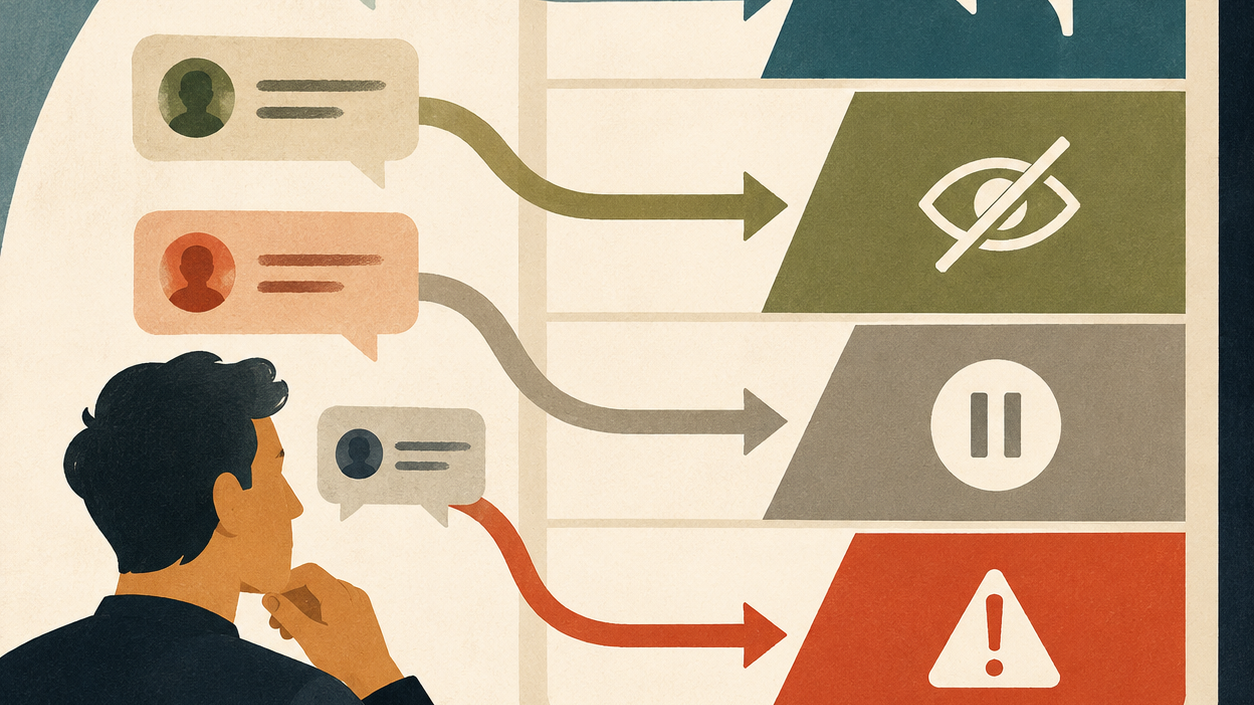
YouTube shipped AI comment search into Studio in June 2026 and deliberately stopped at retrieval. Creator ad spend hits $44 billion in 2026, and reputation is now the buying criterion.


