


Warby Parker launched in February 2010 and had to shut down its signature feature within 48 hours. Home Try-On sent you five frames for five days, free shipping both ways. Orders came in so fast they suspended the program and opened a waitlist that hit 20,000 people. They cleared their first-year sales target in three weeks. GQ called them the Netflix of eyewear. For a while there, the mailbox was the whole company.
Fifteen years later they killed it. In August 2025, on the Q2 earnings call, Warby said Home Try-On sunsets by the end of the year. Amazon had already pulled Try Before You Buy that January. Both pointed at virtual try-on finally getting good enough.

The reason Warby gave is the interesting part. Its own data showed the vast majority of recent Home Try-On users lived within 30 minutes of one of its roughly 300 stores. The company had been mailing frames to the neighbors.
The trial moved back into the store, in other words. And most stores have no idea what theirs are worth.
Camera shops have run this play by hand for years. Dan's Camera City credits half your rental fee toward a purchase within 30 days. PROCAM caps it at the three-day rental charge. At Midwest Photo you get one day back, and only if you buy within 14. Everybody invented their own version, everybody tracks it on a spreadsheet, and nobody can tell you which rented lens actually produced a buyer.
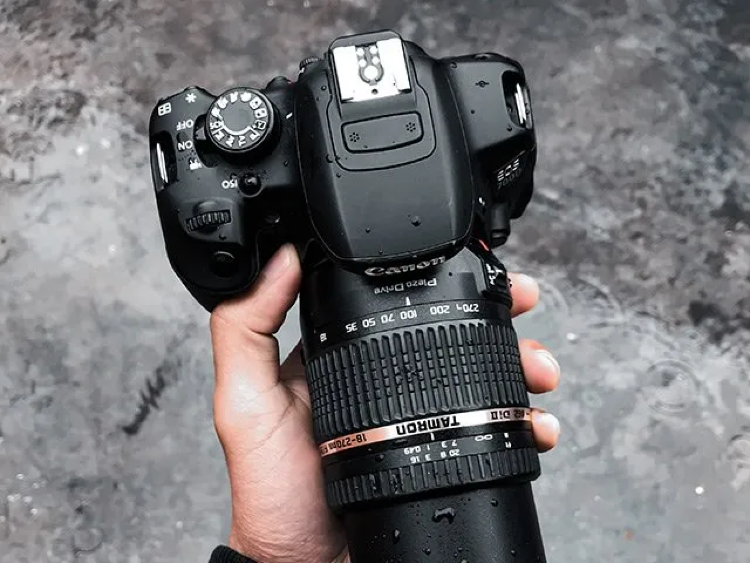
So, rental-to-purchase software for specialty retail. The booking apps in the Shopify store start around $29 a month and schedule a rental. This one follows a $79 weekend all the way to a $2,000 camera sale and tells the owner which gear on the shelf is earning its keep. There are 1,289 camera store businesses in the U.S. Land 150 of them at $199 a month and that's roughly $30K MRR, with cameras as the wedge into every category where expensive stuff sits behind "I think I want it, but I'd like to live with it first."
Read the full playbook here:

Independent camera stores already credit rental fees toward purchases on spreadsheets. Lumoid died building the marketplace version. The software layer that measures rental-to-purchase conversion is still unbuilt.
From the Vault:
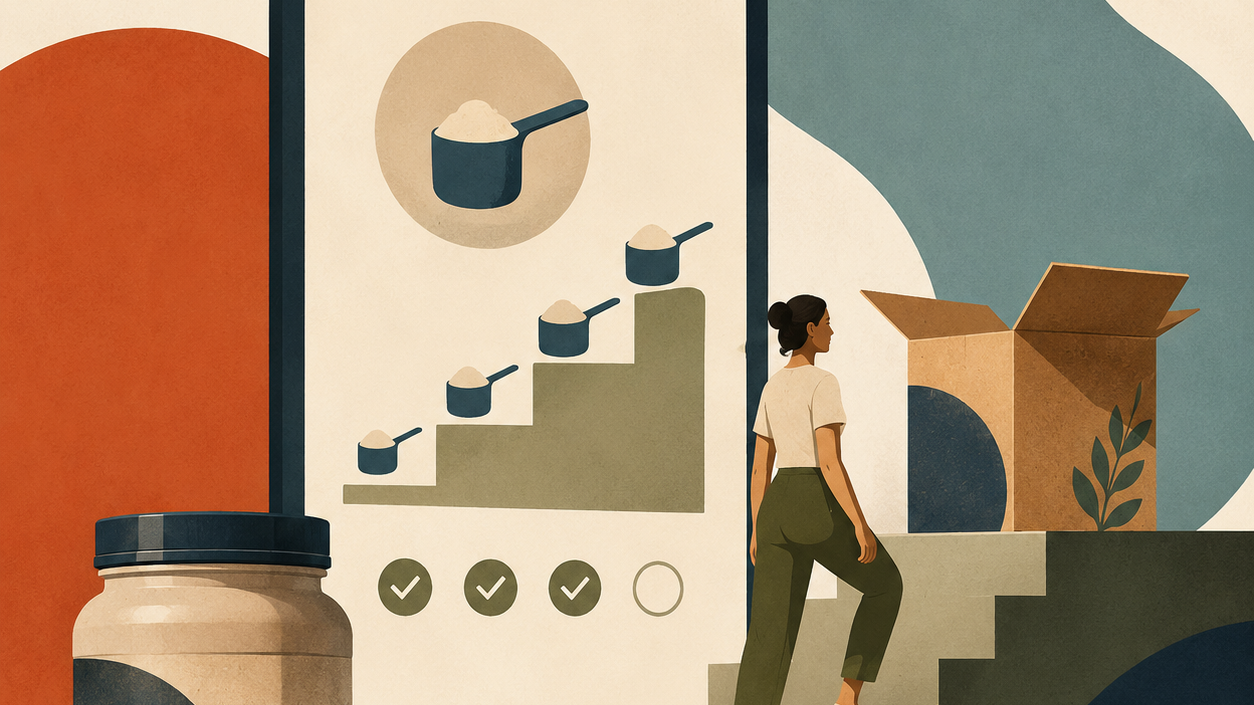
Searches for fibermaxxing are up 115%, yet DTC fiber brands lose most subscribers before shipment two. Every retention tool fires at cancellation. Nobody owns the weeks before it.
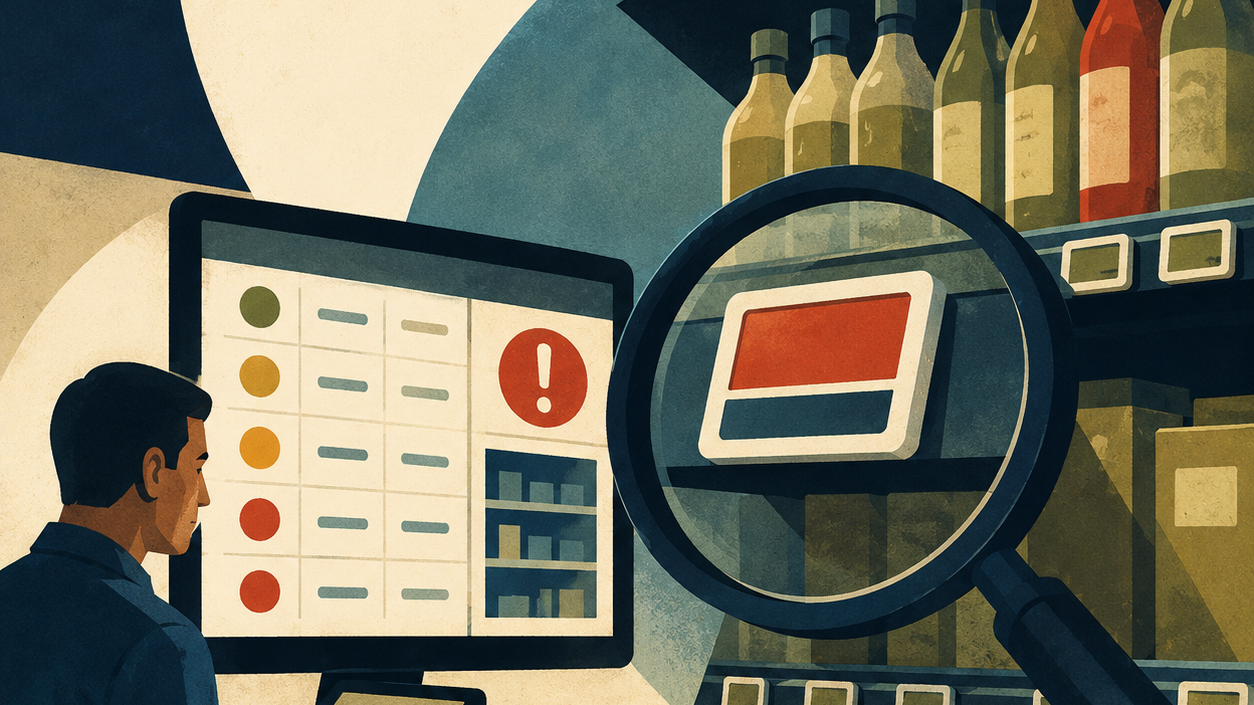
Walmart finishes digital shelf labels across 4,600 stores this year. CPG brands route up to 27% of revenue through trade promotions and still verify execution by hand.


