


In 2010 Ted Kaptchuk handed eighty people with irritable bowel syndrome a bottle of pills and told them the truth. Inert. Sugar. The label itself said placebo. Then he added the part that usually goes unsaid: pills like these have produced real improvement in studies like this one, through mind-body processes.
Three weeks later, the people knowingly swallowing fake medicine reported significantly better relief than the people taking nothing. The gap showed up at day eleven and held at day twenty-one. Eleven years on, a replication found the honest placebo did about as well as the deceptive kind.
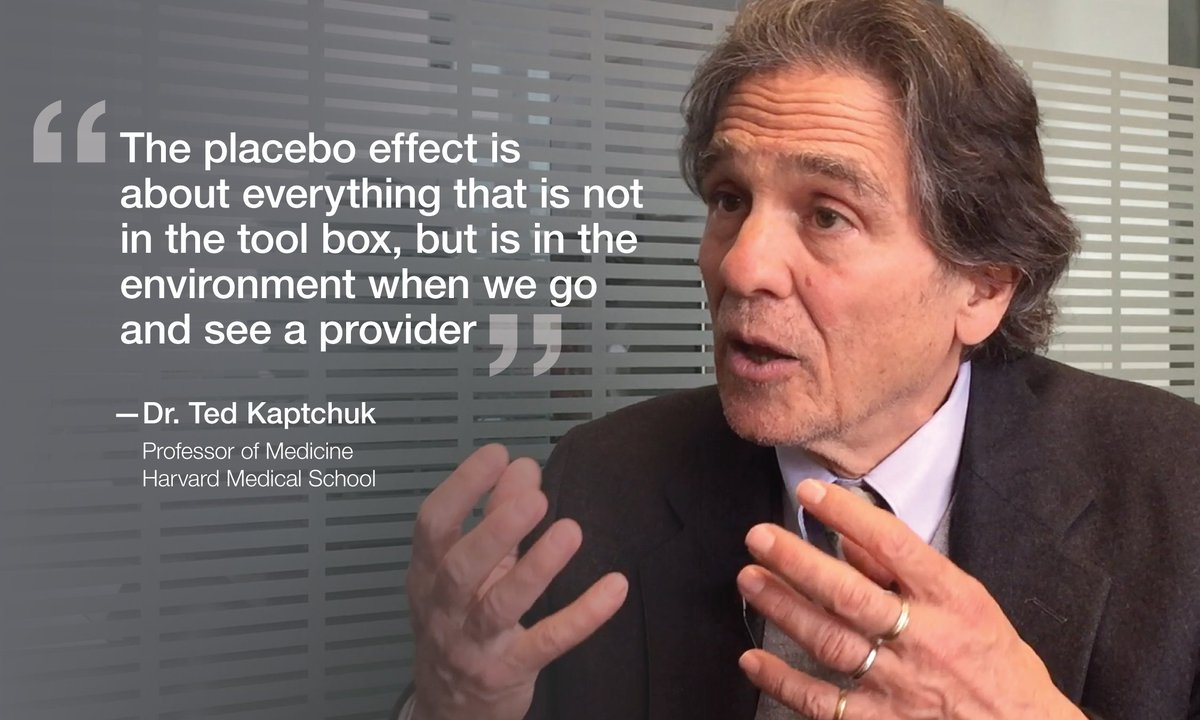
So the lie was never the active ingredient — the ritual was, and the ritual survives being explained. Somebody hands you a bottle, you take it at a set time, you pay attention to the problem, and your body responds to the fact that something is being done. You can know the whole thing is theater and still collect the benefit.
Park Seo-hyun got there without the grant money. She's 27, was ordering delivery about ten times a week, and joked to friends that she wished she could order food that never showed up. They told her to build it. Her site looks like Baedal Minjok, carries real menus, takes your address, sends a virtual rider on its way, and then nothing happens. No food, no charge. By mid-June roughly 30,000 people a week were using it.

Korea calls these dopamine sites. Today's idea steals the mechanic and points it at a bigger wallet: a Chrome extension that lets you ghost a purchase instead of making it. Click Ghost It on the $260 sneakers, get a receipt stamped ORDER NOT PLACED, and the item comes back in 48 hours so a calmer version of you can decide.
81% of American consumers made an impulse purchase last year and 62% regretted one. Ghost Cart sells the ritual of restraint, and Kaptchuk already showed the ritual is enough. 50,000 installs converting at 5% to a $29 a year plan is about $6,000 MRR.
Read the full playbook here:
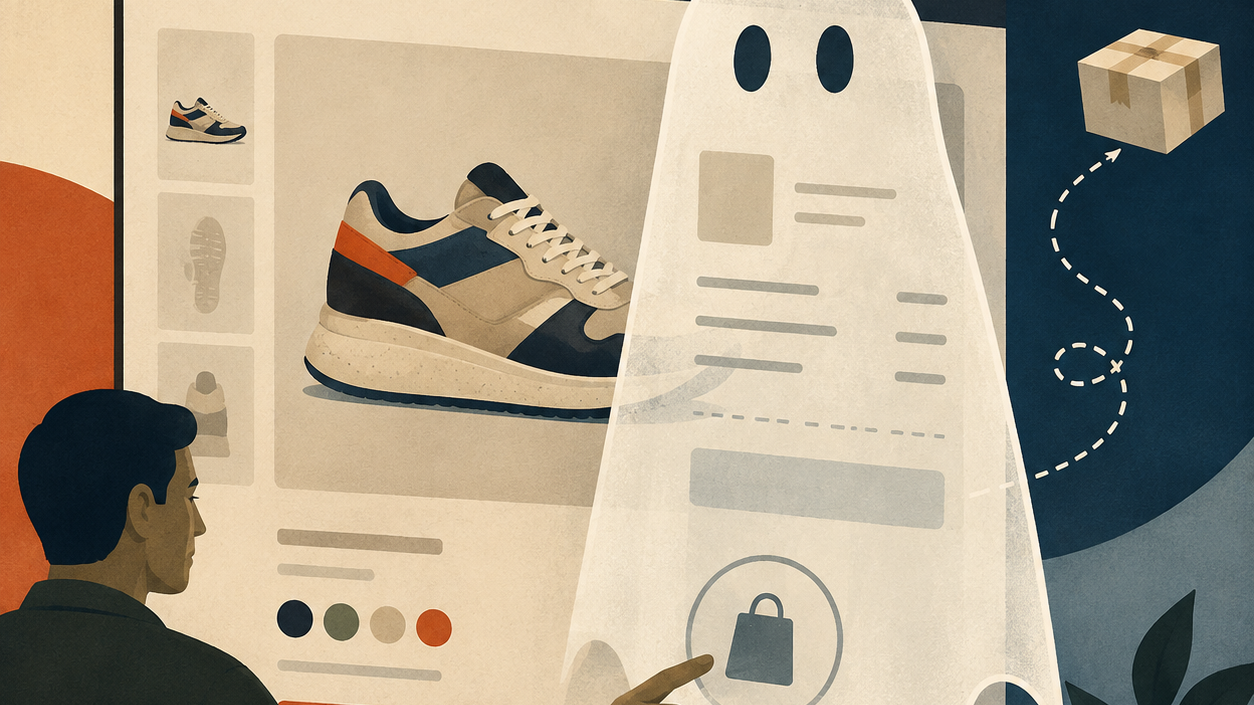
Korean dopamine sites draw 30,000 weekly users who fake-order food that never arrives. Aimed at regretted impulse buying, that ritual becomes a Chrome extension with real subscription math.
From the Vault:
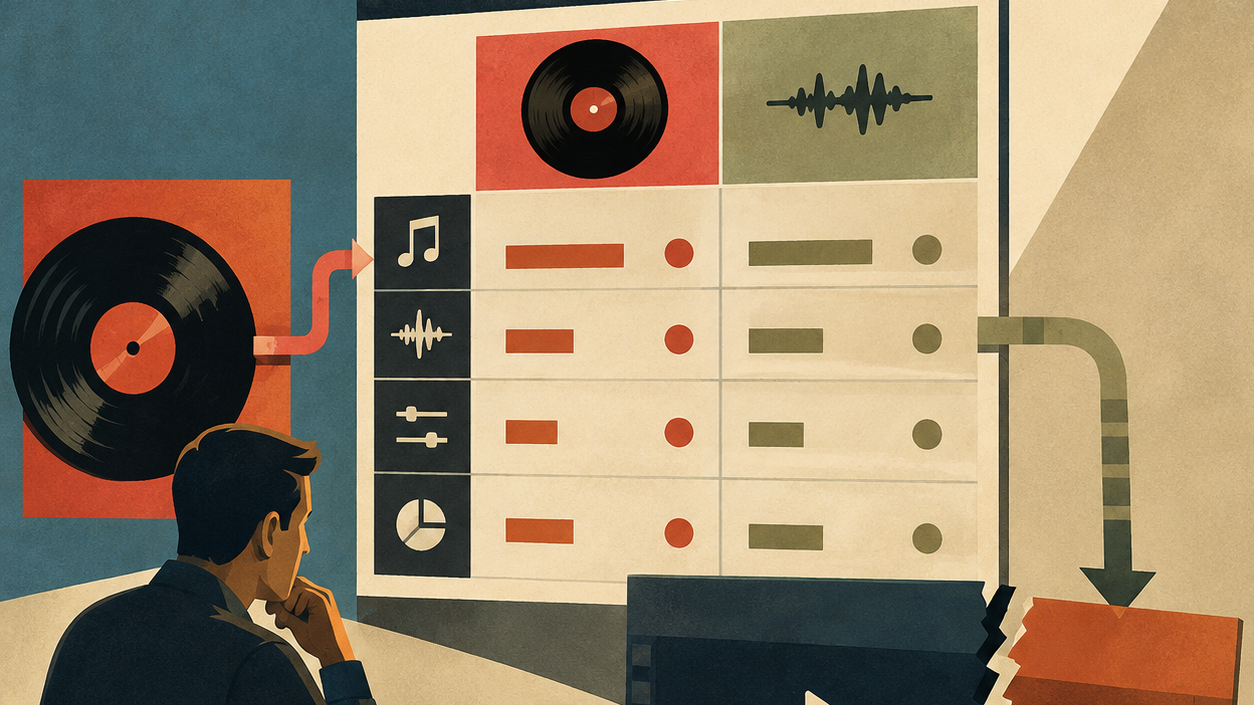
YouTube stops selling Creator Music licenses on August 10, pushing editing teams toward revenue-share tracks. Nobody prices that decision before the cut is locked.
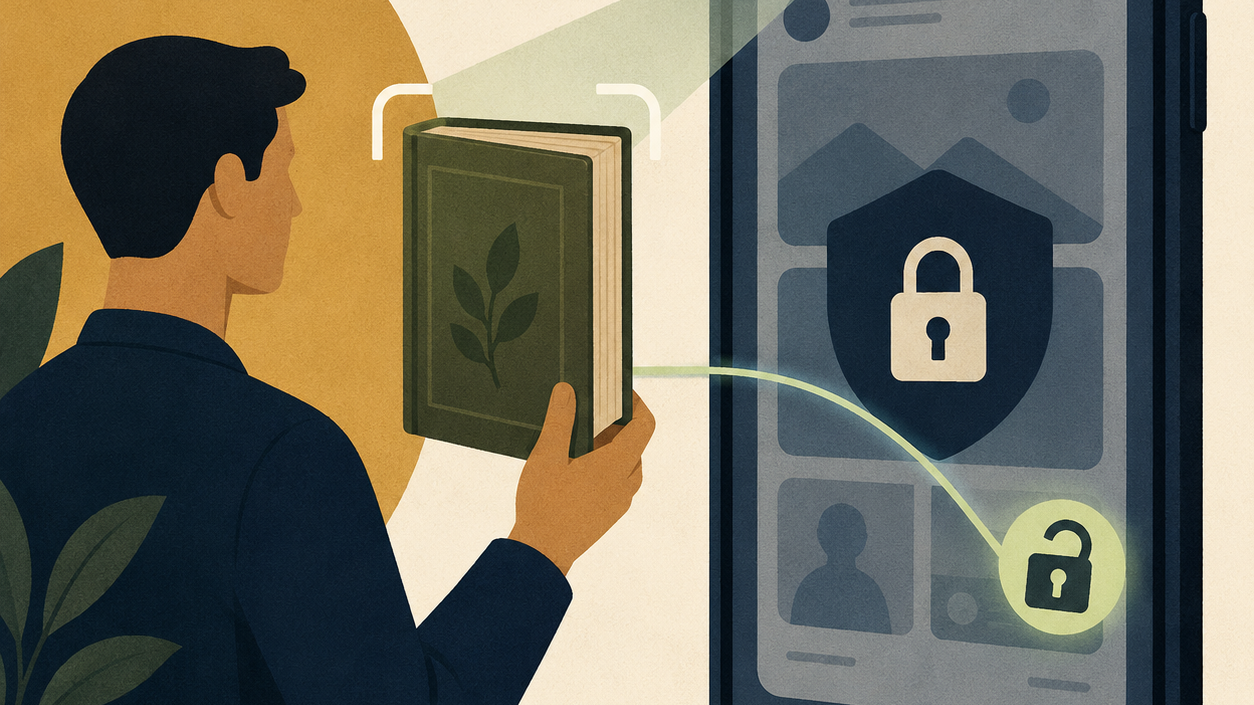
Screen-time blocking is a commodity, and a solo developer already shipped camera-verified unlocking to nine App Store ratings. The gap isn't engineering. It's owning a ritual people will film.


