


At E3 in 2013, Microsoft explained how the Xbox One would work. Your console phones home every twenty-four hours. Lending a disc to a friend, selling it, renting it out — all of that now runs through Microsoft's rules.
Sony took the stage on June 10 and said its console worked offline and it had no plans to touch how you sold or traded your games. The room stood up and wouldn't stop clapping.
Nine days later Don Mattrick published the surrender. No twenty-four hour check-in. One-time setup, then play any disc game without ever connecting again. Trade in, lend, resell, gift and rent exactly as you do today on the 360. Preorders came right back.
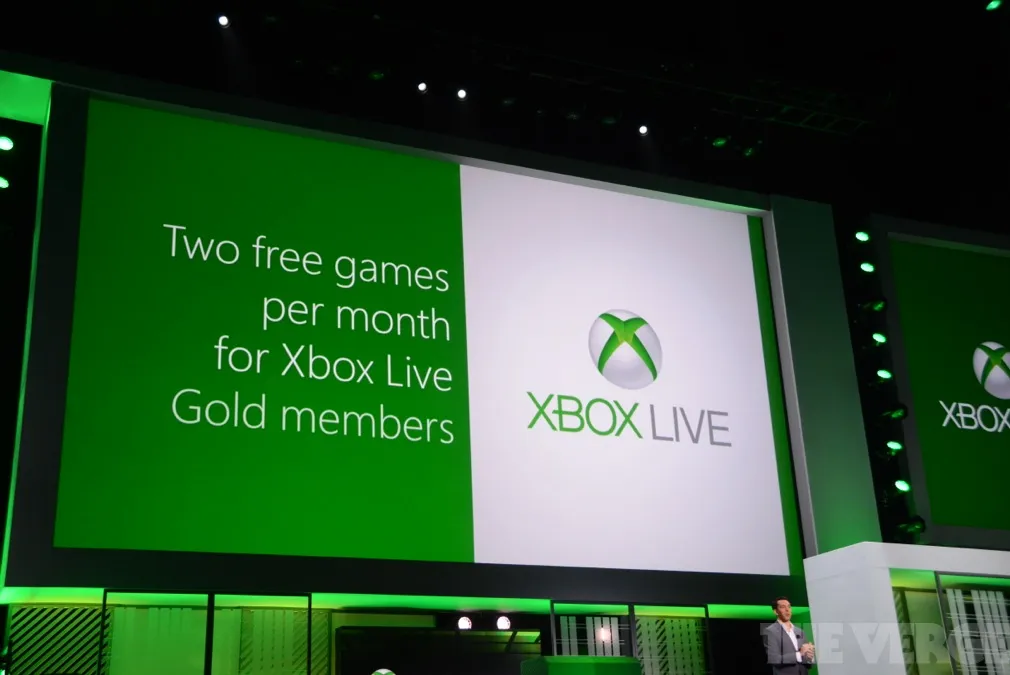
One of the biggest reversals in console history, and gamers won it in nine days just by being loud.
They lost anyway.
Nobody held a press conference the second time. It showed up one release at a time over the next decade, and nobody was in the room to boo.
DoesItPlay has now run 3,511 physical releases through a disconnected console. As of July 2026:
- 34% of PS5 discs need a download to reach core content or fix a game-breaking bug
- 50% of Xbox Series discs, same story
- About 4% of PS5 releases won't even boot without an online check-in
- Nintendo's Switch 2 Game-Key Card holds no game at all. Just a key that pulls the software down, and then has to live in the slot forever

Then on July 1, Sony announced that new PlayStation disc production stops in January 2028.
So what is a collector actually buying? Nothing on the box tells you, and nothing else does either.
Today's idea builds it: a scannable passport for every physical release, down to the pressing, that tells you what's really on the disc in your hand. $5 a month for collectors, $49 for shops, roughly $273,000 ARR for a team of two.
Read the full playbook here:
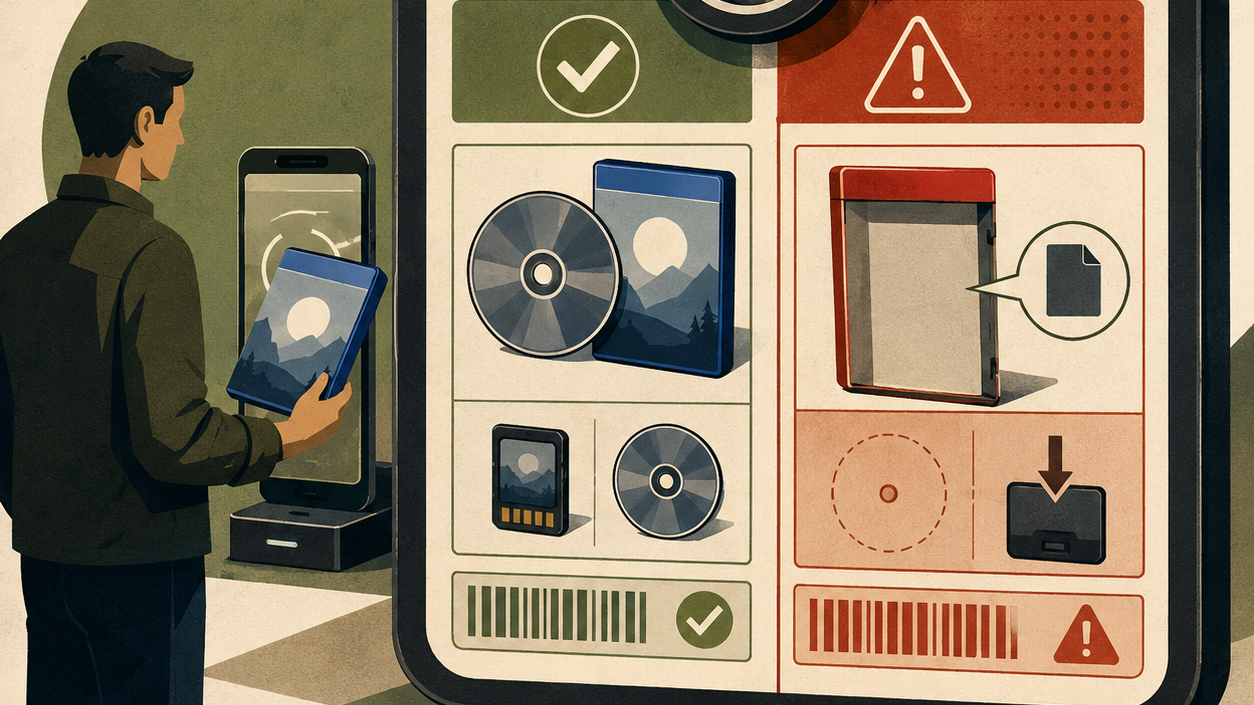
Sony ends disc production in 2028. Half of Xbox's physical games already require a download to function, and nothing on the box tells collectors which copy is which.
From the Vault:

Agencies automated the PPC dashboard, then Meta and Google rewrote attribution three times in 2026. The monthly client explanation is still written by hand, and somebody has to sign it.
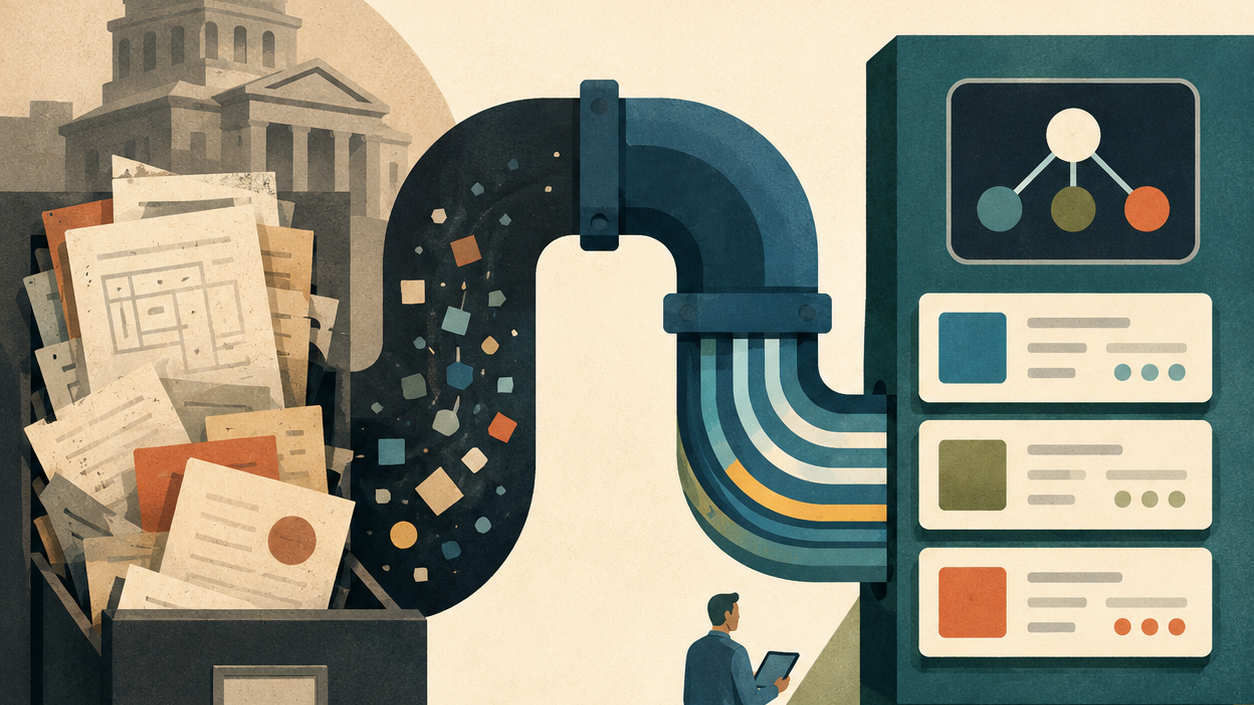
Building permit records sit behind 91,438 local governments in incompatible formats. Shovels raised $6.5 million normalizing them nationally. One metro, ten jurisdictions, and provenance is the opening left.


