


In 2010, acoustics researcher Claudia Fritz and violin maker Joseph Curtin put 21 professional violinists in a dim Indianapolis hotel room, handed them welders' goggles so they couldn't see what they were playing, and passed around six violins. Two Stradivariuses, a Guarneri, three modern instruments. Nobody in the room knew which was which.
The players couldn't tell old from new. The violin they most wanted to take home was new, and their least favorite was a Strad. So Fritz ran it again in Paris with ten world-class soloists. New won again. She tried it on a concert audience in New York. Same verdict.

Meanwhile a Stradivarius sells for $15 million, and the modern violin that just beat it costs about as much as a Honda.
Which sounds insane until you ask what people are actually paying for. It was never the sound. You're buying 300 years of hands the instrument passed through, the letters and ledgers and signatures that prove where it's been. The wood is just the packaging.
Restaurants are stumbling into the same lesson. Generative AI can write three warm paragraphs about a fictional great-grandmother in nine seconds, and diners are getting good at smelling the fake. An actual 74-year-old at the pass, explaining why her family changed the recipe the year they emigrated, is the one thing nobody can type into existence.
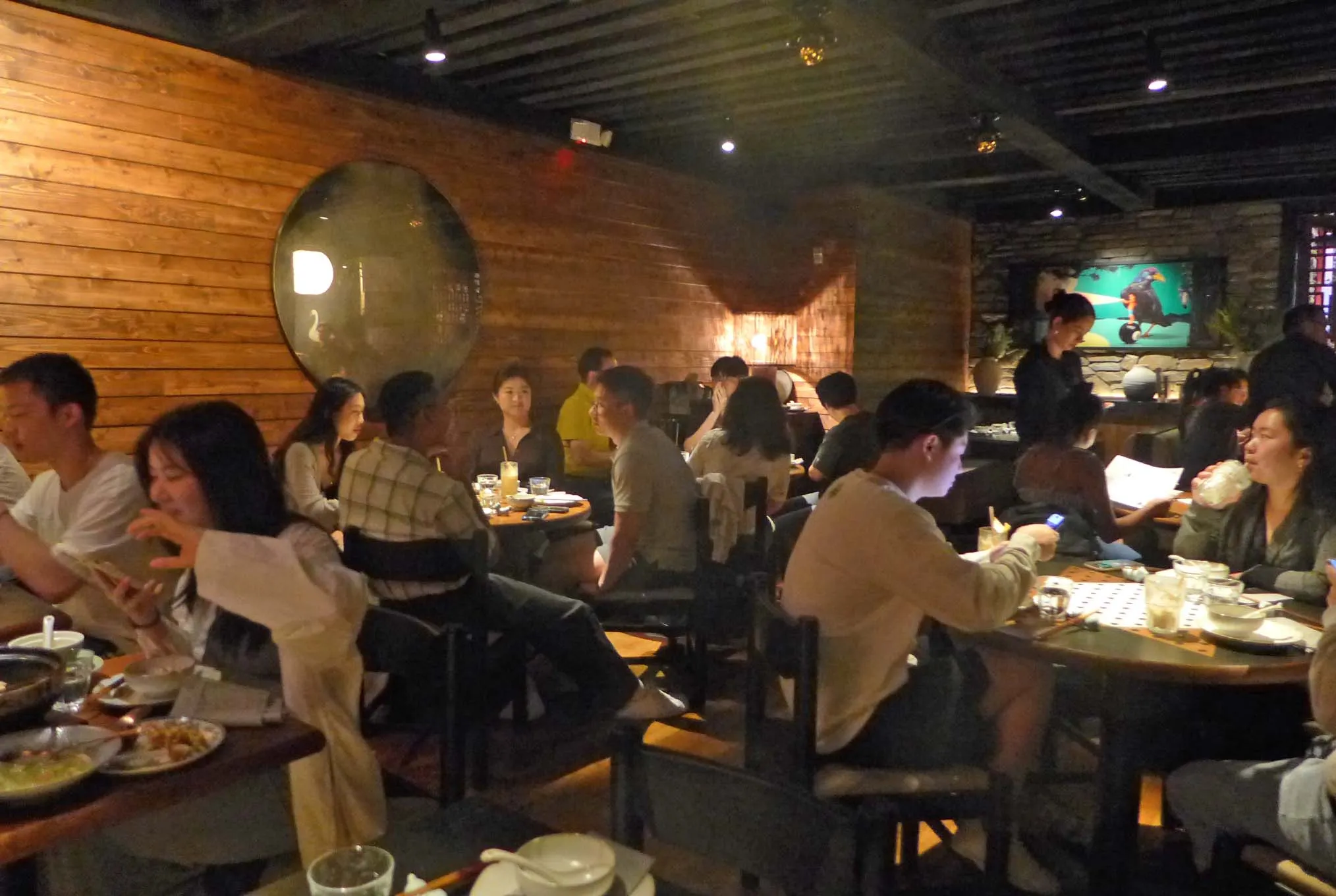
Today's featured idea sells exactly that: a heritage cook-in-residence operator. You recruit older cooks with real family recipes, document the stories and the rights, handle the pay and contracts and allergen sheets, then install them in restaurants as ticketed three-night residencies on the nights the dining room usually sits dead. Enoteca Maria's spinoff already runs the format at $87 a seat, Michelin nod and all. Vienna's Vollpension has paid its baking grandmas over €2.3 million. Six residencies a month at $6,000 each clears $432K a year, solo, before you write a single line of software.
Read the full playbook here:
Grandmacore is trending, but restaurants can't manufacture provenance. A heritage cook-in-residence model turns family recipes and elder cooks into three-night dining residencies for restaurants' dead nights.
From the Vault:

Amazon is closing Mechanical Turk to new customers on July 30, sending research labs scrambling to Prolific and CloudResearch Connect without losing a decade of study logic and quality controls.

CJ Olive Young merchandises beauty by heat index and UV forecast. A managed Shopify and Klaviyo service can bring weather-triggered merchandising to U.S. beauty retailers.


