


The Nonna Residency: Productize the Story Restaurants Can't Fake
Build the operating layer that turns family recipes and older cooks into limited-run dining residencies — without turning the people behind those recipes into props.
Restaurants have gotten very good at manufacturing atmosphere.
They order the same handmade-looking plates, install the same warm lighting, write the same origin-story menu copy, hire the same PR firms. Generative AI made the language of authenticity free. Any operator can now produce three paragraphs about a fictional great-grandmother in about nine seconds.
Provenance is the one input that hasn't been automated. A real person, a real recipe, a real memory that predates the business plan.
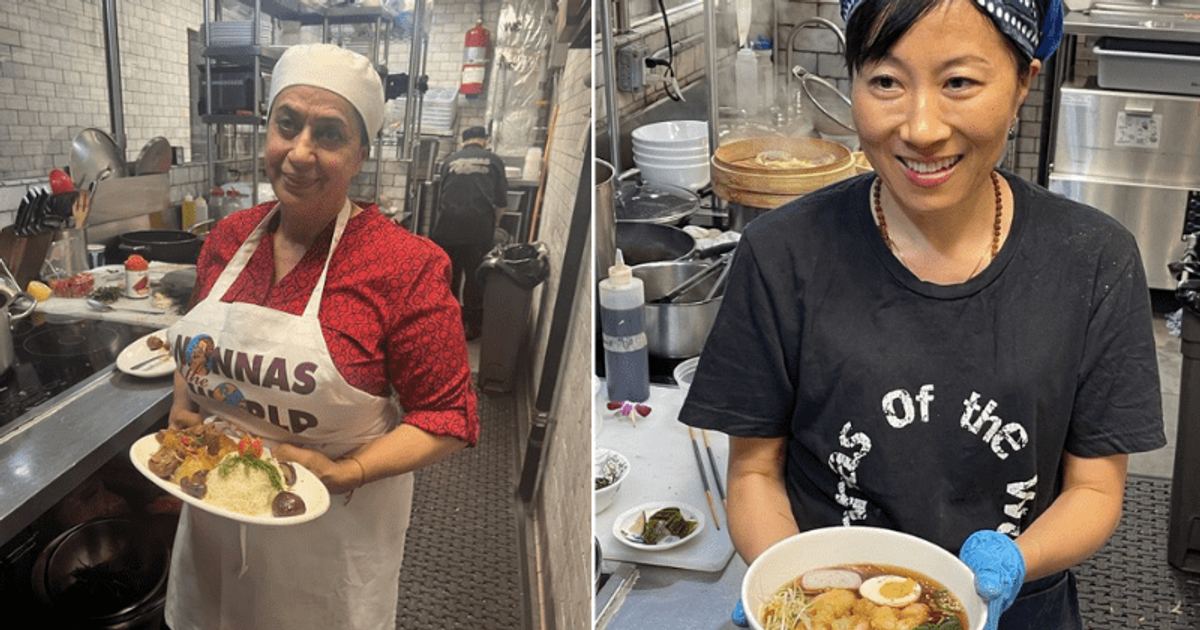
That scarcity is opening a gap, and there's a business sitting in it: a heritage cook-in-residence operator that recruits older cooks, documents their recipes and stories, and installs them into other people's restaurants as professionally produced, limited-run dining series.
Here's the shape of it:
The money: Six residencies a month at $6,000 average clears roughly $432,000 a year solo. Nonnas of the World already sells three courses at $87 a seat.
Inside:
• Three-role split that keeps cooks safe
• Residency pricing ladder with real margins
• 90-day MVP: 10 cooks, 3 venues, 1 run
• Six moats a copycat can't buy
Call it experience production. This isn't a marketplace. Restaurants don't scroll photos of grandmothers and book one for Saturday, and nobody is renting out labor by the shift. The operator handles everything that makes the idea hard to copy responsibly: community recruitment, contributor pay, recipe adaptation, contracts, story and likeness permissions, allergen documentation, ticketing, marketing assets, scheduling, day-of coordination. The venue keeps its licensed kitchen. The cook supplies authorship, cultural knowledge, and the thing customers actually came for.
The Product Is Provenance
Grandmacore made Yelp's 2026 trend list. Restaurants in Vienna, New York, Toronto, Turkey, and California are building around inherited recipes, elder cooks, and family-coded interiors as a correction to a decade of tasting-menu theater. Yelp's data shows the appetite running toward comfort and slowing down rather than buzz and scarcity.
The floral wallpaper is beside the point. What customers are responding to is evidence that somebody cared about the food before it became a product.
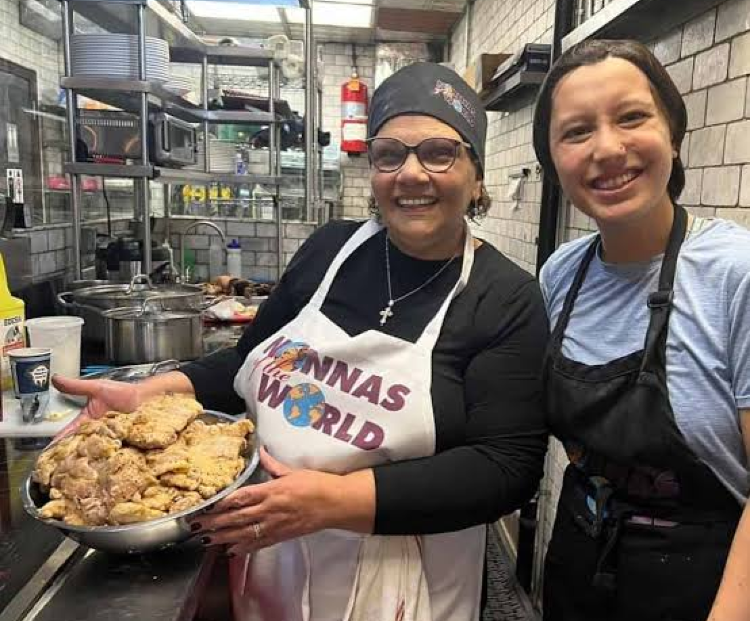
Any restaurant can print "Grandma's Sunday Gravy" on a menu. A resident cook can tell you why her family started adding one ingredient after they emigrated, which part of the recipe got rationed during a bad decade, and why the dish only came out twice a year. One of those is copywriting and one is provenance, and customers clock the difference within ninety seconds of conversation.
Restaurants aren't only competing with restaurants. They're competing with delivery, streaming, home cooking, and the customer's baseline instinct to stay on the couch. A residency manufactures a reason to leave the house on a specific Tuesday, buy a ticket three weeks early, and tell somebody about it afterward.
What the venue buys is traffic on a dead night, content it can't produce internally, press it can't buy, and a product its competitor down the street can't clone by Friday.
The Proof Is Already on the Table
Three companies have de-risked different pieces of this. None has assembled the whole thing.
Vienna's Vollpension started in 2012 as a one-week pop-up inside a tailor shop, no permits, no plan, and got pulled by demand into a national tour of ten baking grandmothers, then a real company, a permanent café, a baking academy, a food truck, and a second bakery. A large share of its staff are past retirement age, and it has generated more than €2.3 million in supplemental income for them. Its older workers bake, host, and teach; younger staff run admin, comms, and the grind of daily service. That division of labor is the most useful thing in the entire case.
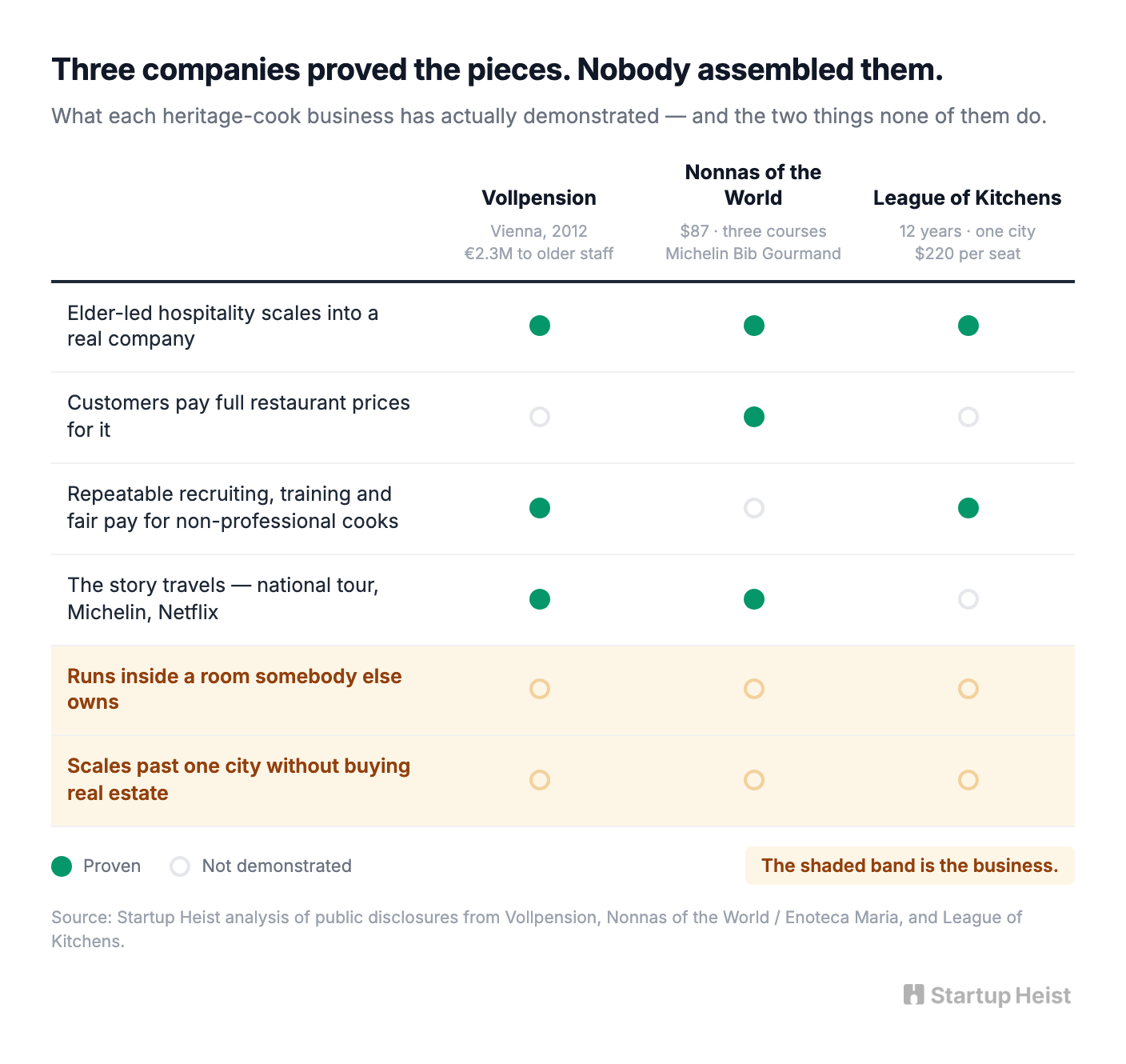
On Staten Island, Enoteca Maria has run since 2007 on a rotating roster of grandmothers cooking their home countries' dishes. Its successor, Nonnas of the World, sells a three-course seating at $87 per person across four seatings a day, Friday through Sunday, and holds a Michelin Bib Gourmand, so the format has cleared a quality bar and not just a novelty press cycle. Netflix's Nonnas, built on the concept, took 15.3 million views in its first three days as the platform's #1 English-language film and 58 million across the first half of 2025.
Then there's the one nobody in this conversation mentions. New York's League of Kitchens has spent twelve years paying immigrant home cooks, most of them older women and none of them professional chefs, to teach workshops in their own kitchens. It sells 4.5-hour immersions at $220 per person to groups of six. Instructors start at $25 an hour, get annual raises, and the earliest ones now make $31. Training is paid, forty hours of it.
Read the three together and the picture sharpens. Vollpension proves elder-led hospitality scales into a real company. Nonnas proves people pay full restaurant prices for the format and that the story travels far enough to become a Netflix film. League of Kitchens proves that the hardest part, recruiting and vetting and training and fairly paying non-professional older cooks, is a solvable operating problem rather than a fantasy.
All three own their own rooms. Vollpension bought its cafés. Nonnas has its building. League of Kitchens runs out of instructors' apartments, which caps it at six paying seats and, after twelve years, one city.
Nobody sells a residency system another restaurant can install for three nights. That gap is the business.
The Format Restaurants Already Buy
You don't have to teach the market a new behavior.
Chef residencies are an established format. A visiting chef takes over someone's kitchen for a few nights, a week, or a multi-week menu takeover. The host provides the room, the line, the front of house. The visitor brings the menu and works the existing team. It's the same machinery behind guest-chef series, pop-up dinners, and supper clubs. Hotels have leaned in hard enough that residencies now function as destination marketing, and operators already understand the contract shape, the revenue split, and the calendar.
So the sales conversation skips the part where you explain a strange new concept. It starts at: you know that guest-chef series you already run? The talent is wrong. It's another chef with another tasting menu, and your customer has seen forty of those. Here's talent nobody else can book.
The category is already sold. What changes is who's in the kitchen.
Why Restaurants Would Pay
The National Restaurant Association projects $1.55 trillion in restaurant and foodservice sales for 2026, with real growth of about 1.3% once you strip out menu inflation. Nearly all the top-line growth is price, not people. Meanwhile 42% of operators said their restaurants weren't profitable in 2025, up from 29% the year before. That's not a plateau; it's a floor giving way.
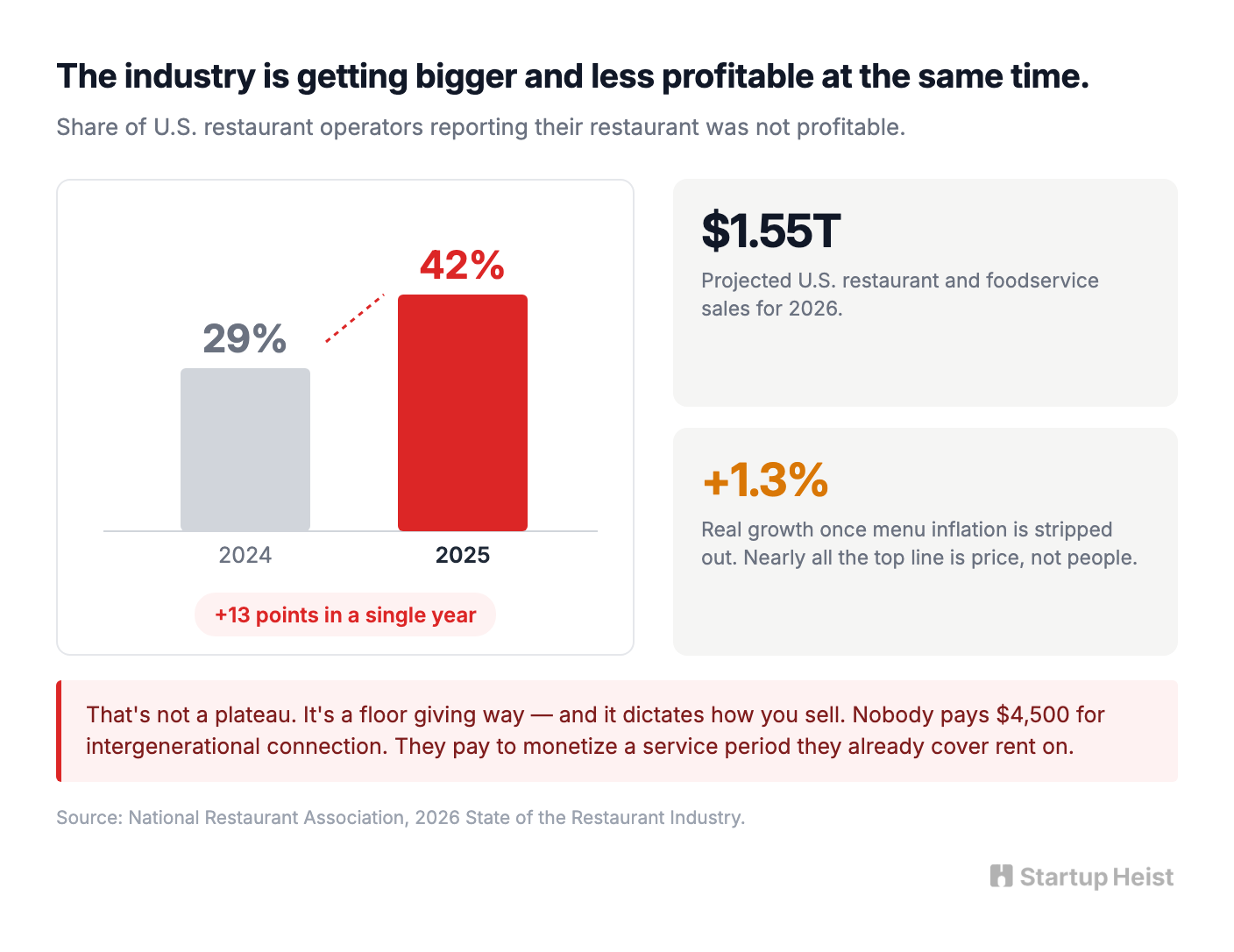
That math dictates how you sell. Nobody is paying four thousand dollars for intergenerational connection. Goodwill helps the press cycle; it doesn't sign the contract. The pitch has to be blunt:
We turn a service period you're already paying rent on into a prepaid, sold-out dining series with ticket revenue, beverage sales, new email addresses, and a quarter's worth of content.
Which means your first customers aren't the restaurants that are full. They're the ones with capacity they already pay for and can't monetize:
| Ideal customer | The unused asset |
|---|---|
| Neighborhood restaurant | Sunday, Monday, early-week covers |
| Café or bakery | Afternoons and dead evening hours |
| Boutique hotel | Private dining room, lobby, underprogrammed F&B |
| Food hall | Communal seating, recurring programming need |
| Culinary school or cultural center | Kitchens, classrooms, built-in audience |
| Premium senior-living operator | Resident programming and family events |
The wrong first customer is the packed Saturday-night spot that wants a 78-year-old to stand on a hot line and push 150 covers. That's a labor problem in a charming hat, and it ends badly for everyone in the room.
The Decision the Whole Business Turns On
The heritage cook is the author and the cultural authority. She is not necessarily the production line.
Get this wrong and everything downstream breaks. A home recipe is written for eight people. It runs on intuition instead of measurements, uses ingredients sourced from a specific shop by feel, and takes four hours that don't compress. Handing it back to its creator and asking her to reproduce it fifty times in a three-hour service window creates safety problems, consistency problems, and physical-demand problems at once.
Split the work into three roles instead:
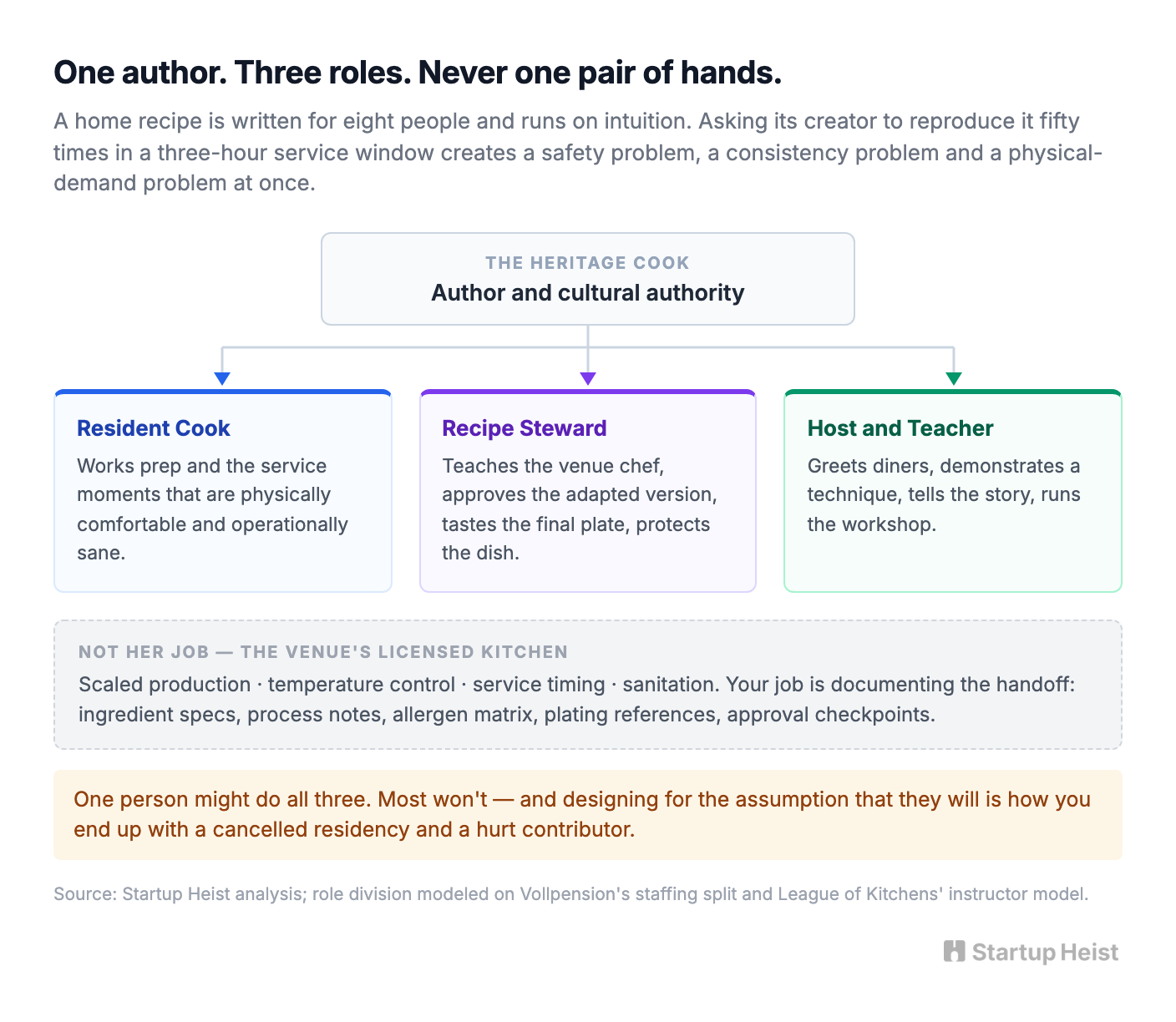
Resident Cook. Works prep and the service moments that are physically comfortable and operationally sane.
Recipe Steward. Teaches the venue chef, approves the adapted version, tastes the final plate, protects the dish's integrity.
Host and Teacher. Greets diners, demonstrates a technique, tells the story, runs the workshop.
One person might do all three. Most won't, and designing for the assumption that they will is how you end up with a cancelled residency and a hurt contributor.
The venue's professional kitchen handles scaled production, temperature control, service timing, sanitation. Your job is documenting the handoff: ingredient specs, process notes, allergen matrix, plating references, approval checkpoints.
The dish still belongs to her. It just doesn't require her to carry a restaurant on her back.
Sell a Residency, Not a Theme Night
Unlock the Vault.
Join founders who spot opportunities ahead of the crowd. Actionable insights. Zero fluff.
“Intelligent, bold, minus the pretense.”
“Like discovering the cheat codes of the startup world.”
“SH is off-Broadway for founders — weird, sharp, and ahead of the curve.”


