


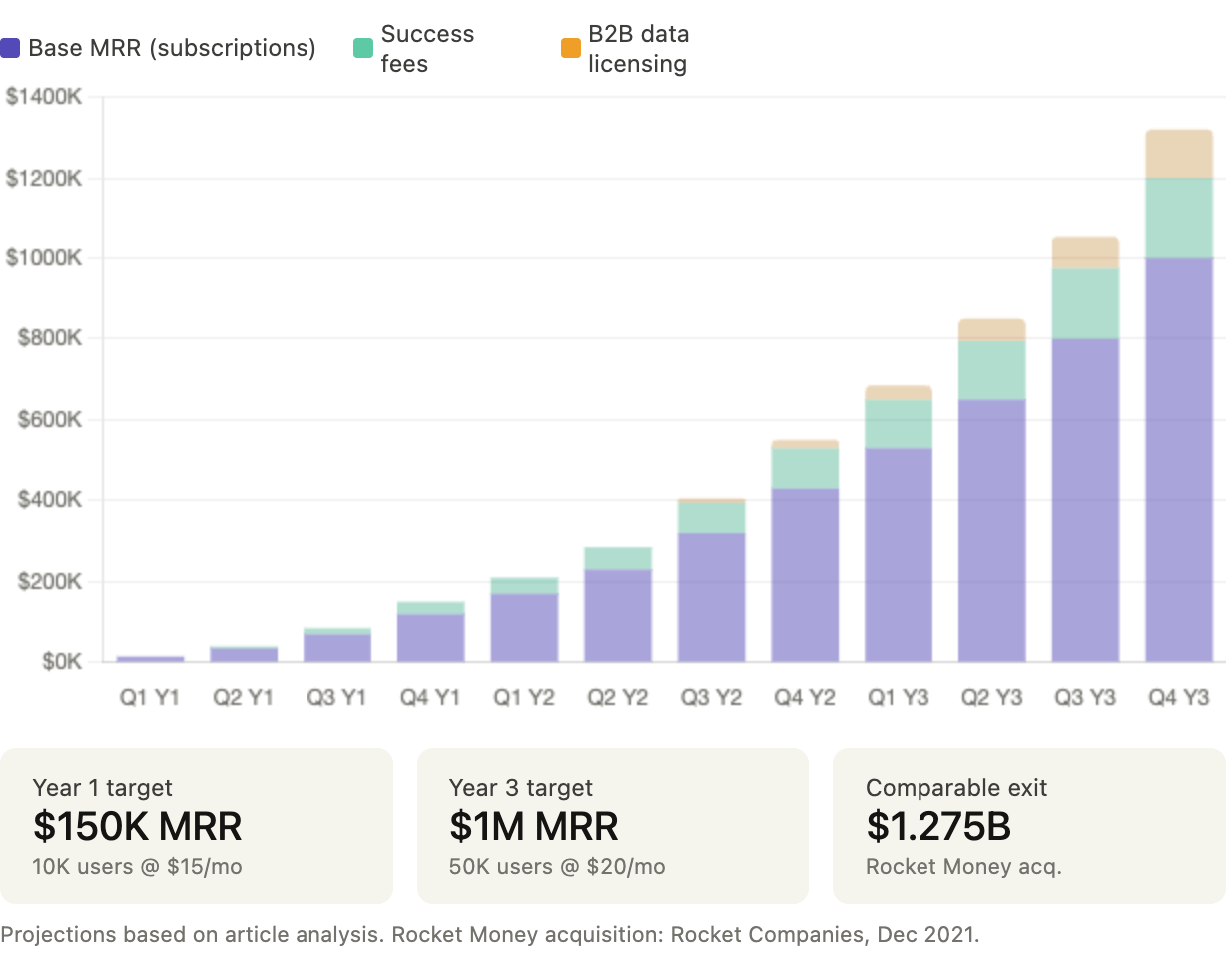
A small team building this AI automation tool can realistically reach $150K in monthly recurring revenue within a year, with a path to $1M MRR as it grows into caregiving coordination, healthcare scheduling, and bill negotiation. Rocket Money proved the cancellation wedge alone can produce a billion-dollar outcome.
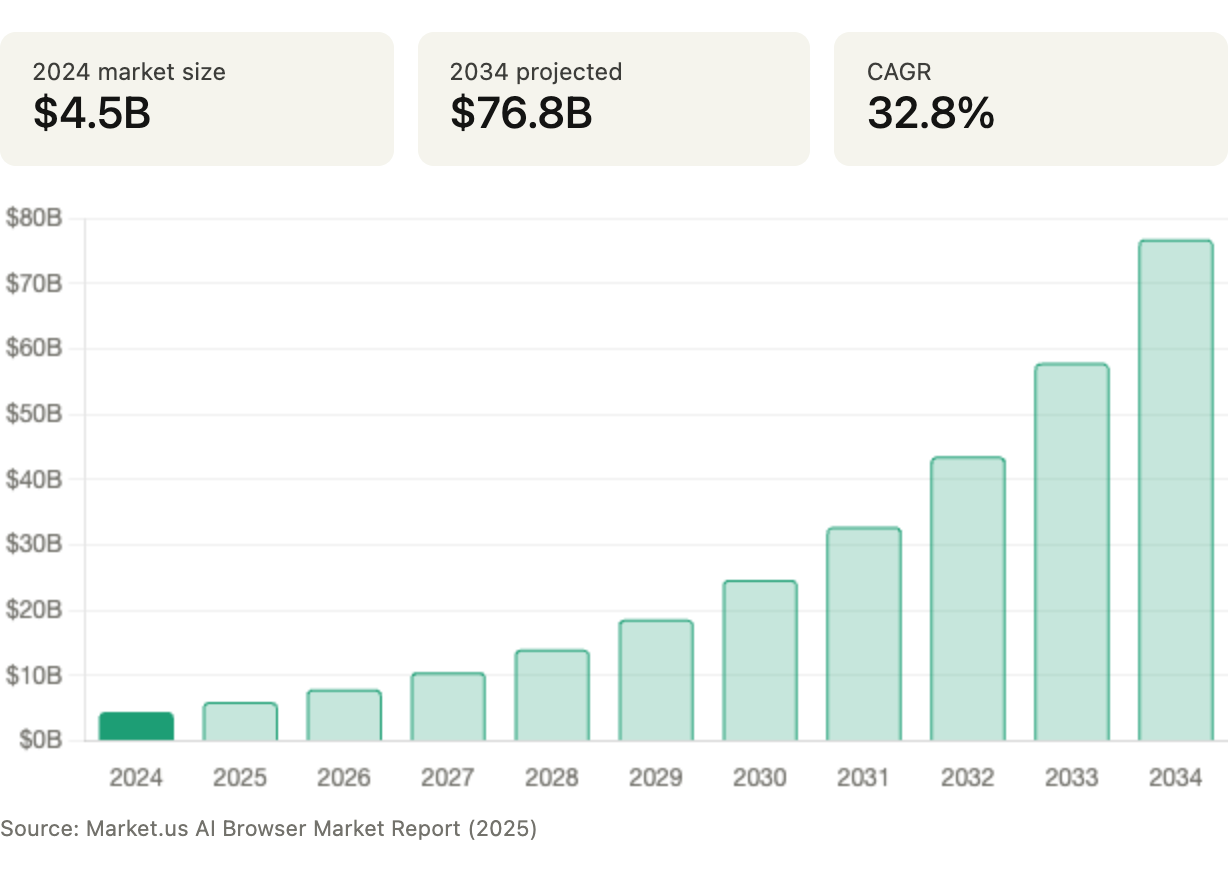
Consumer AI is moving from chat to action. Amazon shipped Nova Act for browser control. Google launched Chrome Auto Browse. Browser Use, a YC-backed open-source agent framework, crossed 78,000 GitHub stars. The AI browser automation market is projected to grow from $4.5 billion in 2024 to $76.8 billion by 2034. The infrastructure layer is here.
The obvious demo is "cancel Comcast for my grandma." The real business goes deeper: an administrative life agent that handles cancellations, appointment booking, plan changes, refund claims, benefits navigation, bill disputes, and every other chore sitting in the dead zone between "important" and "too annoying to do today." The browser is just the hand. What matters is the trust layer, the execution layer, and the workflow memory behind it. This is one of the strongest AI startup ideas in the consumer space right now — a genuine micro-SaaS opportunity for solopreneurs and small teams who want to build tools for personal task automation that people will pay for on day one.
Why This Opportunity Has Teeth
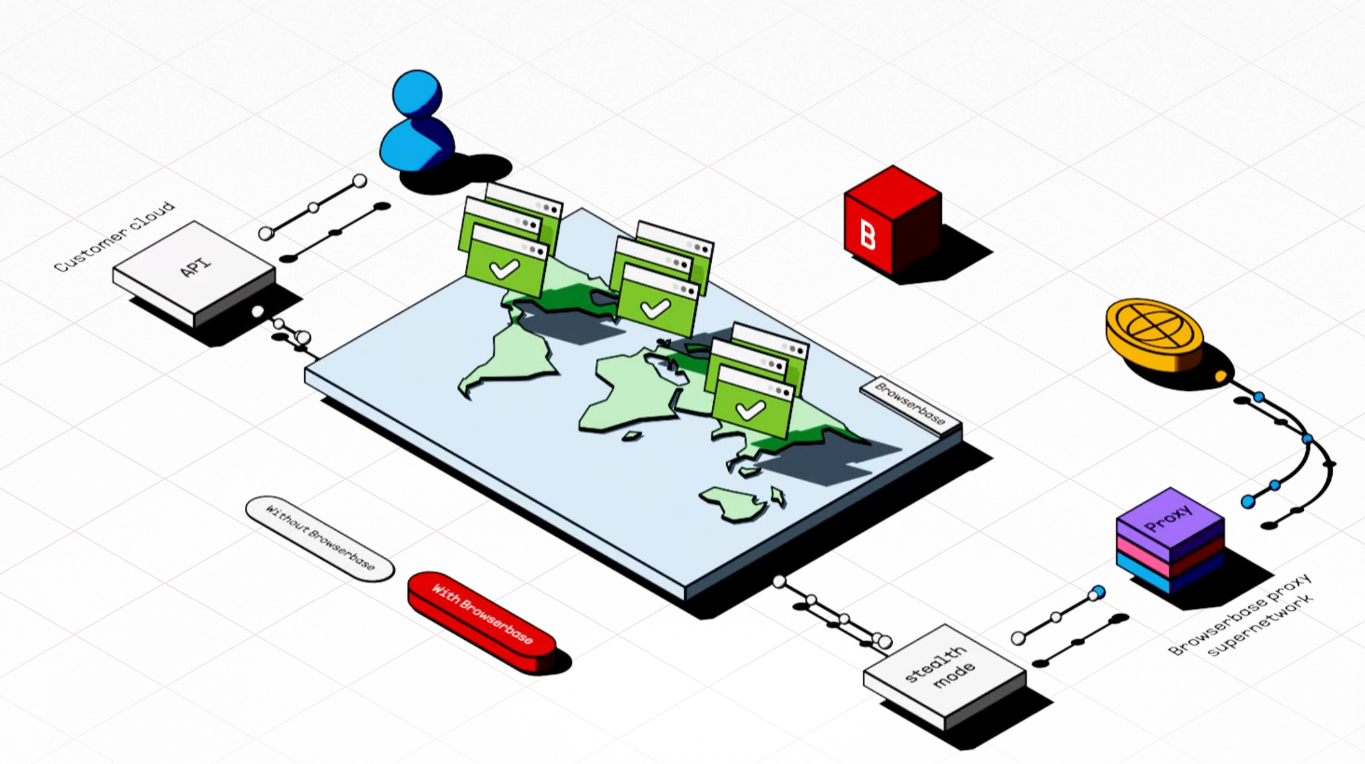
The tech is ready. Browserbase raised a $40 million Series B at a $300 million valuation, 16 months after launching, with over 1,000 customers and more than $3 million in revenue. Browserless, a bootstrapped browser-infrastructure company with under 10 people, crossed $1.3 million ARR. The plumbing works. The question is who builds the consumer product on top.
The pain is measured. The FTC has received over 100,000 consumer complaints related to subscription and negative-option practices over the past five years. Top themes: unclear disclosures, unexpected charges, and cancellation flows designed to exhaust you into giving up. The FTC's amended complaint against Uber alleges the company enrolled more than 28 million consumers in Uber One, and that canceling required navigating up to 23 screens and taking as many as 32 actions.
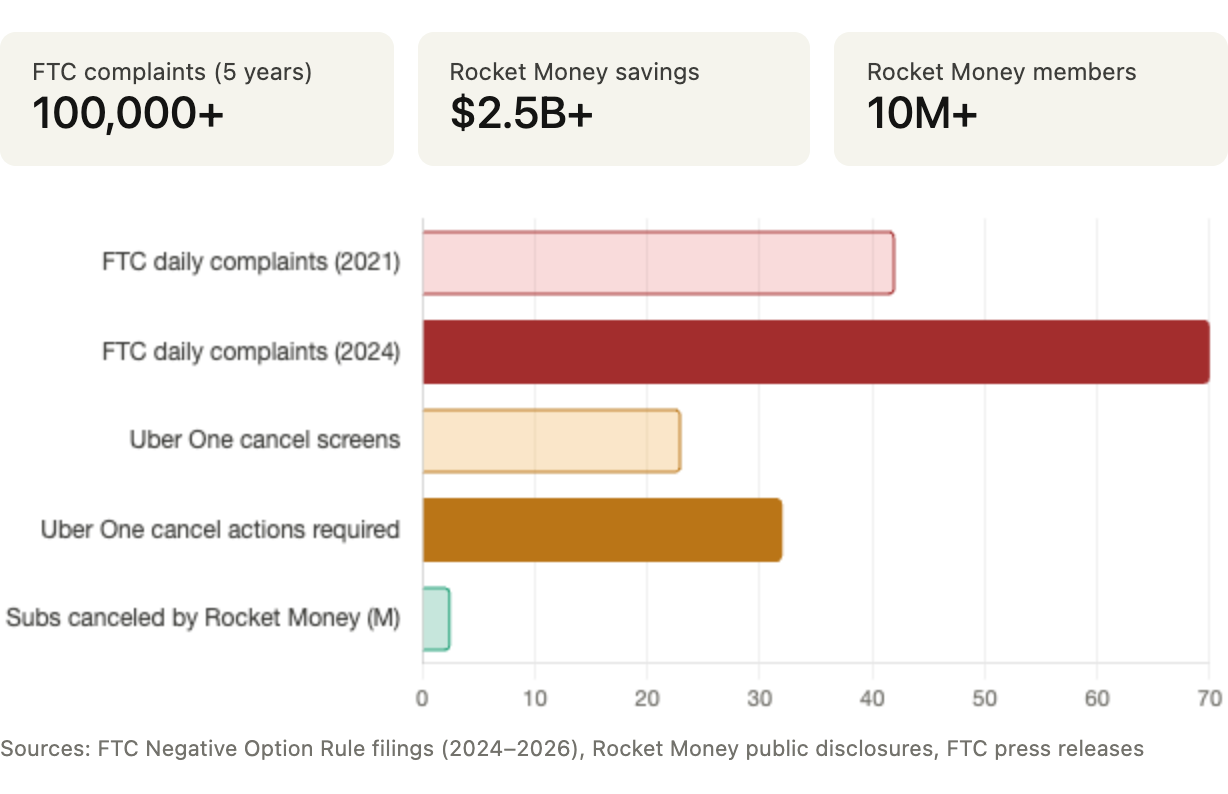
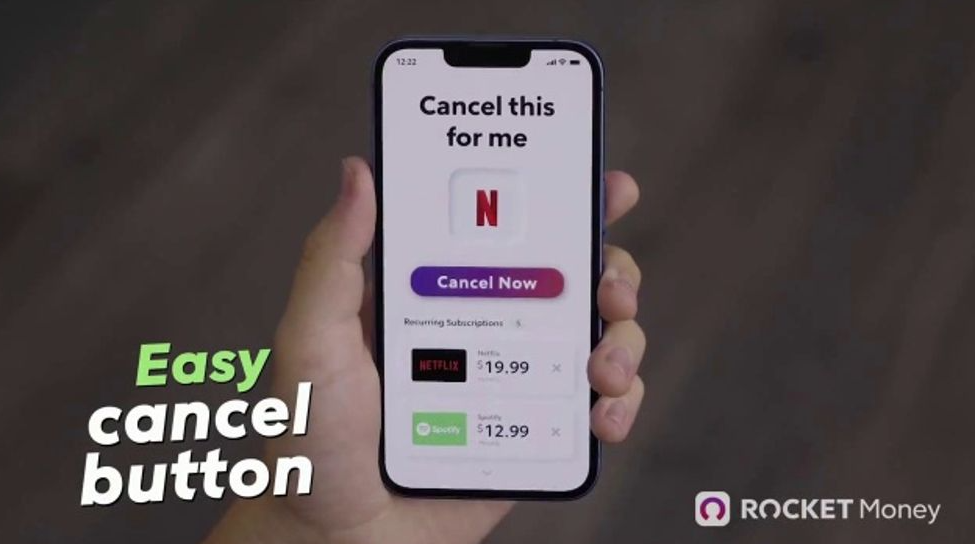
Users already pay to escape. Rocket Money has scaled past 10 million members, canceled nearly 2.5 million subscriptions, and saved users over $2.5 billion. But full hands-off cancellation requires a Premium subscription ($6–$14/month), and even then, the service falls back to manual instructions for unsupported providers. Consumers are already paying to offload admin pain. Today's products are concierge layers and partial integrations. The next product is the agent that can actually execute the task end to end.
Institutions are automating the defense. Intercom markets resolution rates north of 40%. Zendesk pushes AI agents deeper into service workflows. Companies are getting better at automating their side. Consumers still have their thumbs and a hold queue. That asymmetry creates a strategic opening: build the software that works for the person on the other side of the chat box.
People don't want "agentic browser orchestration." They want their afternoon back.
Where the Moat Lives
If you build this as a generic desktop wrapper around Playwright plus an LLM, you're in commodity territory on day one. Agent benchmarks already show that core navigation competence is commoditizing — multiple open-source agents cluster in the high-80s to low-90s percent success range on standard web tasks. "Can click buttons" will not differentiate you for long.
The moat is structured knowledge of institutional friction.
Every time your system attempts a cancellation, books an appointment, disputes a fee, or updates a plan, it logs: which paths a provider presents, where the flow breaks, which steps change over time, which phrases and escalation routes work best, how long each path takes, what proof the institution accepts, and which outcomes are reversible, partial, or final.

Over time, you're assembling a proprietary map of consumer bureaucracy. Provider-specific workflow intelligence — not generic automation.
Comcast changes its cancel flow. A regional insurer changes prior-auth wording. A provider hides the appointment link behind a portal upgrade. A bank quietly changes dispute routing. Your system learns faster than the average user even notices. That's the real compounding asset: a living graph of friction across institutions and channels.
Worth noting: the FTC's new Negative Option Rule tightens requirements around subscription cancellation and bans misleading retention tactics. That marginally lowers consumer pain over time — but it also raises compliance costs for merchants. A "compliance-friendly canceller" with deep workflow data becomes a potential partner to providers, not just an adversary. The regulatory shift opens a second lane.
The Smartest Wedge
"Grandma" is the marketing story. The better early wedge is adult children managing admin for parents, followed by busy professionals drowning in recurring services.
The 2025 Caregiving in the U.S. report found that 63 million Americans are now family caregivers — nearly 1 in 4 adults, up from 43 million in 2015. Caregivers spend an average of 27 hours per week providing care. Only about a third use any paid help. Nearly half report at least one major financial impact, including taking on debt or burning through short-term savings.

That's a massive pool of people already doing unpaid administrative ops work for someone else. Help a daughter manage her father's cable, appointments, insurance paperwork, and renewals, and you're not saving 20 minutes. You're reducing ambient stress in an already overloaded system. Products like that get forgiven for being imperfect, as long as they're useful. And they get referred constantly.
If you pursue this wedge, build explicit UX for "I manage for someone else" — permissions, shared inboxes, and "acting as" flows. That's the kind of specificity that turns a feature into a positioning advantage.
The Category Goes Much Wider Than Cancellations
Cancellations are a great wedge because the success metric is clean and the pain is universal. The real platform is broader.
You are building a stack that turns a clever demo into a system people actually keep paying for. The strongest version looks like this (4 modules):

Unlock the Vault.
Join founders who spot opportunities ahead of the crowd. Actionable insights. Zero fluff.
“Intelligent, bold, minus the pretense.”
“Like discovering the cheat codes of the startup world.”
“SH is off-Broadway for founders — weird, sharp, and ahead of the curve.”


