


In 1941, Hollywood's biggest star and an avant-garde pianist walked into a patent office with an idea that would take sixty years to change the world.
Hedy Lamarr had fled her first husband, an Austrian arms dealer who'd dragged her to Nazi weapons meetings. She understood munitions. George Antheil had spent years trying to synchronize sixteen player pianos for a single composition. He understood coordination.
Together, they designed a torpedo guidance system that hopped between 88 radio frequencies — one for each piano key — synchronized by matching perforated paper rolls inside the ship and the weapon. Patent No. 2,292,387: a "Secret Communication System."
The Navy's response: We think you're trying to put a piano inside a torpedo. They told Lamarr to go sell war bonds.
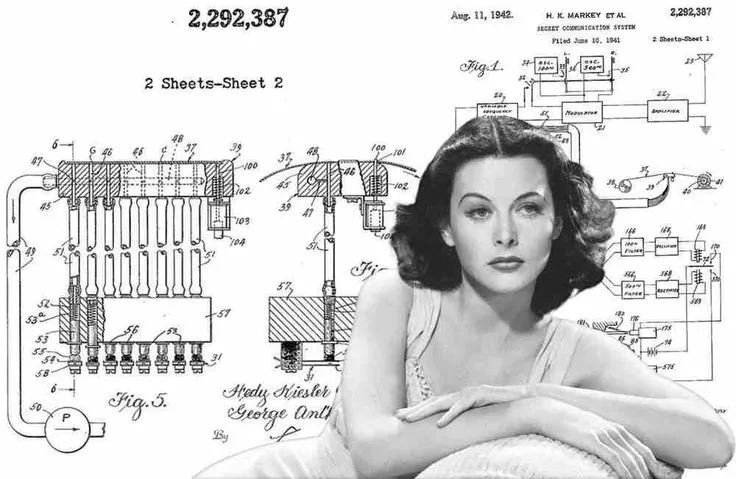
The concept was sound. The mechanism looked ridiculous. And the people evaluating it could not separate one from the other. Frequency-hopping spread spectrum, as it's now called, underpins WiFi, Bluetooth, and GPS. Lamarr never saw a dime.
Most breakthrough capabilities don't die because the concept fails. They die because the packaging doesn't match what the buyer expects to see.
Generative AI video is stuck in the same gap. Runway, Sora, and Kling can produce cinematic-quality motion in seconds. But the delivery mechanism for professionals — type a prompt, hope for the best — doesn't meet the bar. The capability is real. The wrapper around it isn't.
Today's startup idea: a curated AI video marketplace that turns generative chaos into a reliable production tool. Structured shot specs in, vetted synthetic b-roll out. Getty meets Envato, rebuilt AI-native.
The wedge is going after shots that don't exist on any stock library: a macrophage engulfing bacteria, data flowing through a CPU cache, a yield curve inverting in real time. Technical b-roll too niche to film and too expensive to animate traditionally.
A focused two-person team running one vertical can hit $35K+ in monthly recurring revenue within nine months — with three revenue layers stacked so that a single delivered clip generates income at the point of creation, again as a library asset, and again as a regeneration template.
Read the full playbook here:
Stock libraries can't keep up with demand for technical explainer footage. A new AI-native model turns structured video bounties into a regeneratable clip library with compounding subscription revenue.
From the Vault:

The technology scouting software market is headed toward $600M+ but every tool tracks companies after they raise. This AI-powered micro-SaaS idea tracks what builders are shipping now and sells the gaps to founders and VCs.

Billion-dollar sleep apps sell audio content. A startup idea in wearable health tech that reads your physiology, adapts sound in real time, and proves it downshifted your nervous system could own the outcome layer they ignore.


