


The ATM landed in American banks in the 1970s and everybody did the obvious math. Machine hands out cash, teller hands out cash, teller is finished.
And the machine worked exactly as advertised. James Bessen counted it: the average urban branch ran 20 tellers in 1988 and 13 by 2004.
Then came the part nobody priced in. A branch that only needs 13 people is a lot cheaper to open, so banks opened more of them. Urban branches climbed 43%. Fewer tellers per branch, far more branches, and total teller employment went from roughly 500,000 in 1980 to 550,000 in 2010.
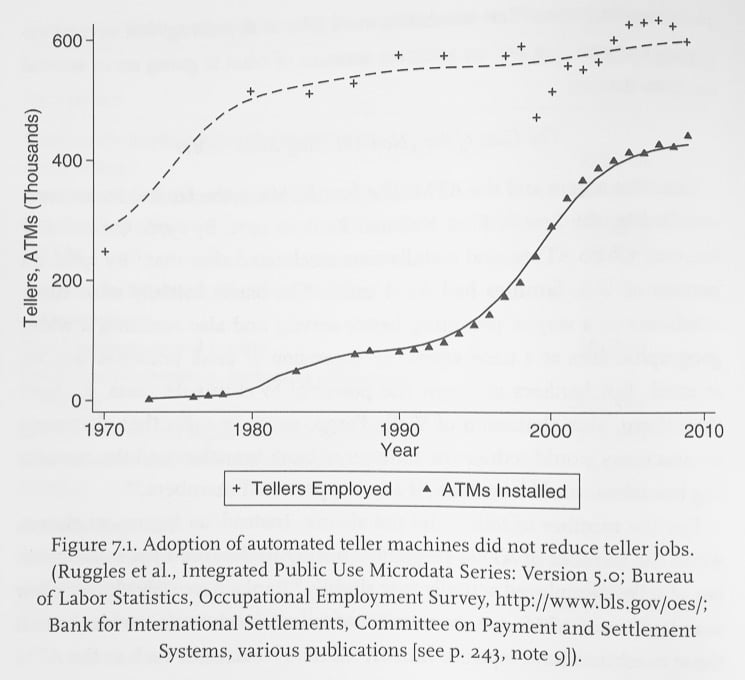
The machine ate the boring 90%, the counting of twenties, and left the 10% that needed a person. That 10% turned out to be worth more. Tellers stopped being cashiers and became part of the relationship banking team, which is a polite way of saying they started selling. It took mobile banking, decades later, to finally thin them out.
Automation always does this. It eats the routine and leaves a concentrated residue of weird. Go stand in a store with nobody in it and watch.
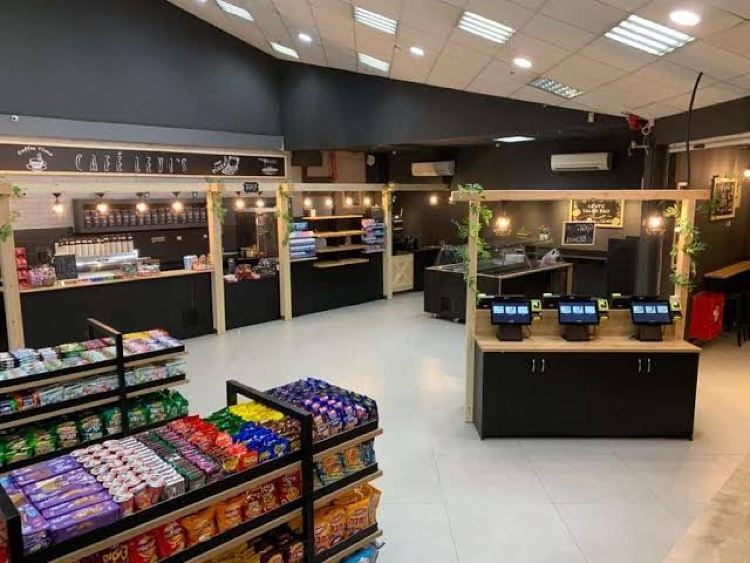
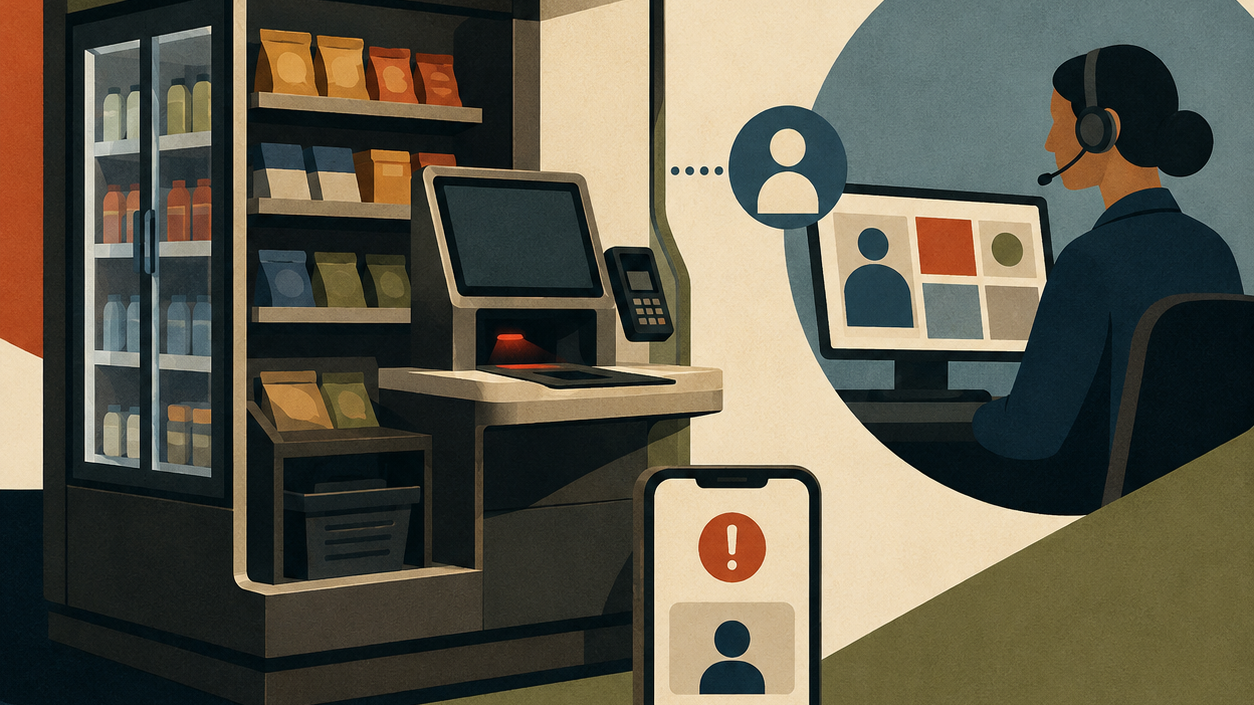
Micro-markets, the unattended mini-marts in offices and hospitals and factories, went from 42,900 U.S. locations to 55,770 in a single year. The kiosk scans, takes the tap, prints the receipt, works at 2 a.m. without overtime. Then somebody gets charged twice, or the shelf tag says $3.49 and the screen says $4.99, and there's nobody to ask. There never will be.
So sell the store 90 seconds of human judgment. A QR code beside the kiosk, its URL already carrying the operator, the building, the kiosk ID, the POS vendor. Routine stuff resolves itself. The rest routes to a pooled remote desk covering hundreds of markets at once. Four hundred locations at $249 a month is roughly $100K MRR at 70% margin.
And the door is propped open. 365 Retail Markets already held about 70% of these kiosks when it bought its closest competitor in May, and June's FTC consent order makes it keep third-party integrations open on fair terms until 2036.
Read the full playbook here:
Micro-markets crossed 55,770 U.S. locations with nobody working them, and a June 2026 FTC consent order forces the 70% kiosk incumbent to open its integrations for a decade.
From the Vault:
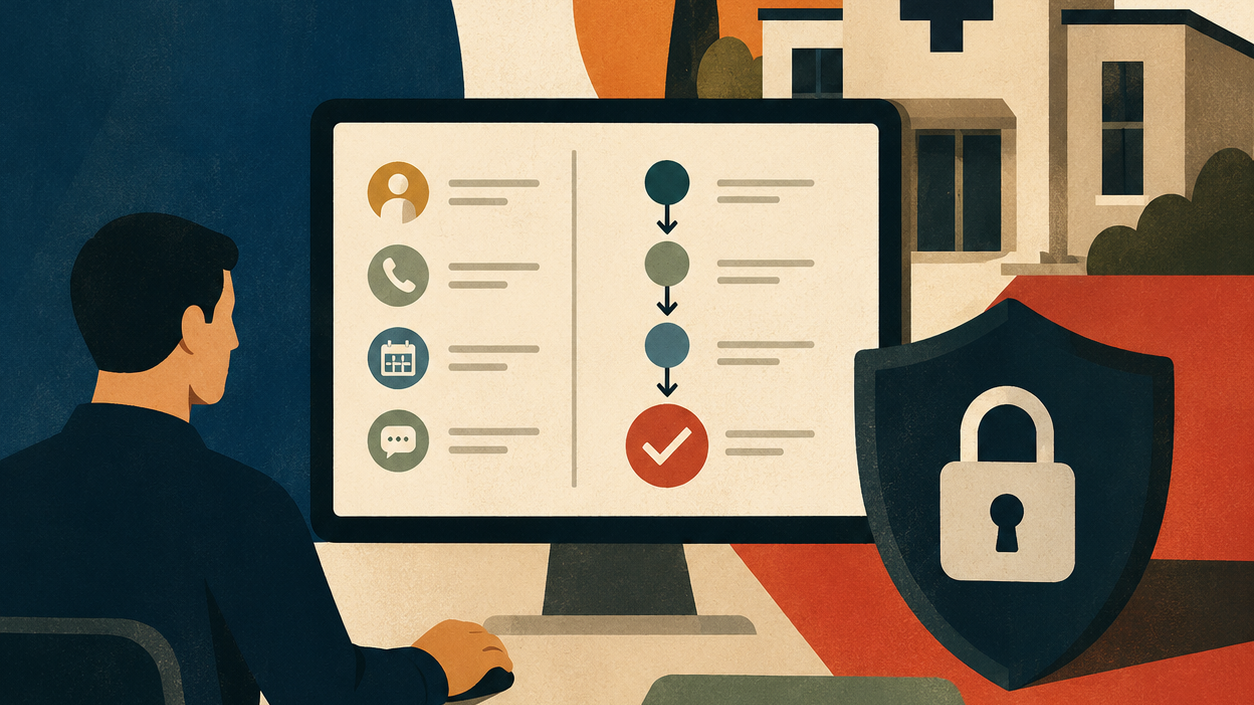
Cash-pay longevity and functional medicine clinics buy expensive inquiries and lose them to unanswered phones, missed bookings, and no-shows. The revenue operations layer between inquiry and consult is unbuilt.
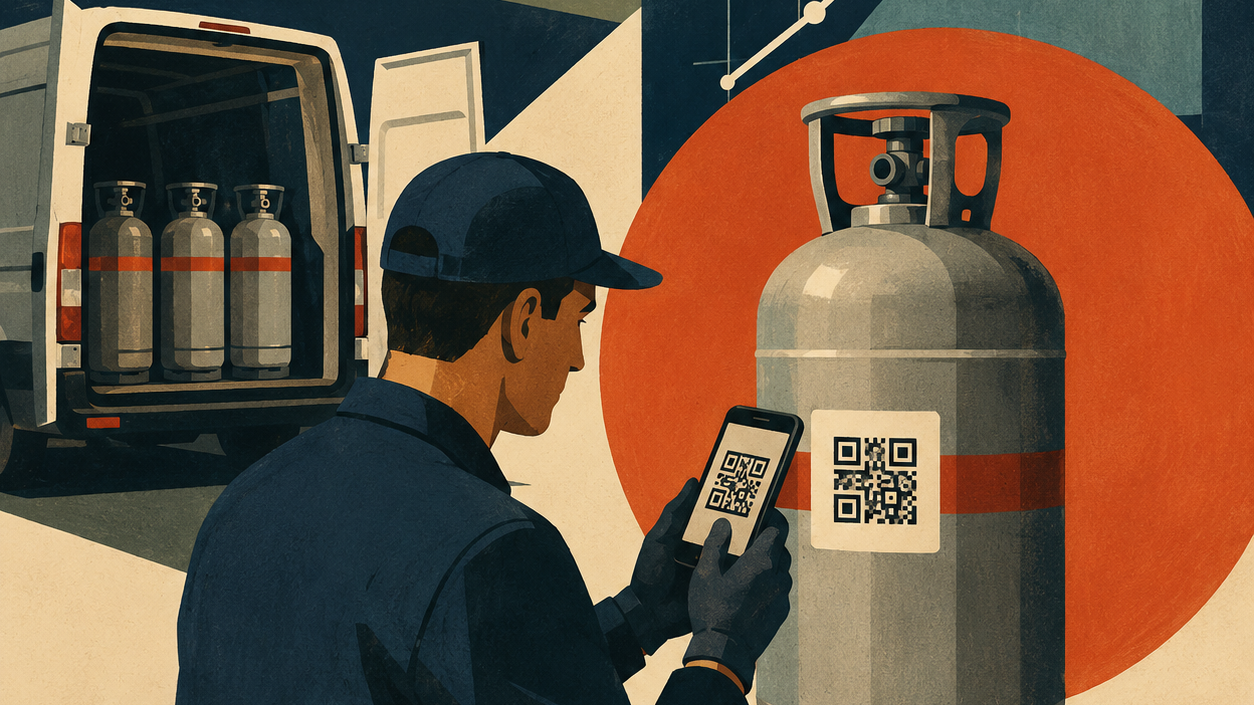
HVAC shops running 8 to 25 trucks buy refrigerant at $25 a pound and cannot document where it goes. Every tracking product on the market starts in the wrong place.


