


GLP-1 drugs are rewriting the American grocery basket in real time. Ozempic, Wegovy, Mounjaro — these medications suppress appetite, alter taste preferences, and can cut daily calorie intake by 20–30%. The result is a consumer who still needs to eat but whose relationship with food has fundamentally changed.
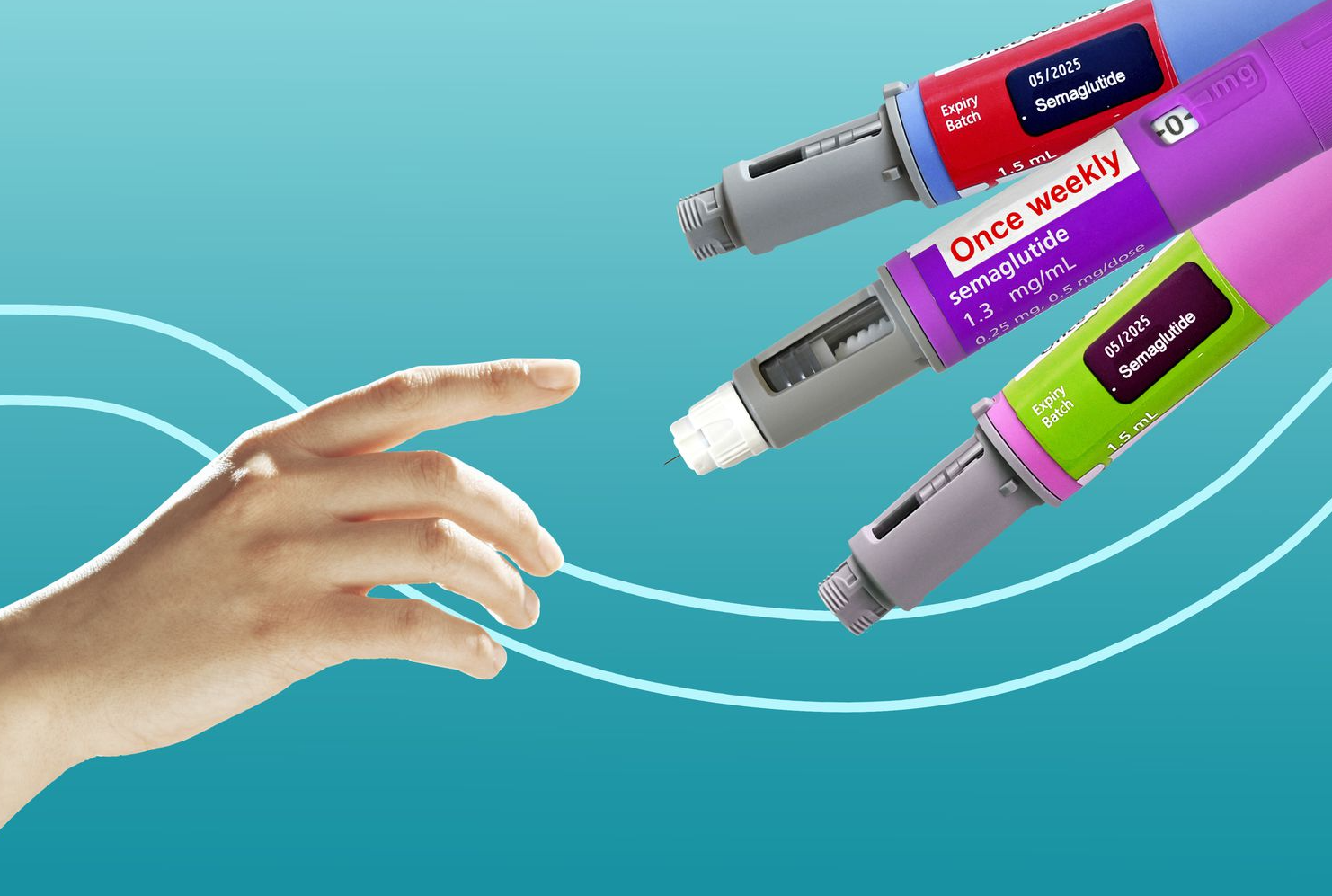
The biggest food companies in the world are scrambling to catch up — and leaving a gap wide enough to build a business through.
A well-segmented subscription box at $59–$89/month is just the customer acquisition device. Layer in a digital membership ($9–$19/month), paid brand placements, clinic onboarding bundles, and anonymized tolerance data that every CPG brand in America would pay for — and you're looking at a stacked revenue model with a compounding data moat no single snack brand can replicate.
This is a food business idea disguised as a health-tech data play, and it's one of the more compelling niche ecommerce opportunities we've seen this year.
The "GLP-1 food aisle" is no longer hypothetical. It's emerging in real assortments, real packaging, and real pharmacy programs. The question is who builds the infrastructure layer underneath it.
The Market Snapshot
Cornell research found that within six months of starting a GLP-1, households reduced grocery spending about 5.3%, with savory snacks down roughly 10%, sweet bakery down about 7%, and fast food spending dropping around 8%. Meanwhile, "healthier convenience" categories — snack bars, yogurt, no-sugar beverages — gained ground.
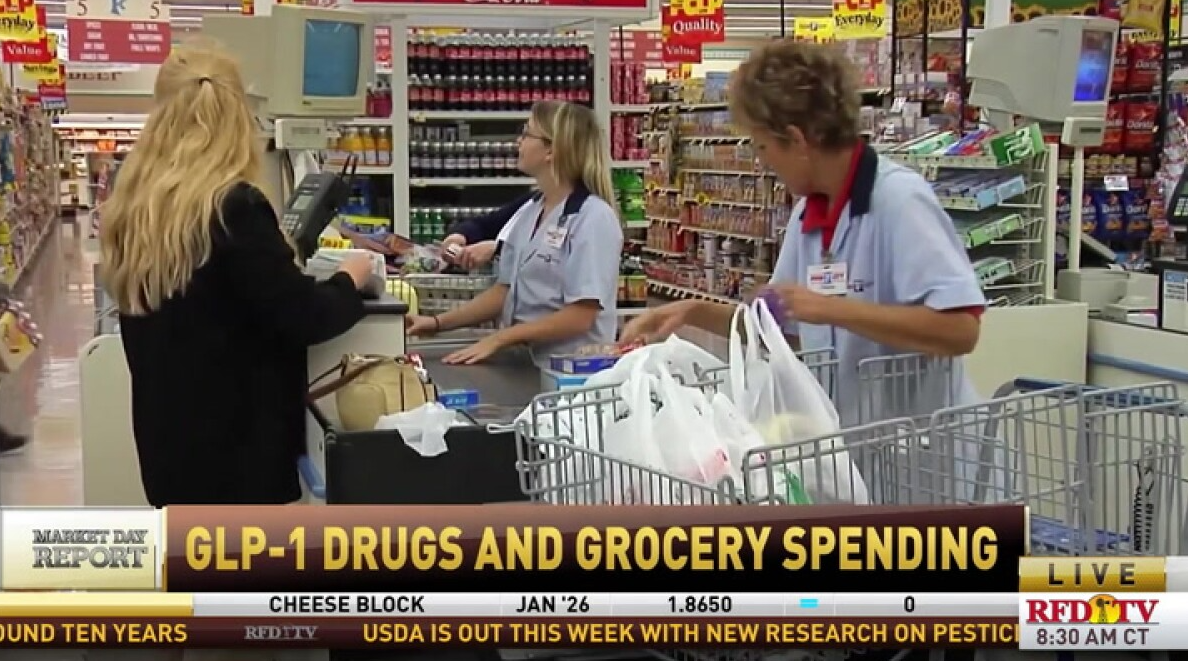
Gallup data shows 12.4% of U.S. adults now report taking GLP-1 injectables for weight loss, more than double the 5.8% rate from early 2024. UBS projects the global user base hitting 40 million by 2029. A pill version of Wegovy hit 70,000 U.S. pharmacies in January 2026. Access is expanding fast, and the consumer base is no longer a niche — Circana projects GLP-1 households (currently about 23% of U.S. households) will drive roughly 35% of all food and beverage unit sales by 2030.
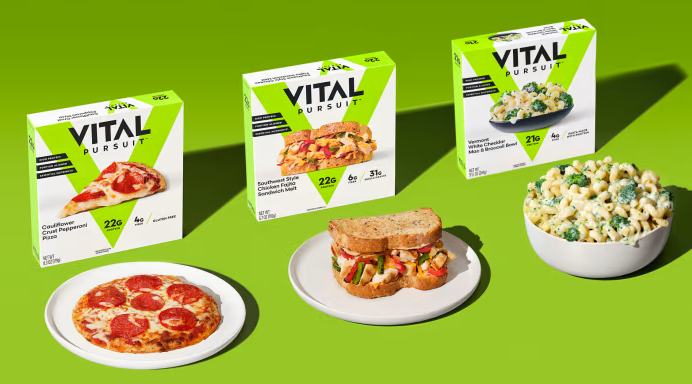
The incumbents are already labeling the aisle out loud. Conagra added a "GLP-1 friendly" badge to 26 Healthy Choice meals. Smoothie King built an entire GLP-1 Support Menu co-developed with a health system — high protein, fiber-forward, zero added sugar. ShopRite launched free "Wellness Your Way" GLP-1 starter kits tied to first prescriptions at its pharmacies. Nestlé launched Vital Pursuit, a portion-aligned, high-protein frozen food line explicitly marketed to GLP-1 users. EY-Parthenon estimates GLP-1 adoption could put up to a $12 billion dent in snack food market growth.
Every one of those moves is brand-specific or retailer-specific. None of them is a neutral, cross-brand system. That's your opening.
Why a "GLP-1 Snack Box" Alone Doesn't Cut It
A curated subscription box can work as a wedge, but it won't survive as a standalone business.
Clonability. Anyone can curate macros on Shopify. Putting protein bars in a box isn't defensible — "GLP-1 discovery boxes" like My Companion Box already exist.
Switching costs are near zero. Once users find the three to five items they reliably tolerate, they defect to Costco, Amazon, or the local grocery store.
CAC pressure. You're competing with every protein bar brand and every GLP-1 telehealth company buying the same keywords and audiences.
Retail gravity. The moment the idea works at any scale, big players bundle it into pharmacy and onboarding flows. ShopRite is already doing this at the pharmacy counter. Telehealth platforms that own the prescriber-patient relationship could bolt on their own curated boxes tomorrow, especially if CPG brands fund them.
The box is the customer acquisition device. The business is what you build behind it.
The Insight Most People Miss
Most brands interpret GLP-1 as "people want healthier snacks." That reading is too shallow.
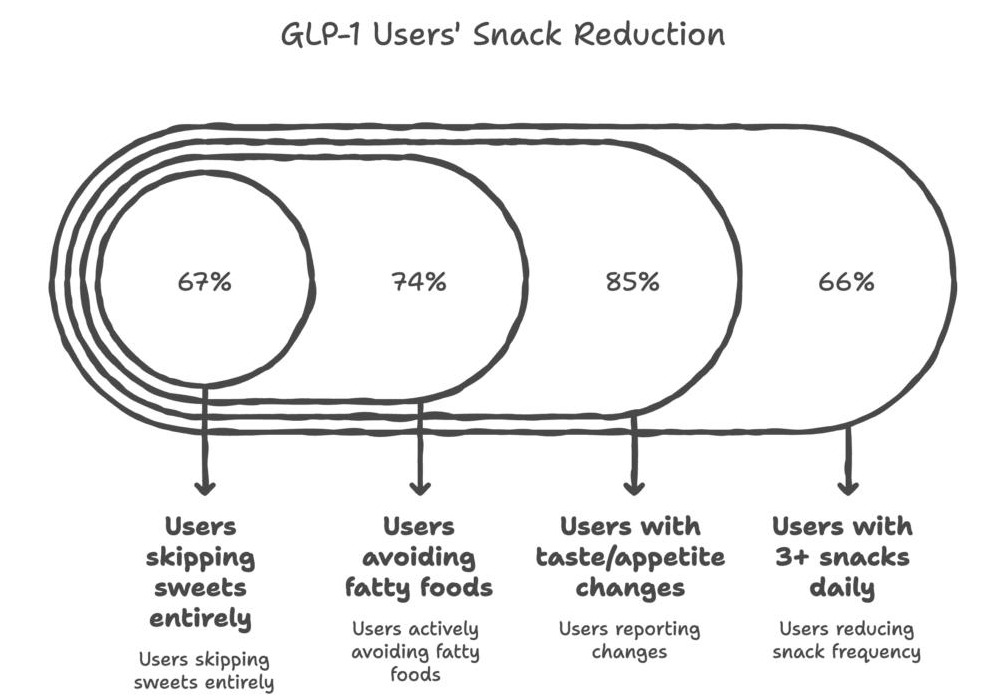
GLP-1 changes eating capacity and tolerance, not preferences. Research shows that 85% of GLP-1 users experience significant taste and appetite changes, with large majorities actively avoiding fatty foods and skipping sweets entirely. Users report that things they once craved simply stop appealing, while new preferences develop for lighter, more textured foods. Separate studies found significant declines in cravings across salty, spicy, and starchy categories.
The buyer's actual job becomes: What can I reliably tolerate, in small portions, that still hits protein, doesn't spike sugar, and doesn't make me nauseous?
That problem is messy, individualized, and recurring. Capture it as structured data and it becomes your moat — because no brand website is going to host "this product made me sick on Week 2 of semaglutide" reviews.
The Real Business: Become the GLP-1 Food Graph
The full play unfolds across three phases.
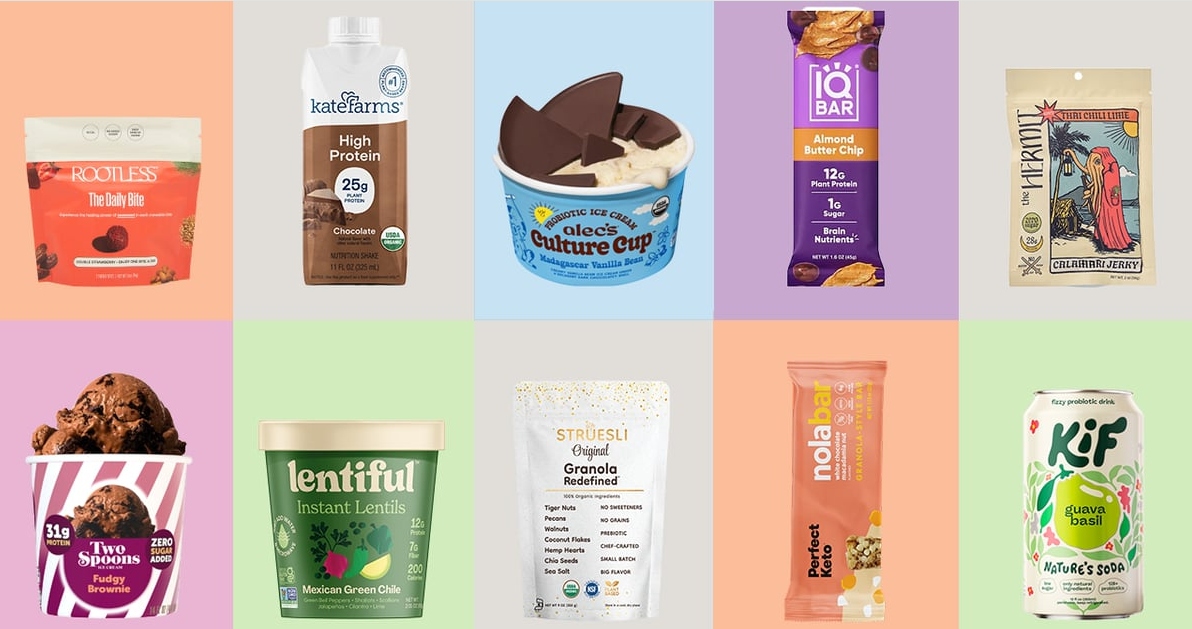
Phase 1: The Wedge — "GLP-1 Snack Stack" Boxes, Segmented by Constraint
Unlock the Vault.
Join founders who spot opportunities ahead of the crowd. Actionable insights. Zero fluff.
“Intelligent, bold, minus the pretense.”
“Like discovering the cheat codes of the startup world.”
“SH is off-Broadway for founders — weird, sharp, and ahead of the curve.”


