


Michel Gauvreau had the least glamorous job in Quebec. On July 30, 2012, his firm was counting inventory at the Global Strategic Maple Syrup Reserve, a red brick warehouse off the Trans-Canada Highway stacked to the ceiling with 54-gallon barrels.
He climbed one to get a better look at the stack above it. The barrel tipped. Empty.
So he checked the next one. Then about a thousand more. Six million pounds of syrup, roughly $18 million worth, siphoned off over months, with the barrels topped back up with water so the stacks still looked right. The thieves were truckers, syrup dealers, sugar shack guys. People with keys.
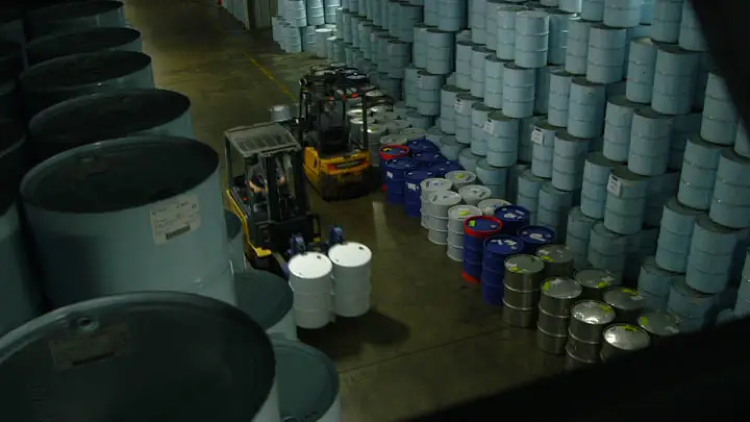
And the count was never wrong. Every barrel sat exactly where the ledger said it would, which is the part that should keep you up if you own inventory. The reserve knew how much syrup it had. Nobody was checking what was actually inside the barrels.
Seven-Eleven Japan mailed its franchisees a letter about the same blind spot this July. Staff at some stores were pulling anime and Pokémon merch before the printed release date, buying it themselves, flipping it. Every unit got scanned and paid for. The books balanced beautifully. And the people who lined up outside at open still couldn't answer the only question they cared about: did we ever have a shot at this?
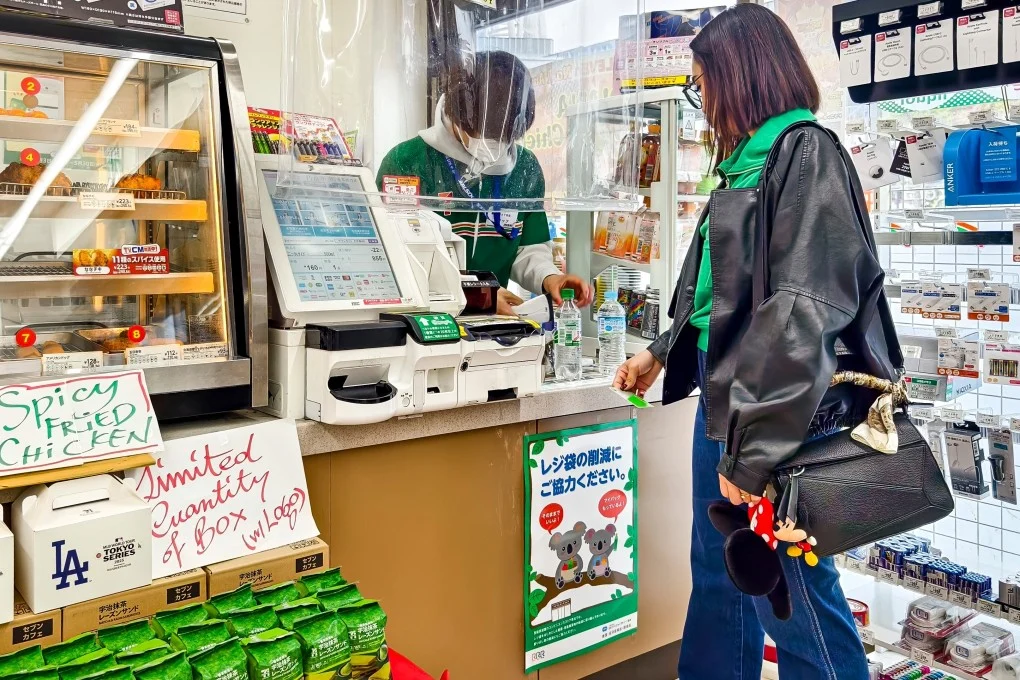
Shopify POS is very good at the register and completely blind to the receiving dock, the back room, and the ninety minutes before the doors open. Today's idea lives in that gap. A Shopify app for trading card shops where the owner sets the release policy up front, staff log receiving and holds and approvals as they happen, and the whole drop reconciles into one report you can actually show a customer. 150 locations at $79 a month is $11,850 MRR, against roughly 6,844 U.S. card shops. And Pokémon's 30th Celebration calendar keeps running controlled releases every two to three weeks through December.
Read the full playbook here:

Seven-Eleven's July franchise scandal exposed a gap Shopify POS never covered: what happens to limited inventory between the receiving dock and the shelf. Trading card shops feel it first.
From the Vault:

Synthetic-user startups sell predictions that research keeps disproving. The narrower play: browser agents that crash-test a SaaS signup flow before launch and return reproducible defects, not opinions.

Michaels' AI assistant fielded 75,000 conversations in weeks, most about projects rather than products. Shopify standardized product catalogs. Nobody has standardized project knowledge, and specialty retail will pay for it.


