


David Leider started Gas Station TV in 2006 in his kitchen, with a staff of three and a pilot in five Dallas gas stations. Screens bolted to the pump. Nobody had ever asked for television at a gas station, and that was never the point.
He trekked up to Bristol, Connecticut, to ask ESPN for content, "and we were very fortunate that we didn't get kicked out." CNN and Bloomberg signed on. Ford, Walmart, and Verizon bought ads. By 2012 he had 33 million viewers a month; by 2014, more than 2,600 stations in 42 states, revenue growing 35% a year, and a private equity buyout. Today it's over 25,000 locations and 115 million unique viewers a month. For a channel nobody asked for.
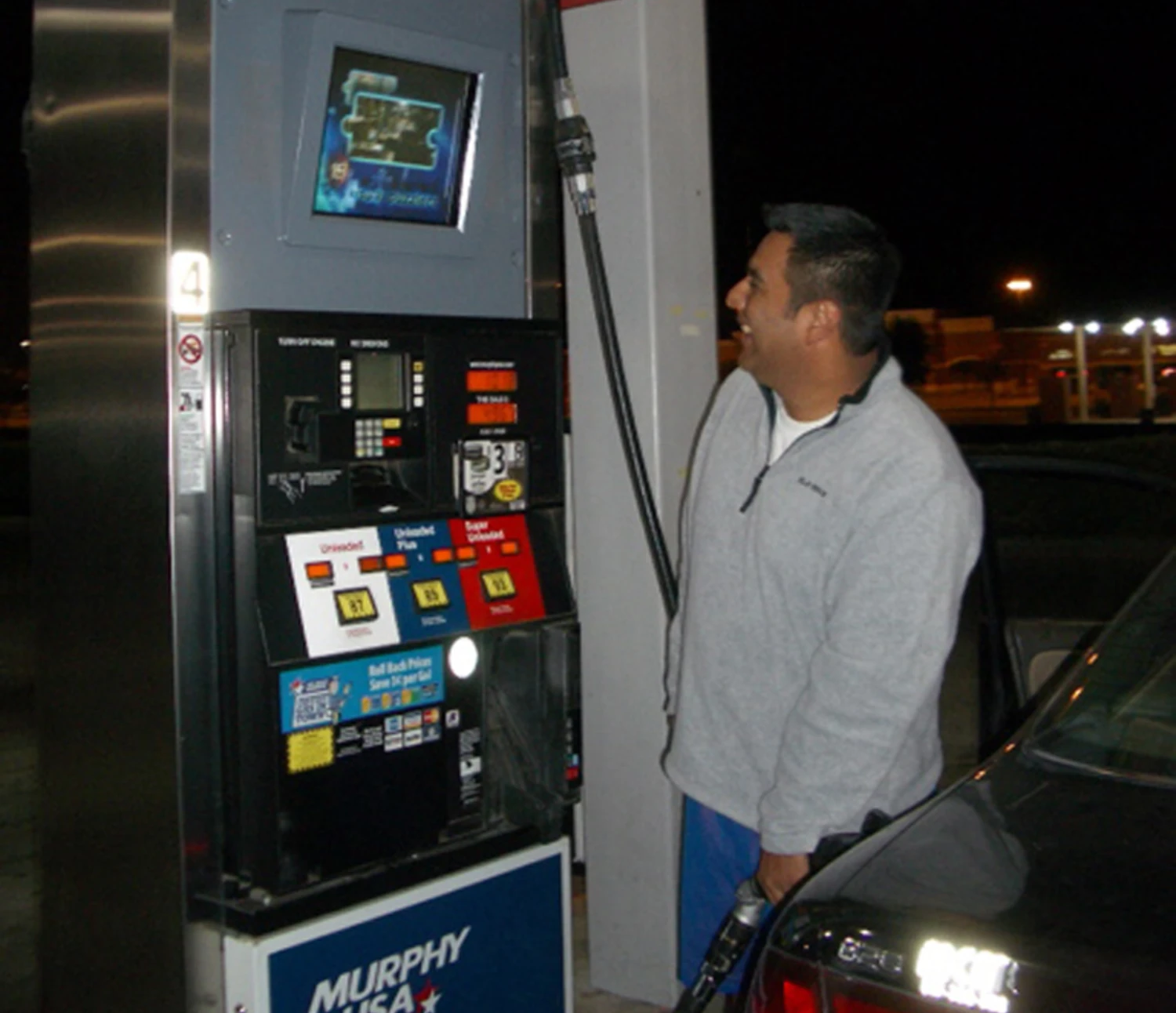
Leider explained the whole product to NPR in one sentence: "Our consumer is tied to that screen with an eight-foot rubber hose for about five minutes fueling."
Nobody watches the pump because the show is good. They watch because they're attached to it. Leider didn't build an audience. He noticed one that was already standing there, five minutes at a time, and sold it.
This September, Pepsi noticed a chair. Customers at more than 200 Drybar salons got a free Pepsi Prebiotic Cola during their blowout, plus a code for 30% off on Amazon. Pepsi can buy any sampling on earth, and what it bought was a woman who walked in on purpose, fits the demographic, and will sit still for 30 to 60 minutes with a free hand. Pepsi can phone Drybar. A 20-person beverage brand can't phone 40 Philadelphia salons, negotiate 40 agreements, and send 40 shipments.
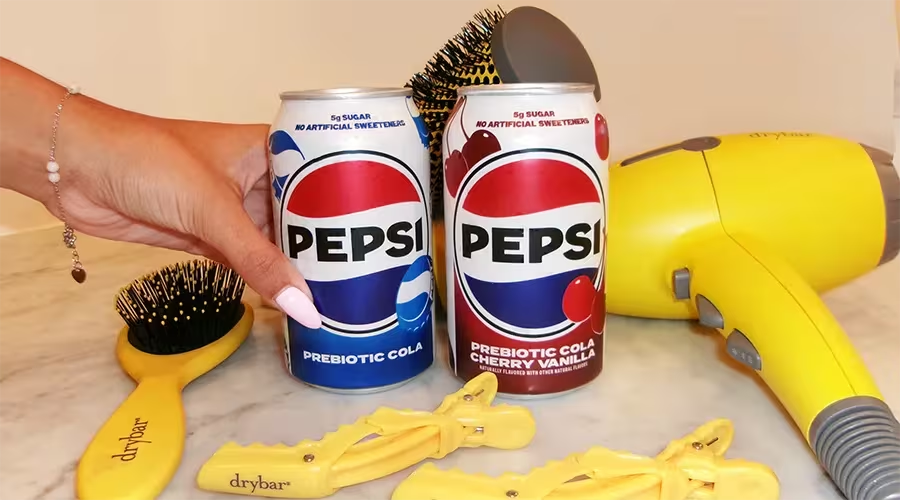
Today's idea is that phone call as a business. A founder-run, single-city sampling network across independent salons, Pilates studios, and coworking spaces: 12 venues, 1,000 sealed samples, four weeks, venue-level QR codes, placement photos, an inventory reconciliation, and a report that separates what you know from what you're guessing. $4,500 management fee, logistics billed at cost. The receptionist is already at the desk; you're slipping product into an experience someone else pays to run. Four $5,000 campaigns a month is $20,000, eight is $40,000, and the MVP is a spreadsheet, a phone, and shipping labels. (Yes, really.)
Read the full playbook here:
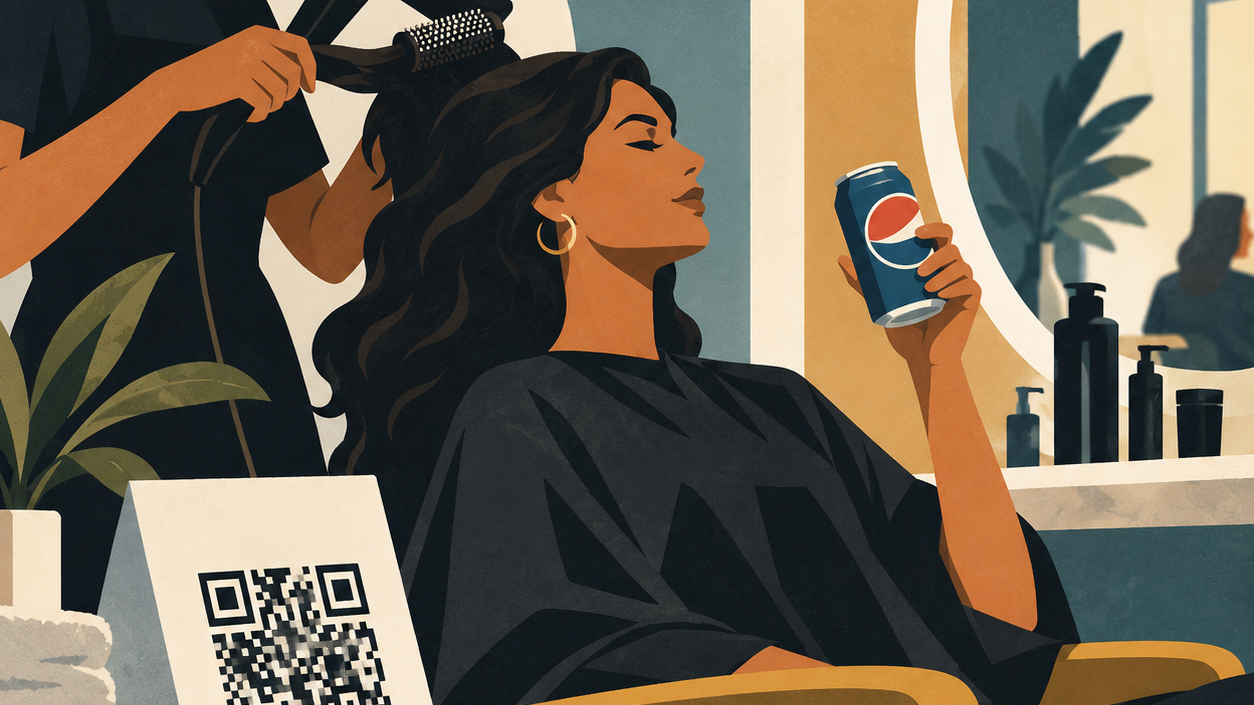
Pepsi is sampling cola in 200 Drybar salons. Those chairs, plus Pilates studios and coworking kitchens, are unpriced media inventory, and challenger CPG brands will pay to reach them.
From the Vault:
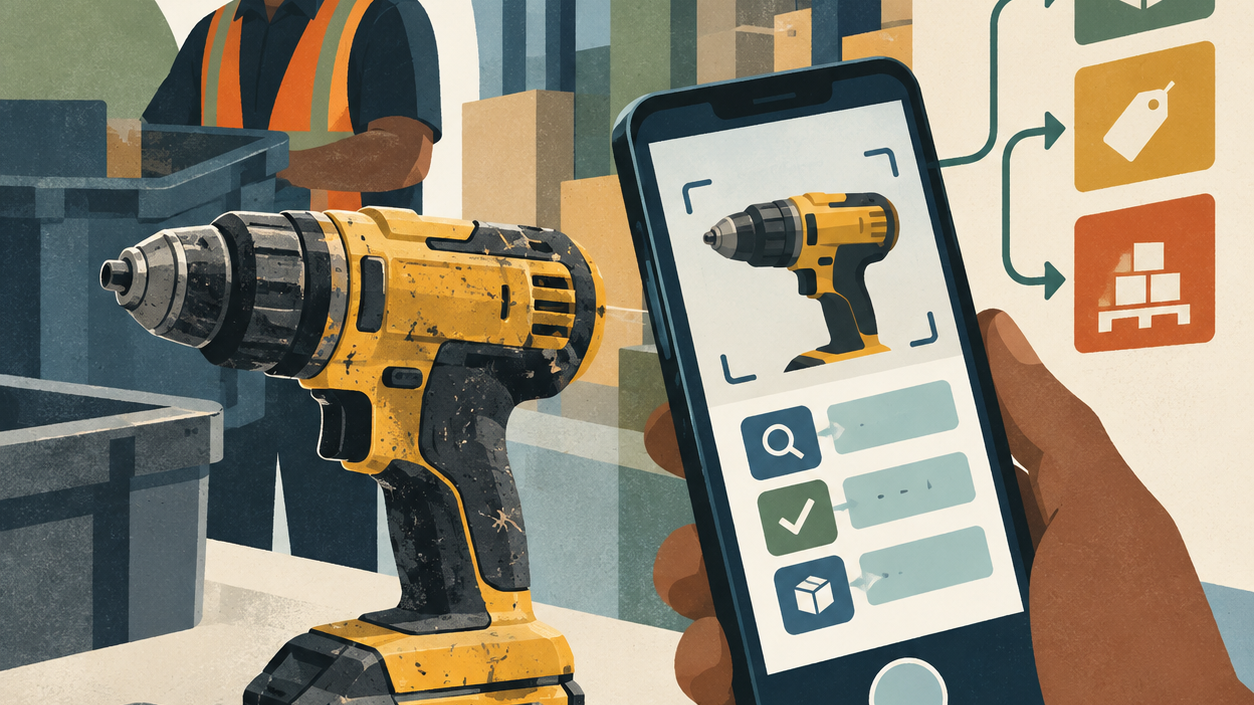
BuyWander raised $21 million automating the ugliest job in reverse logistics. Regional liquidation warehouses still do it with Google Lens and twenty browser tabs. That gap is the wedge.
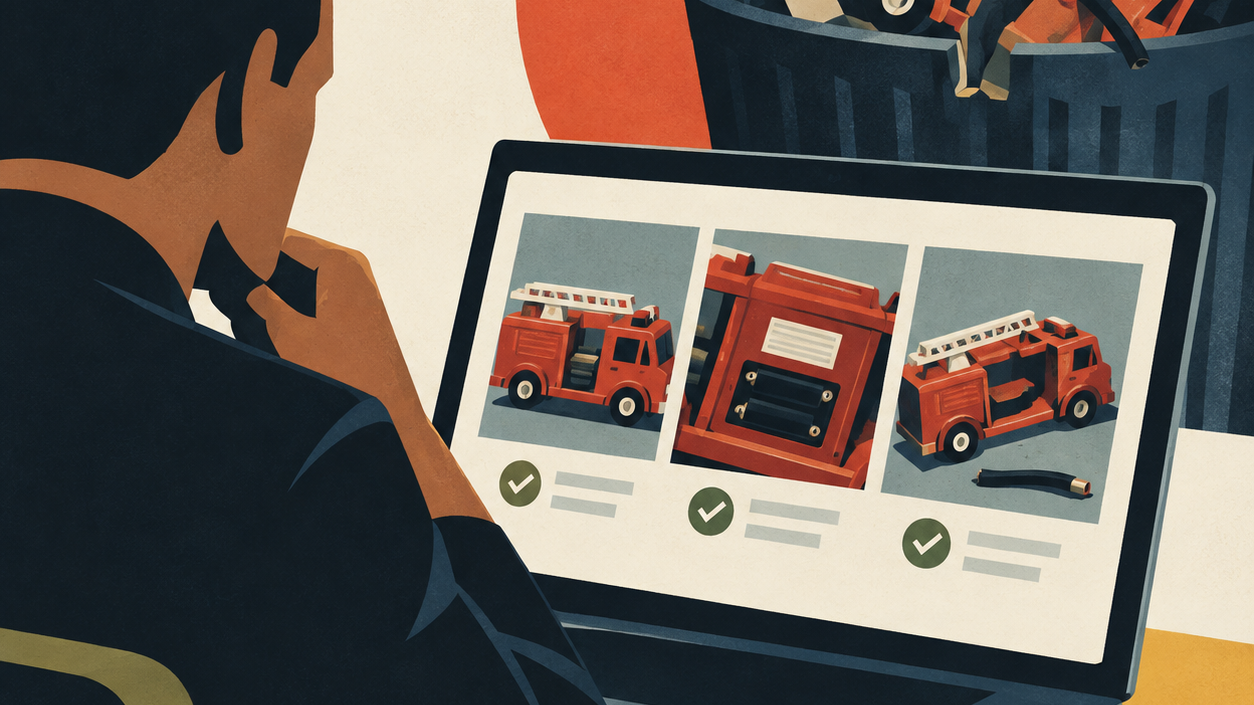
CPSC approved five destroy-and-photograph recall remedies in one September day, and the sellers are processing claims through an Outlook inbox. Recall fraud is now a federal docket.


