


Three consumer markets are converging, and almost nobody is building at the intersection: sleep supplements, adaptogenic wellness, and the non-alcoholic drink business.
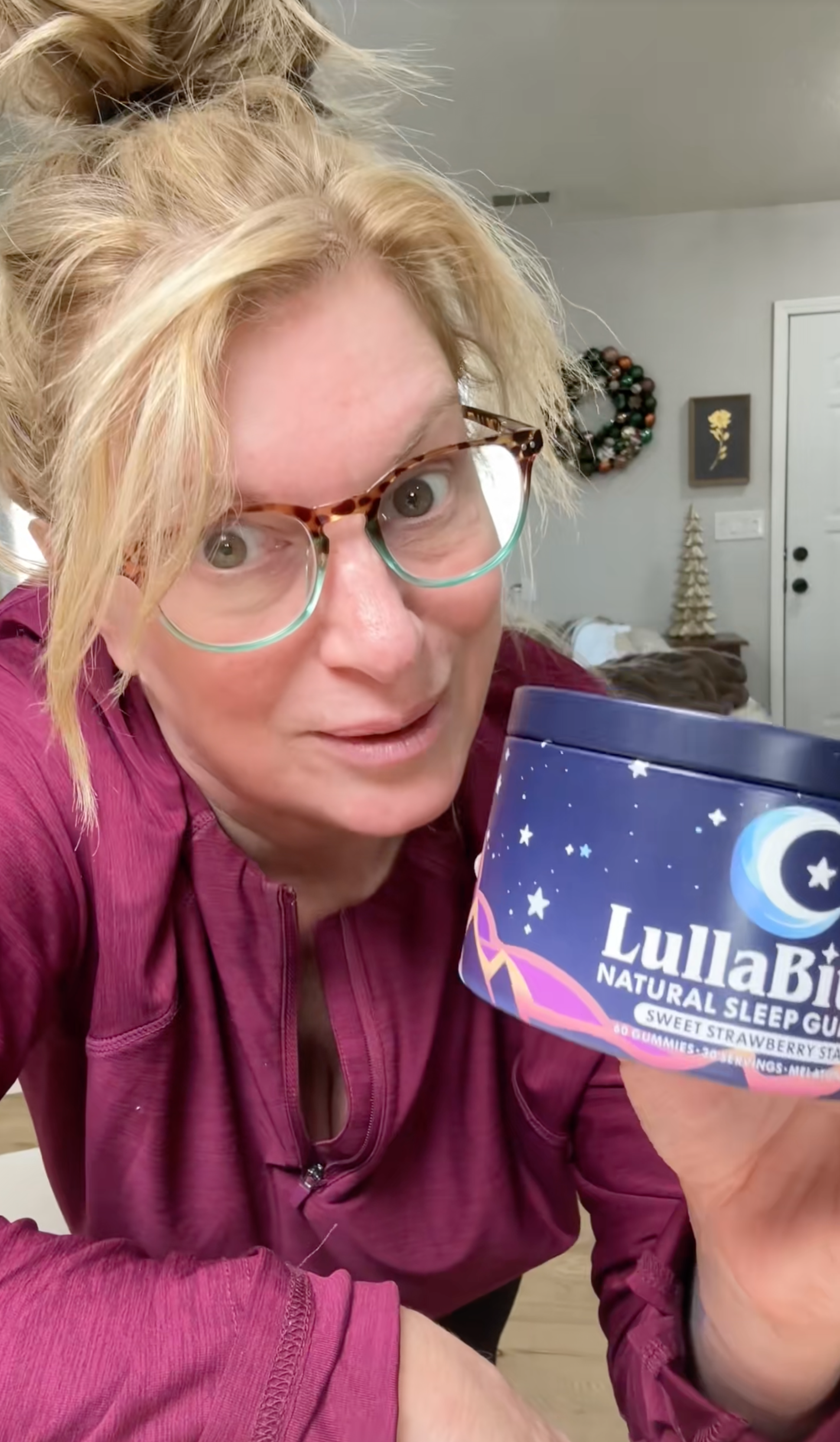
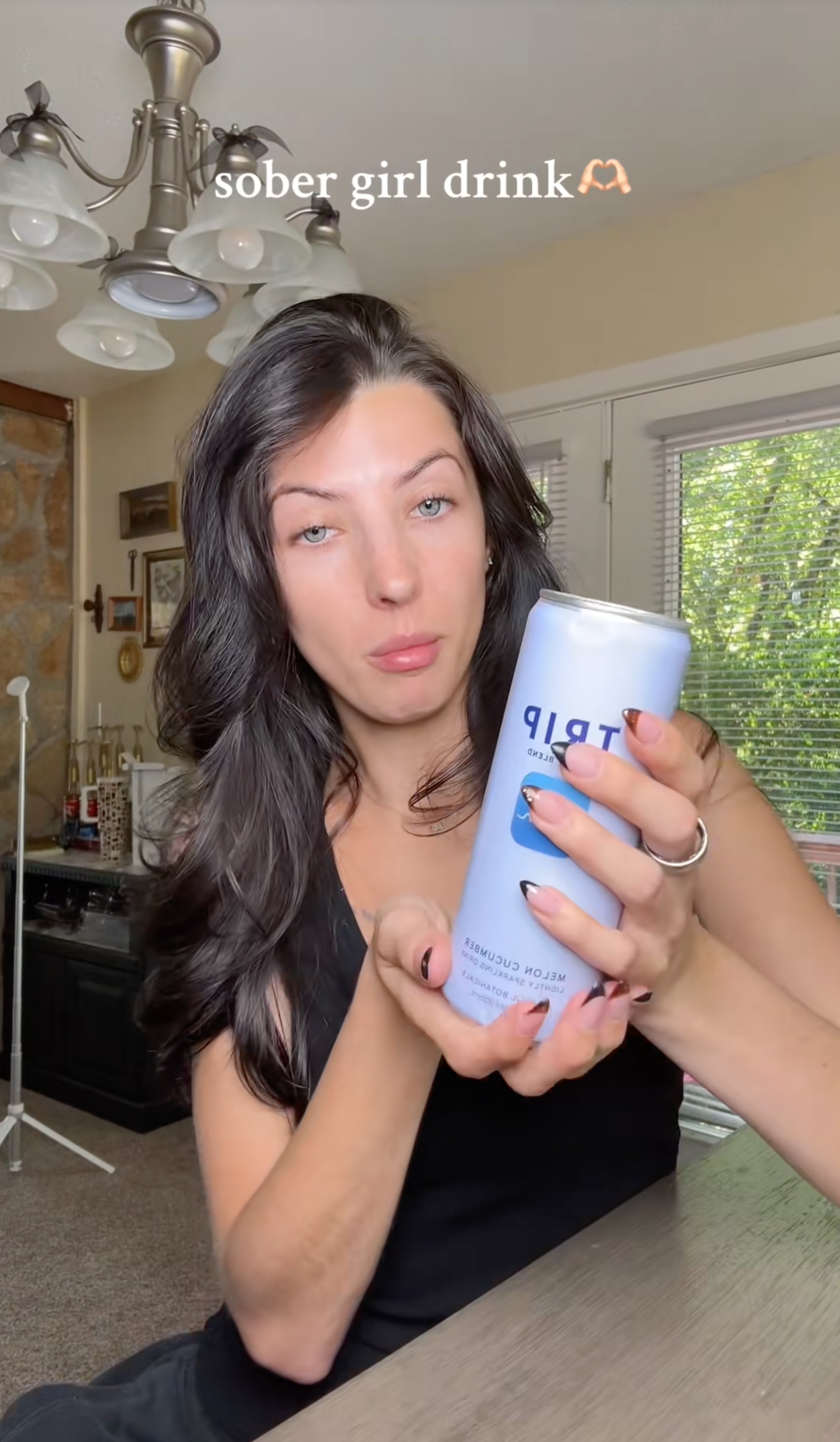
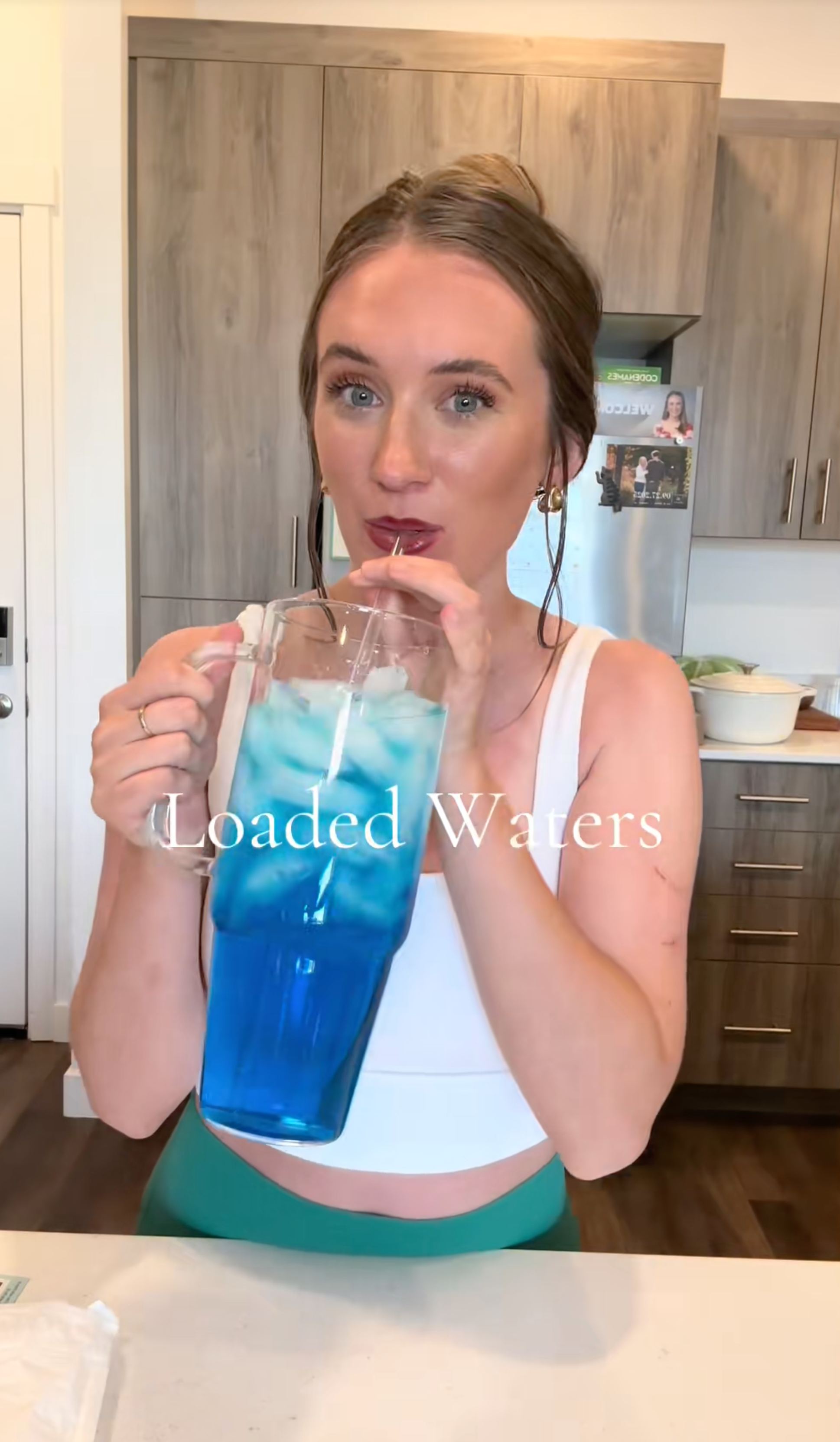
Each one is large on its own. The U.S. no-alcohol market is forecast to grow at an 18% volume CAGR through 2028 and approach $5 billion. Global sleep-aid supplements hit $7 billion in 2024, projected to reach $12 billion by 2035. The adaptogenic beverage brand category is growing at roughly 11-12% annually, with market estimates ranging from $1.5 billion to $3 billion depending on scope.
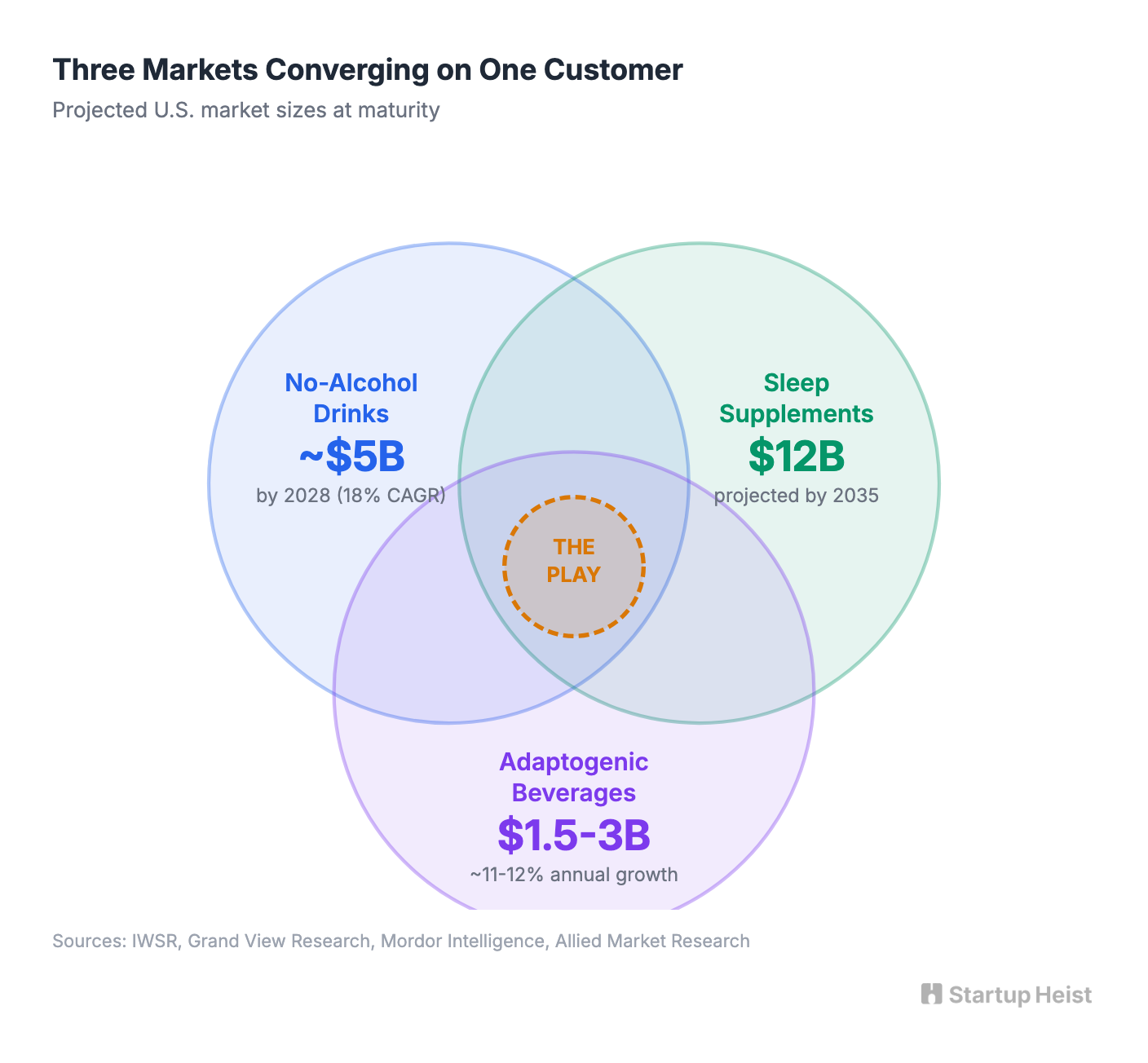
The overlap between those three audiences is where the opportunity lives. People spending real money to sleep better, stress less, and drink less.
The opening for a solo builder is specific.
The money: 500 subscribers at $35/month = $17.5K MRR, with powder margins above 65% and no cold-chain logistics eating profit.
Inside:
• Full MVP scope and early flavor strategy
• Occasion-based SKU expansion roadmap
• Creator seeding playbook with outreach template
• Pricing architecture and unit economics
The Behavioral Shift
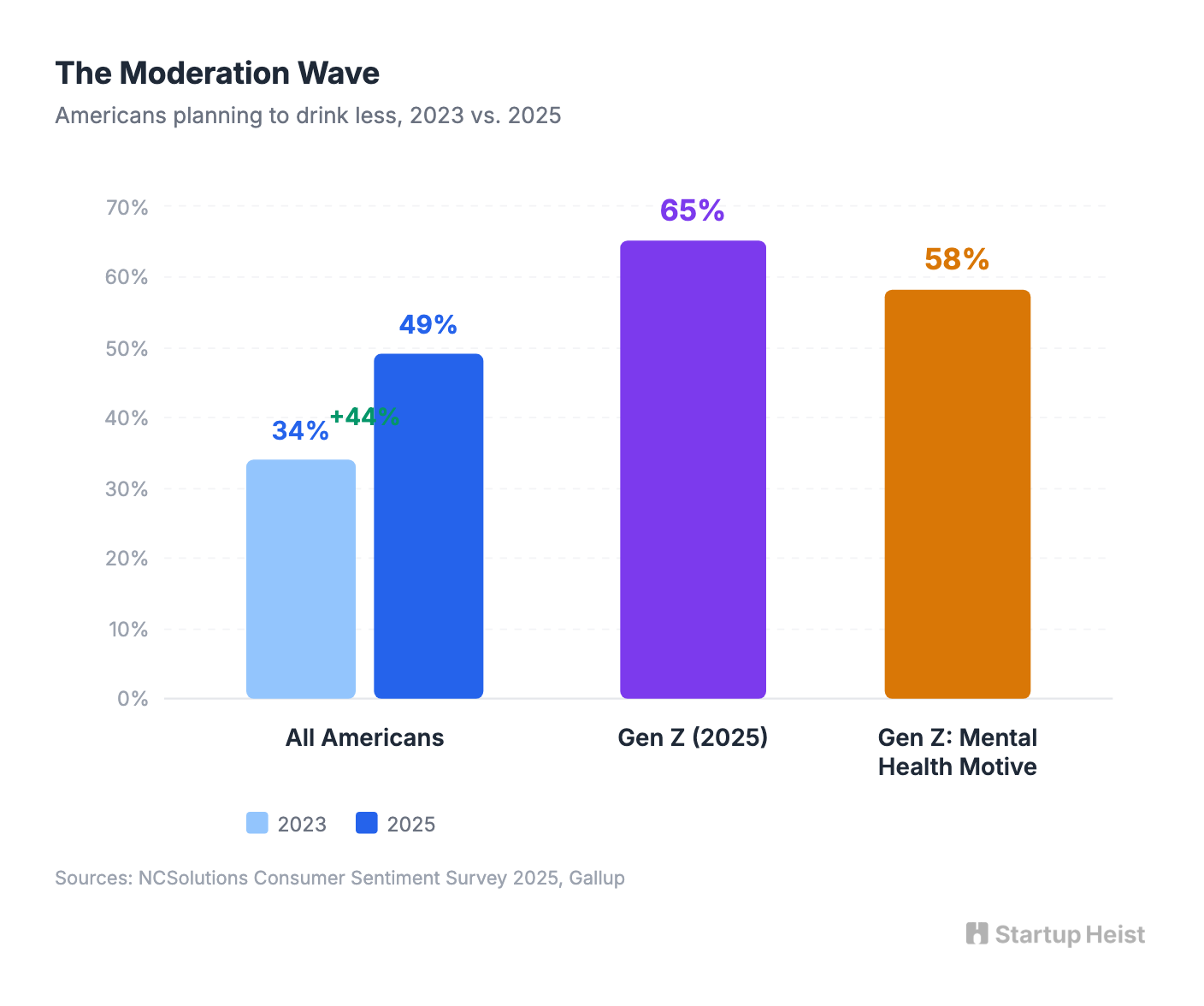
Forty-nine percent of Americans plan to drink less in 2025, a 44% jump from 2023. Among Gen Z, the number is 65%, with 58% citing mental health as the primary motivation. This isn't a fringe identity anymore. Moderation is mainstream consumer behavior in the sober curious market.
What changed is expectation. Consumers don't just want a drink without alcohol. They want a drink that actively does something for them. Innova Market Insights' 2026 trend framework, "Relaxed Sociability," captures the shift: lower-intensity social rituals, at-home occasions, mood-enhancing beverages that feel special and functional without the hangover.
The cultural proof already exists. The "Sleepy Girl Mocktail" (tart cherry juice, magnesium powder, sparkling water) racked up tens of millions of views across related TikTok content, starting as a DIY sleep hack in early 2023 and surging through Dry January 2024. Millions of consumers independently discovered the exact thesis behind this opportunity: a ritual drink that helps you wind down, looks good on camera, and replaces alcohol's emotional slot.
They were already making this in their kitchens. They just didn't have a brand to buy.
The Category Right Now
The functional non-alcoholic space already has funded players. Kin Euphorics posted $11 million in net revenue in 2024, is projecting roughly $24 million in 2025, expanded to Walmart in mid-2025, and is valued at approximately $59 million through recent crowdfunding. Recess raised a $30 million Series B in October 2025. De Soi has carved out a position in the RTD (ready-to-drink) lane.
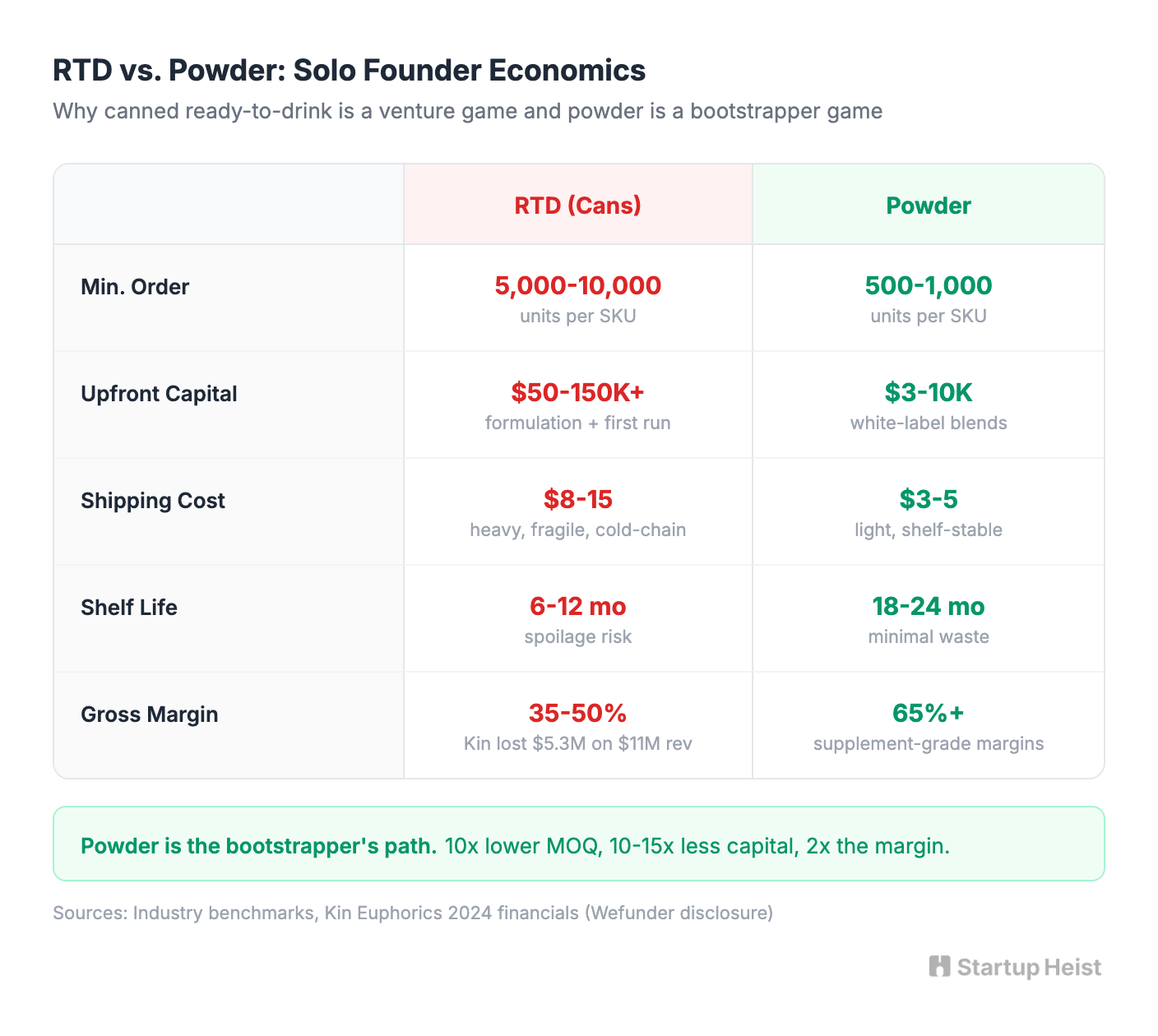
RTDs come with brutal economics for solo founders: cold-chain logistics, shelf-life risk, high minimum orders, heavy shipping costs. Kin lost $5.3 million in 2024 despite $11 million in revenue.
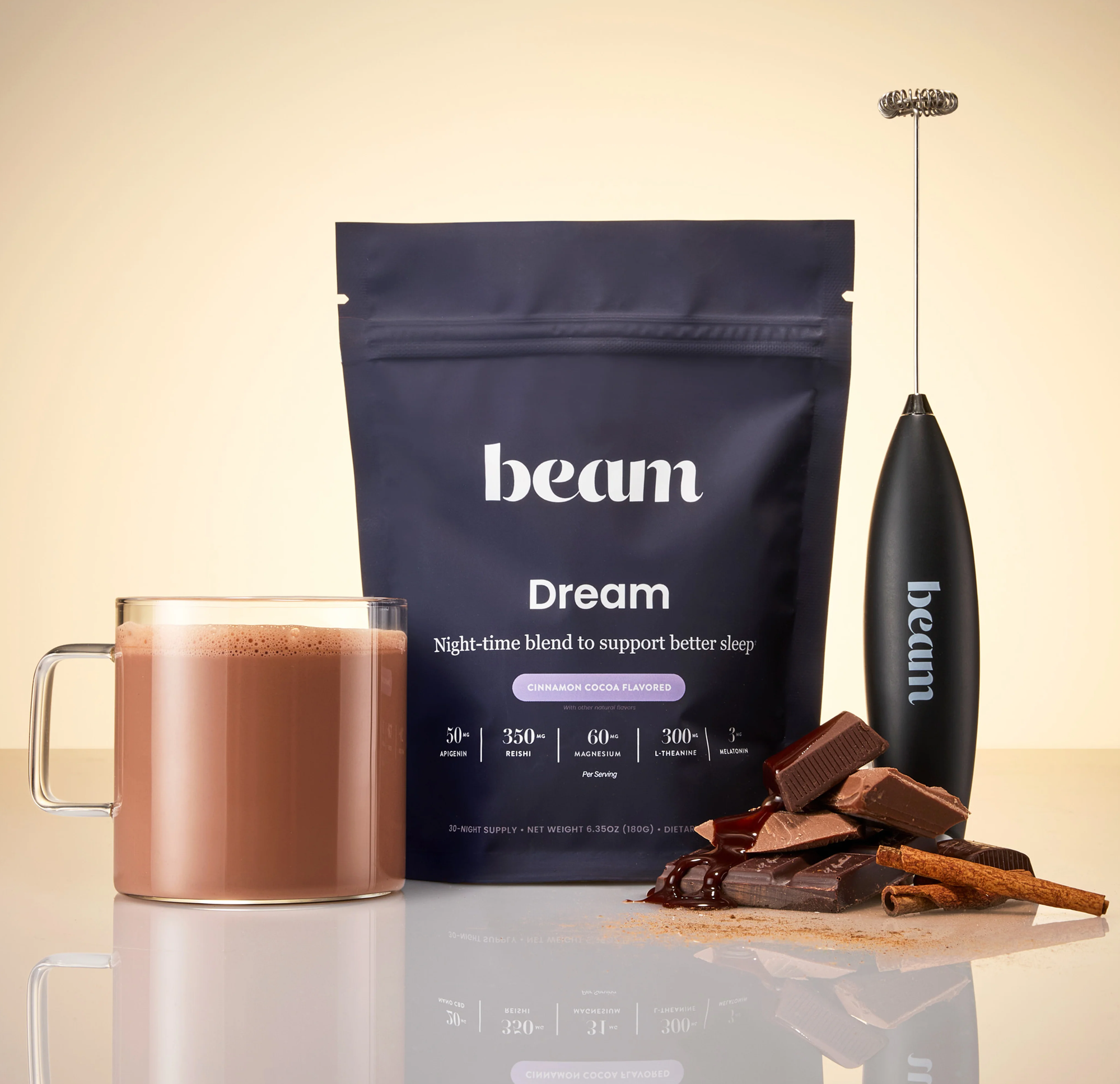
On the powder side, Beam Dream (a hot cocoa-style sleep supplement with magnesium, apigenin, and reishi) has quietly become a category standout. The company claims over 30 million servings sold, and the product is available at Walmart across multiple flavors. Beam proves that a powdered evening drink can scale well beyond DTC.
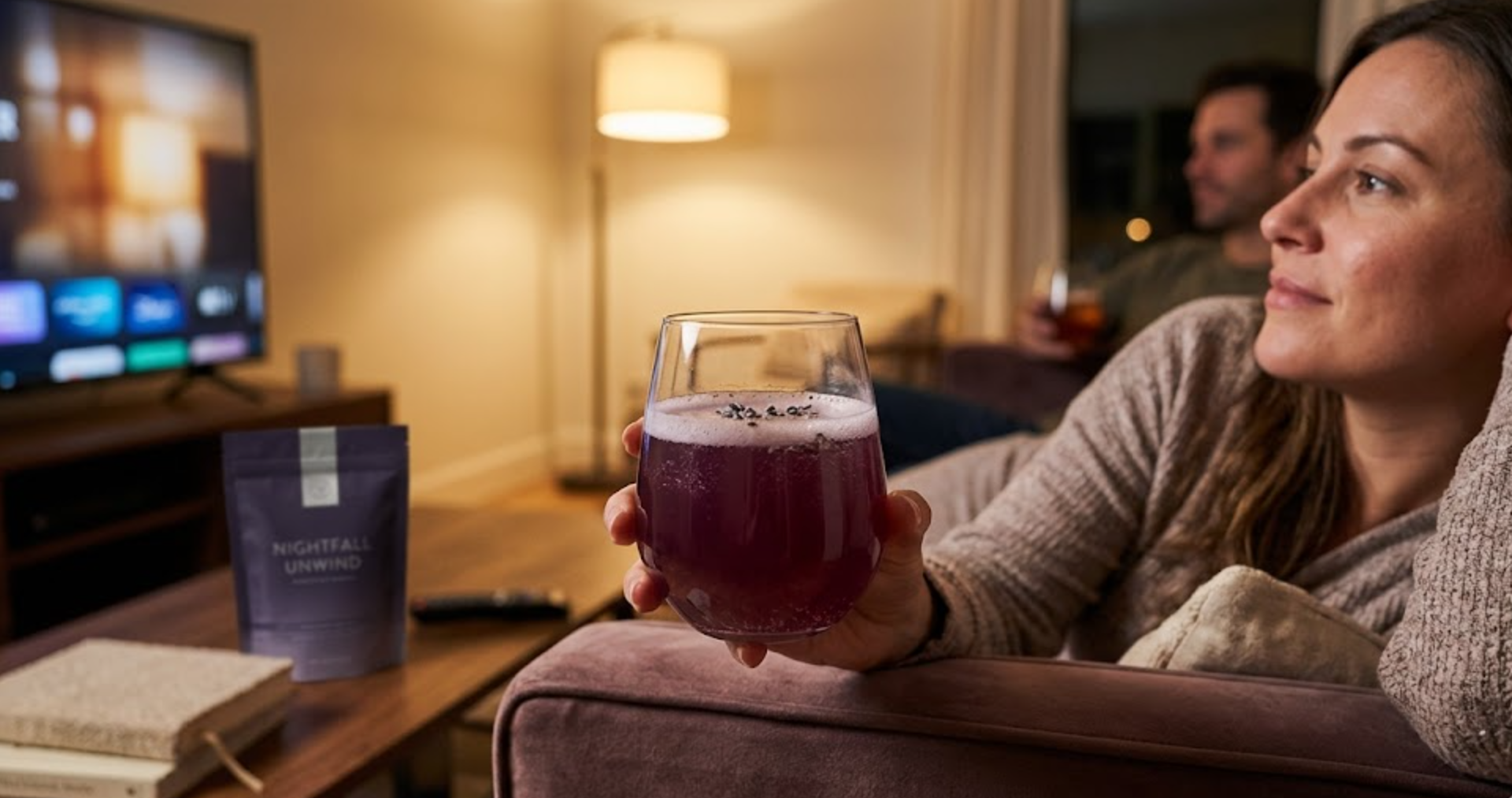
The gap is specific: nobody has combined the ritual positioning of a mocktail brand with the operational simplicity of a powdered supplement and the occasion specificity of a Friday-night unwind product. Broad "stress relief" is a commodity. A specific occasion is the wedge into the market.
The Play
This is a brand-and-positioning business, honestly sized. There's no deep-tech moat and no venture-scale thesis on day one. The regulatory environment is real, and repeat-purchase economics in supplements are fragile.
The realistic early target: a profitable DTC brand doing $20K-$80K MRR with strong subscription mix, expanding into Amazon, bundles, and adjacent occasions. Powder is cheap to ship, easy to store, compatible with white-label supplement manufacturing, and far better suited to a solo operator than canned RTDs. Faster iteration, lower capital requirements, much better odds of surviving year one.
The positioning that works is narrow and vivid.
Follow this blueprint (or expand in to SKUs as described). MVP in next section:
Unlock the Vault.
Join founders who spot opportunities ahead of the crowd. Actionable insights. Zero fluff.
“Intelligent, bold, minus the pretense.”
“Like discovering the cheat codes of the startup world.”
“SH is off-Broadway for founders — weird, sharp, and ahead of the curve.”


