


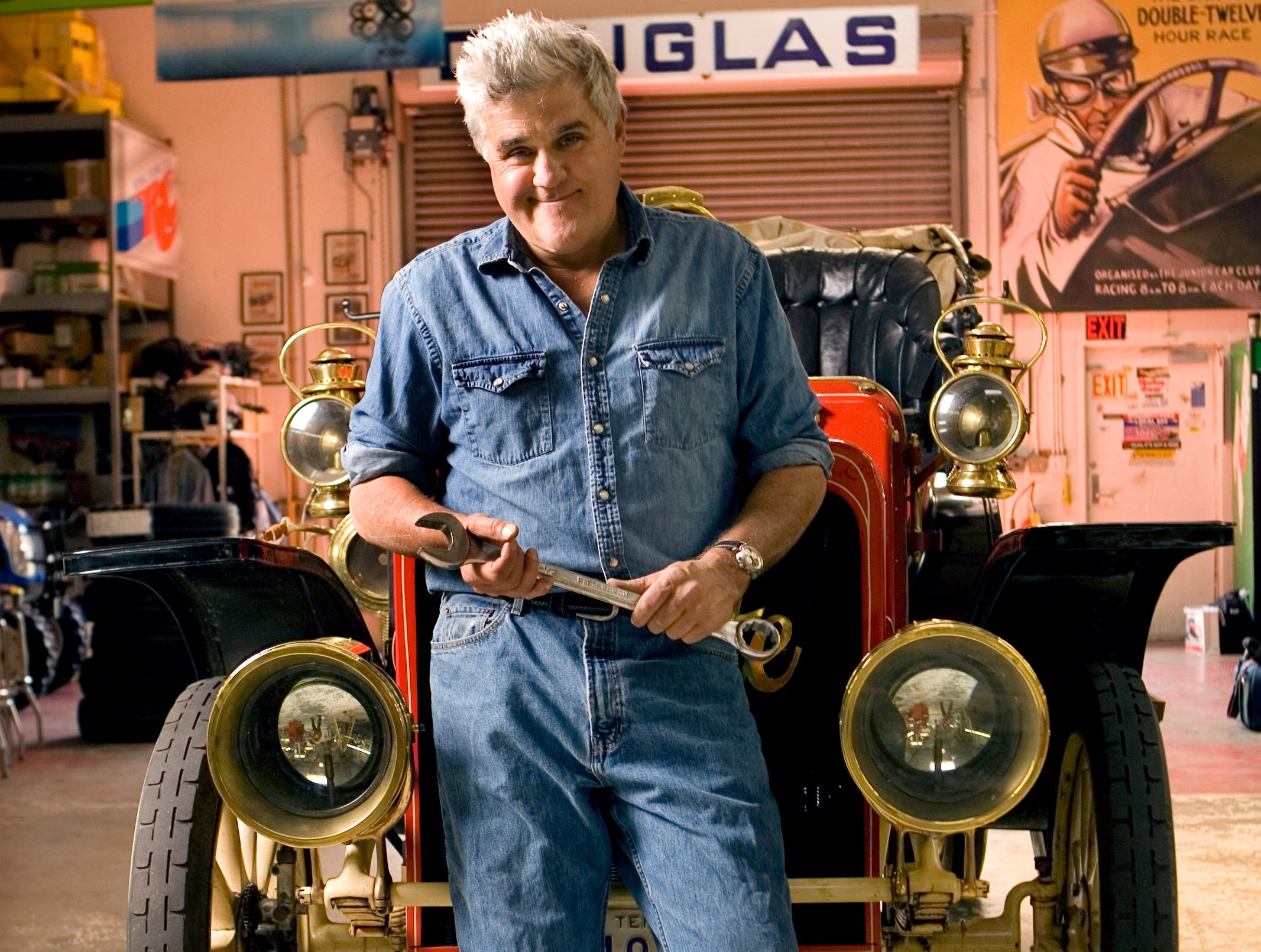
Jay Leno owns a 1907 White Steamer. Bolted to its cylinders is a feedwater heater, an aluminum part that has been in use for more than a hundred years. Over that stretch the metal went so porous that, in Leno's words, "you can see steam and oil seeping through." Nobody had made the part in nearly a century, so there was nothing to order (good luck finding that one in a catalog).
He could have had a machinist try to copy it. His garage went another way, scanning the original with a NextEngine 3D scanner, redesigning it, and printing a plastic version on a Dimension 3D printer. That plastic copy was then used to make a mold for the replacement.
What all that scanning really produced was a file. Once the heater existed as CAD, any foundry could make it, and make it again whenever the next one wears out.
A small packaging plant running a 15-year-old machine has none of Leno's toys. A $40 mounting bracket that holds a monitoring sensor cracks, and the manufacturer no longer lists it. The plant's two maintenance techs are holding the broken bracket and an old PDF manual, and that's it. The machine shop down the road can make a new one, but first it wants a STEP file and a dimensioned drawing. Does anyone at the plant have either? Of course not.
That gap is today's small business idea: a B2B service that rebuilds the missing CAD file for simple, undocumented, noncritical factory parts. The tech sends photos, caliper readings, and manual pages through a guided intake. A CAD specialist builds the model, and an engineer reviews it the same business day a complete intake lands. The plant gets a STEP file, a dimensioned PDF drawing, and manufacturing notes, starting at $399 a part. Every significant dimension is tagged measured, documented, derived, or unresolved, so the machinist knows which numbers are solid. Guards, gears, pressure parts, and anything else safety-critical get politely turned away.
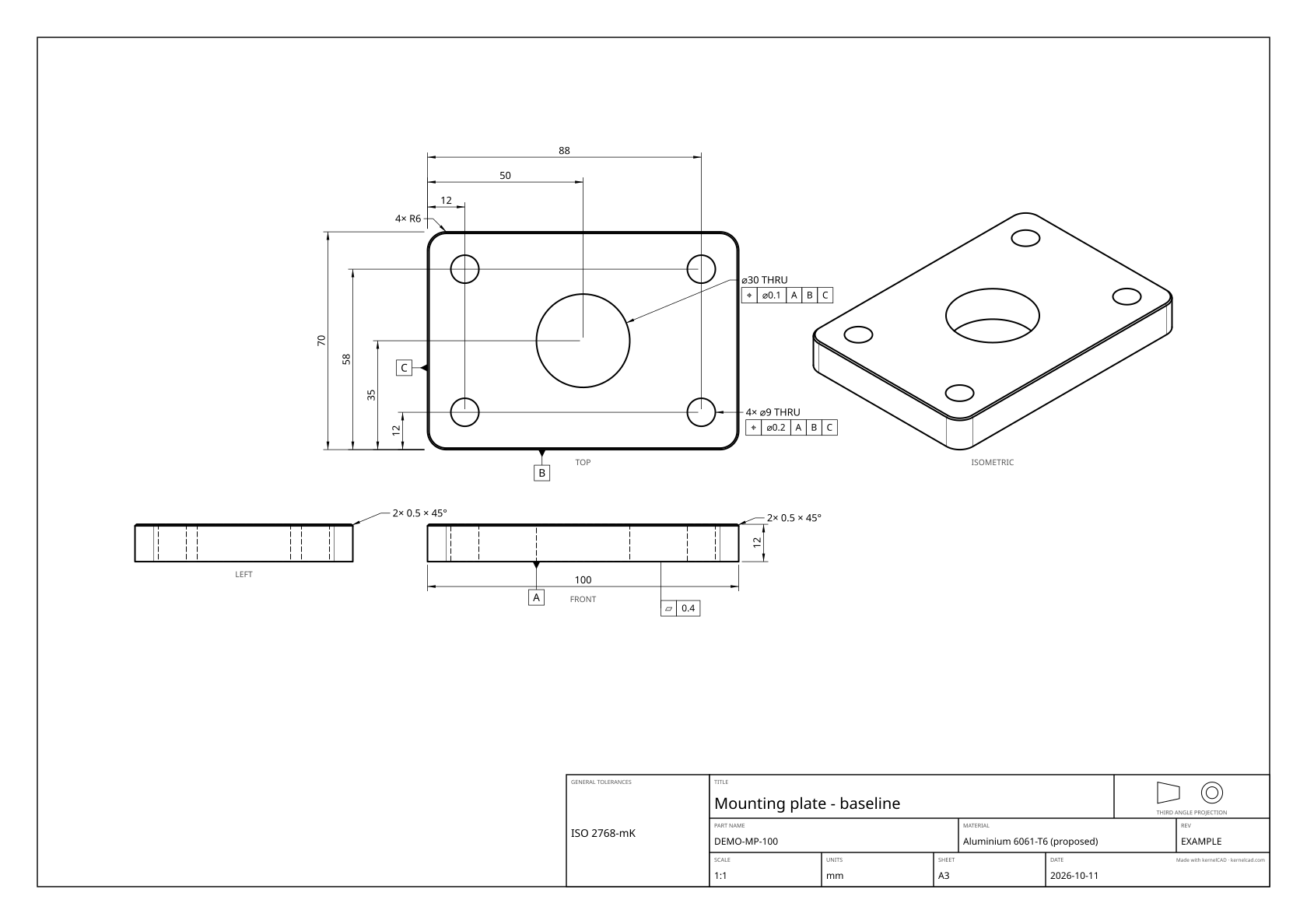
Sell it through the equipment-service firms and machine rebuilders who already get these calls, and twenty rebuilds a month comes to about $8,000 in revenue. The bigger business comes later: digitizing parts before they fail, five at a time for $1,995 to $2,495.
Read the full playbook here:
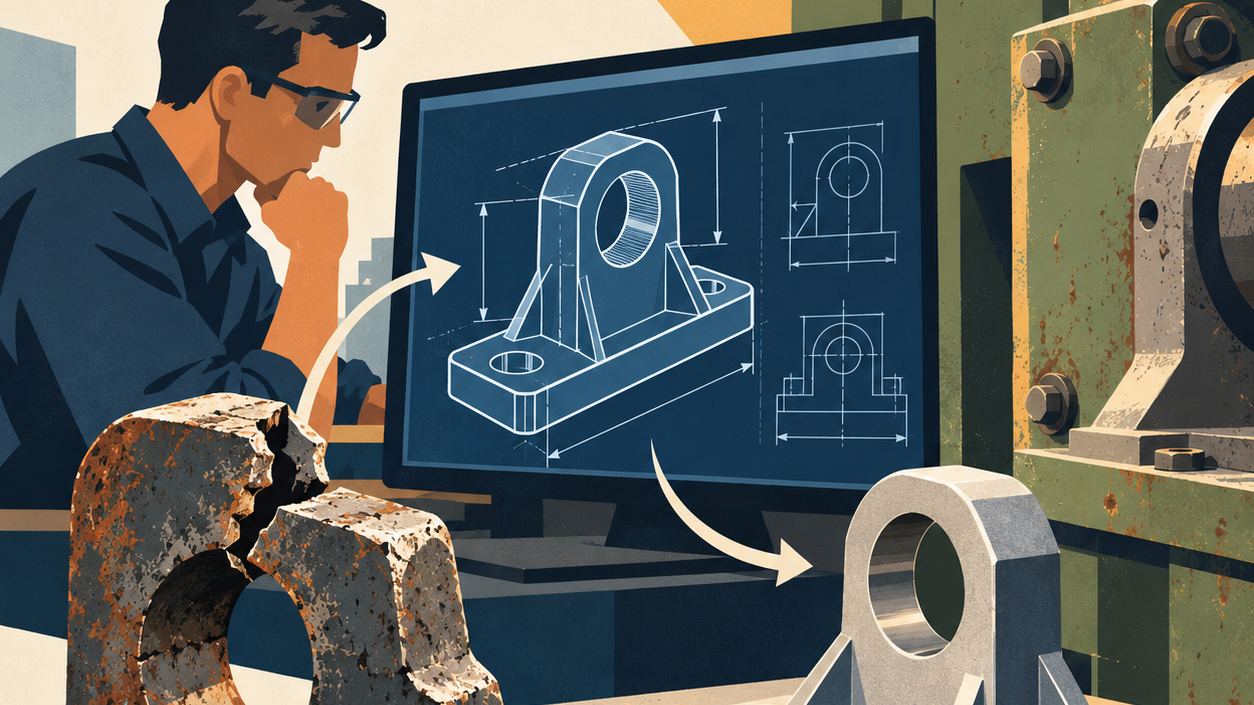
Protolabs and Xometry can machine almost anything from a STEP file. Small factories with obsolete, undocumented parts have no file, and that missing engineering step is the opening.
From the Vault:

Estheticians already split salon suites to cut rent. The schedules, license rosters, and shared bills behind those deals run on group texts, and Texas publishes every suite address.

Brands pay hundreds of clippers per campaign on Whop and Content Rewards. Whop's terms put FTC compliance on the operator, and a spreadsheet won't prove what anyone reviewed.


