


On October 27, 1994, HotWired — Wired magazine's website — ran a small gray rectangle that read "Have you ever clicked your mouse right HERE?" with an arrow pointing to the words "YOU WILL." AT&T paid $30,000 to keep it there for three months. Clicking took you to a virtual tour of the world's great museums, which had nothing to do with phone service, and nobody cared. It was the first banner ad in history.
44% of the people who saw it clicked.
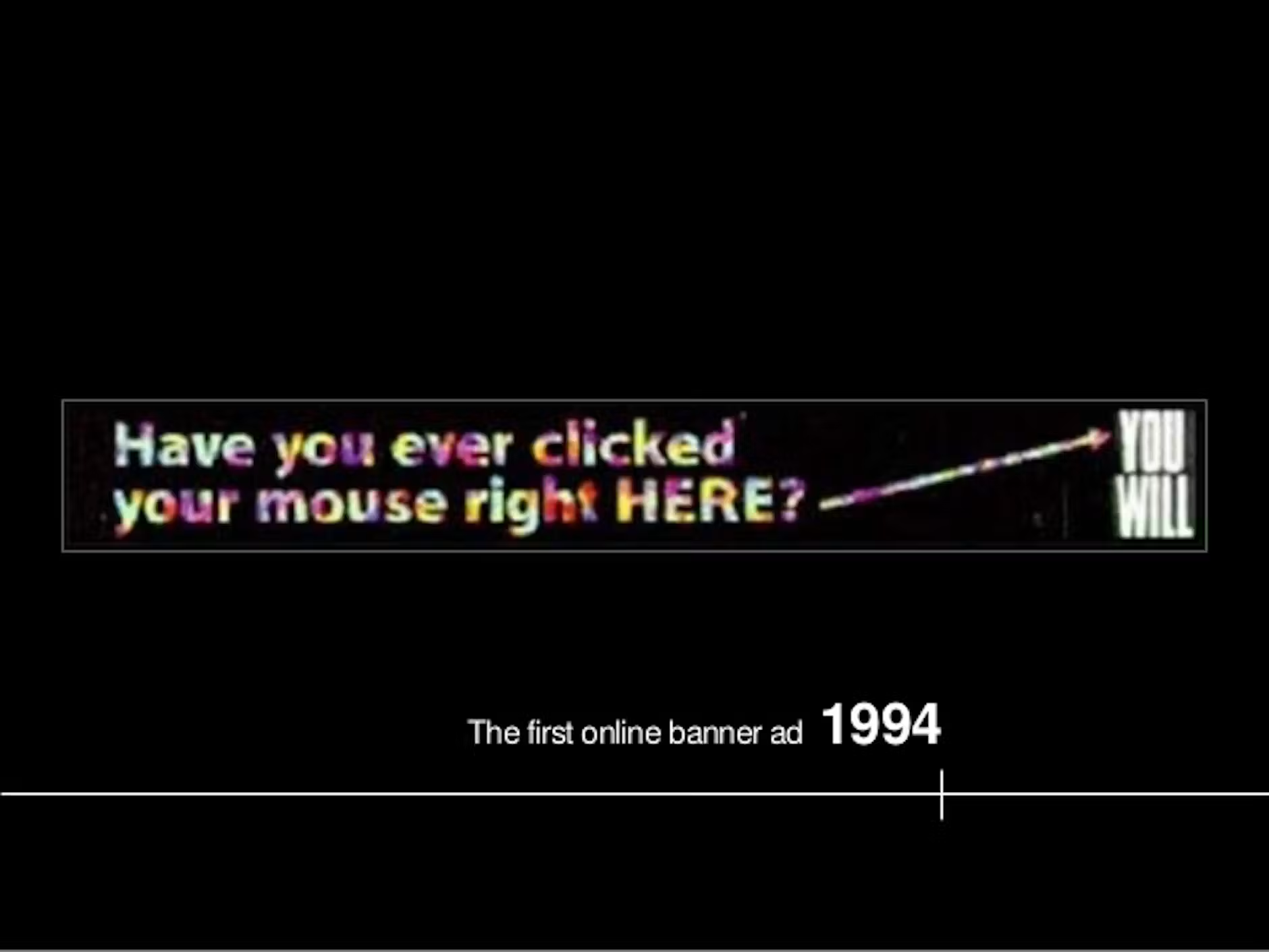
Today a display ad does about 0.1% on a good day. Same format, same internet, over 400 times worse. Why? In 1994 a banner wasn't an ad yet. It was a strange new thing on a strange new medium, and people were curious. Every attention format works this way. It prints money while it's still weird, then flatlines the second it becomes furniture. The real money lives in that early window, and right now one just cracked back open with almost nobody selling inside it.
There's a studio called Danger Testing that shipped more than 50 apps in the past year under a site banner reading "DROPPING APPS LIKE SONGS." A subway-ad defacement toy, a brainrot generator, a Ye Guessr. Each one takes days to build, holds attention for about a week, and dies. Any single app looks like a failed product. Line them all up and you've got a channel pulling millions of impressions, run by creators who call themselves appstars and have no ad-sales department.
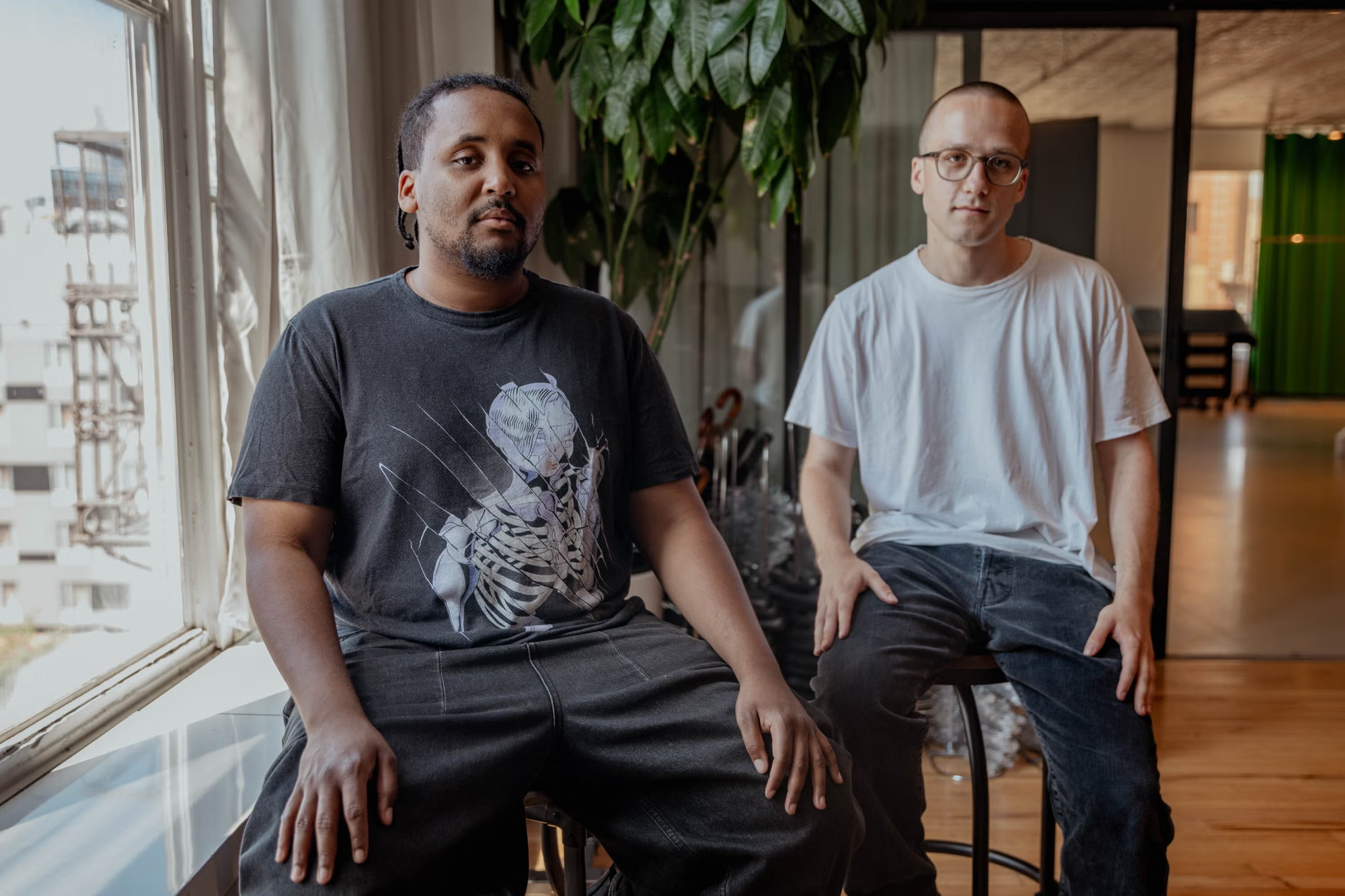
Today's featured idea is that missing department: represent a handful of these prolific creators, package their next five launches into a sponsored season, and sell the season to brands the way newsletters and podcasts learned to. Creator ad spend hit a projected $37 billion in 2025, and none of it has a standard way into interactive apps yet. Four $15,000 seasons a month is $60K in billings and roughly $18K in monthly gross profit, before you build any software at all.
Read the full playbook here:
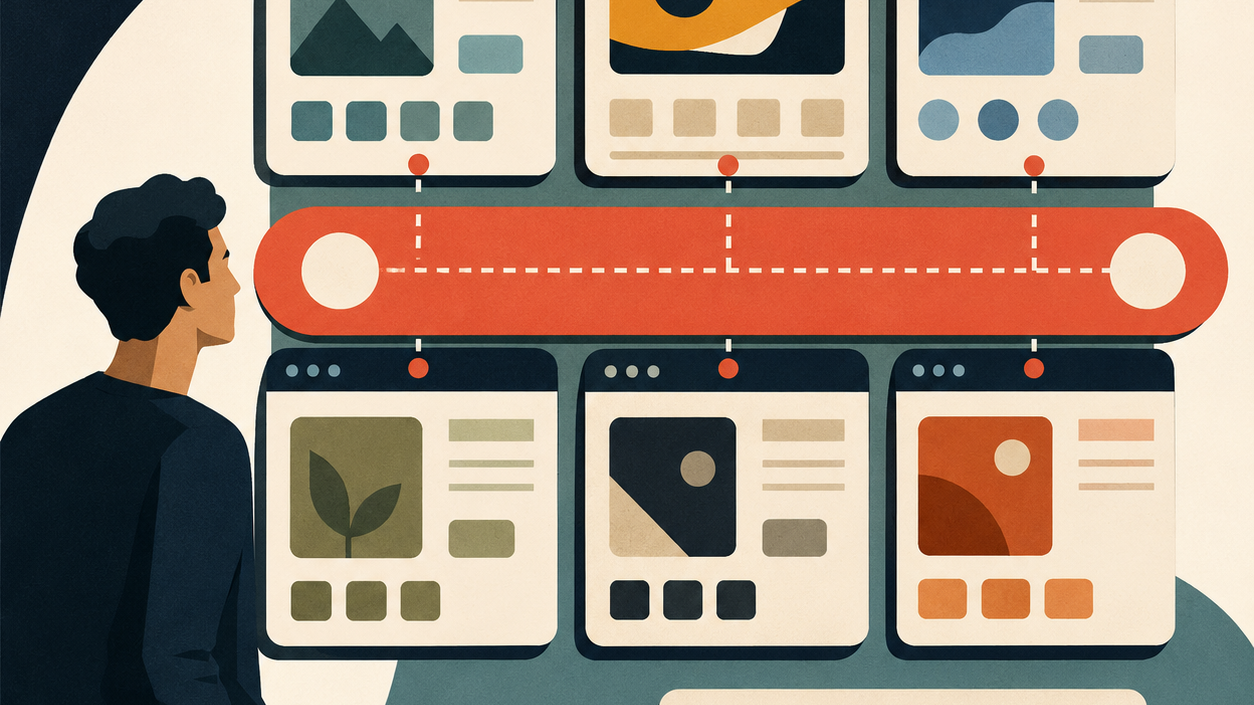
Prolific app creators are shipping dozens of tiny apps and building real attention. Nobody has built the sales layer that turns that attention into brand sponsorship revenue.
From the Vault:
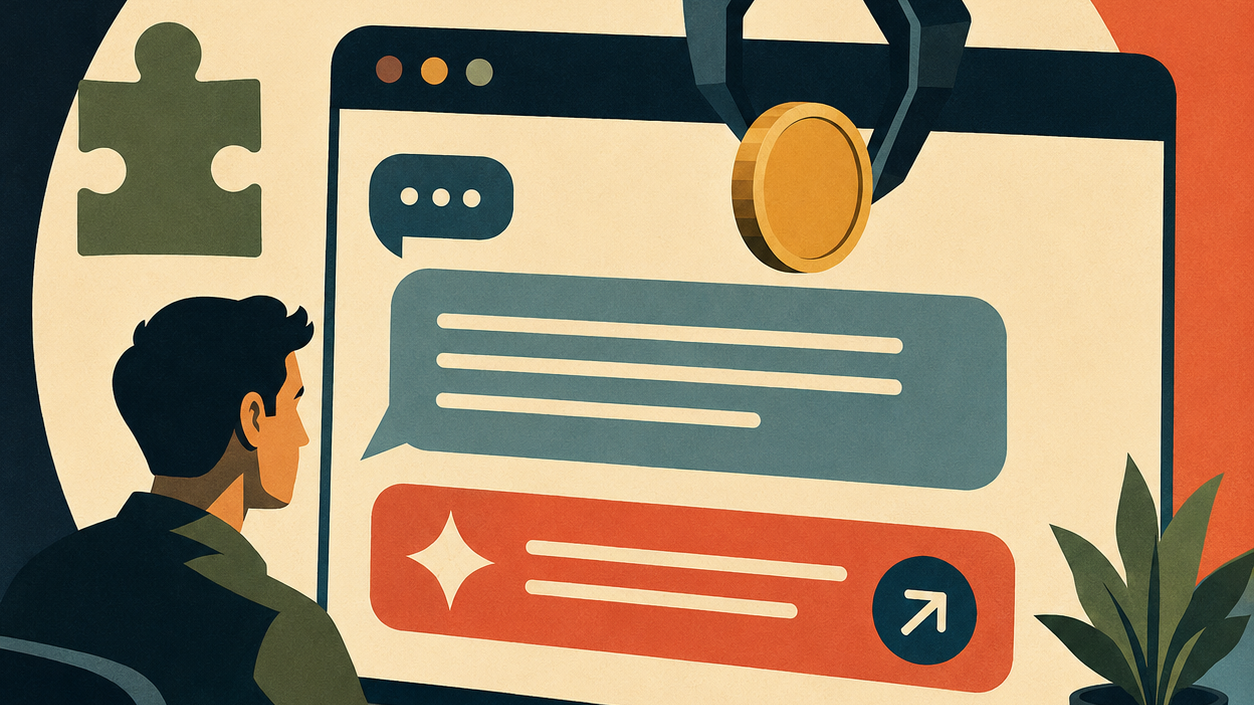
A monetization SDK puts one labelled sponsor line beneath AI responses in Chrome extensions the funded ad networks can't be bothered to serve, using intent tags instead of raw prompts.
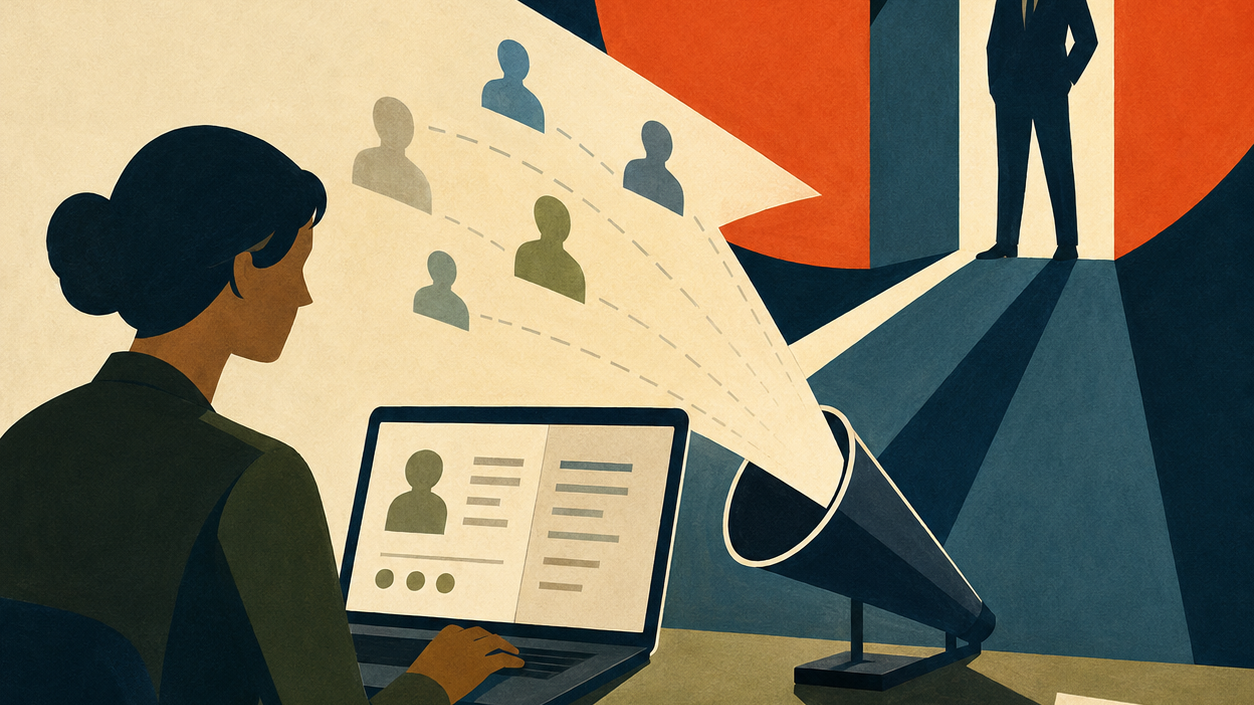
The leading reverse-recruiting firm's own numbers show 863 applications per placement, right as new research halves what each application is worth. That gap is the opening.


