


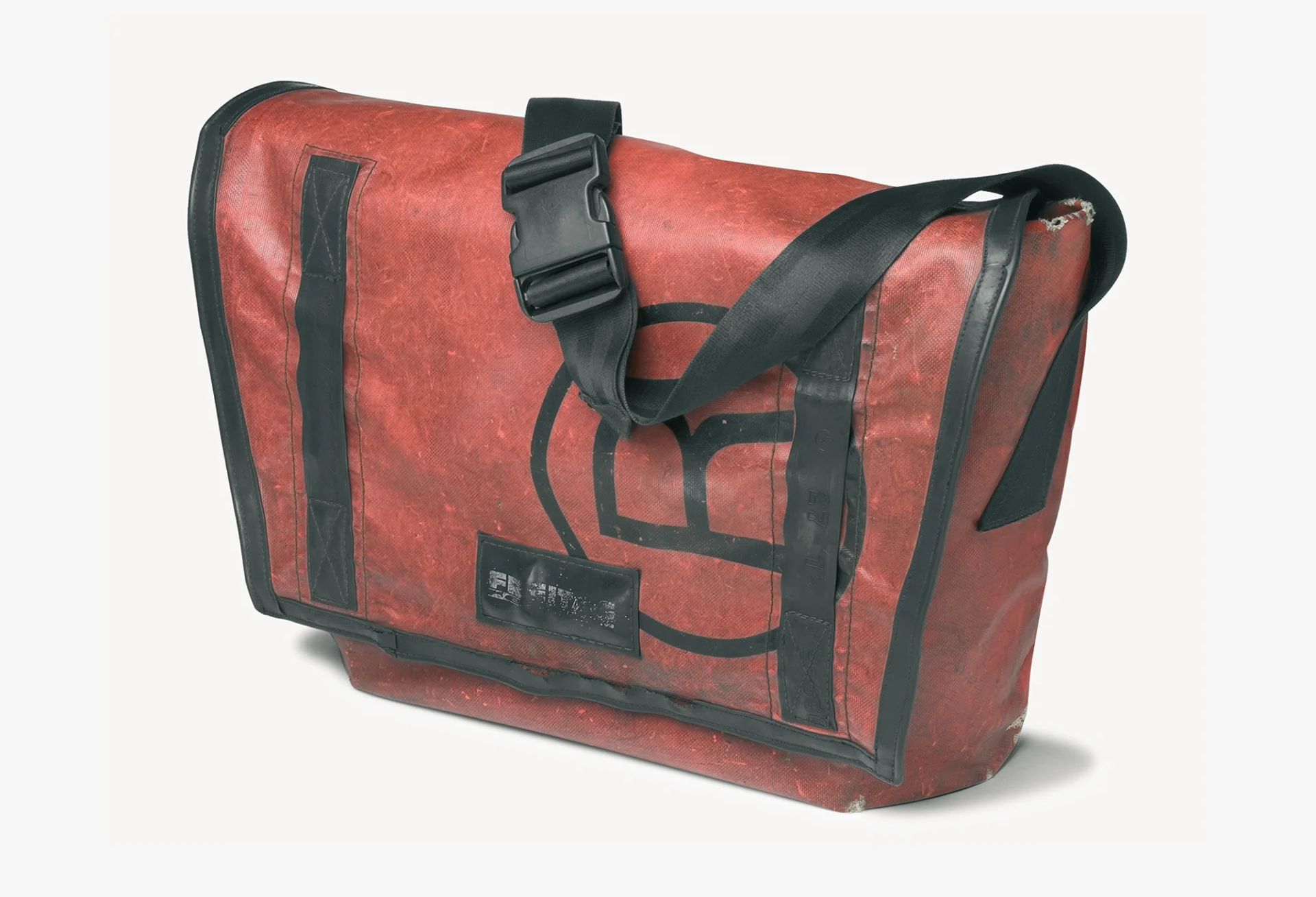
In 1993, two graphic designers in Zurich wanted a durable, water-resistant messenger bag. By one account, Swiss shops didn't even sell messenger bags back then.
Markus and Daniel Freitag found the answer in the truck traffic rumbling past their flat. They got hold of a used truck tarp and cut a bag out of it in their living room, with a second-hand car seatbelt for the strap and a bicycle inner tube for the edging.
No two tarps matched, so no two bags did either, and one-of-a-kind became part of the pitch. Today Freitag makes hundreds of thousands of products a year out of Zurich.
That works when you're the brand. A small maker selling 20 to 50 pieces a collection through Etsy and their own site needs the opposite: the same fabric, twice. They fall for an upholstery textile, burn a weekend prototyping, photograph and price the pouch, then go back to order more. The seller has six usable pieces left. (So much for the collection.)
Today's small business idea fixes that: a local supply business that turns upholstery offcuts into documented production lots. Workshops already pay to haul offcuts away, and FABSCRAP charges brands a fee to take surplus, so a reliable free pickup is a real offer. The University of Alabama's upholstery shop treats anything under two yards as scrap, the exact size an accessory maker wants.
You inspect every piece, record its minimum defect-free rectangle, sort batches by lot ID and list each one with the cutting math. A lot of 24 pieces at 18 by 26 inches yields 48 pouches at $3.75 of material each. Makers buy a $24 sample of that exact batch, and $20 of it comes back as credit if they buy the matching lot.
At $180 a lot, fifty lots a month brings $9,000 in sales and about $3,000 in contribution after acquisition costs. The pilot runs on roughly $2,900.
Read the full playbook here:
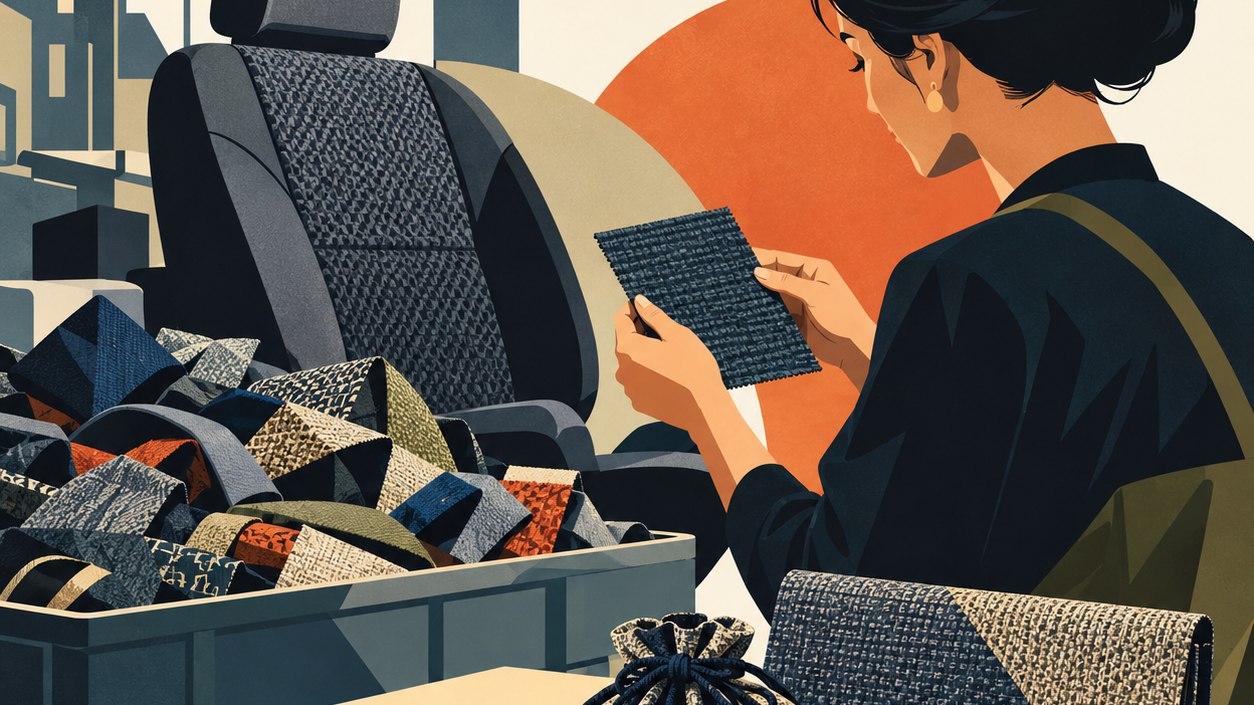
Toyota's upcycling project turned automotive fabric waste into ¥29,700 tea-ceremony pouches. In the U.S., upholstery shops scrap the offcuts that Etsy accessory makers would buy by the batch.
From the Vault:
California's AB 1679 opens a pop-up permit pathway in every city in 2027. Marketplaces already rent the space. The open lane is the profitability verdict for DTC brands.
Character.AI filed for Chapter 11 with Disney bidding $20 million for technology that excludes user chats. Creators exporting years of characters and stories get raw JSON they can't verify.


