


In February 1912, Cracker Jack started putting a prize in every box. Sales took off, and for the next century kids dug through the caramel corn to reach the bottom.
Then the prize started shrinking. Frito-Lay swapped the plastic trinkets for paper slips with riddles and jokes. In 2013 it added codes for games in a Cracker Jack app. In the spring of 2016 it finished the job: the prize became a sticker with a QR code you scan with the Blippar app to play a baseball game.
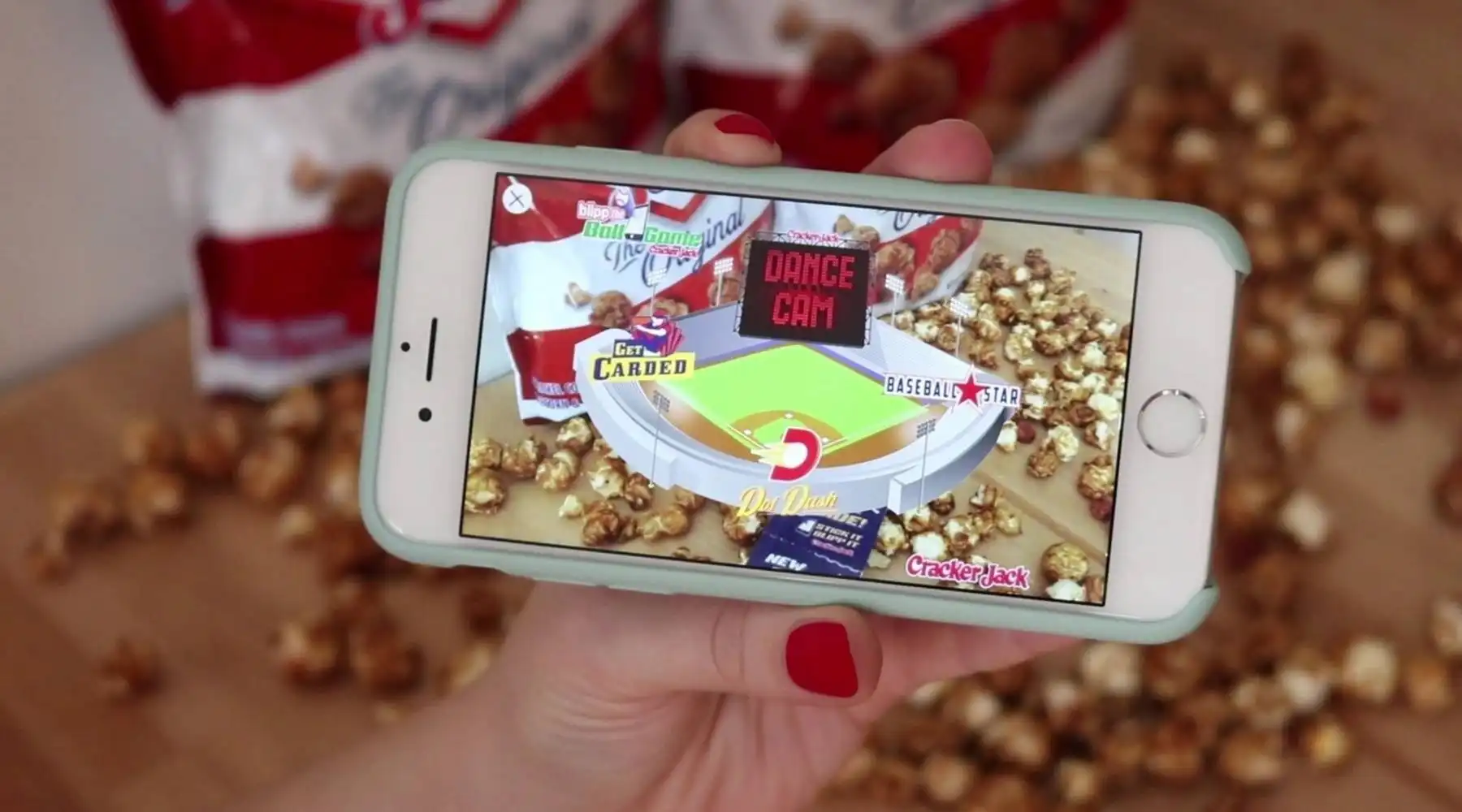
Frito-Lay marketing director Haston Lewis said the redesign kept "that treasured feeling of childhood wistfulness." Dozens of fans on Cracker Jack's Facebook page begged to differ. "If they're going to take away the prize, they might as well stop production altogether," one wrote. Somebody started a page called Put The Prize Back In Cracker Jack.
Sure, the toy was usually junk. But you could hold it and trade it. Try that with a mobile game.
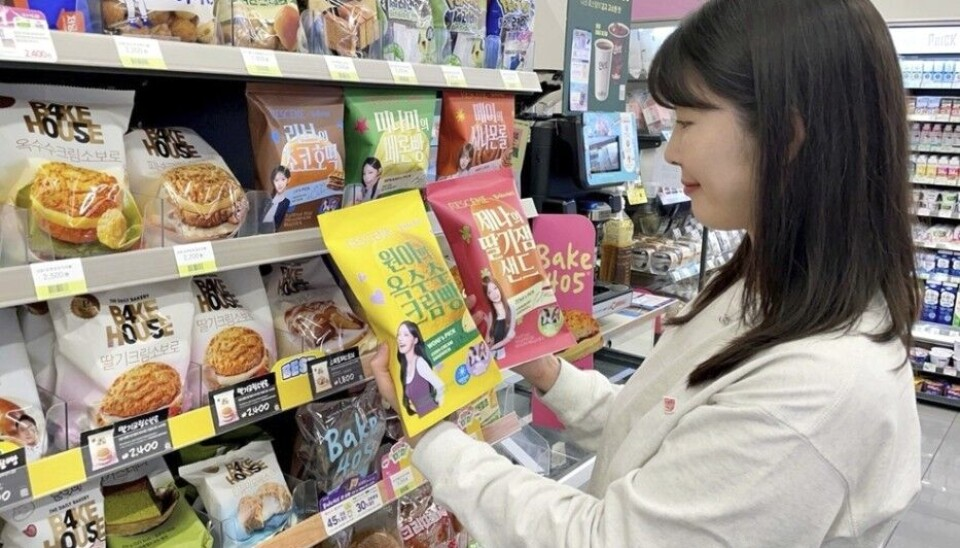
And the physical prize still moves snacks. In September, Korea's CU convenience stores put a random K-pop photo card in every pack of bread and sold 1.5 million packs in about five weeks.
Today's side hustle is the local version. You run a small studio that pairs a creator with a real local following (say, a comic artist with a book signing coming up) with an independent bakery nearby. They release 200 numbered packs at $16 each: the bakery's signature cookie plus an exclusive collector card that costs about 38 cents to print. Fans preorder, nothing gets made until enough of them do, and pickup happens at the bakery during a two-hour window around the event. You run the deal, the printing, the preorder page, and pickup day, then charge a $350 setup fee plus 15% of sales, about $830 a campaign. Sixty campaigns a year comes to roughly $49,800 for a solo operator.
Which half are fans really paying for? Test a card-only version next to the bundle. If the cookie barely matters, congratulations, you run a merch business.
Read the full playbook here:
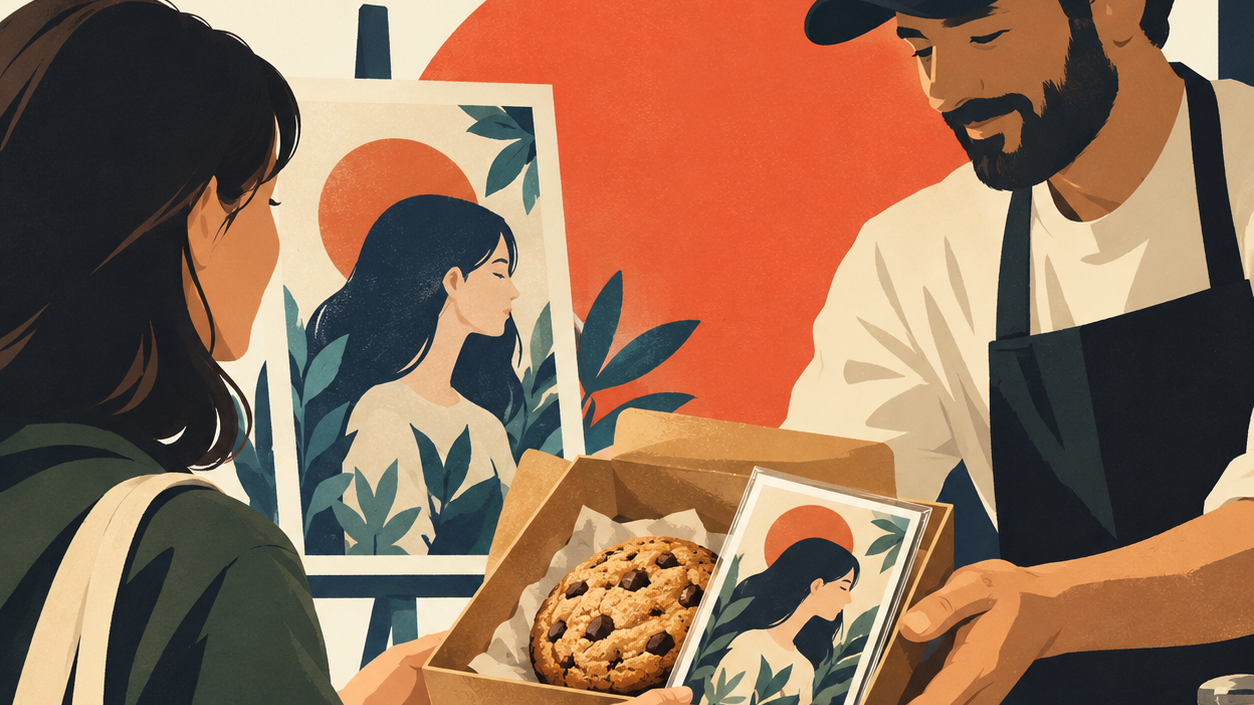
Korea's CU sold 1.5 million K-pop photo card breads in about five weeks. The American version pairs local artists with independent bakeries for limited-edition collectible cookie drops.
From the Vault:
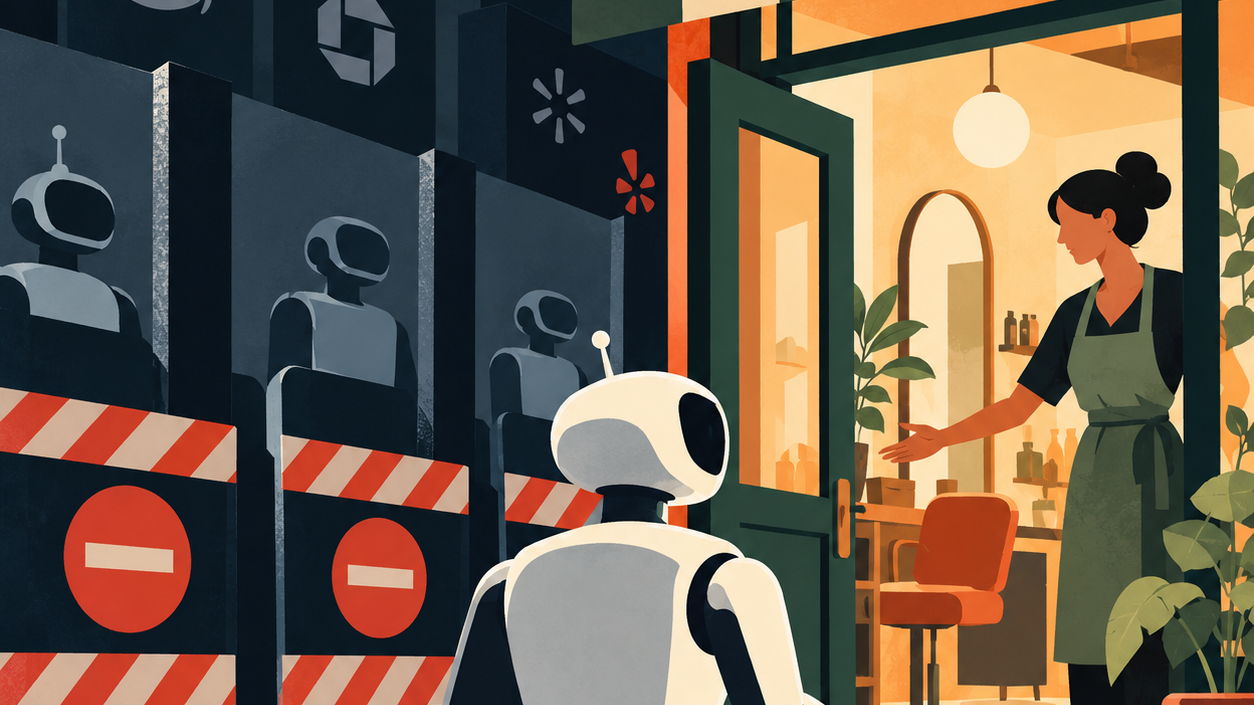
Top salons book 61% of appointments online, yet nobody tests whether the Book button still reaches an open slot. Square and the web agency each assume someone else does.
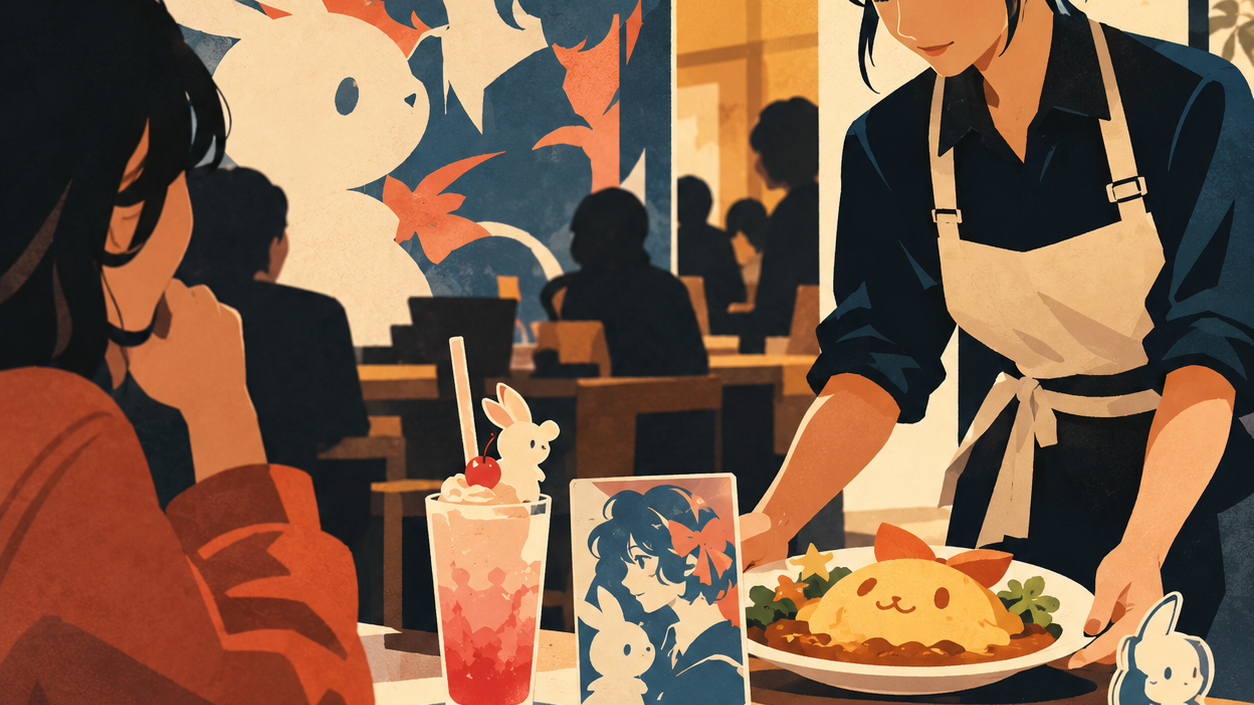
Japan sells nostalgia through character cafés with reservation fees and collectible stickers. Indie webcomic artists and illustrators have the fans but no licensing department, and neighborhood cafés have empty Wednesdays.


