


There are already dozens of break-timers and sit/stand reminders. You know this. The interesting part is what happens after someone installs one.
The reminder is the wedge into a much bigger category: workday rituals, where people will happily pay for "someone else decided the cadence for me." This is a micro SaaS idea disguised as a productivity app — and the real business isn't sit/stand reminders. It's designing someone's workday for them.
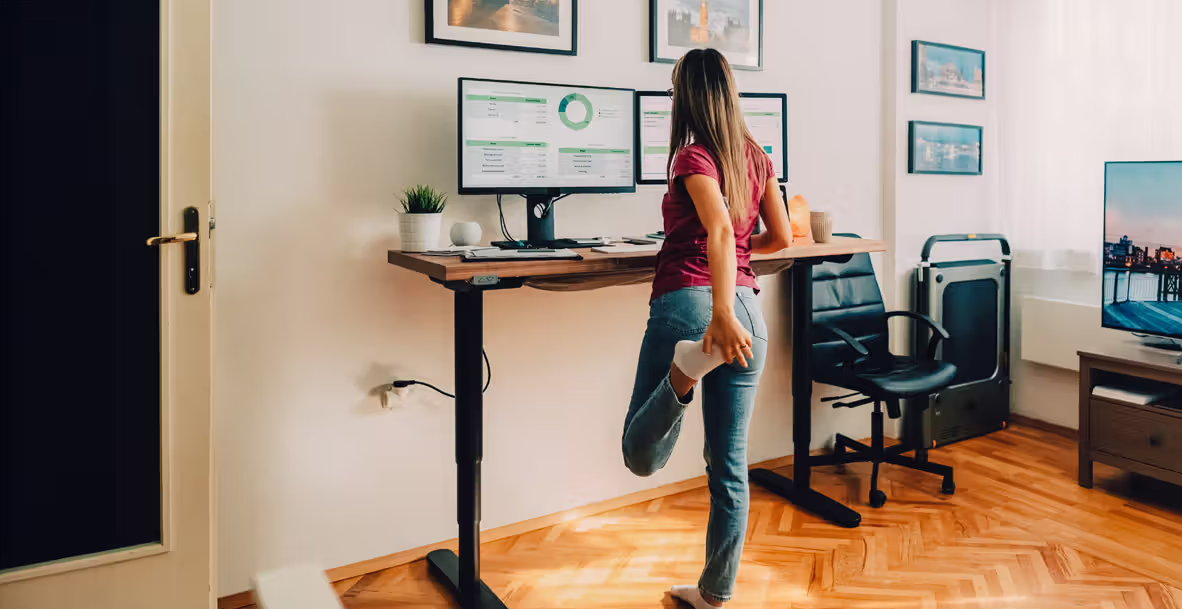
The standing desk market hit $8.14B in 2024 and is projected to reach $11.06B by 2030. Walking pads surged 98% in search volume year-over-year. WFH musculoskeletal complaints are structural, not cyclical. Every desk sold creates a second-order problem no one is solving with software.
The gap between "free timer" and "someone programs my workday" is where the money lives.
The Market Is Real. The Pain Is Measurable. The Wedge Is Proven.
Standing desks are a $8.14B category growing at 5.3% CAGR, with North America accounting for roughly 35% of the market. Under-desk treadmills reached $131.8M in 2024, heading toward $203.8M by 2033. The #walkingpad hashtag crossed 500 million TikTok views. Google searches for "walking pad" hit 1.7 million monthly searches by early 2025. These buyers are underserved — they need cadence management for walking and working at the same time, and nothing on the market addresses that.
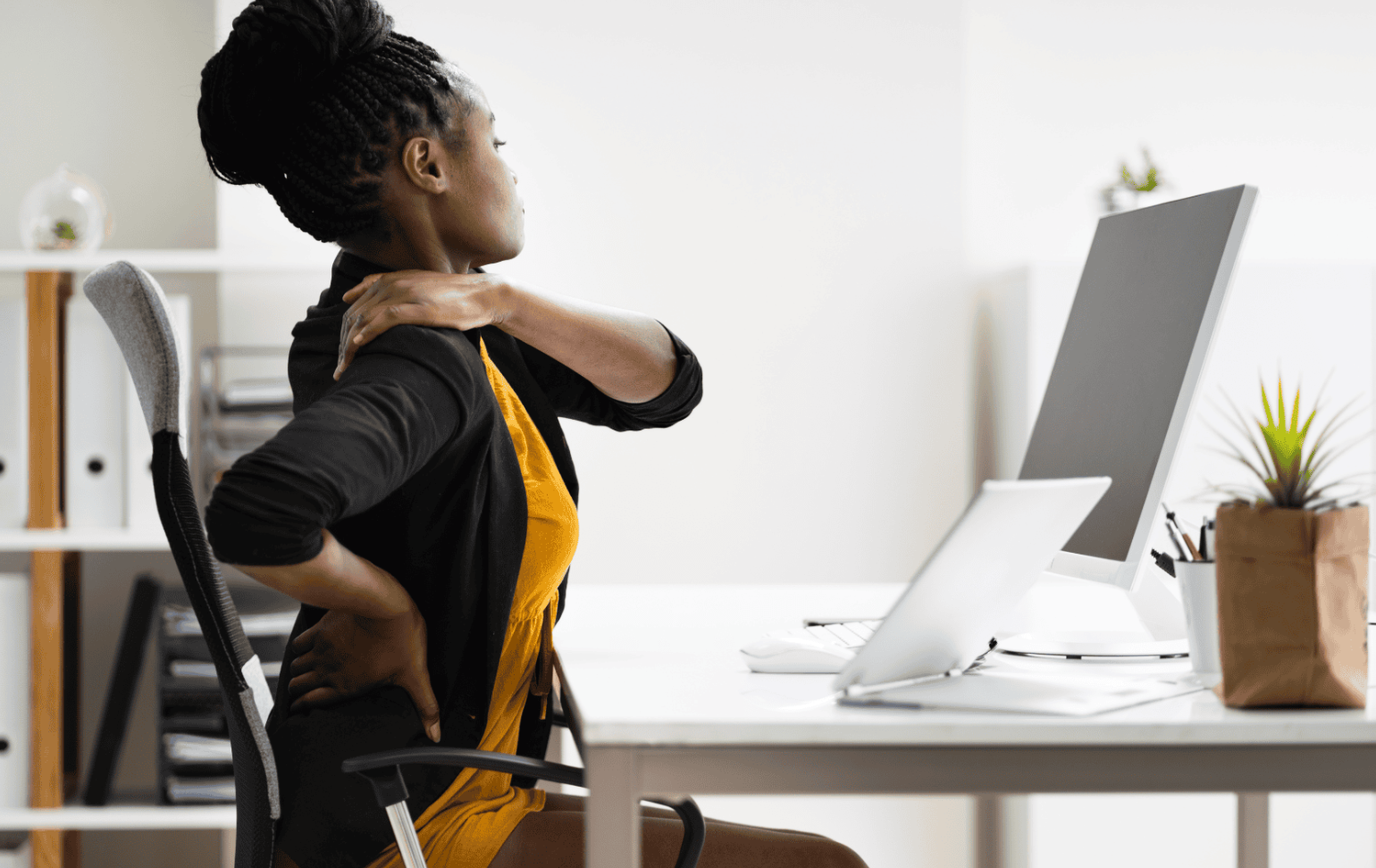
WFH and screen-heavy work are generating musculoskeletal complaints at scale. A telecom-worker study found ~39% reported worse low back pain and ~46% worse upper back/neck pain working from home versus the office. A 2024 German study of 1,000+ computer workers found that poor home workstation setups roughly doubled the risk of new neck or upper back pain. A longitudinal Dutch study of 40,000+ workers confirmed the pattern across multiple body regions. The behavioral job-to-be-done is movement structure inside the workday.
Indie apps already validate the wedge. Stao offers customizable sit/stand/move intervals (20-8-2 patterns, for example), streaks, and quiet reminders across desktop and mobile. Standly runs a similar playbook with streak tracking. Open-source tools like Stretchly and Workrave handle break reminders across macOS, Windows, and Linux. Willingness to install and use a small workday utility is proven. The mistake every one of these apps makes is stopping at utility.
The Category Play: Ritual Packs Over Premium Reminders
A generic timer gets commoditized instantly by native OS reminders, open-source break tools, and one-time purchase menu-bar apps. You can't build a business on "a better timer." You can build one on a better ritual.
This is a startup idea for anyone building ADHD productivity tools, standing desk accessories, or wellness software for remote workers — sell ritualized micro-habits for specific tribes using packs, streak leagues, and eventual B2B bundles. ADHD coworking pods. Desk treadmill walkers. Devs with back pain. You're targeting passionate micro-communities that lack proper infrastructure.
What a Ritual Pack Actually Is
A Ritual Pack is a pre-decided protocol with four components:

Unlock the Vault.
Join founders who spot opportunities ahead of the crowd. Actionable insights. Zero fluff.
“Intelligent, bold, minus the pretense.”
“Like discovering the cheat codes of the startup world.”
“SH is off-Broadway for founders — weird, sharp, and ahead of the curve.”


