


On Mother's Day 2024, Kensington Palace released a photo of the Princess of Wales and her three kids. A warm family portrait, taken by Prince William, posted to put months of "where is Kate" conspiracy theories to bed.
Within hours the Associated Press issued a kill notice, the wire-service order that tells every newsroom on earth to pull an image. Reuters followed. Then AFP and Getty. The offense: Princess Charlotte's sleeve didn't line up. A misaligned cuff, a smeared sweater pattern on Louis's shoulder, and one of the most photographed families alive got handled like a doctored war photo. Kate apologized the next day, explaining that she does "occasionally experiment with editing."
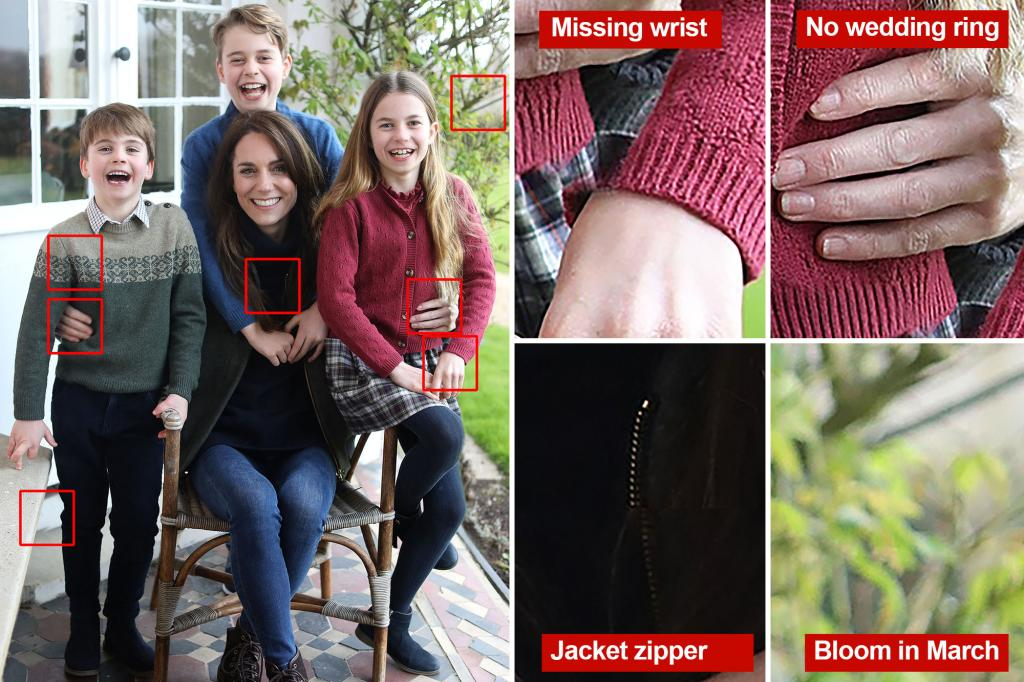
The part worth stealing is that nobody ever proved the photo was fake. The wires didn't need to. Their standard is provenance, so if the edit history can't be verified, the image is dead on arrival. AP never asked whether the picture looked convincing, only whether anyone could produce the original.
Real estate is about to get asked the same question. New York City announced in July that it will require disclosure when rental listing images are altered with AI. California's AB 723 has required it since January 1. Meanwhile the average brokerage's edit history lives in text threads, a freelancer's Lightroom, and a Dropbox folder called "FINAL final."
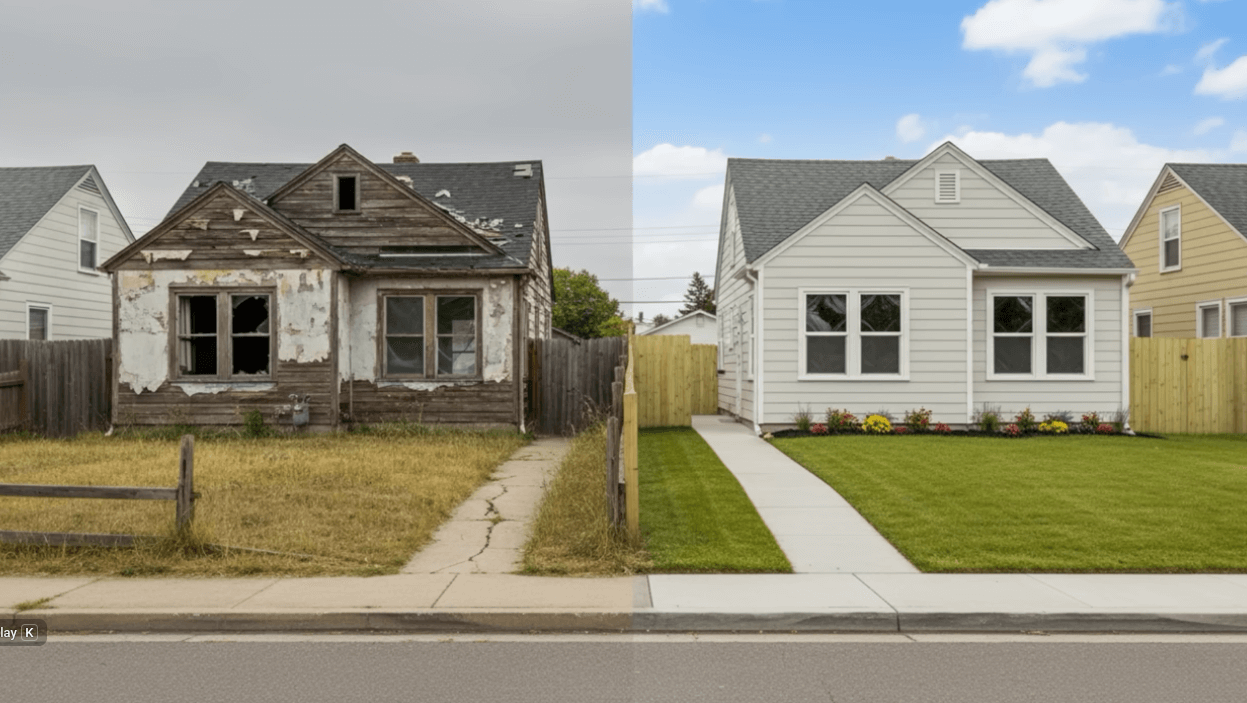
Today's featured idea is Listing Ledger, a compliance system of record for listing photos. It stores the original, tracks what changed, applies the right disclosure per state, routes the approval, and hands over the audit packet when someone comes asking. The trick is what you don't build. AI detectors are a losing game — the best average 75% accuracy and fall to 18-30% on the generators people actually use now. So why guess at the pixels when you can just keep the receipts? New York alone lists 33,000 rentals in a single month, and 100 brokerages at $400 a month is $480K ARR, paid out of the compliance budget, which is a much easier check to get signed than the marketing one.
Read the full playbook here:

New York City moved to require AI-alteration disclosure on rental listings. California's AB 723 already does. Brokerages have no system of record for listing photo provenance.
From the Vault:

USDA is funding AI tools for crop discovery. The breeding data those models need sits in incompatible files, and an April 7 rule change erased the grace period.

Target recruits shoppers with 500 followers into weekly content missions. Shopify brands sitting on 50,000 buyers have the same creator pool and no software to run it.


