


In February 2011, Google shipped an algorithm update with one target: content farms, the sites mass-producing cheap articles to soak up search traffic. The biggest farm of all was Demand Media, owner of eHow, and it had gone public three weeks earlier.
The day after the update, eHow's traffic went up 18%. The purge had missed. Demand spent the following weeks assuring investors that the negative reports were "significantly overstated," and for a minute there, they looked right.

Then the April rollout landed. eHow's search visibility dropped 66%. Sister site Answerbag lost 91% of its traffic. The stock fell 38% in two weeks and the company bled $18.5 million that year. The empire built on mass production never came back.
Everything that died had one thing in common: nobody missed it.
Fifteen years later, YouTube ran the same purge. 130,000 channels deleted in six months for mass-produced AI slop, and one January wave alone took out 16 channels holding 35 million subscribers and roughly $10 million a year in ad revenue. So which niches walked away clean? The ones where advertisers pay the most. Turns out the slop factories never bothered to learn them.
Today's featured idea maps the emptiest one: small-business tax content, which is exactly as thrilling as it sounds, and where advertisers pay $15 to $30 per thousand impressions. Nearly every channel there is a CPA using YouTube to funnel clients into their own firm. The play is an independent publication — AI handles the research grunt work, a credentialed reviewer signs off on every number, and nobody's selling you a course at the end. At 125,000 monthly views, ads, two sponsors, affiliate links, and a paid briefing stack to roughly $8,250 a month. And when the next purge comes, you're the channel people would actually miss.
Read the full playbook here:
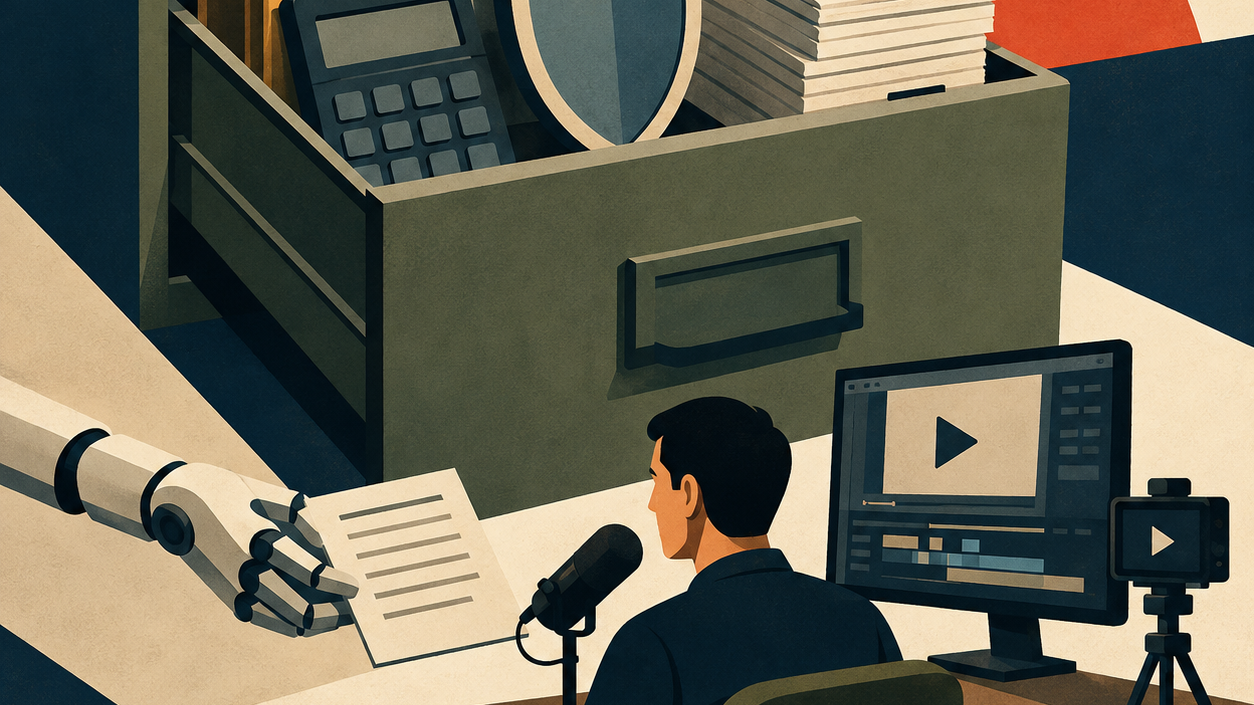
YouTube's enforcement wave removed 130,000 mass-produced channels and left the highest-CPM niches nearly empty. Small-business tax pays $15 to $30 per thousand impressions, and almost nobody is there.
From the Vault:

Long COVID clinics are closing, the FDA just widened its general wellness lane, and 250,000 patients already pay for condition-specific software. A solo founder can ship in six weeks.
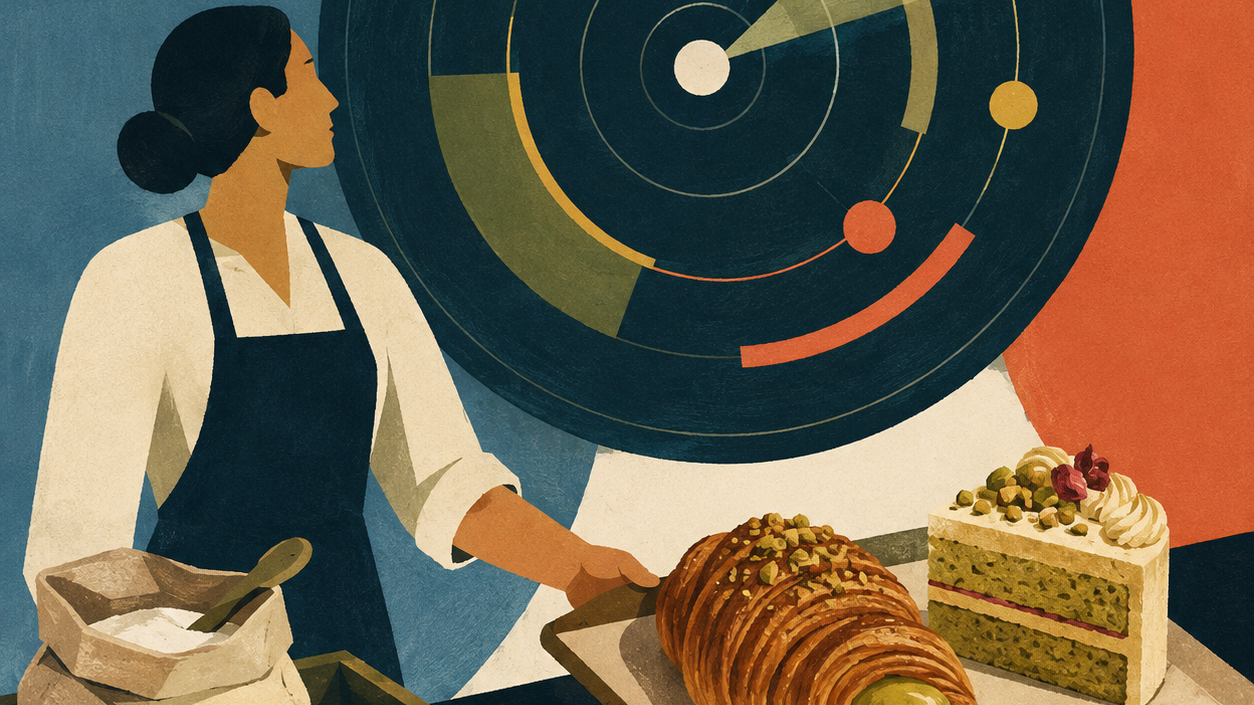
Enterprise food trend platforms sell signal to PepsiCo at $5,000 a month. The 9,112 independent bakery cafés running limited-time offers get nothing they can actually bake.


