


In 1994, a 30-year-old employee at the Japanese game company Atlus named Sasaki Miho noticed something strange. High school girls across Tokyo were decorating their notebooks with tiny photos of each other, trimmed and glued by hand.
She pitched her bosses on a photo booth that printed sticker sheets. They said no. They relented a year later. By 1997, "purikura" was a $950 million industry with 50,000 machines across Japan. A teenage girl's craft project had redrawn the entire arcade economy.
Then smartphones arrived and revenue collapsed 80%.
But purikura didn't die. Today, 86% of Japanese teenage girls still use the booths. Because what the machine sold was never the photo. It was the ritual of being somewhere together and walking away with proof.

When a new technology kills the format, it doesn't kill the desire. It just leaves the desire homeless.
That pattern is repeating. A company called Yondr has now locked more than 20 million phones across 10,000+ events in 27 countries. Comedy clubs, concerts, Broadway, weddings, corporate offsites — all going phone-free. And every one of those venues has created the same vacuum purikura filled thirty years ago: guests leave with nothing.
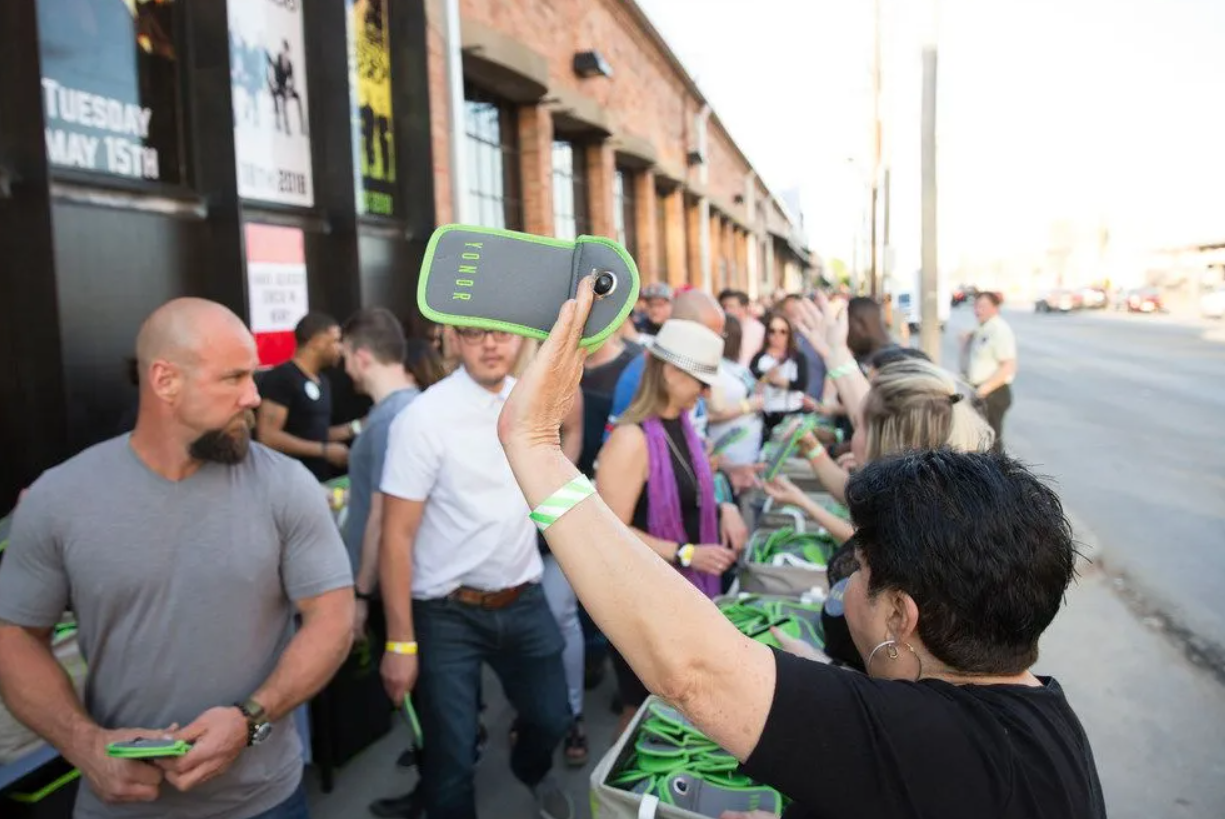
The existing event photo platforms? Every one of them assumes guests still have their phones. Lock the phone in a pouch and the entire model collapses.
The opportunity: a B2B event photography service and SaaS platform purpose-built for phone-free venues. Controlled capture, branded next-morning gallery delivery, post-event CRM tied to ticketing. A solo operator serving a handful of recurring comedy clubs can clear $8K–$14K/month once hardware costs are amortized. Start as a local service. Design toward a platform.
Read the full playbook here:
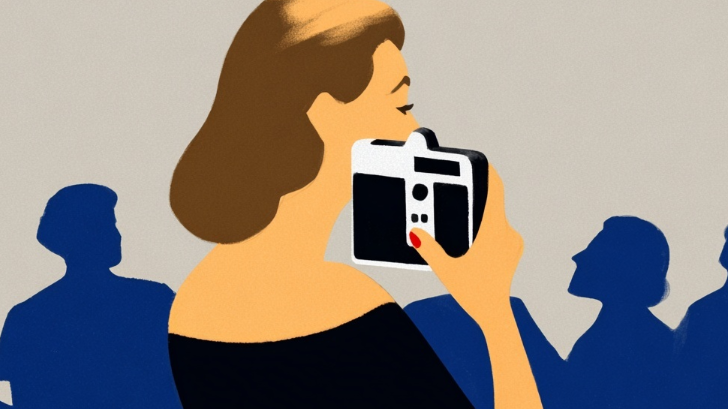
Yondr locks 20 million phones at live events yearly. Guests leave with zero photos. A B2B event photography service for phone-free venues is a startup idea hiding in plain sight.
From the Vault:
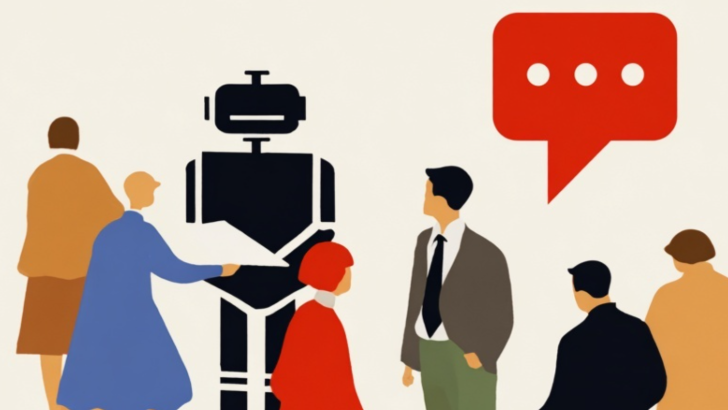
AI agents degrade fast in long, messy conversations — forgetting constraints, contradicting themselves, losing the thread. A new B2B SaaS opportunity is emerging around conversational reliability testing, and no one owns it yet.
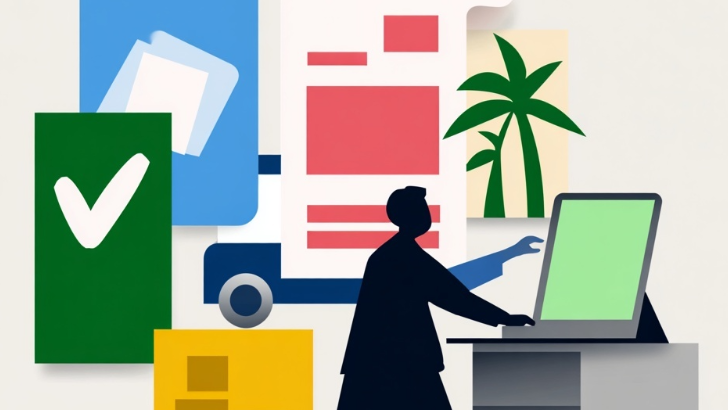
AI can draft code and memos but still chokes on messy freight invoices and insurance loss runs. A vertical document verification SaaS — built around trust, not extraction — is a wide-open B2B startup idea.


