


In 2019, Netflix started testing a button. Just a button. You'd press it, and Netflix would pick something for you to watch.
The company had reason to believe it would work. Industry data showed the average viewer spending 12 minutes per session just deciding what to stream. So engineers built "Shuffle Play," tested it on Android, expanded the test globally in mid-2020. By Q4, Netflix was pitching the feature to investors in the shareholder letter as a content discovery breakthrough. They rebranded it "Play Something" and rolled it out worldwide in April 2021.
In January 2023, Netflix quietly killed it. Usage was too low. A spokesperson told the Wall Street Journal that most subscribers showed up with a specific title already in mind.
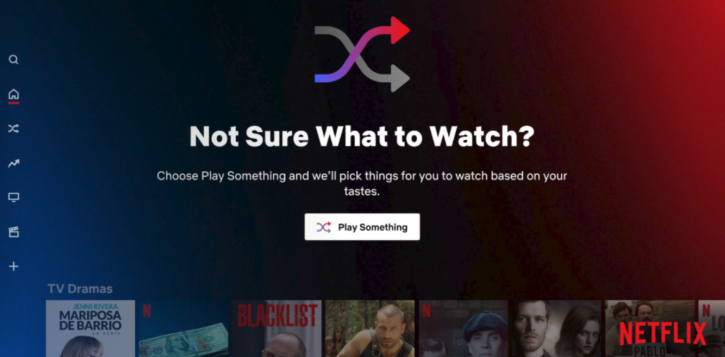
The problem was real, but the solution was wrong. A button that says "surprise me" asks you to gamble. A channel that says "sit down, we've got the next two hours" asks you to trust.
Netflix built a slot machine when people wanted a bartender.
YouTube now commands over 13% of all U.S. TV watch time, more than Netflix or Disney. A billion hours a day, increasingly on television screens. Free ad-supported streaming grew 43% year over year, and two-thirds of viewers say they'd rather watch ads than pay. People want channels again. They just don't want cable.
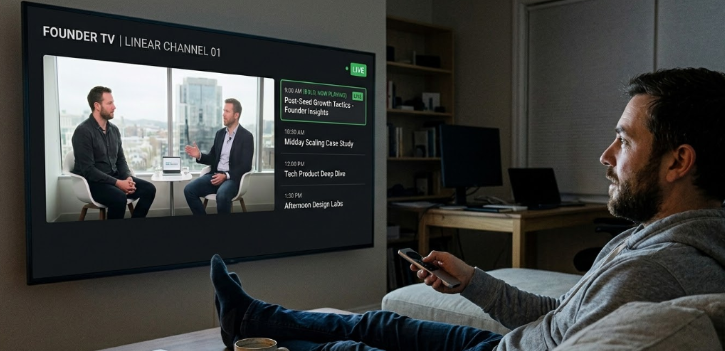
The opportunity: a lean-back streaming layer that turns YouTube archives and creator libraries into programmed, always-on channels. Cable TV for the internet, built as software. One niche channel with a single sponsor can clear $3K–$8K/month in the first quarter. At 500 creator-operated channels, the SaaS path to $50K–$100K+ MRR opens inside 18 months with near-zero marginal cost per channel added. A content curation startup idea riding the fastest-growing segment in streaming.
Read the full playbook here:
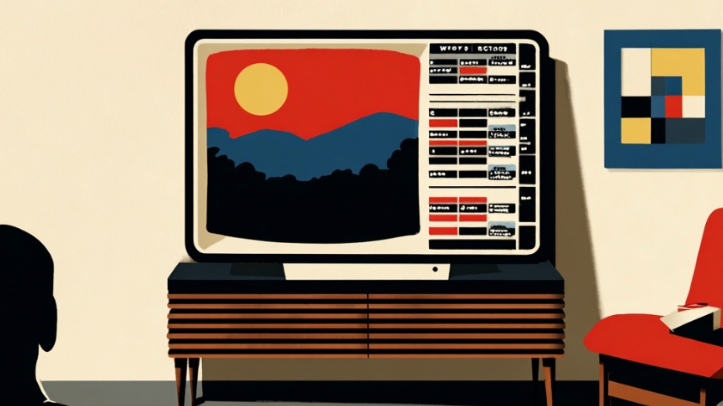
YouTube now captures more U.S. TV time than Netflix — but discovery is broken and viewers are abandoning sessions. A lightweight creator tool that packages free video into programmed lean-back channels could own the curation layer streaming never built.
From the Vault:

AI-powered document analysis costs fractions of a penny — but confused consumers will pay $19–$99 for instant clarity on medical bills, job offers, and insurance denials. A micro-SaaS opportunity with 99%+ gross margins.
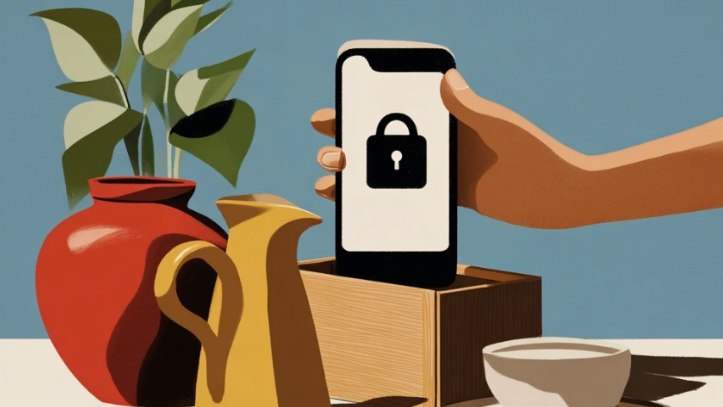
The digital detox market is past $1B and growing 15–25% annually. A certified phone-free experience platform — part membership club, part attention wellness startup — can hit $36K/month from a single city.


