


The lazy version of this idea is a novelty account. You spin up an AI character, post daily, pray for virality, and maybe land a few brand deals before the algorithm moves on.
The real version looks nothing like that.
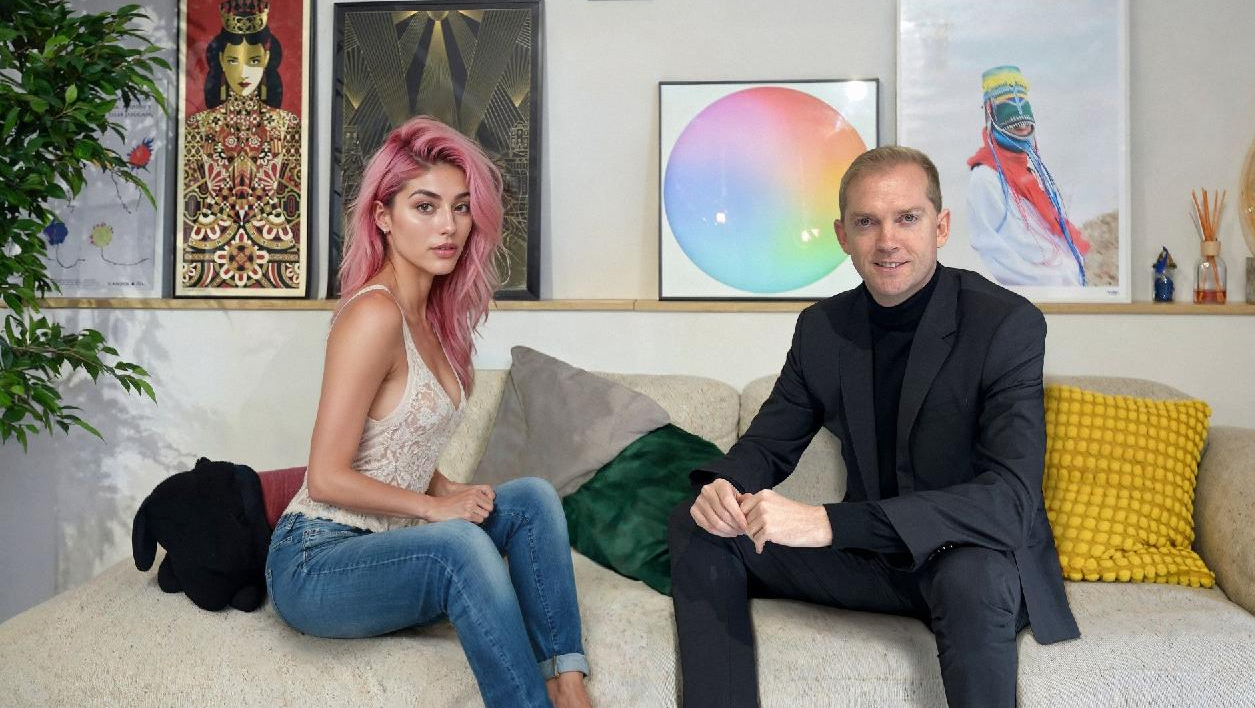
You're building an IP factory — a creator economy business where the asset is the canon and the production system that can mint characters, run multi-account story worlds, and sell distribution-integrated sponsorships with far less human risk than creator-led media.
Aitana López, a fully AI-generated Instagram model out of Barcelona, already earns up to €10,000 per month from brand deals. FourFront's scripted TikTok universe hit 281 million views in eight months with a team small enough to fit in a conference room.
This is a real and time-right opportunity, but it is not obvious-winner territory. It's a high-skill, execution-sensitive play where your edge must be narrative craft plus process design — not "we use AI." The virtual influencer market sits at roughly $6 billion in 2024, with Grand View Research projecting around $46 billion by 2030 at roughly 40% CAGR. Other forecasters place the 2030–2034 outcome higher or lower, but the directionality is steep enough that "synthetic IP" is clearly not a fad.
The wedge isn't "a character." It's canon as infrastructure: the continuity engine that lets you scale multiple characters without breaking the world. Think of it as a micro-SaaS idea meets media company — one where the production system itself becomes the product you eventually sell.
The market reality
Brand demand is real but selective and getting more so. Collabstr campaign data shows brand openness to AI creators dropped from 86% to 60% over the past year, driven by backlash risk and underperformance concerns. A World Federation of Advertisers study found 60% of multinational brand executives had no plans to adopt virtual influencers at all, with 96% of holdouts citing consumer trust. Brand partnerships with AI social accounts fell roughly 30% in early 2025 versus the prior year.
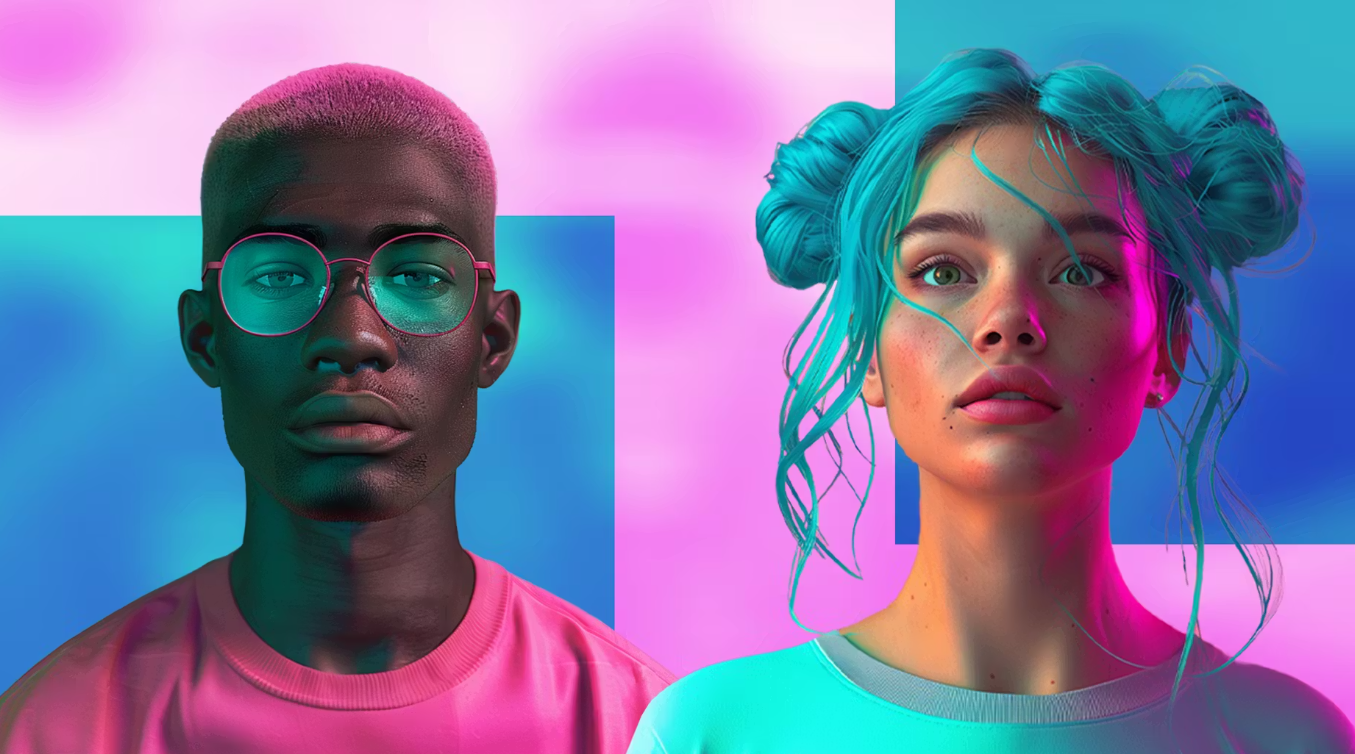
Collabstr's co-founder captured the dynamic well: the pullback is part of a natural hype cycle, and the category will inevitably grow, but right now the data doesn't support the breathless coverage.
That combination — rising macro market with short-term brand pullback — is exactly where small operators outperform. The big brands are hesitant. The format is proven. The tools are cheap. The teams that build repeatable, brand-safe production systems today will own the category when those cautious brands come back.
Whenever the market hesitates, making bold, calculated moves is the fastest way to build your moat.
If your monetization plan is "brands will pay because it's AI," you'll die waiting. If your plan is "brands will pay because you built an entertainment vehicle with a controlled persona and proven distribution," you have something.
Proof the format works
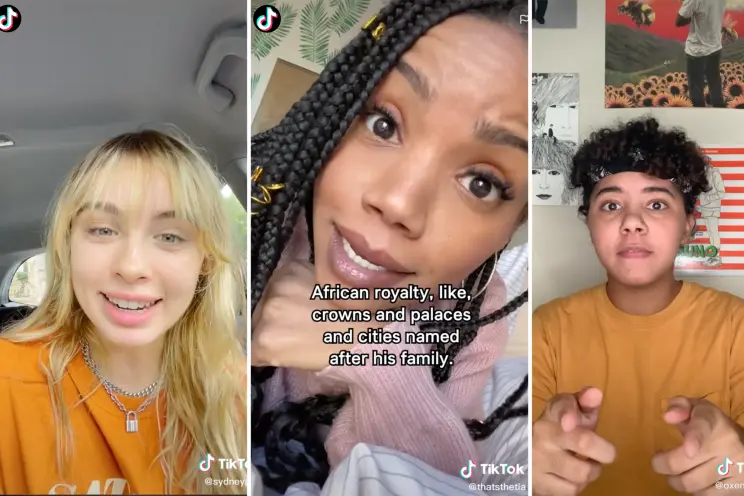
FourFront's fictional TikTok influencer network is the cleanest precedent. The Philadelphia-based startup created 22 scripted characters played by real actors, filmed in TikTok-native formats, connected in a shared universe their co-founder compared to the MCU. Within eight months the network had amassed 1.9 million followers and 281 million views. Characters like "Sydney" (nearly 500,000 followers) ran soap-opera-style arcs designed for the For You Page: short episodes, cliffhangers, recurring drama. Each video had to stand on its own for new viewers while advancing the story for existing fans. The company raised $1.5 million in seed funding.
On the single-character side, the economics hold up too. Aitana López, a hyper-realistic AI-generated model created by Barcelona agency The Clueless, earns up to €10,000 per month through brand partnerships with over 300,000 Instagram followers. The agency was transparent about Aitana being fully AI-generated, and that honesty didn't hurt engagement. Industry data from HypeAuditor and similar platforms indicates virtual influencer campaigns around 2023 hit average engagement rates near 5.9%, roughly three times the 1.9% rate for campaigns using real influencers.
The psychological unlock: audiences don't demand "authentic." They demand "honest about what you are." A scripted character who never pretends to be real can feel less manipulative than a human creator performing relatability while selling products.
So the format — fictional or virtual personas with serialized content — is validated on both attention and revenue. What's not yet validated at scale is a "canon-as-infrastructure" studio that systematizes this across many universes and then sells the operating system as SaaS. That's the gap you're filling.
Be the showrunner, not the face
Three viable business shapes exist here. The best operators combine them in sequence:
Unlock the Vault.
Join founders who spot opportunities ahead of the crowd. Actionable insights. Zero fluff.
“Intelligent, bold, minus the pretense.”
“Like discovering the cheat codes of the startup world.”
“SH is off-Broadway for founders — weird, sharp, and ahead of the curve.”


