


The night before Singles' Day in 2018, Jack Ma went on a livestream to sell lipstick.
Yes, that Jack Ma. The guy who founded Alibaba, selling at a livestreamed party his own company threw. His opponent was Li Jiaqi, a 26-year-old who used to work a Maybelline counter at a shopping center.
It wasn't close. Ma sold about 10 lipsticks, while Li sold almost a thousand in a few minutes.
Look at who lost. Few people alive understand online selling better than Ma, a man who built the store and the payments underneath it. What he didn't have was the thing Li picked up behind that counter: holding up one tube and talking you into buying it right now.

Li went on to become China's "Lipstick King." Ma kept his day job.
Plenty of independent sports card shops have the same Jack Ma problem. The owner can tell you the corners on that 1996-97 Kobe rookie and where the slabbed Jordan insert came from. A Whatnot show is a whole different job: lights, a camera, a chat that scrolls faster than anyone can read, and an auction clock running while somebody digs for the next card. Who's supposed to handle all that, the owner?
The buyers are already there. Whatnot cleared $8 billion in live sales in 2025.
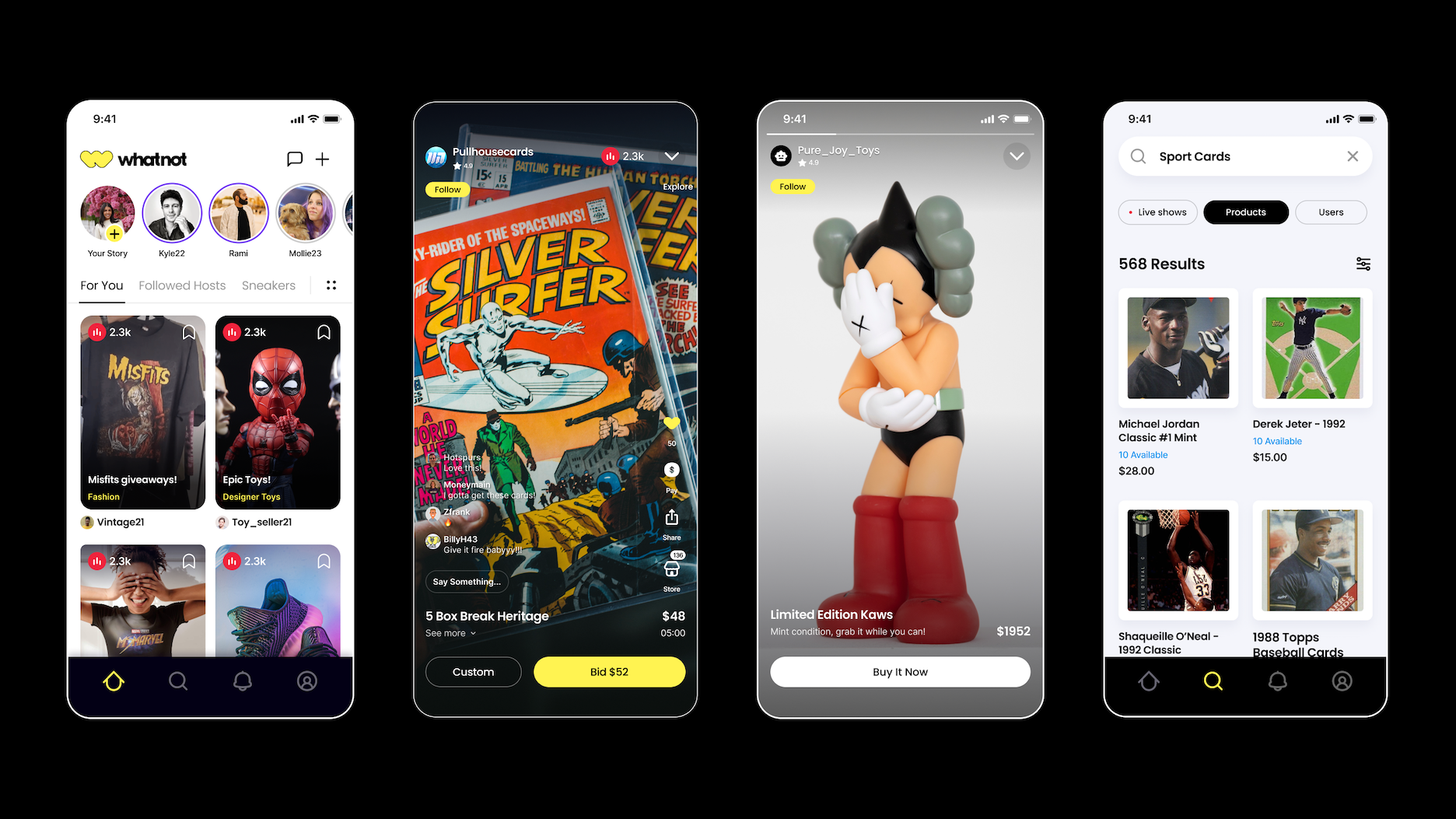
Today's small business idea is the host: an outsourced live-selling service for card shops. You bring the kit, run and merchandise the show, and send a post-show report on what the shop actually kept. The shop supplies the cards, keeps its seller account and ships the orders, so you never buy inventory or write a line of code.
Agencies already produce live shows for brands, starting around $6,500 a month. A neighborhood card dealer is never paying that. (Try pitching that across the display case.) Start at $350 a show or 10% of completed, non-refunded sales, whichever is greater. Four shops at four shows a month gets you $5,600 a month at the minimum, and the kit runs roughly $270 to $750.
Read the full playbook here:
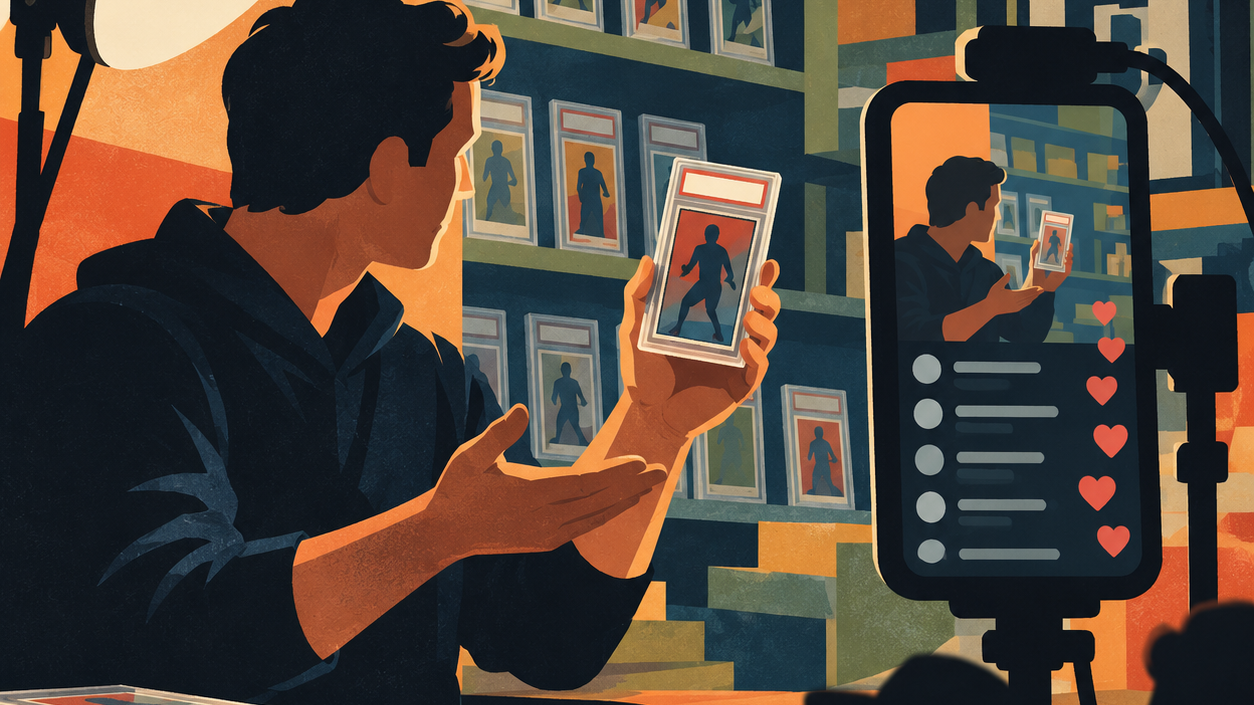
Whatnot cleared $8 billion in live sales in 2025, and sports card shops hold the inventory collectors bid on. Most have nobody who can host a weekly show.
From the Vault:

In a June survey, 13% of Americans had woken up to an order they didn't remember placing. A privacy-first Chrome extension sells late-night Amazon shoppers the pause retailers removed.
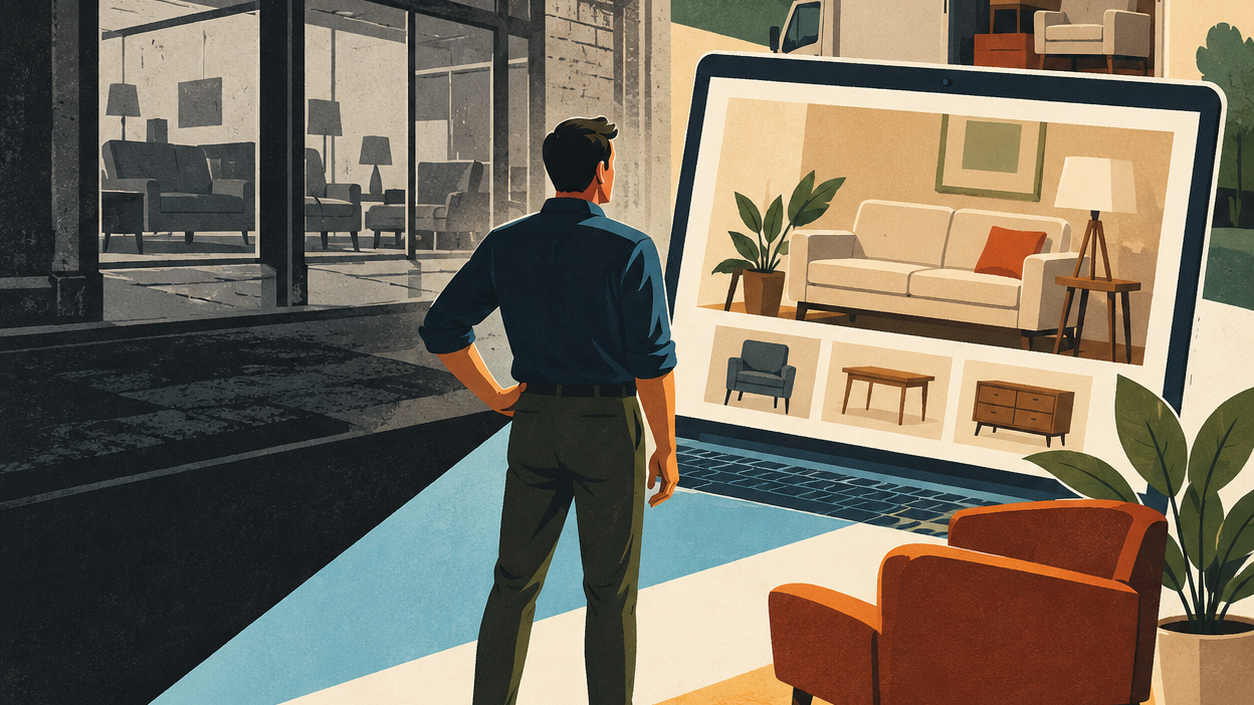
Haynes, Pieroway's, and Weiss Furniture are holding going-out-of-business sales after 60 to 128 years. Liquidators sell the inventory, and the trusted local name usually goes unclaimed.


