


Abram Sauer walked into an H&M in 2010, tried on a pair of size 36 dress pants, and they were tight. He's a 36. So he did what any reasonable man does when his pants call him fat: bought a tailor's tape and went shopping.
Every pair below is labeled 36. The tape disagreed:
- H&M: 37
- Calvin Klein: 38 and a half
- Haggar: 39
- Dockers: 39 and a half
- Old Navy: 41
Five inches of waistband nobody asked for. Old Navy's size 34, for the record, measured 39.
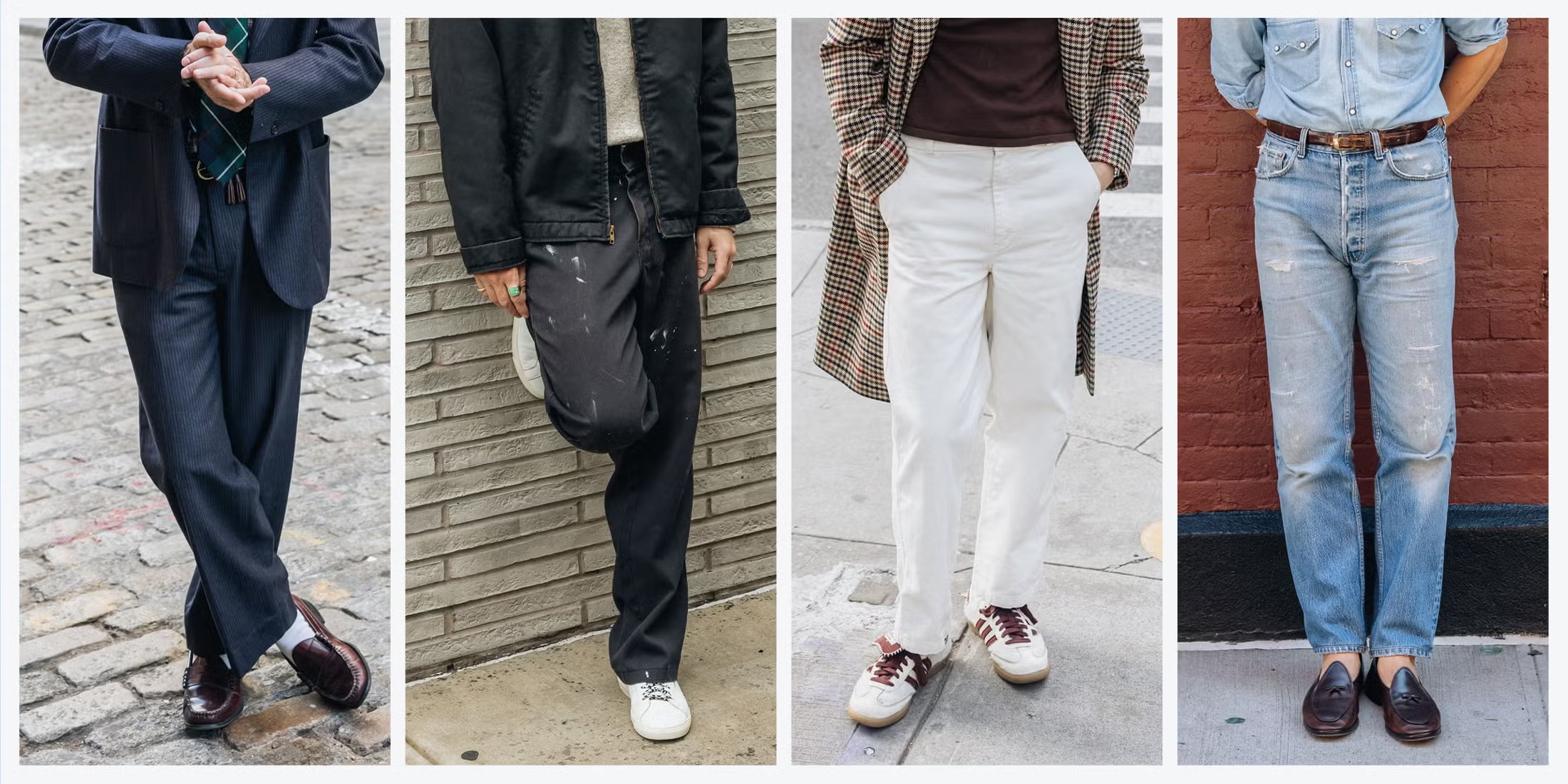
Esquire ran it under the headline "Are Your Pants Lying to You?" and the industry's answer was basically yes, and you're welcome. Sauer's read: "pants manufacturers are trying to flatter us." A guy buys a 36, it fits, he walks out feeling great about himself. And since plenty of men have never put a tape around their own waist, the tag is the only number they've got. (When did you last measure yours? Thought so.)
So the number the whole system runs on is a marketing decision, and it's a different decision at every store.
Now a Shopify store asks a shopper her size and she says "medium." That's a number that flattered her somewhere else, and the store can't do much with it. A tailor would ask the follow-up: medium in what? Which brand actually fits you?
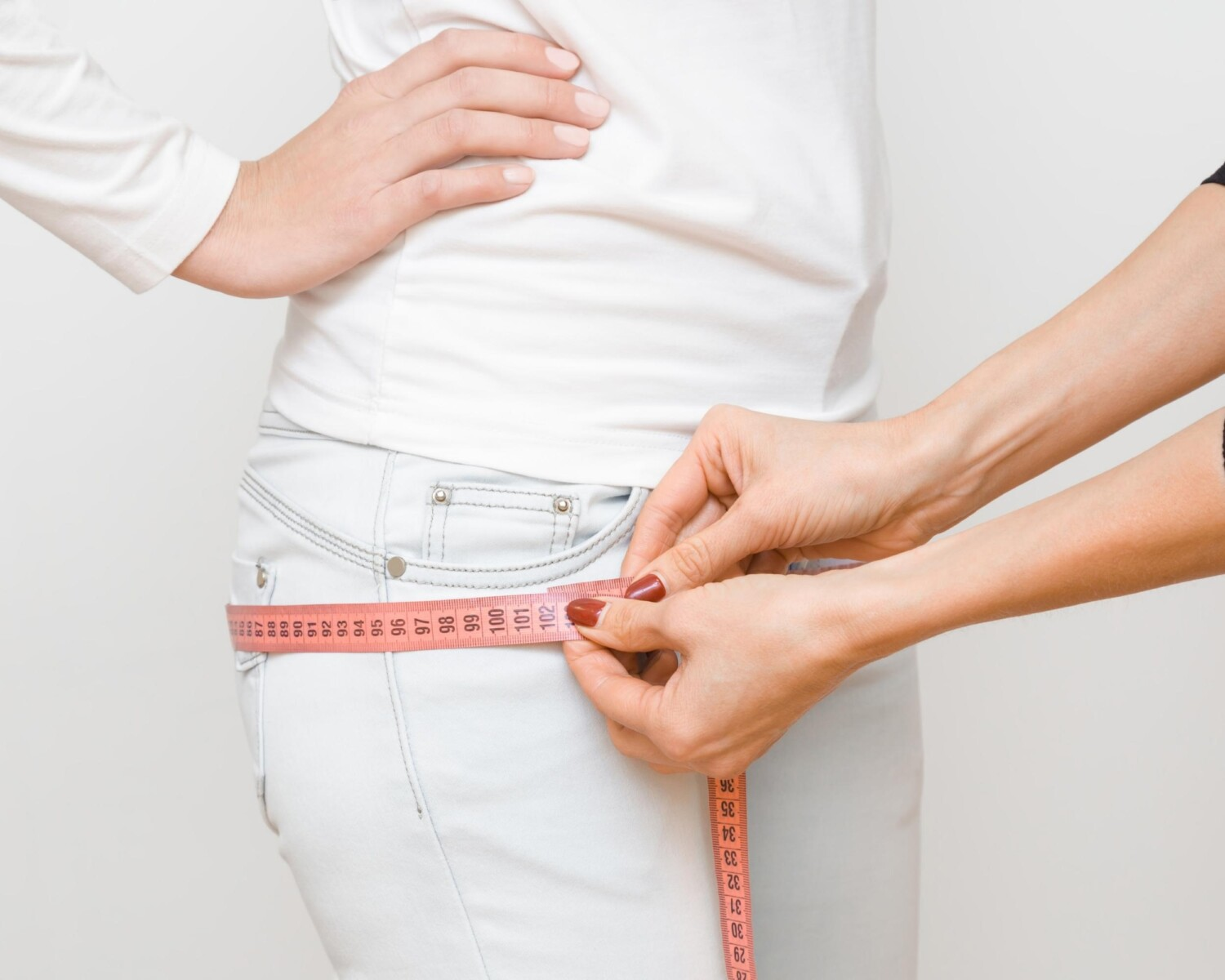
Today's idea is the Fit Passport, a Shopify app for apparel brands that asks four to seven of those questions (usual size, preferred fit, a reference brand that fits, a waist number) and recommends a variant with the reasoning shown: "We recommend M because..." The shopper decides whether the profile dies with the session, stays with that brand, or travels with her to the next store.
And the field is nearly empty. A June scan of 750,598 live Shopify stores found a sizing app on about 1% of them, and 88% of those were a static size chart. U.S. online apparel returns run 24.4%, with 53% of brands naming size and fit as the top reason. Fifty merchants at $249 a month is $12,500 MRR before implementation fees. AI-driven traffic to Shopify stores tripled year over year, and a saved preference schema is exactly what a shopping agent needs to know who it's buying for.
Read the full playbook here:
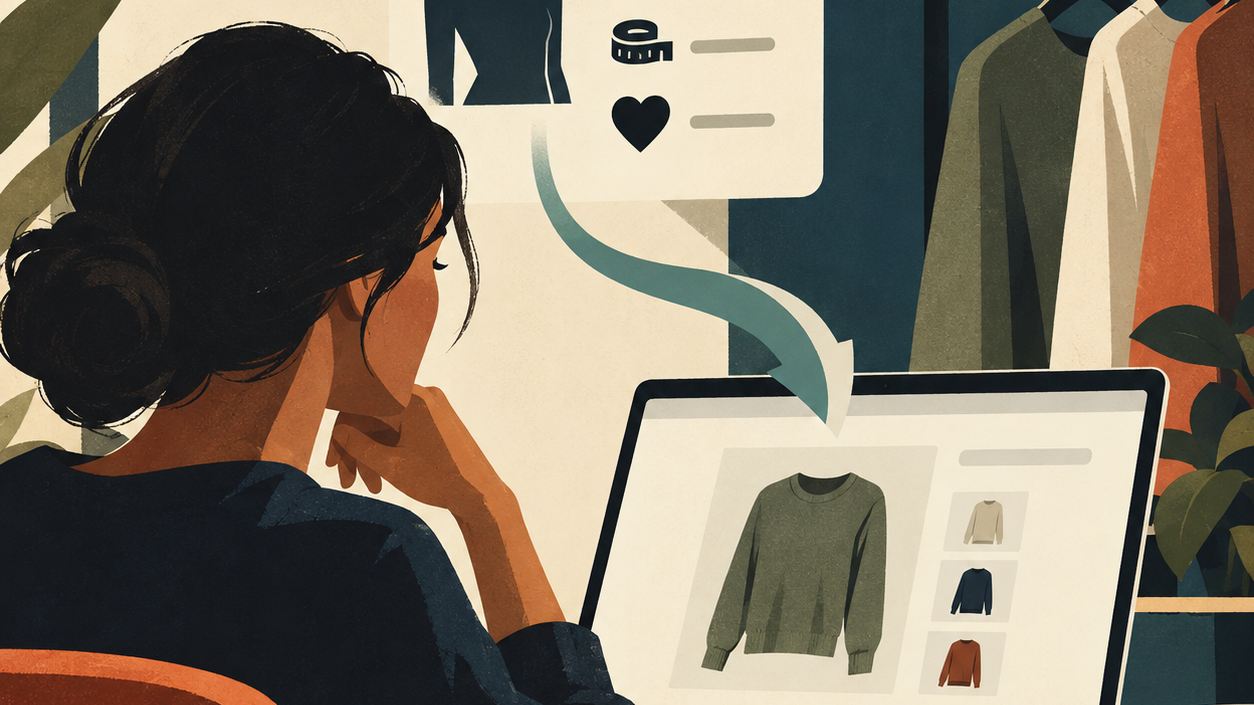
Apparel returns run 24% and fit is the top reason, yet fewer than 1% of Shopify stores run a sizing app. Zero-party fit data is the opening.
From the Vault:
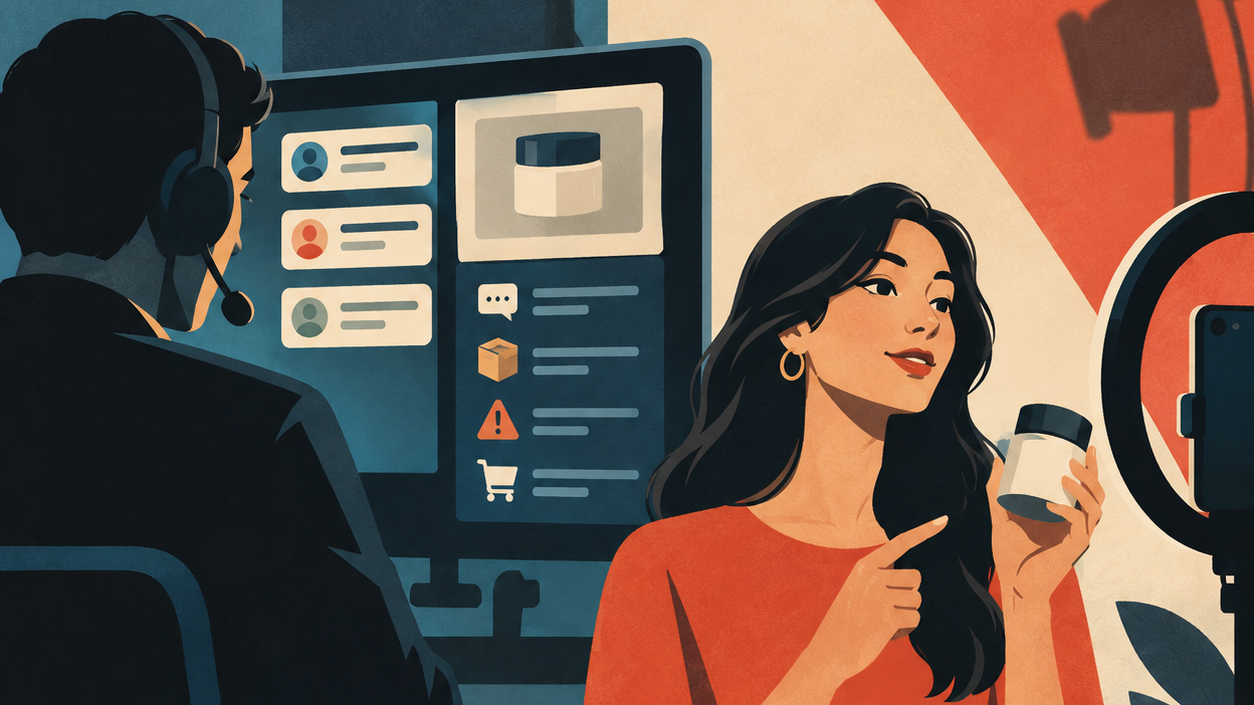
TikTok Shop now bans AI hosts on promotional LIVEs while U.S. livestream retail heads for $19.8B in 2026. The AI economics agencies want have to move backstage.
Dutch Bros sells out monthly stickers in two hours. Heytea made the cup media. A Square-connected label printer lets independent coffee and boba shops run the same play.


