


In 1989 Nintendo shipped a handheld with a screen the color of pea soup. Four shades of gray-green, no backlight, four AA batteries, $89.95.
Atari answered that September with the Lynx: 16-bit, full color, backlit, $179.99. Sega's Game Gear followed, also color, also backlit. Side by side in a store, the Game Boy lost every row of the spec sheet. Which would you have begged for?
Then you checked the batteries. The Lynx and Game Gear each ate six AAs for four hours, maybe five. The Game Boy ran about thirty. A kid could play the whole drive to grandma's and back on one set, just not after dark.
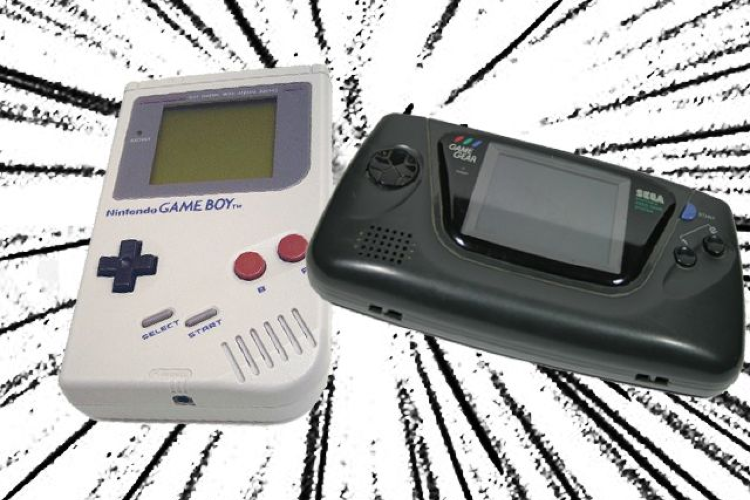
Final score:
- Game Boy: about 118 million units
- Game Gear: about 10 million
- Lynx: about 3 million
The guy who designed it, Gunpei Yokoi, had a name for this: "lateral thinking with withered technology." While Atari and Sega kept adding, he cut the one feature the market assumed was the point and kept what kids actually cared about: playing longer. He also put Tetris in the box.
Today's idea is the same move, aimed at simulation games.
On August 12, John Goering, a solo developer in Berlin, put a WWII submarine game called Silent Shark on Steam. There's no 3D U-boat and no crew; the whole game is a chart. You listen on the hydrophone, estimate the contact's course and speed, plot an intercept, guess the range, fire, and wait to see if your geometry held. A month in: 125 reviews at 98% positive, a few thousand copies sold, 25,000 wishlists waiting. Six months of evenings and weekends. Codex wrote every line of code; what to leave out was his call.
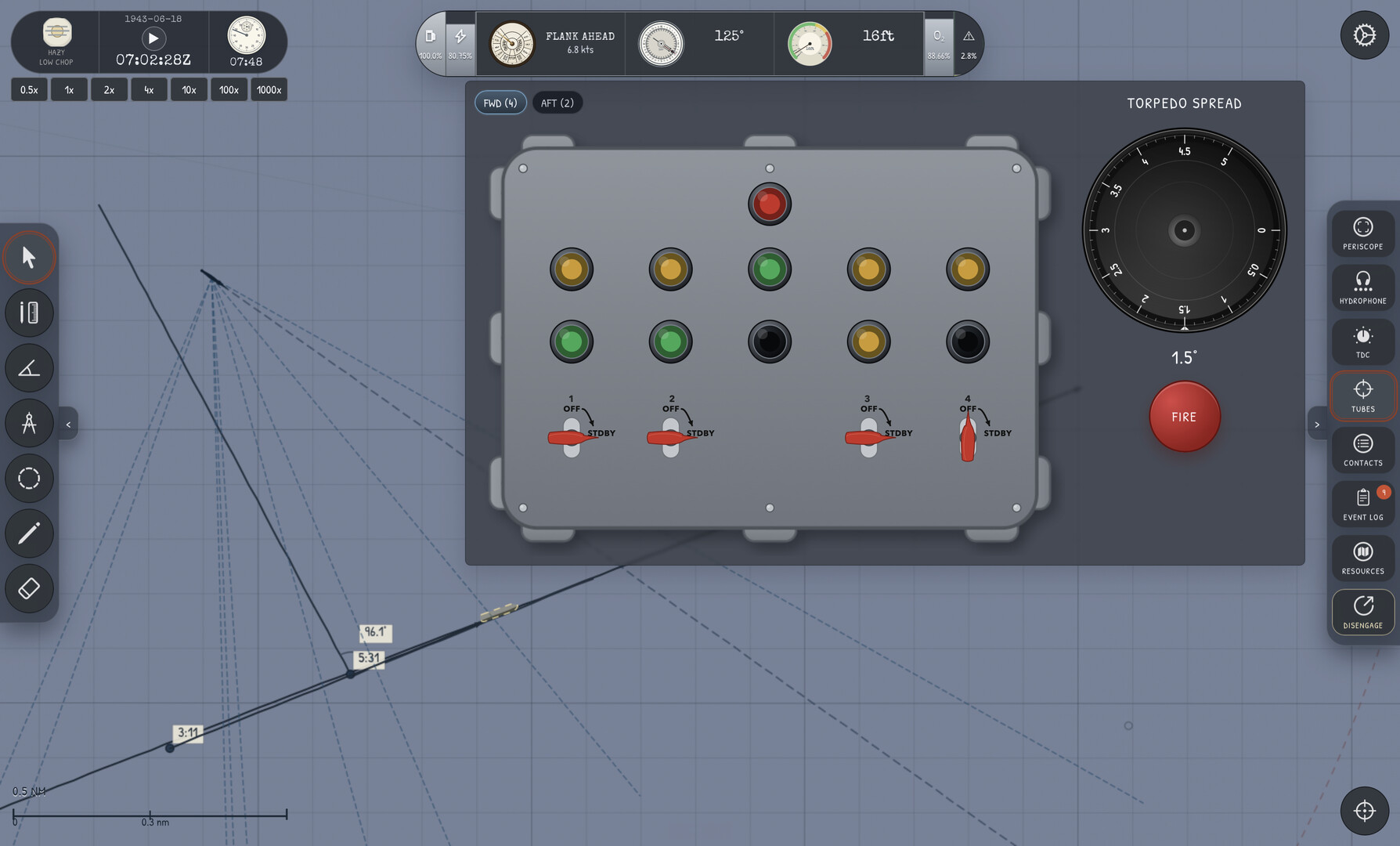
We're calling it the subtractive sim. Pick a genre that's spent decades bolting on systems (flight, rail, air traffic control, naval), find the one decision loop its obsessives can't shut up about, delete everything around it, prototype in the browser, ship at $17.99. Endless ATC and Rail Route prove a dashboard can be the whole game. 2,500 to 5,000 copies is $45,000 to $90,000 gross for one builder, against a $100 Steam fee. The article has five genres with the loop already exposed, the offensively small MVP spec, and the seven-month calendar.
Read the full playbook here:

Silent Shark hit 98% positive on Steam, built solo in six months with Codex. The edge was what its developer cut. Every bloated simulator genre hides a loop like it.
From the Vault:
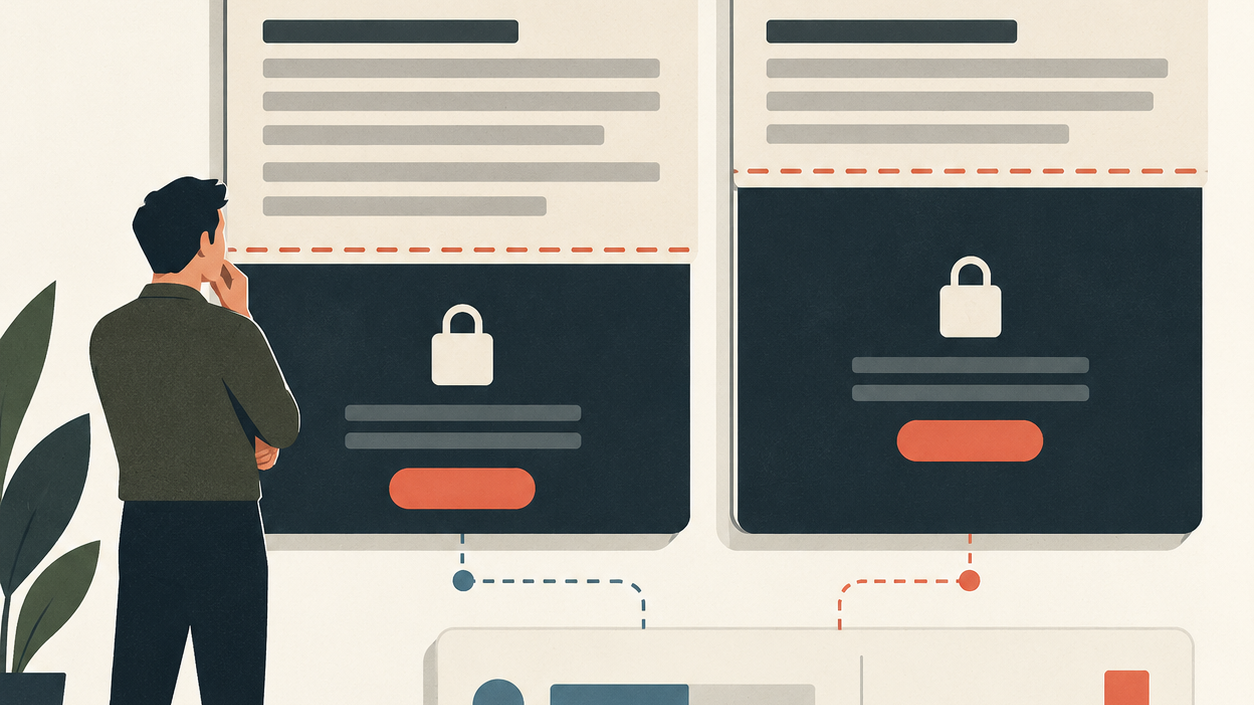
Ghost hands paid newsletters every paywall knob and no way to test which one makes money. Substack's 10% fee keeps sending publishers over, blind to what their paywall costs them.

Matcha beat pumpkin spice in Google's 2026 latte map, and Tatcha, Phlur, and Zara own the obvious shelf. The opening is a fragrance play that costs under $2,000 to test.


