


In 2005 Congress ordered the Mint to strike a dollar coin for every dead president, Washington first, all the way down the line. They started shipping in 2007.
By December 2011 nearly 1.4 billion of the damn things were sitting in Federal Reserve vaults, enough to cover demand for more than a decade. More than 40% of the dollar coins the Mint issued came straight back because nobody would spend them.
So the White House halted production and saved at least $50 million a year. The coins were legal tender the whole time, and nobody wanted them.
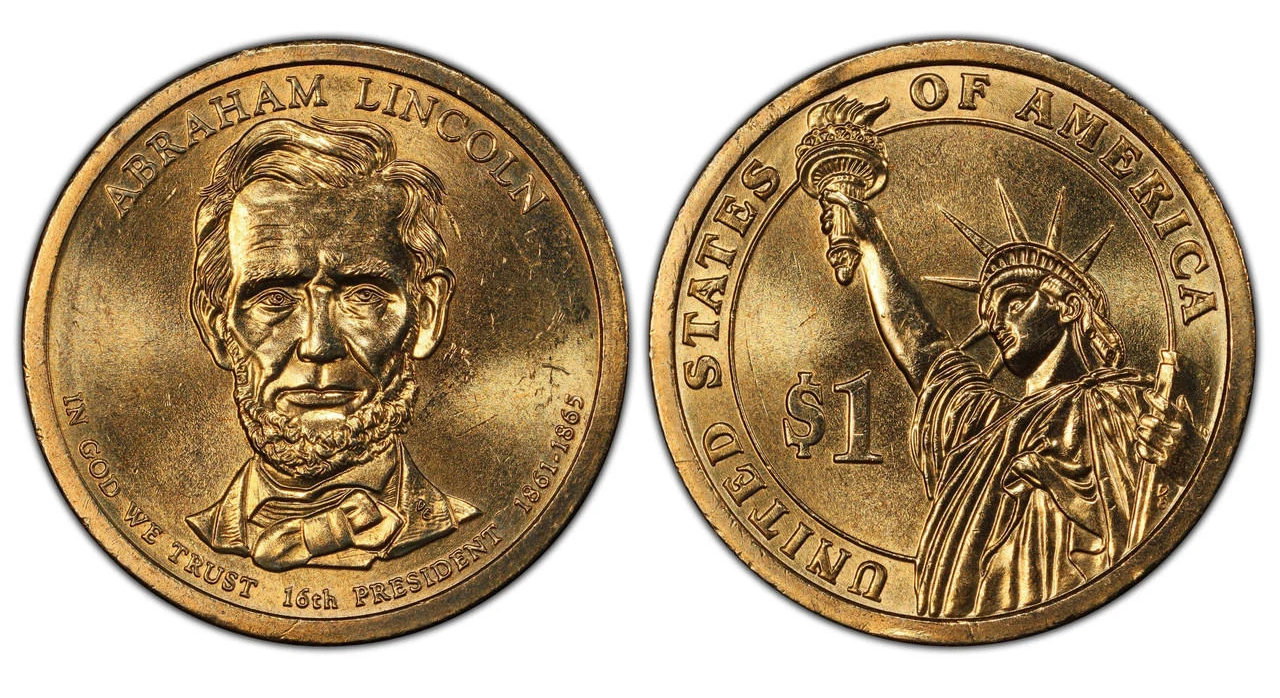
The law can decide what counts as money. It can't make a cashier reach for it or a customer hand it over.
On September 1, Texas made qualifying gold and silver legal tender. Acceptance is voluntary, there's no payment network, and nothing in the statute helps the nineteen-year-old at the register tell a gold bar from a tungsten slug in a gold jacket (densities differ by 0.05, and a handheld XRF gun only reads a few microns deep, so the jacket passes). Utah passed the same kind of law in 2011 and nothing circulated. What did circulate there came from Goldback, a private company that built a note a cashier can actually recognize, and 5,491 merchants now take it.
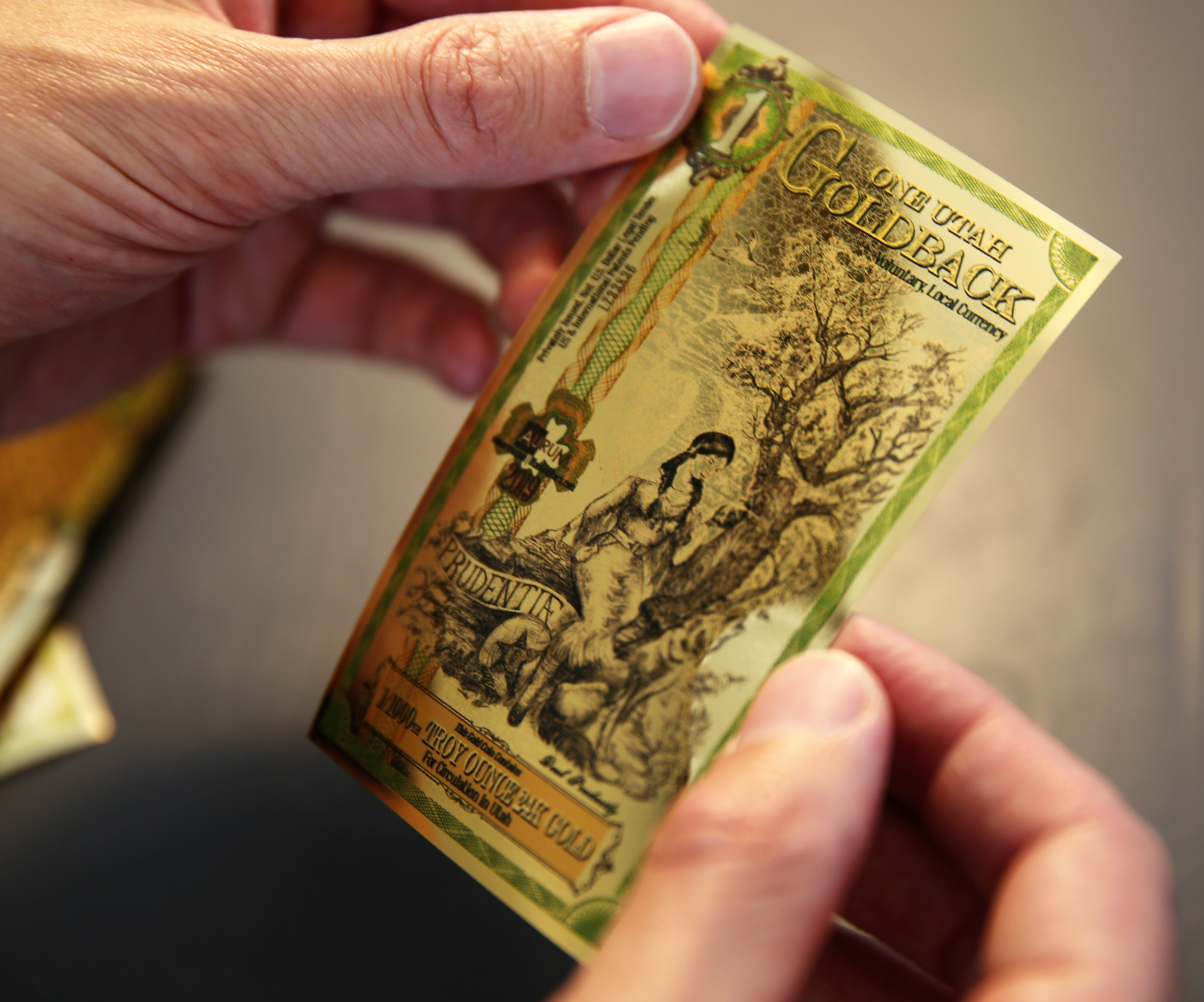
Somebody has to sell the cashier a procedure, and it might as well be you.
Today's idea is that procedure, sold to Texas retailers who want to be the place in town that takes gold: a wizard that writes their acceptance policy (sealed bars from these refiners, $250 minimum, $2,500 max, 3% spread, quotes good for five minutes, anything weird goes to the partner coin shop), a live quote with the spread showing, a receipt in dollars the bookkeeper can file, staff training, a window decal, and a spot on the map. You never touch metal, which keeps you clear of money-transmission rules. $299 to $999 to certify, $79 a month to keep it. 250 merchants is about $19,750 MRR, before Texas commerce goes anywhere near a gold standard.
Read the full playbook here:

Texas made qualifying gold and silver legal tender on September 1, but acceptance stays voluntary. Utah passed the same kind of law in 2011 and nothing circulated. The gap is operational.
From the Vault:

Contractors fund dispatch, quoting, and fleet tracking. Nobody funds documentation. Inside 803,000 U.S. construction firms with bilingual crews sits a vertical SaaS gap Trainual and ServiceTitan both ignore.

Mobbin and Refero already feed design screenshots to Cursor and Claude Code over MCP. The gap is rights-cleared, human-reviewed UI evidence filtered by what a client already approved.


