


In 1888 George Eastman put a camera in a box, loaded it with 100 shots, and sold it for $25. Slogan: "You press the button, we do the rest." When the roll ran out you mailed the whole camera to Rochester and got it back reloaded.
Before that, a photograph meant sitting still in a studio while a man ducked under a cloth. You knew it was happening. You'd dressed for it.
Now anybody could shoot you mid-sandwich. The guy lurking at the shoreline with a box got a name: the Kodak fiend. One beach resort put up a sign, PEOPLE ARE FORBIDDEN TO USE THEIR KODAKS ON THE BEACH. The Washington Monument banned the things for a while.
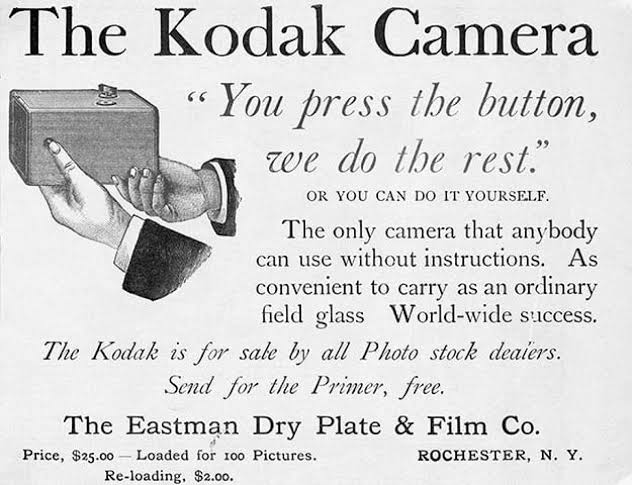
Two years in, a pair of Boston lawyers wrote a piece for the Harvard Law Review complaining that "instantaneous photographs" had "invaded the sacred precincts of private and domestic life." They titled it "The Right to Privacy." One of them was Louis Brandeis.
Nobody in America had a legal right to privacy until a camera got small enough to hide.
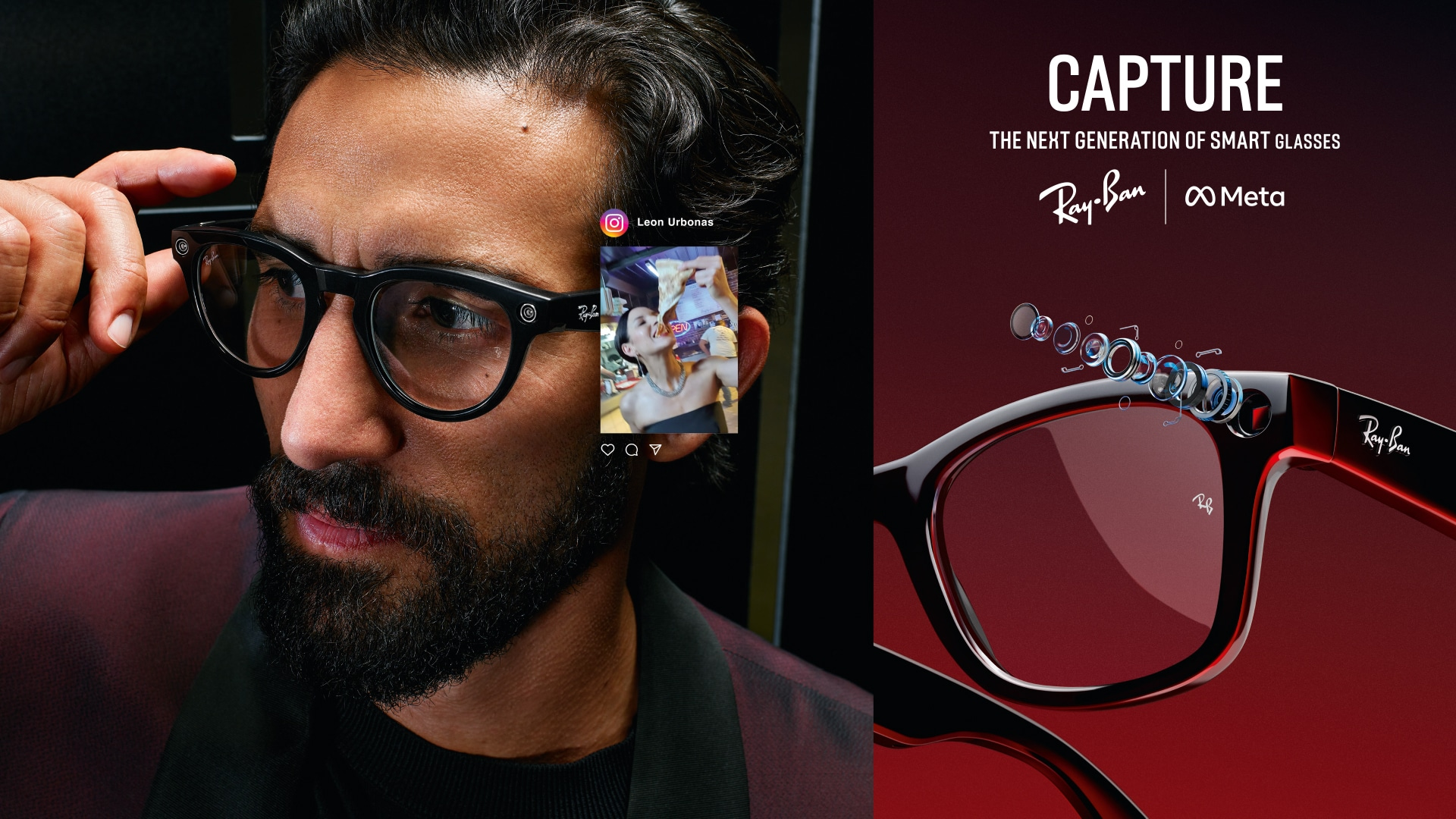
The camera just did it again. Ray-Ban Meta glasses look like glasses, and EssilorLuxottica moved more than 7 million pairs last year. Philadelphia's courts banned them in March, New York's in July. A techno club in Queens will throw you out for carrying a pair in your bag, and stays quiet on how it would know. California has a bill on the governor's desk. The sign on the beach is back up. Nobody can enforce it.
Today's idea sells the enforcement. Skip the word "detector," because Bluetooth can't keep that promise. Sell a $150 Android tablet on the front desk that quietly tells staff a supported pair is probably nearby, plus the sign, the script, and the policy the venue already wanted. Start with casting studios, comedy clubs, and members' clubs, where the rule already exists and staff can act on it. $129 a month per site, and 1,000 sites clears $1.2M ARR. Will venues actually pay for a sign with a brain? Yondr proved they'll pay for policy in a pouch; Los Angeles Unified spent $5.2 million on them in one school year.
Read the full playbook here:
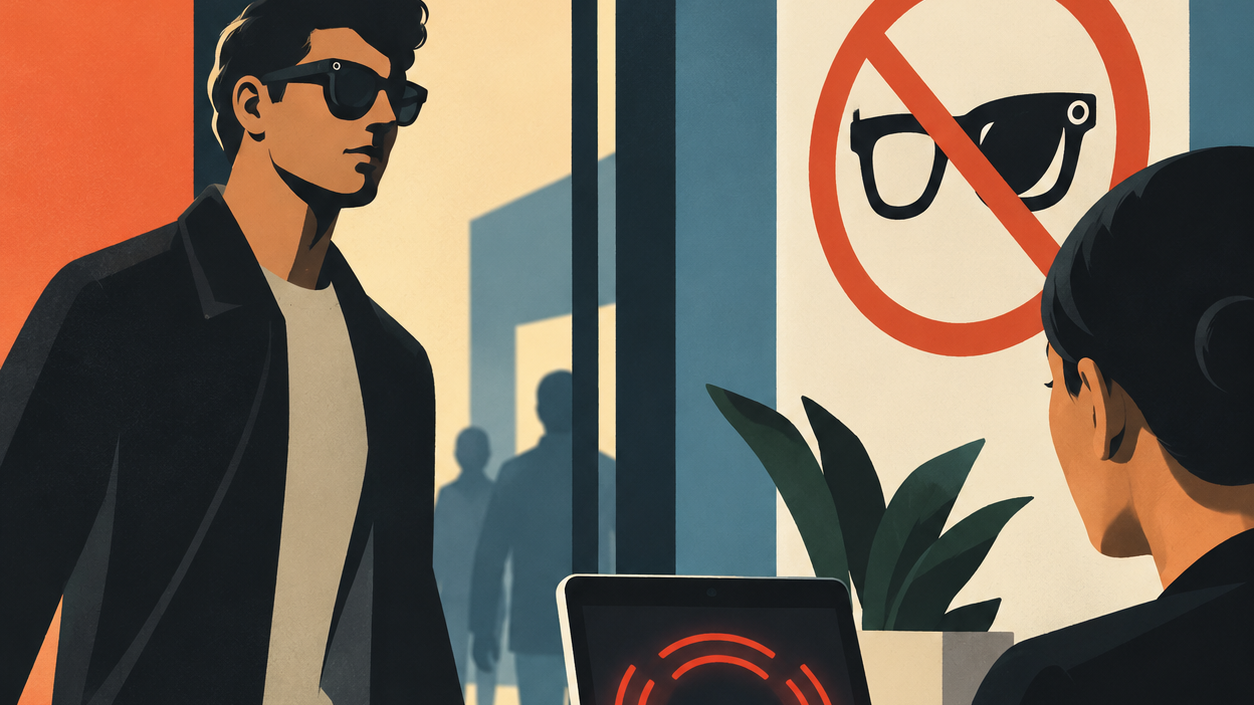
Meta sold 7 million camera glasses in 2025. Courts, nightclubs, and casinos are banning them with no way to check. That enforcement gap is a subscription business.
From the Vault:
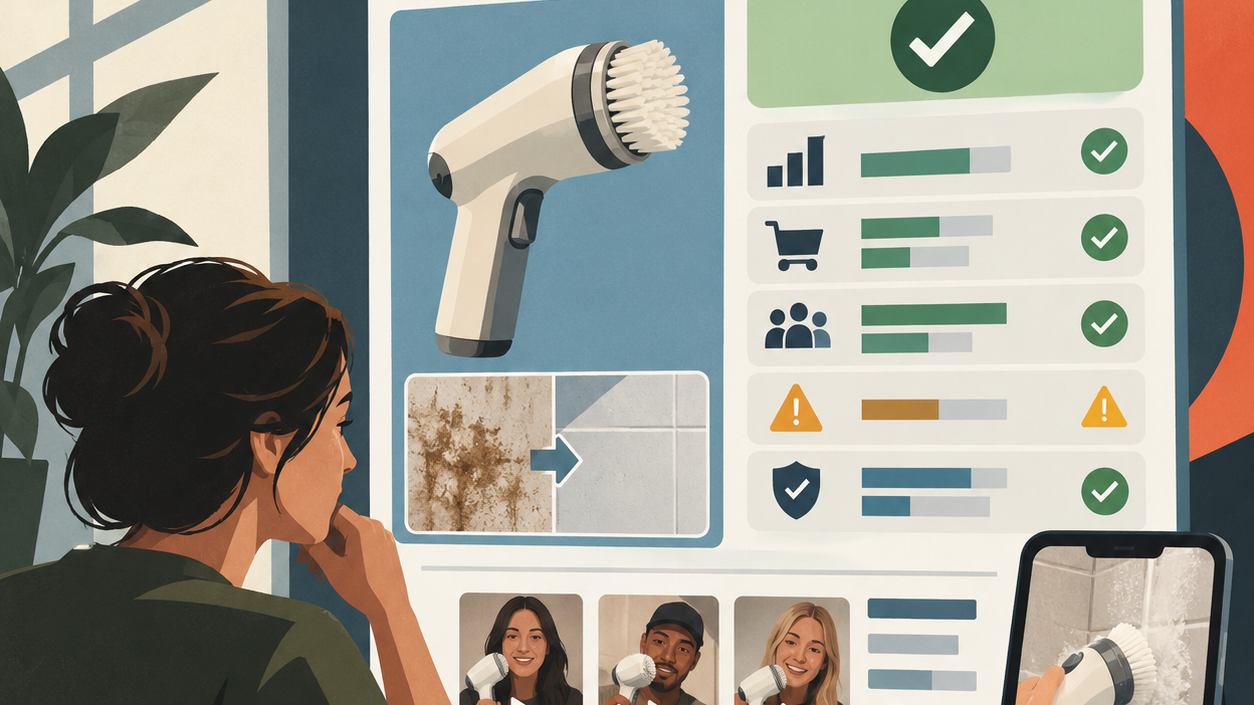
Kalodata and FastMoss show what's selling on TikTok Shop. Deciding whether to spend money launching a product still eats an afternoon. A Chrome side panel could own that decision.
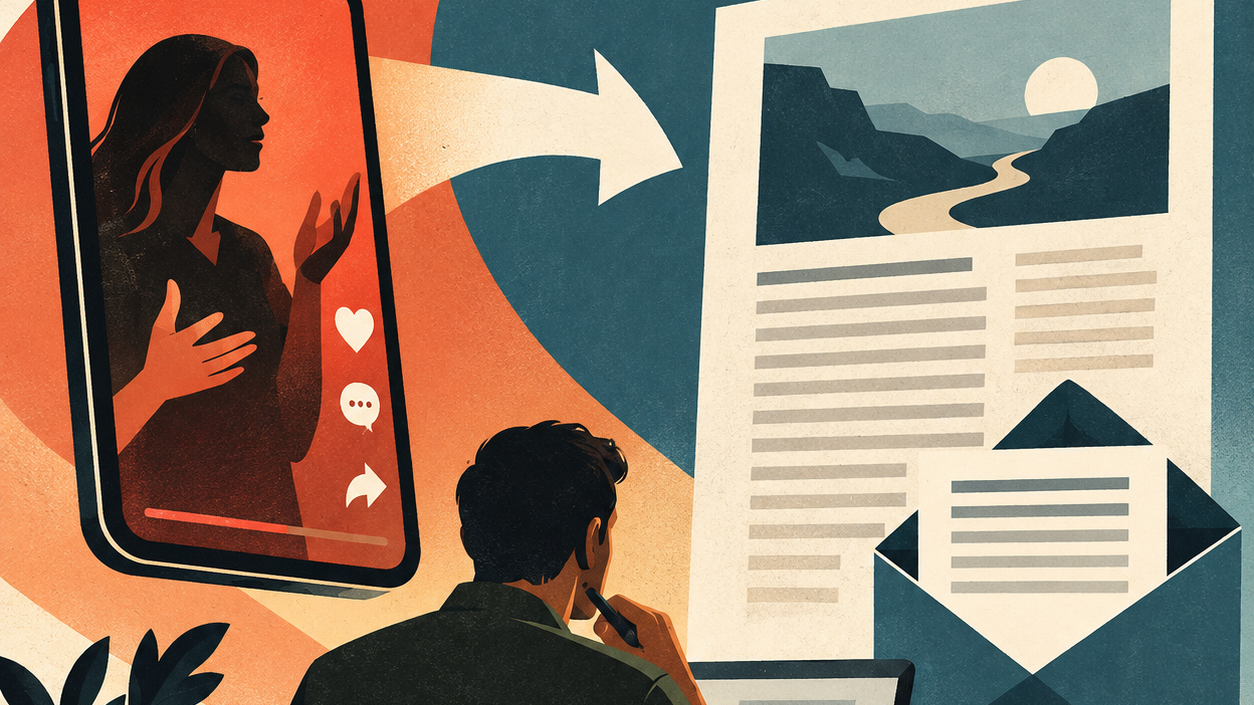
OpusClip and Descript made content repurposing a $15-a-month commodity. The creator-economy money sits in running that machine backwards: viral clips, comment signals, and owned email funnels sold at ghostwriting-agency rates.


