


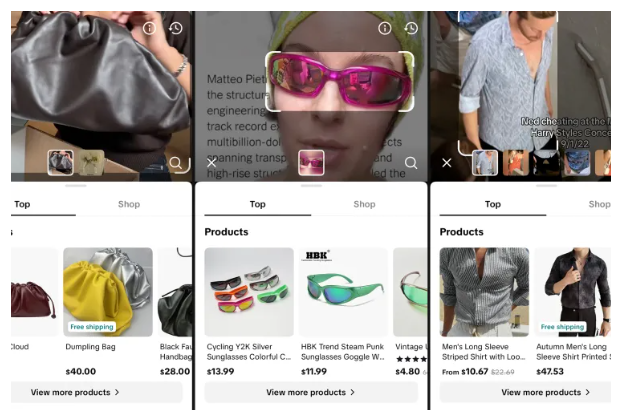
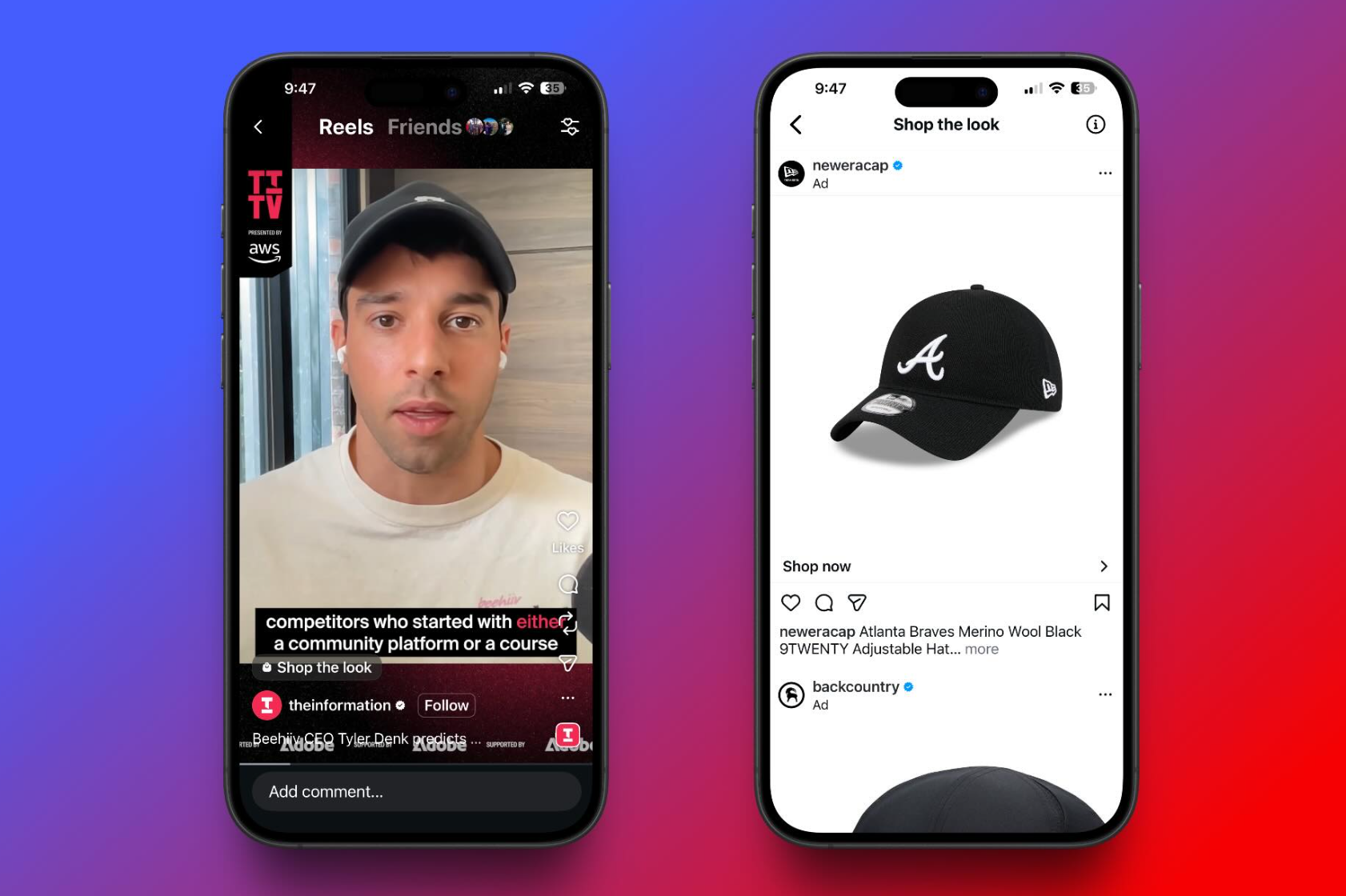
In mid-February 2026, fashion creator Julia Berolzheimer — over a million Instagram followers, carefully curated brand partnerships, real affiliate income — discovered something unsettling. A follower messaged her a screenshot. Berolzheimer's Reels now had a small button: "Shop the Look." She'd never heard of it. She'd never opted in. When followers tapped it, Instagram's AI recommended cheap knockoffs and random products she'd never endorsed, all attached to her image, under her name.

She wasn't alone. Across Instagram, Meta began testing an AI layer that identifies products in creator content, auto-generates shopping tags, and surfaces substitute items directly inside posts. Creators had zero visibility into when it activated. The feature didn't appear in their backend analytics. It was completely invisible until a follower pointed it out. TikTok has been running a parallel test called "Find Similar," layering shoppable product suggestions even onto posts from low-follower accounts — turning any user into an involuntary shopping channel, with reports of knockoffs and incorrect substitutes appearing alongside original content.
The old model of creator commerce assumed the platform was a pipe and the creator controlled the recommendation. "Shop the Look" changed the math. The shelf is still the creator's content. But the platform now chooses what gets stocked on it.
Creator-driven affiliate revenue is projected to hit $1.3 billion this year. The tooling market around it already commands serious valuations — ShopMy raised $70 million in late 2025 at a $1.5 billion valuation, facilitating over $1 billion in annual platform sales across 185,000+ curators. LTK moves roughly $6 billion in annual retail sales and just launched an AI shopping chatbot of its own. But every one of these platforms solves a downstream problem: they help creators earn once traffic reaches a controlled page. The upstream problem — detecting and proving when the platform hijacks the recommendation before traffic ever arrives — is completely unserved.
And the gap is about to widen. Zuckerberg has told the Wall Street Journal that Meta aims to fully automate ad creation by the end of 2026 — a business uploads a product image, sets a budget, and Meta's AI handles the rest. Advertising accounts for over 97% of Meta's revenue. The incentive to insert commerce into every interaction isn't an experiment. It's the business model. TikTok Shop is projected to hit $77 billion in live commerce sales by 2027. The global affiliate marketing industry overall sits around $18.5 billion and is on track to surpass $20 billion by next year. Platform-side commerce insertion is the future of social media monetization, and the governance layer between platform AI and creator economics doesn't exist yet.
The Opportunity: A Campaign Integrity Layer for Creator Commerce
The narrow version of this business is a detection and reporting tool. The bigger version is a cross-platform monitoring and compliance layer for AI-powered commerce — governance infrastructure for a market that just got automated without anyone's permission.
Here's the stack:
Unlock the Vault.
Join founders who spot opportunities ahead of the crowd. Actionable insights. Zero fluff.
“Intelligent, bold, minus the pretense.”
“Like discovering the cheat codes of the startup world.”
“SH is off-Broadway for founders — weird, sharp, and ahead of the curve.”


