


For years, UI was a scarce input. A decent landing page cost $2,000 and two weeks. A booking funnel for a med spa? Budget $5K–$10K and a month of agency back-and-forth.
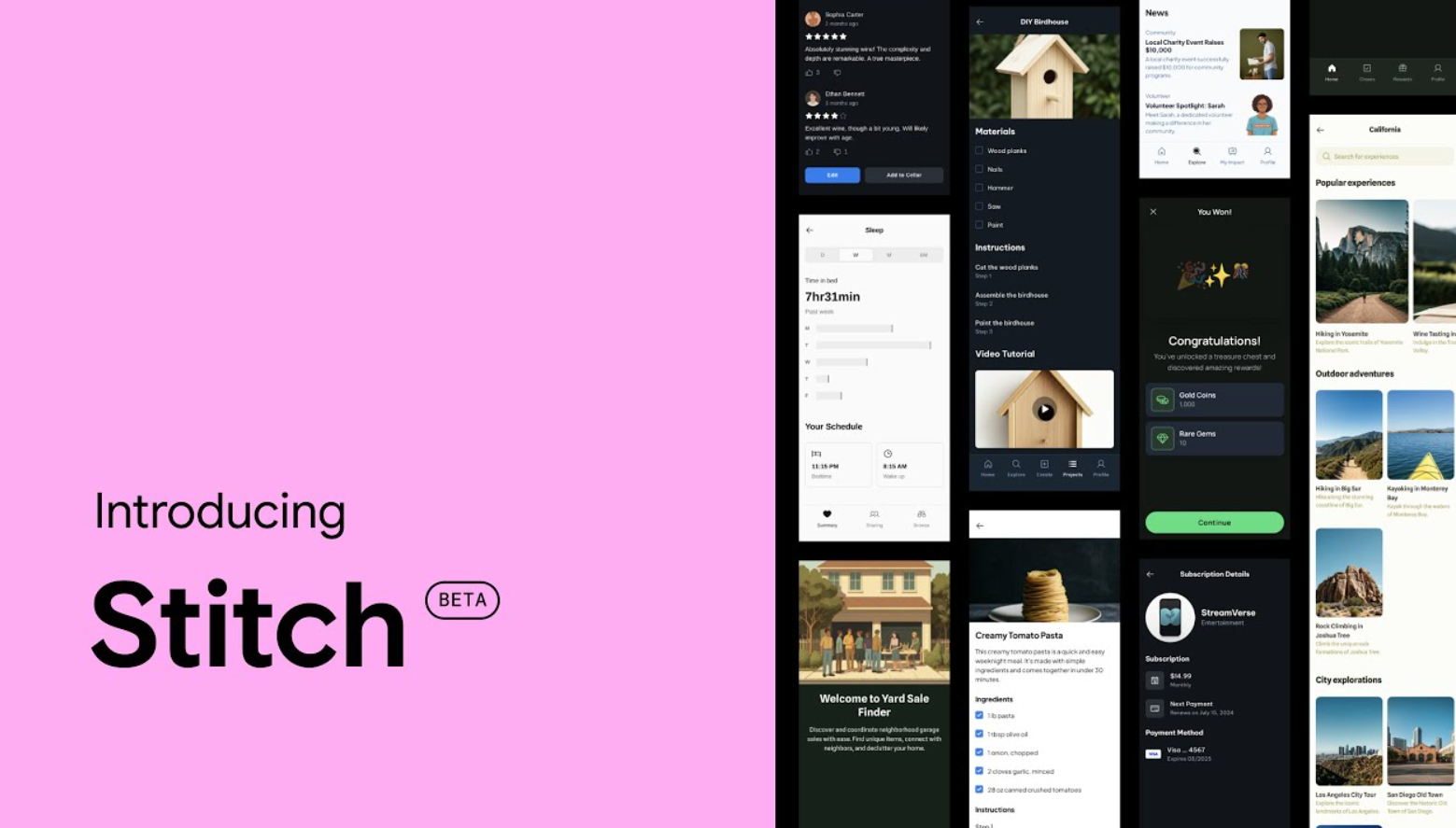
Google Stitch collapsed that cost to zero. Launched at Google I/O 2025 and built on Gemini 2.5 Pro, Stitch turns plain-English prompts or rough sketches into multi-screen UI and exportable front-end code in minutes — Figma integration, clean HTML/CSS export, free through Google Labs. A December 2025 update added interactive prototyping, pushing it closer to a full design-to-code pipeline. Lovable, Bolt, v0 by Vercel, Replit, and dozens of vibe coding tools are all flooding the same "prompt to pretty screens" layer.
If you're building another AI website builder, you're already late.
The asymmetric play is everything downstream of the screen: deployment, conversion tracking, payments integration, follow-up sequences, and the niche-specific intake logic that turns a visitor into a booked appointment with a deposit collected.
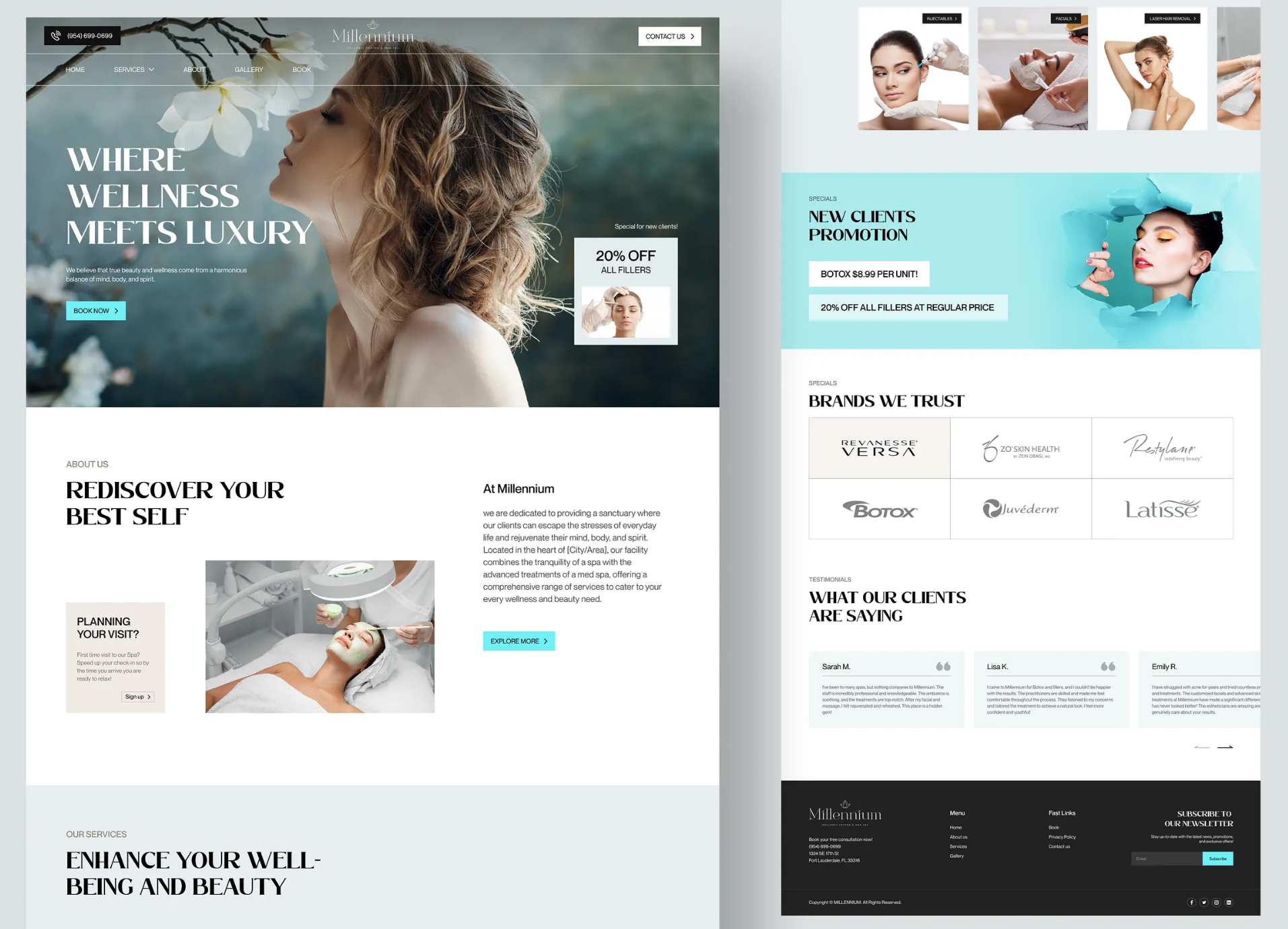
Med spas, orthodontists, immigration paralegals, niche gyms — these operators don't buy screens. They buy appointments, deposits, and retention. The U.S. med spa market alone sits north of $8 billion and is growing at mid-teens CAGR, with 10,000+ locations, the vast majority single-location independents averaging about eight employees. Most run a generic Wix or Squarespace site with a contact form piping into Gmail. No deposit collection. No structured intake. No automated reminders. The same pattern repeats across orthodontics, elective clinics, home services, and legal intake.
The gap between generated UI and working revenue system is wide and growing wider. Nobody owns the conversion layer for specific verticals yet.
The Opportunity: Vertical Conversion OS
Build a system that takes niche service operators from "I need more leads" to a working, tracked, A/B-testable funnel in 48 hours, then turn each deployment into reusable, benchmarked IP. Stripe Atlas for vertical funnels: opinionated defaults, deployable infrastructure, benchmarks.

AI tools for small business automation have commoditized the design layer. You monetize what sits beneath it: vertical expertise, conversion logic, payment flows, analytics, and the performance data that compounds across deployments.
Agencies are getting squeezed from both sides. Clients expect faster delivery, margins are shrinking, and micro-agencies need a white-label pipeline that lets them ship fixed-scope offers profitably — or keep losing deals to $0 AI tools. That squeeze is your distribution opportunity.
The Market: Three Buyers With Real Budgets
SMB operators in high-LTV, high-friction niches. Med spas, orthodontists, immigration paralegals, elective surgery clinics, niche gyms. High value per customer ($1,000–$10,000+ LTV), appointment-driven revenue, and surprisingly primitive digital funnels. They don't want tools — they want done-for-you: landing page plus intake plus booking, deposit and subscription collection, reminders and no-show reduction, follow-ups and reviews. Packaged. Deployed. Tracked.
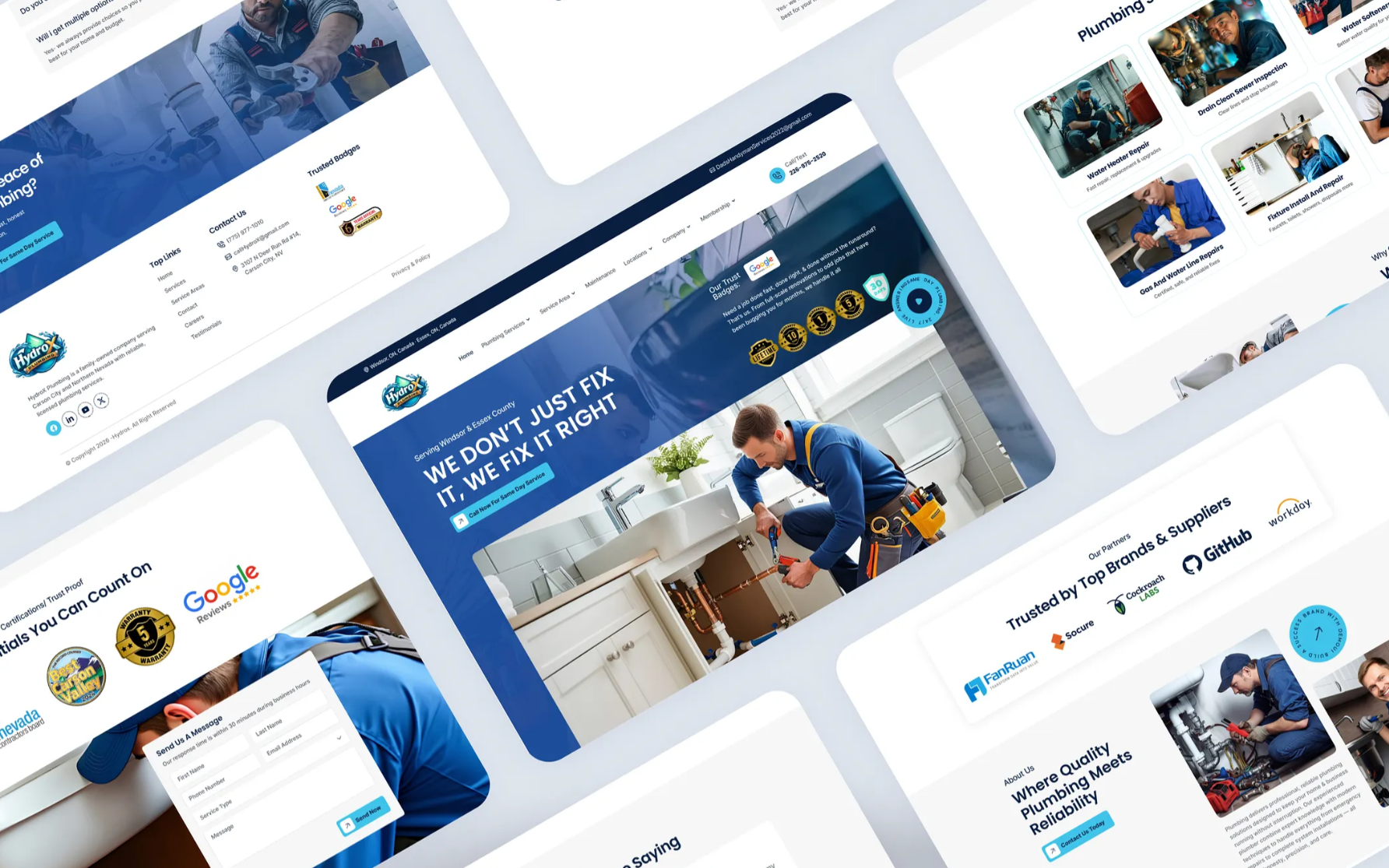
Micro-agencies and niche studios. Small agencies (2–10 people) serving local businesses. Your stealth distribution engine. They're caught between clients who want faster, cheaper work and bespoke builds that destroy margins. Give them a white-label deployment pipeline. They resell your conversion stacks. You get distribution without a sales team.
Indie hackers building vertical SaaS. Developers launching vertical products will buy starter kits with proven funnel flows, pre-wired Stripe integration, onboarding email sequences, and analytics events — especially when those kits come with conversion benchmarks from real deployments.
What You Actually Build (and What You Don't)
Unlock the Vault.
Join founders who spot opportunities ahead of the crowd. Actionable insights. Zero fluff.
“Intelligent, bold, minus the pretense.”
“Like discovering the cheat codes of the startup world.”
“SH is off-Broadway for founders — weird, sharp, and ahead of the curve.”


