


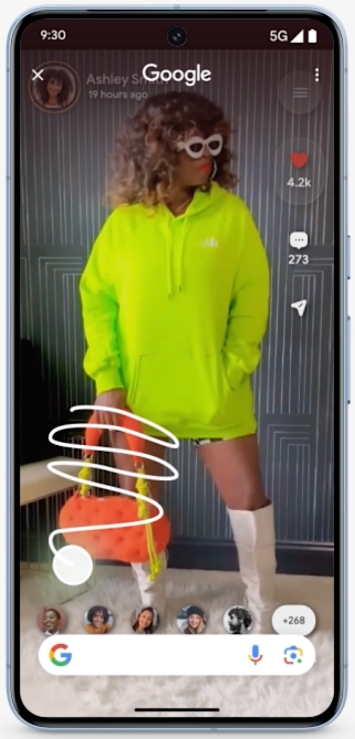
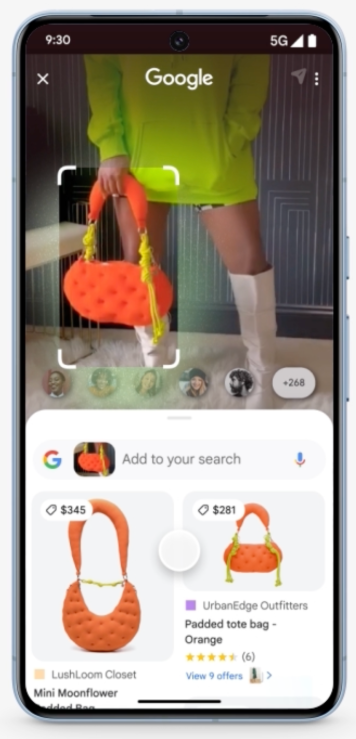
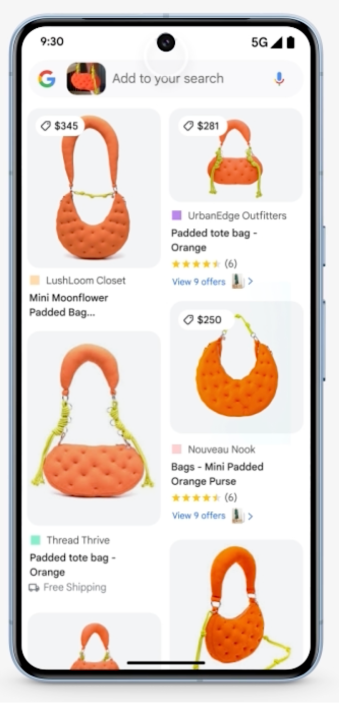
Google just made a quiet behavior shift explicit. With the latest Circle to Search updates on Galaxy S26 and Pixel 10, users can now identify every component of an outfit — accessories, clothing, shoes — in a single gesture and jump straight into virtual try-on. Shopping-related searches are already among the top uses of Circle to Search.
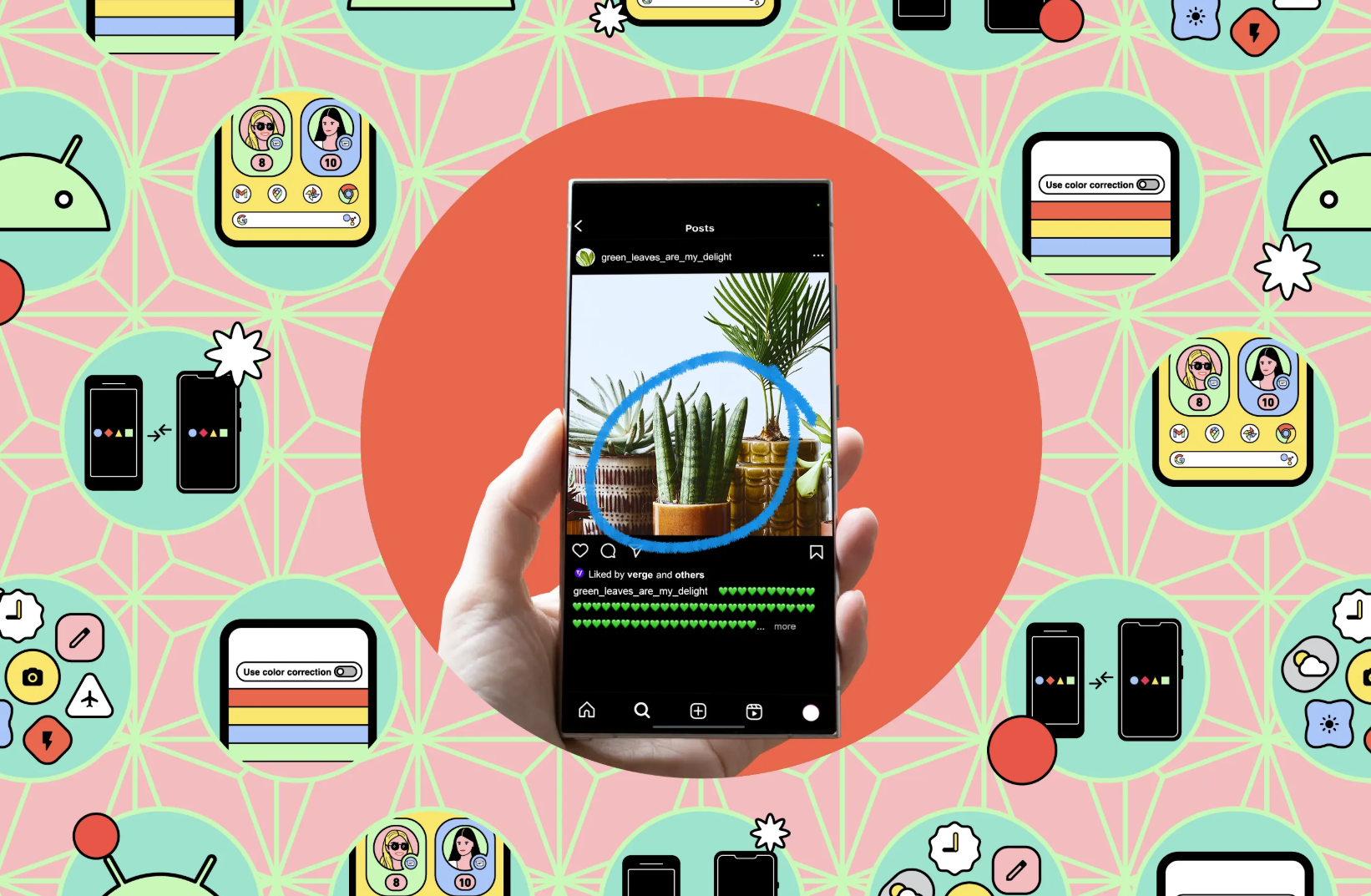
"I saw this in a video" is becoming a native commerce workflow baked into the operating system. The platforms have validated the behavior. They haven't solved the full problem. And that gap is where a startup idea in visual commerce gets very interesting very fast.
This is a solo-buildable or two-person AI startup idea with a clear path to first revenue inside 30 days.
A simple "upload screenshot, get affiliate links" app is a feature. Google, Pinterest, Amazon, TikTok, LTK, ShopMy, and a dozen AI shopping startups all touch some version of product matching. The real opening is the layer above: a system that converts messy visual intent into bundled, constrained, personalized purchase decisions.
Why This Matters Right Now
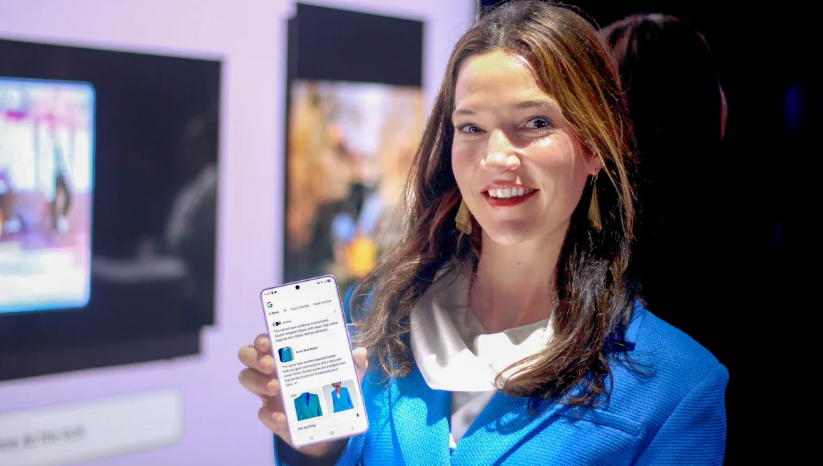
Platforms are training consumers to shop from ambient media. Google Lens handles over 20 billion visual searches per month. One in five carries commercial intent — roughly 4 billion searches tied directly to shopping. Samsung's Galaxy S26 uses multimodal AI to understand the relationship between items in an outfit, recognizing that a blazer, trousers, and loafers photographed together constitute a coordinated look rather than three separate objects. It suggests where to buy each piece, offers alternatives at different price points, and recommends complementary items. The March 2026 Pixel Drop added multi-object recognition with in-result virtual try-on. Read that as a platform roadmap.
Social commerce has crossed from experiment to infrastructure. U.S. social commerce hit about $87 billion in 2025, up 21.5% year over year, and will surpass $100 billion in 2026. TikTok Shop alone is approaching 20% share. Over half of U.S. social buyers now shop on TikTok. Nearly 27% of social media users visit platforms specifically to find products to buy. Discovery-led purchasing has its own budget, habits, and infrastructure now.
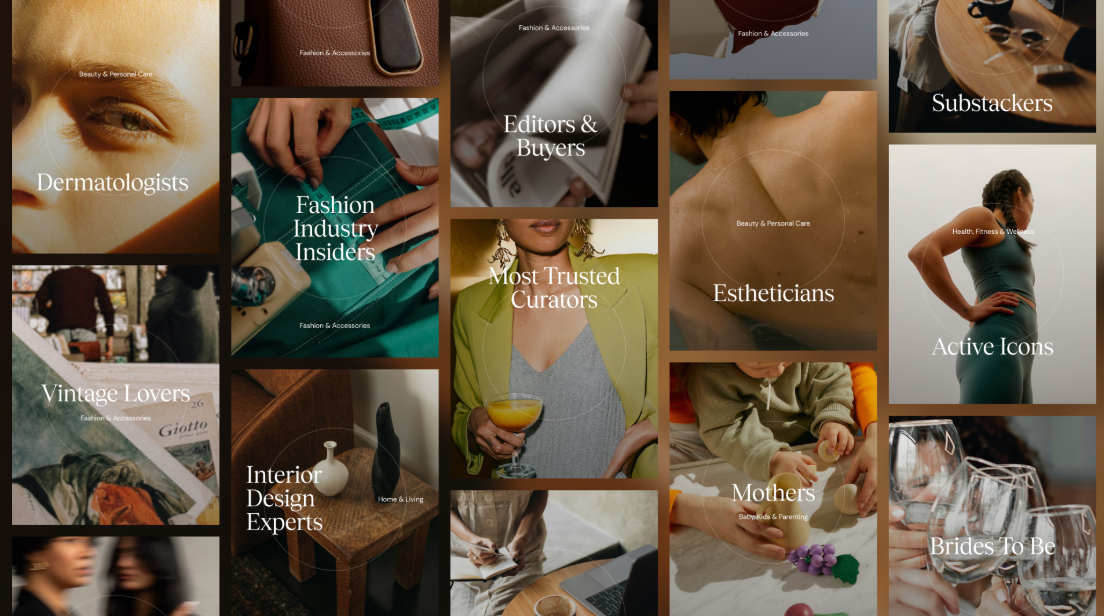
The incumbents left a structural gap. Pinterest is excellent for inspiration. LTK drives over $5 billion in annual retail sales through its creator network. ShopMy hit an estimated $80 million in revenue in 2025 (up 196% year over year), raised at a $1.5 billion valuation, and now serves 200,000 creators facilitating over $1 billion in annual GMV. Powerful platforms — but siloed. None owns the cross-platform "chaos to cart" workflow: screenshots from TikTok, Reels, Pinterest, texts, and browser tabs, normalized into one persistent taste profile that produces whole bundles instead of individual product links.
Here's the structural problem. The existing creator platforms are organized around individual products and individual links. When a creator posts an outfit, the infrastructure generates separate affiliate URLs for each item. If the blazer sells out, the link dies. If the user needs a different size, the link is useless. If they like the look but need it at a different price tier, they start over. ShopMy's "Circles" feature moves in the right direction. LTK launched an AI chatbot to bridge inspiration and checkout. Neither has cracked the bundle layer: the ability to take a complete visual scene and produce a shoppable, constraint-aware, inventory-responsive package.
That's the wedge.
The Insight
Most people will frame this as a visual search tool or an AI shopping assistant. That framing is too shallow.
The actual product here is purchase compression for aesthetic decisions.
Users aren't trying to identify a lamp. They're trying to recreate a room. They aren't trying to identify a blazer. They're trying to become the kind of person that outfit implies. Commerce products still treat the unit of value as the SKU. In fashion, home, and beauty, the true unit of value is the composition: the look, the room, the routine, the vibe.
SKU search gets commoditized. Composition engines compound.
Consider the workflow:
Unlock the Vault.
Join founders who spot opportunities ahead of the crowd. Actionable insights. Zero fluff.
“Intelligent, bold, minus the pretense.”
“Like discovering the cheat codes of the startup world.”
“SH is off-Broadway for founders — weird, sharp, and ahead of the curve.”


