


Five thirty in the morning at Toyosu, a bell rings and the bluefin auction starts. The serious buyers have been on the floor since four thirty, and they've spent that hour doing one thing.
Every tuna laid out on the concrete has had its tail cut off and set on top of the body. That cross-section is all anyone gets. Buyers crouch down, pick up the tail, rub the flesh between two fingers, put a flashlight on it. Color, grain, how the fat sits in the muscle. Then they move on to the next fish.
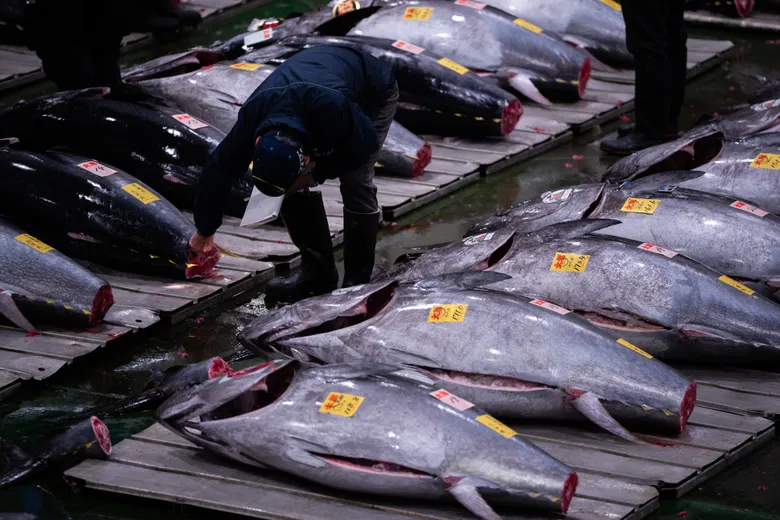
The rest of the animal stays sealed until after it's sold. So a buyer commits real money to a fish the size of a motorcycle on the evidence of one slice, then walks over and does it again.
That market figured out which slice carries the information and built the whole damn ritual around it. Everything else on the fish is stuff you'd be paying for in time you don't have.
Thrift resellers run the same gauntlet with worse tools. Two hours in the store, four thousand items, maybe six of them clear $50 in profit. Identification got solved years ago; Google will happily name the jacket. Nobody solved the sixty to ninety seconds between seeing it and knowing whether to buy it — times 150 items, in a store picked clean by noon.
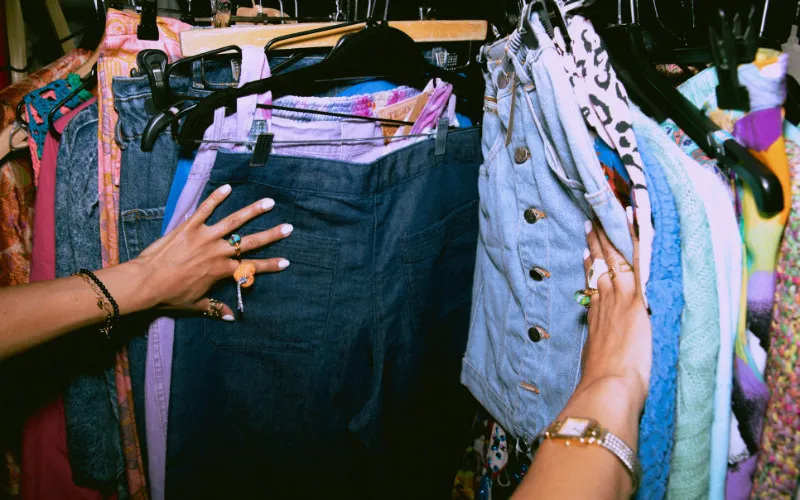
So the AI scanner apps automated the listing instead, which happens once the item is already sitting in your car. eBay's own sourcing research is free, three years deep, and built for someone at a desk. Great, if the aisle came to you.
Today's idea goes after the tail cut. A batch tag-scanning copilot: photograph eight tags in thirty seconds, keep walking, get back a queue with likely matches, comp ranges, confidence, fees, and your own margin rules already applied. 2,000 subscribers at $15 a month is $30,000 MRR, in a market where working resellers already pay $44 to $69 for software that changes exactly one decision.
Read the full playbook here:
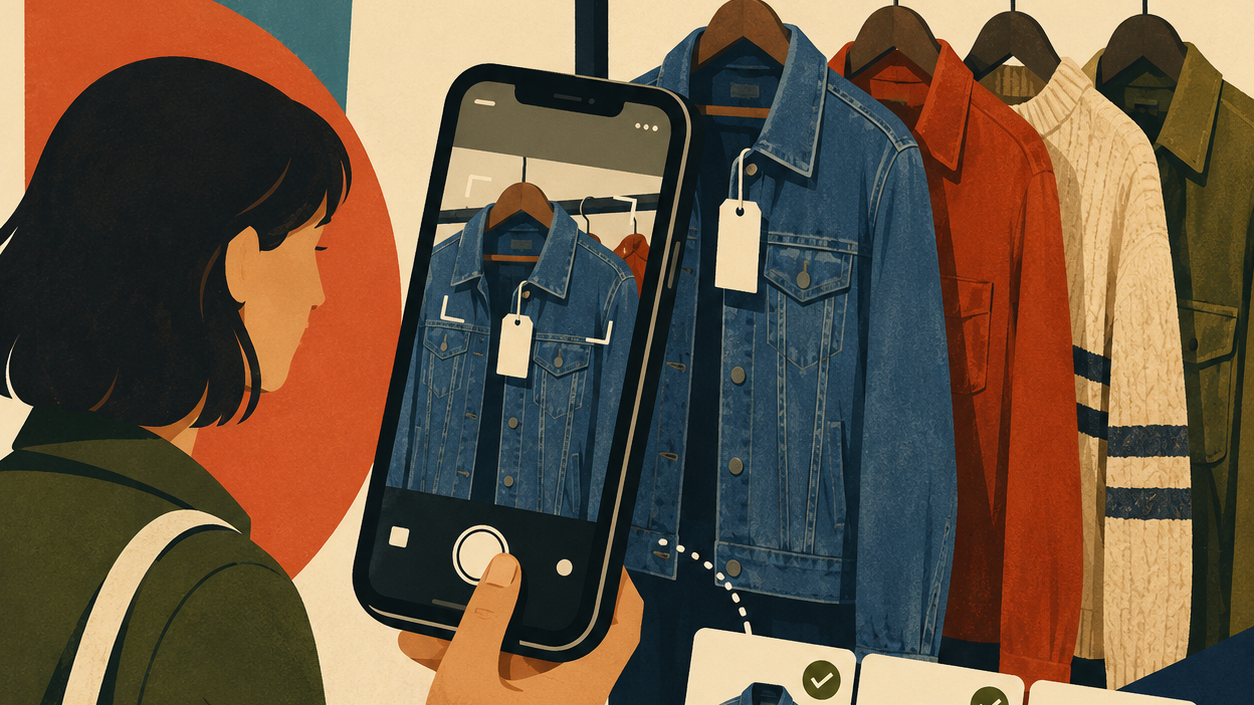
Thrift resellers lose two hours a trip building eBay searches in the aisle. Every scanner app automated the listing instead. The sourcing decision is still unclaimed.
From the Vault:
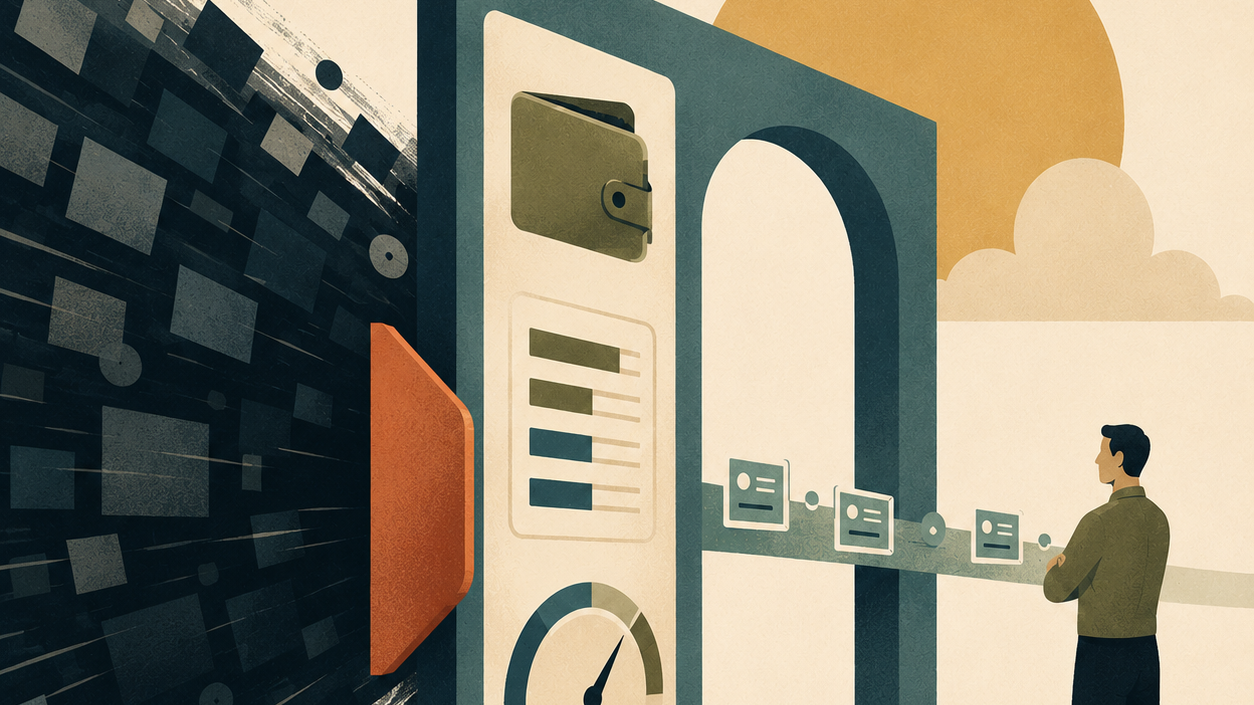
Flat-rate AI products pay variable inference bills with no ceiling. OpenAI softened its own spend cap, Portkey gates budgets to Enterprise, and LiteLLM's enforcement has open bugs.
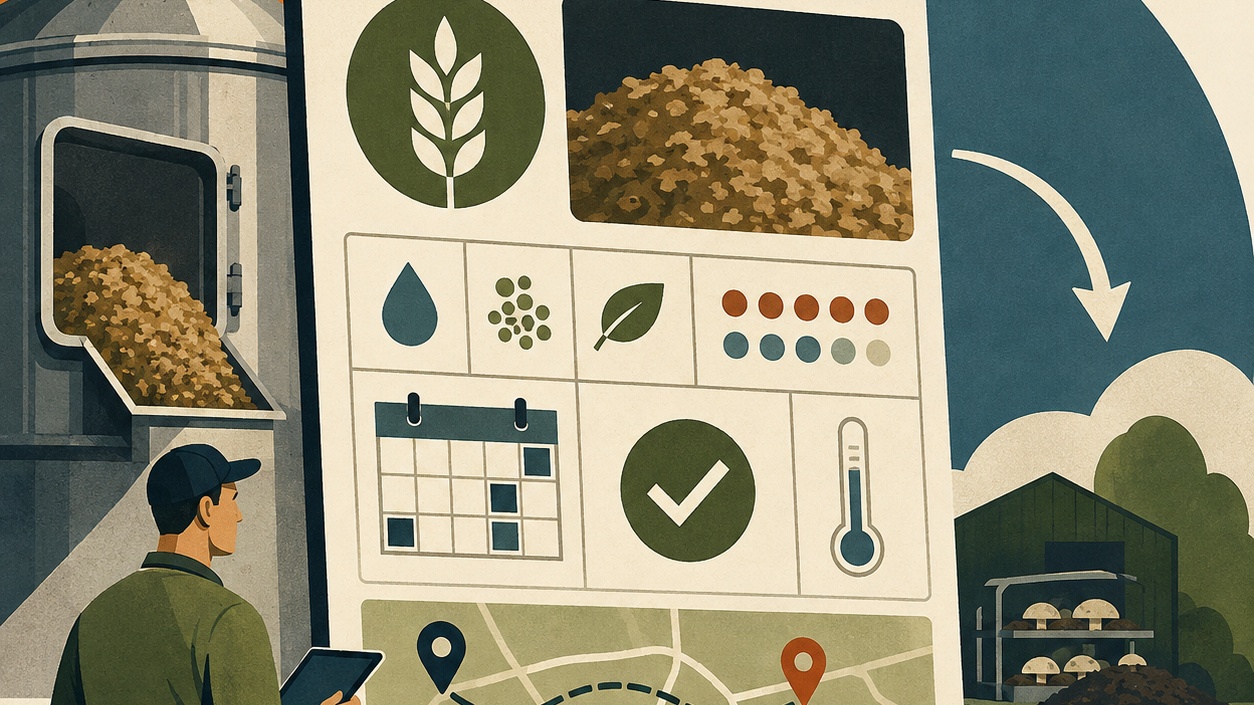
Pennsylvania's Brews to Barns Act pays brewers 16 cents a dry pound for spent grain donations. Almost none of them keep the records the credit requires.


