


Steve Rubell spent his nights on the sidewalk outside 254 West 54th Street, pointing at strangers. "Yes, no, you can stay, you can go, maybe so." He'd turn a guy away for a five o'clock shadow. Or the wrong hat.
There were always more people on that sidewalk than Rubell was ever going to let in. He could have opened the doors and counted the money. He kept them shut, because the crowd was the product, and you don't get a crowd by taking everyone.
Rubell called a perfect party a tossed salad — the mix matters more than any single vegetable. His doorman Marc Benecke worked the rope like he was casting a play, hunting for the right blend every night. Boys with boys, girls with girls, capitalists and Marxists, Chinese and everything else, all one big mix.
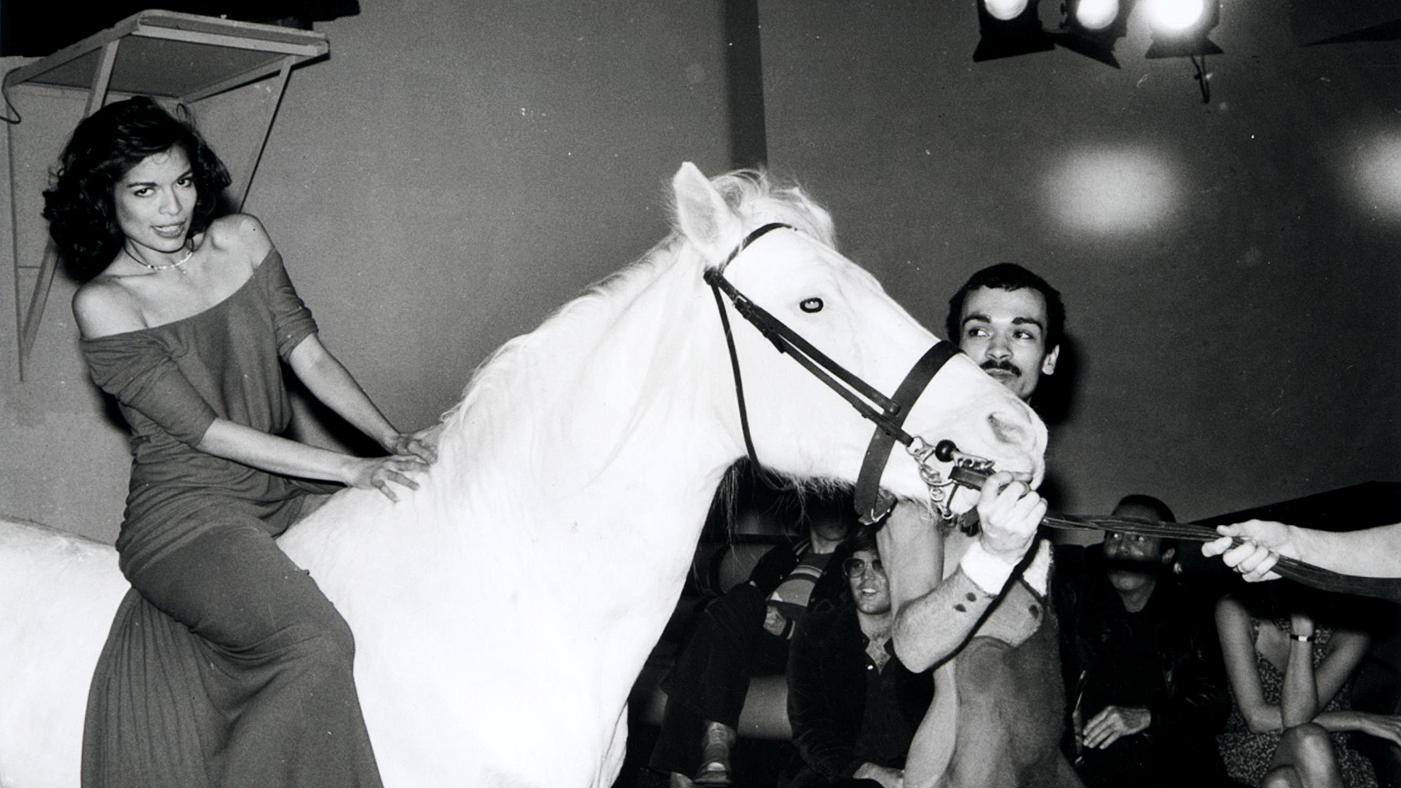
The rule underneath it was simpler, and a little brutal. Fill the room with guests more interesting than you.
Studio 54 ran under three years before the tax evasion conviction shut the whole thing down. People are still talking about it.
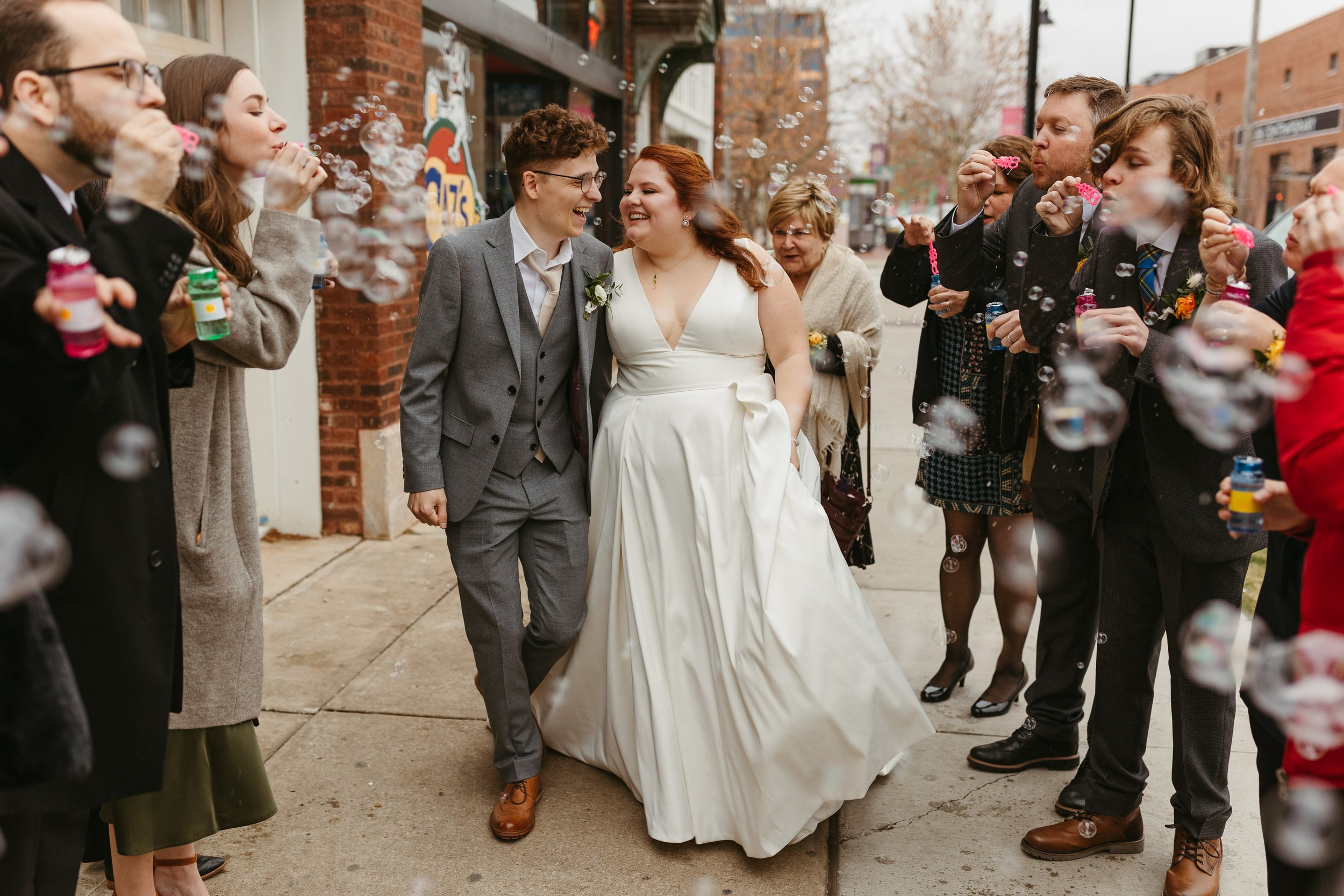
Every couple planning a wedding is running a door. Most of them run it badly. The average American wedding invites 117 people and costs $34,200, spread thin across a room full of coworkers and cousins you last saw at a funeral.
A few have started running it like Rubell instead. Cut the list to the fifty people you actually love and spend the entire budget on them. The banquet becomes a chef-led tasting menu. The DJ becomes vinyl and a live portrait artist working the room. Same money. Nobody's bored.
Nobody has packaged this yet. The market splits at the extremes: $2,500 elopement kits at the bottom, a Napa planner selling a flat $50K curated wedding for 20 to 50 guests at the top. The middle is empty.
So build the studio that owns it. One metro, one fixed format. Fifty guests, one creative concept, one controlled vendor stack, budgets starting above $50,000. Ten events a year at $62K each is $620,000 in volume and about $140,000 in studio contribution for two people.
Read the full playbook here:
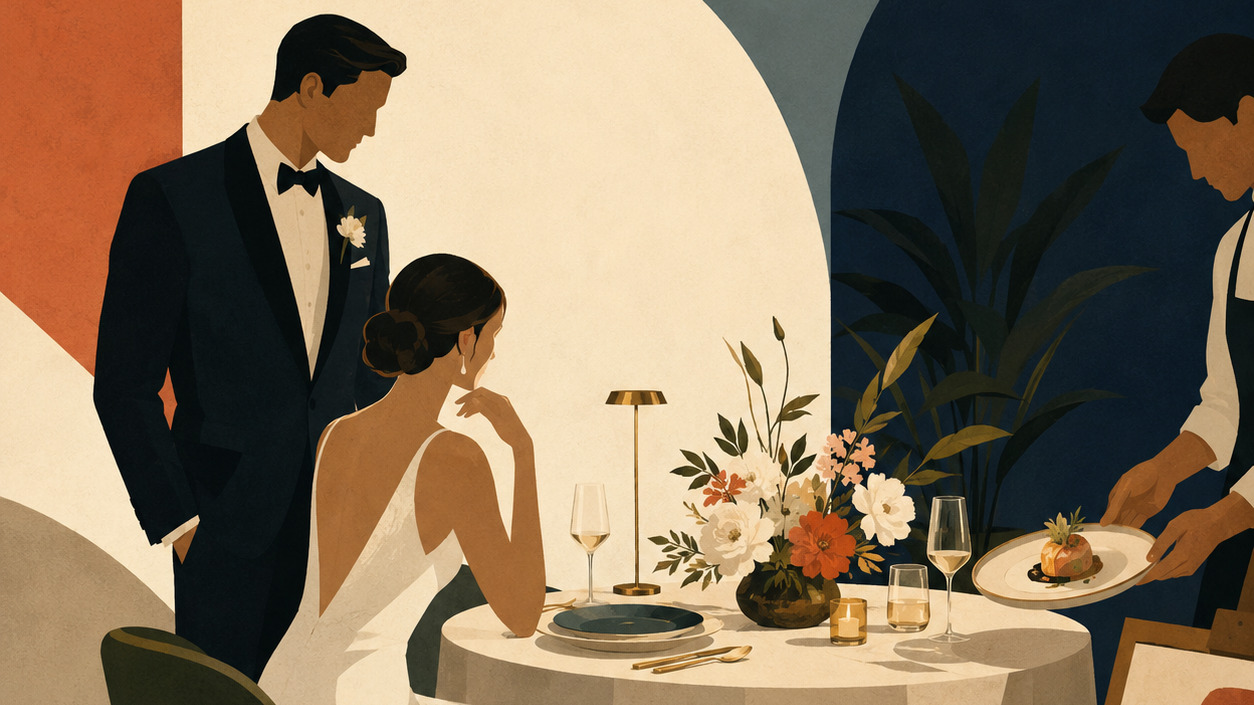
Couples are ditching 150-guest banquets for 50-seat dinners with budgets above $50,000. A production studio can own that gap in any luxury metro.
From the Vault:

Purrgola, VistaGato, and GDLF already sell window catios to renters, but none have solved the install problem. A safety-first, no-drill design could own the category.

With de minimis gone and Etsy requiring Delivered Duty Paid shipping, non-U.S. micro-sellers face a daily tariff-pricing problem, and a real opening for a margin SaaS.


