


Two economists got hold of something gyms don't usually hand out: the swipe logs. Three U.S. health clubs, 7,752 members, three years of who actually walked through the turnstile.
Members on the $70-plus monthly plan showed up 4.3 times a month. That's more than $17 a visit. A ten-visit pass at $10 a visit was sitting right there, and the monthly crowd walked past it. The average person left $600 on the table.
Then the part that stings. Monthly members took 2.31 months to cancel after their last visit. Two months and change paying for a place they'd already quit, $187 apiece, and a fifth of them dragged it out four months or longer.
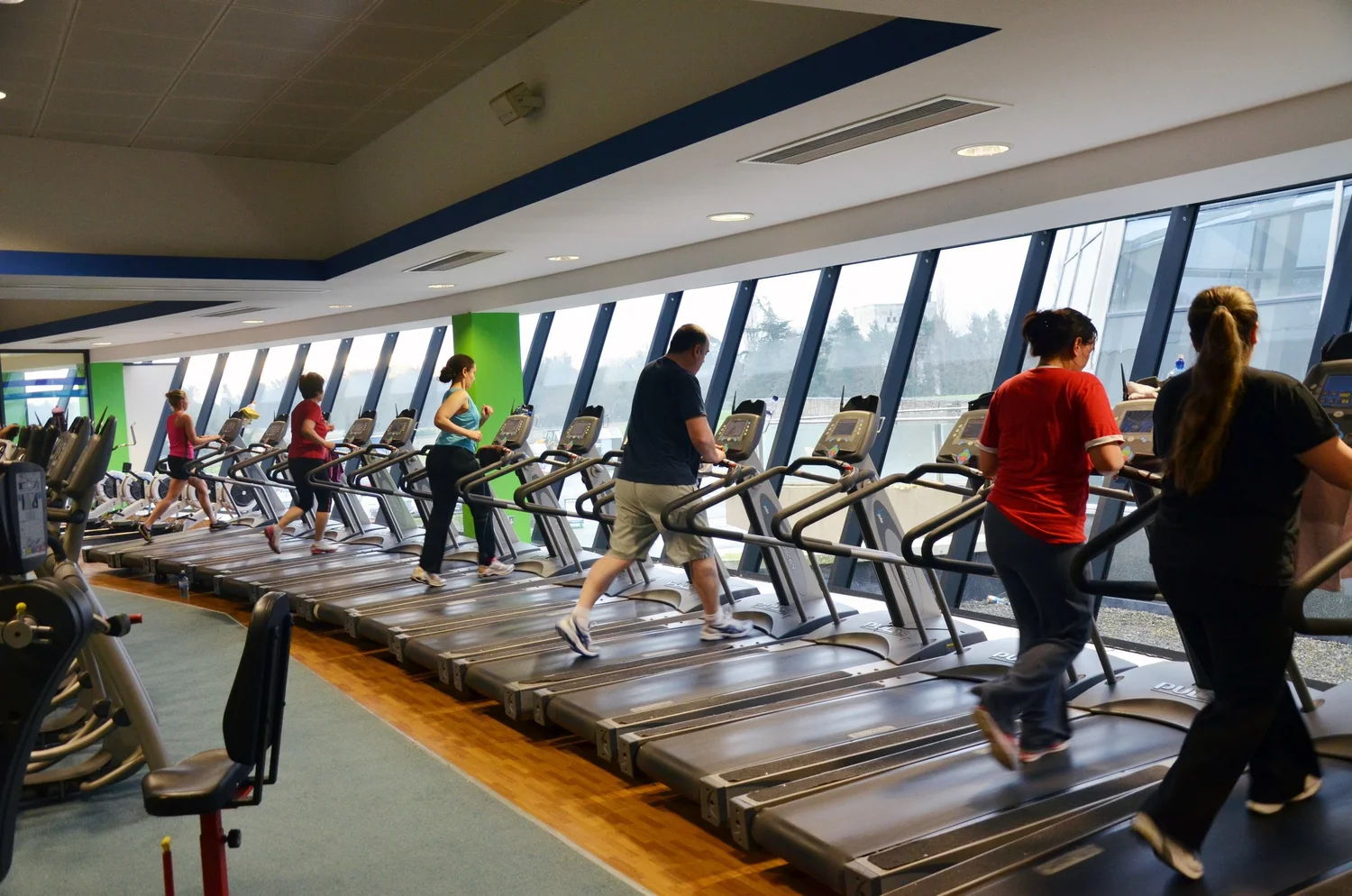
The paper is called "Paying Not to Go to the Gym." The authors' word for it was overconfidence, about a future self who was definitely going to go, and definitely going to cancel.
Nobody was buying workouts. They were buying the feeling of having decided.
Self-storage is that same contract with a padlock on it. The average 10x10 runs $120 a month, and Extra Space told investors this spring that 46% of its tenants have been paying for more than two years. The couch, the six tubs, the box of tax records: same verdict every month, decide next month. A $40 billion-plus industry, and a good chunk of it is those 2.31 months stretched over years.
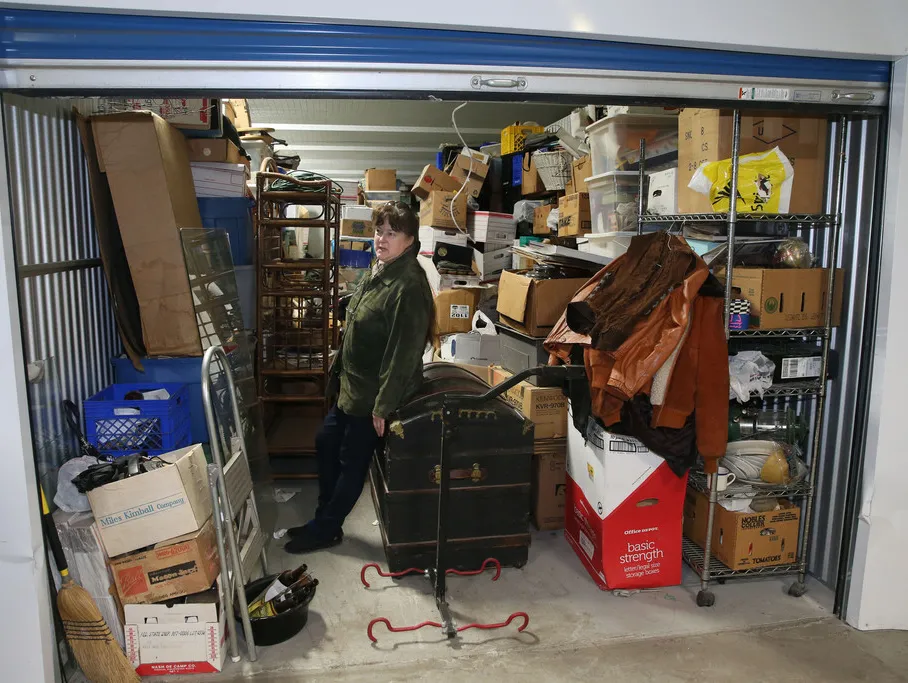
Today's idea works the other side of that. A storage-unit exit concierge: the customer films a quick walkthrough and gets back an exit plan. What sells, what's donated, what goes in the truck, and one number: $575 to close it, against $870 for another six months of rent. You line up the haulers and a reseller, and the charge stops. The customer is paying you to collapse an entire decision tree into one decision: yes, empty it. $49 for the plan, $500 to $800 to clear a 10x10, 30 to 40 percent of anything that sells. Forty jobs a month in one metro is $24,000, and the MVP is a landing page, Stripe, and five haulers you've met in person.
Read the full playbook here:

Self-storage's $40 billion model runs on deferred decisions: 46% of Extra Space tenants have paid two-plus years. The storage unit cleanout business sits on the other side of that indecision.
From the Vault:

FamilyMart moves ¥20 billion a year in convenience-store basics. U.S. airport hotels host the same delayed-bag traveler with nothing on the shelf, and DOT makes the purchase reimbursable.

Retailers took back $850 billion in 2025, yet no Shopify returns app can say whether a $100 sweater is worth retrieving. A per-SKU keep-it refund engine for apparel brands.


